Yoshi and the Mysterious Book Review Roundup: A Charming but Divisive Switch 2 Debut
After a 20-year wait, the Yoshi series has finally delivered its highest-rated game since the Nintendo DS era. But not everyone is opening the cover with the same enthusiasm. Yoshi and the Mysterious...

After a 20-year wait, the Yoshi series has finally delivered its highest-rated game since the Nintendo DS era. But not everyone is opening the cover with the same enthusiasm. Yoshi and the Mysterious Book launched exclusively for Nintendo Switch 2 on May 21, 2026, and while its Metacritic score of 80 signals a generally favorable reception, a sharp divide has emerged among critics and players.
That divide isn't about quality in a traditional sense, it's about audience. The game's stop-motion picture-book art style and creative discovery mechanics have earned widespread praise, but a five-hour main story, a $70 price tag, and a difficulty level that literally removes the possibility of death have left some veteran platformer fans cold. This launch demands a nuanced look. Here is the full breakdown of what the reviews are saying, and who should, or should not, crack open this mysterious book.
The Highest-Rated Yoshi in 20 Years: What’s Working
With a Metacritic score of 80 out of 100 and an 84% critic recommendation rate on OpenCritic, Yoshi and the Mysterious Book stands as the third-best Yoshi game ever released, trailing only Yoshi’s Island: Super Mario Advance 3 and Yoshi’s Island DS. That is an impressive achievement for a series that has not seen such heights since the handheld era.
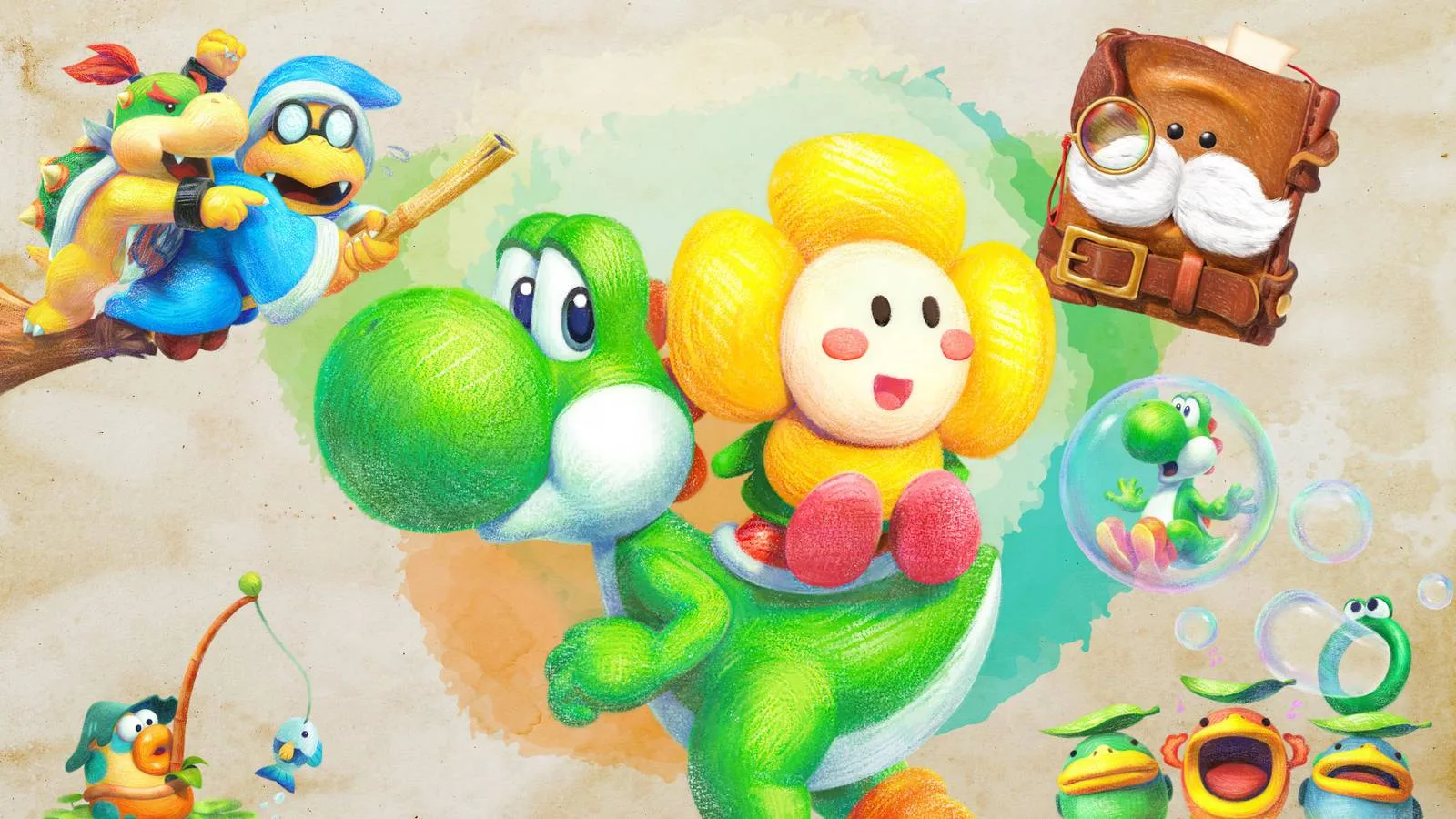
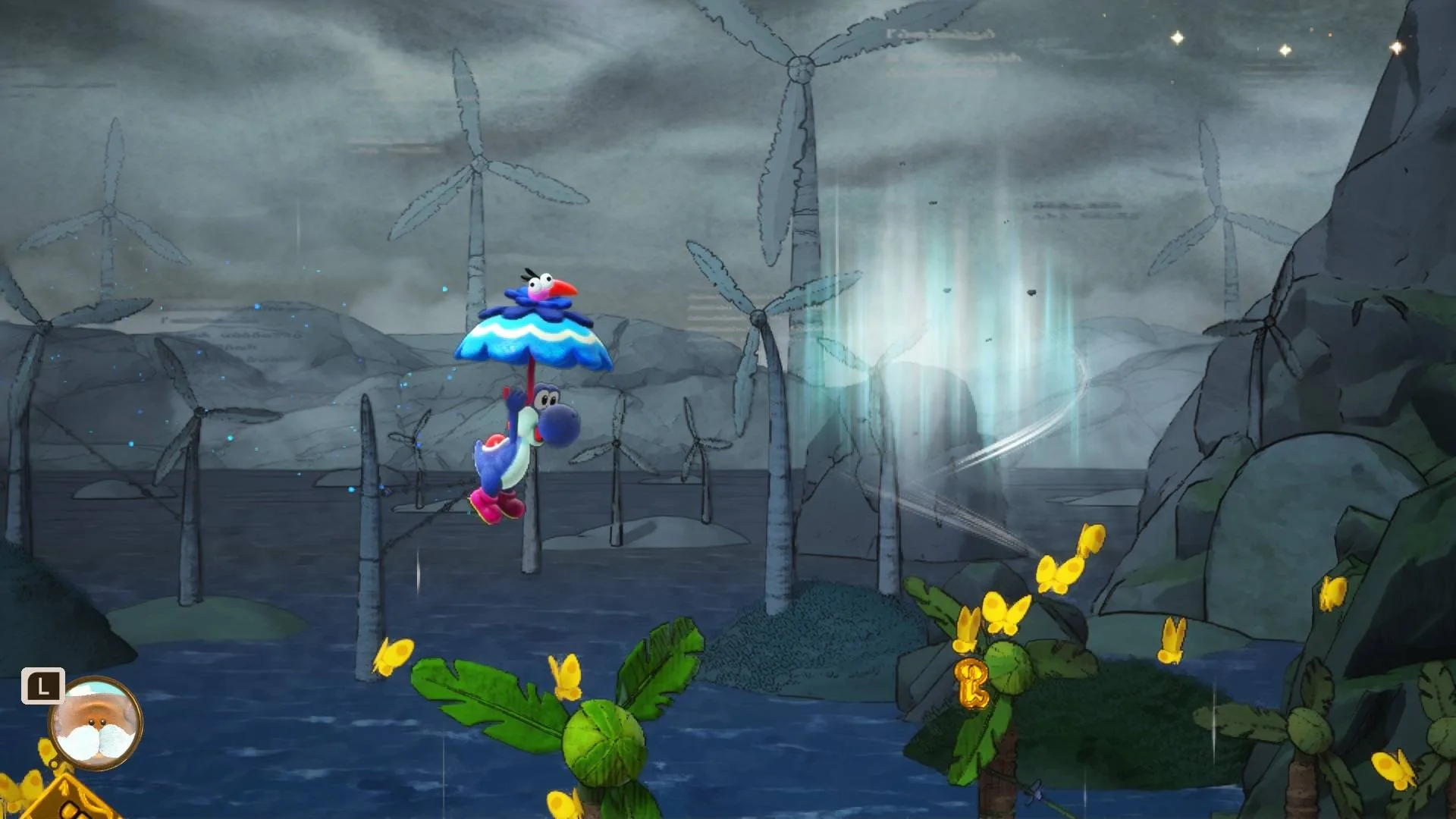
The game’s most celebrated feature is its visual presentation. Built with Unreal Engine 5, Yoshi and the Mysterious Book adopts a stop-motion aesthetic that critics have compared to a living picture book. Every page of the magical encyclopedia setting, home to the sentient book named Mr. E, Bowser Jr., and Kamek, feels lovingly crafted, with textures that mimic felt, paper, and yarn. The game runs at 4K resolution in docked mode, and the soundtrack by composer Kumi Tanioka (known for Final Fantasy Crystal Chronicles and Yoshi’s Woolly World) perfectly complements the whimsical tone.
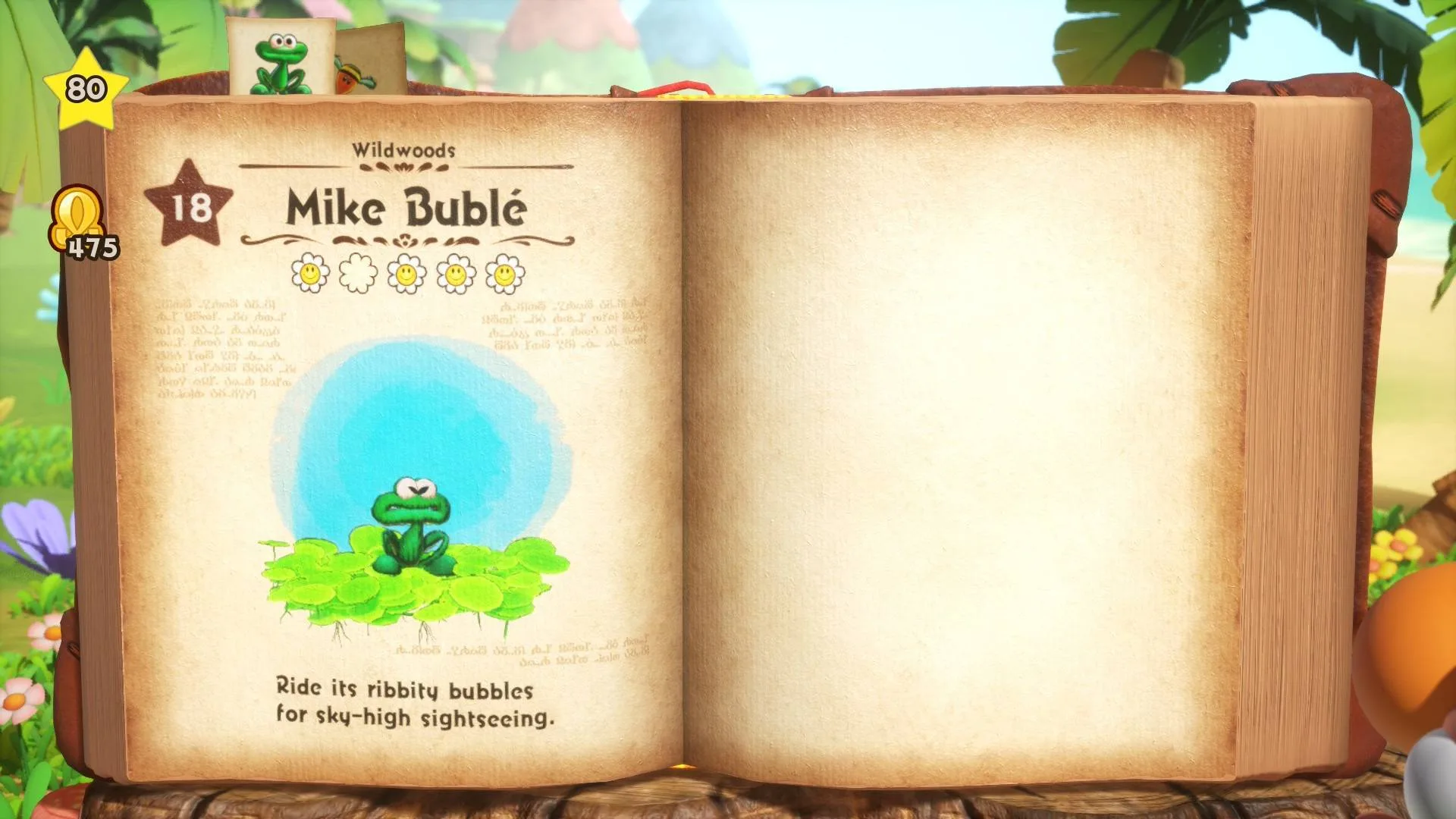
Beyond its beauty, the game shines in its core gameplay loop: exploring hand-drawn environments, discovering new creatures, and naming them. That naming feature has proven surprisingly engaging. When players find a creature, they can name it instantly, and that name persists throughout the entire adventure. Seeing a creature you discovered earlier referenced by its given name creates a genuine sense of connection. Critics have highlighted how this simple mechanic transforms discovery from a checklist into a personal relationship with the world.
Developer Good-Feel, the studio behind Yoshi’s Woolly World, Yoshi’s Crafted World, and Kirby’s Epic Yarn, continues its tradition of craft-inspired game design. Director Masahiro Yamamoto and producer Takashi Tezuka have leveraged the Switch 2’s upgraded hardware to deliver a title that is as much a visual showpiece as it is a platformer.
The Sharp Divide: Brevity, Challenge, and Price
Yet for all its charm, Yoshi and the Mysterious Book has triggered a rare level of disagreement among critics. The review score range tells the story: some outlets have awarded the game scores as high as 9 out of 10, while others have given it a 6 out of 10. The divide is not about quality in a traditional sense, it is about audience.
The most common criticism targets length and challenge. The main story can be completed in approximately five hours, and even completionist runs that chase every creature discovery top out at 10 to 12 hours. For a game priced at $69.99 physically or $59.99 digitally, multiple critics have flagged that value proposition as weak. When compared to other Switch 2 launch titles that offer 30 to 50 hours of content, the brief adventure feels underwhelming.
But the length complaint is tied to a deeper issue: Yoshi cannot die. The game has no health counter, no lives, and no fail states. Players can fall into pits, get hit by enemies, or face hazards without consequence, Yoshi simply reappears at the last safe spot with no penalty. For younger players or those seeking a relaxing experience, this is a welcome feature. For veteran platformer fans who recall the tense, precise levels of Yoshi’s Island or Super Mario World, it can feel like an intellectual property with the challenge stripped away.
Some critics have described the game as shallow or lackluster, arguing that the inability to fail removes the tension that makes platformers engaging. Others have praised the same design choice as a bold step toward accessibility, allowing children to explore without frustration. Neither perspective is wrong, they simply reflect different expectations.
What’s Hidden in the Book
For those willing to dig deeper, Yoshi and the Mysterious Book does offer more than the main story suggests. The game is structured around 12 chapters: six in the main narrative, four unlocked after the credits, and two more after completing those. Most creatures in the game require between 30 and 45 discoveries each to fully document, and the post-game chapters add new areas and abilities that extend playtime for completionists.
The Tail Flick mechanic, which lets Yoshi grab creatures onto his back and use their unique abilities, introduces puzzle elements that bring variety to each level. However, the difficulty remains low throughout, and even the post-game chapters do not introduce the kind of obstacle courses that platformer fans might expect.
Whether this content justifies the $70 price tag depends entirely on the player. Kotaku’s review noted that the post-game content is substantial for those who enjoy collecting every creature and exploring every corner. But the main story’s brevity has been a sticking point for many critics, and the lack of replayable challenge modes or leaderboards makes returning to levels feel less compelling.
Technical Hiccups and Launch Performance
Adding to the launch drama, Nintendo has confirmed a game-breaking bug in Yoshi and the Mysterious Book and is actively working on a patch. Details about the bug remain scarce, but Nintendo Life and Nintendo Everything reported that Nintendo acknowledged the issue through its social media channels, advising players to wait for an update before progressing in certain areas. For a game targeting families and children, this is an unfortunate stumble, though the incoming patch should resolve it quickly.
On the hardware front, the game supports Amiibo figures for Yoshi, Poochey, and Bowser Jr., though no exclusive content is tied to them, they simply provide small in-game bonuses. Sales figures from Japan show that nearly 40,000 physical copies were sold in the first week, according to Famitsu, making it the second best-selling retail game in the region. That suggests decent initial demand, especially considering the Switch 2’s still-growing library. For Nintendo, this title is clearly positioned as a system-seller for families, joining the sparse launch lineup as a colorful, approachable option.
A Book Worth Opening? It Depends on the Reader
Yoshi and the Mysterious Book is a game that knows exactly who it is for, and who it is not. Parents looking for a stress-free, visually stunning adventure for a young child will find an easy recommendation in that 80 Metacritic score and the glowing praise from family-focused outlets. The inability to die means children can play without frustration, and the naming mechanic encourages creativity and attachment. Meanwhile, long-time platformer fans seeking challenge, length, or a meaty $70 experience will likely find the critical criticism rings true, this is not a game that will test your skills or extend your playtime beyond a weekend.
The game-breaking bug adds a minor launch dust-up, but the promised patch should smooth that over. Ultimately, this is a charming, artistic, but undeniably brief entry that will delight its target audience and frustrate everyone else. Consider your playstyle before cracking open this mysterious book. For the right reader, it's a storybook world worth stepping into. Just know that, like any good children's book, you'll have turned the last page before you're ready to say goodbye.