Factorio's Final Chapter: Why Update 2.1 Marks the End of Active Development for a Legendary Indie
What's Inside Update 2.1, The Final Polish Update 2.1 has been in development for eight months and is expected to arrive as an experimental build by the end of June 2026. Wube plans to keep it in...

What's Inside Update 2.1, The Final Polish
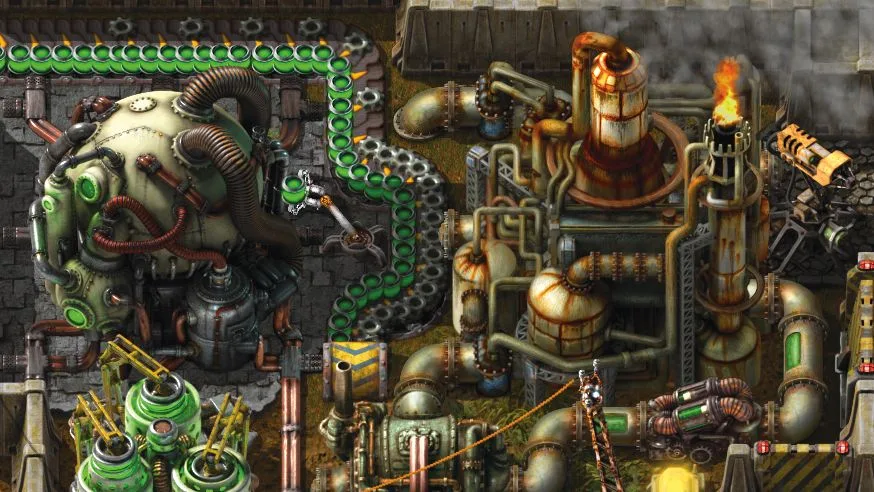
Update 2.1 has been in development for eight months and is expected to arrive as an experimental build by the end of June 2026. Wube plans to keep it in experimental status through the summer, giving mod authors ample time to update their creations before the stable release. This extended window is a clear signal that the studio values its modding community as the long-term custodians of Factorio's future.
The patch itself focuses on quality-of-life improvements, small features, bug fixes, game polish, and modding enhancements. Wube has explicitly ruled out any new planets, enemies, research trees, or resource chains. This is not a final burst of content, it is a finishing coat of varnish. The developers want the game to be as solid as possible before they walk away from active gameplay development.
The level of polish is already evident. An in-office playtest of 2.1 was completed in 53 hours and 15 minutes with zero major bugs, desyncs, or save corruptions. That kind of reliability is almost unheard of for a game of Factorio's complexity, but it is exactly the standard Wube has maintained throughout its lifecycle.
Ending on Its Own Terms, A Rare Industry Decision
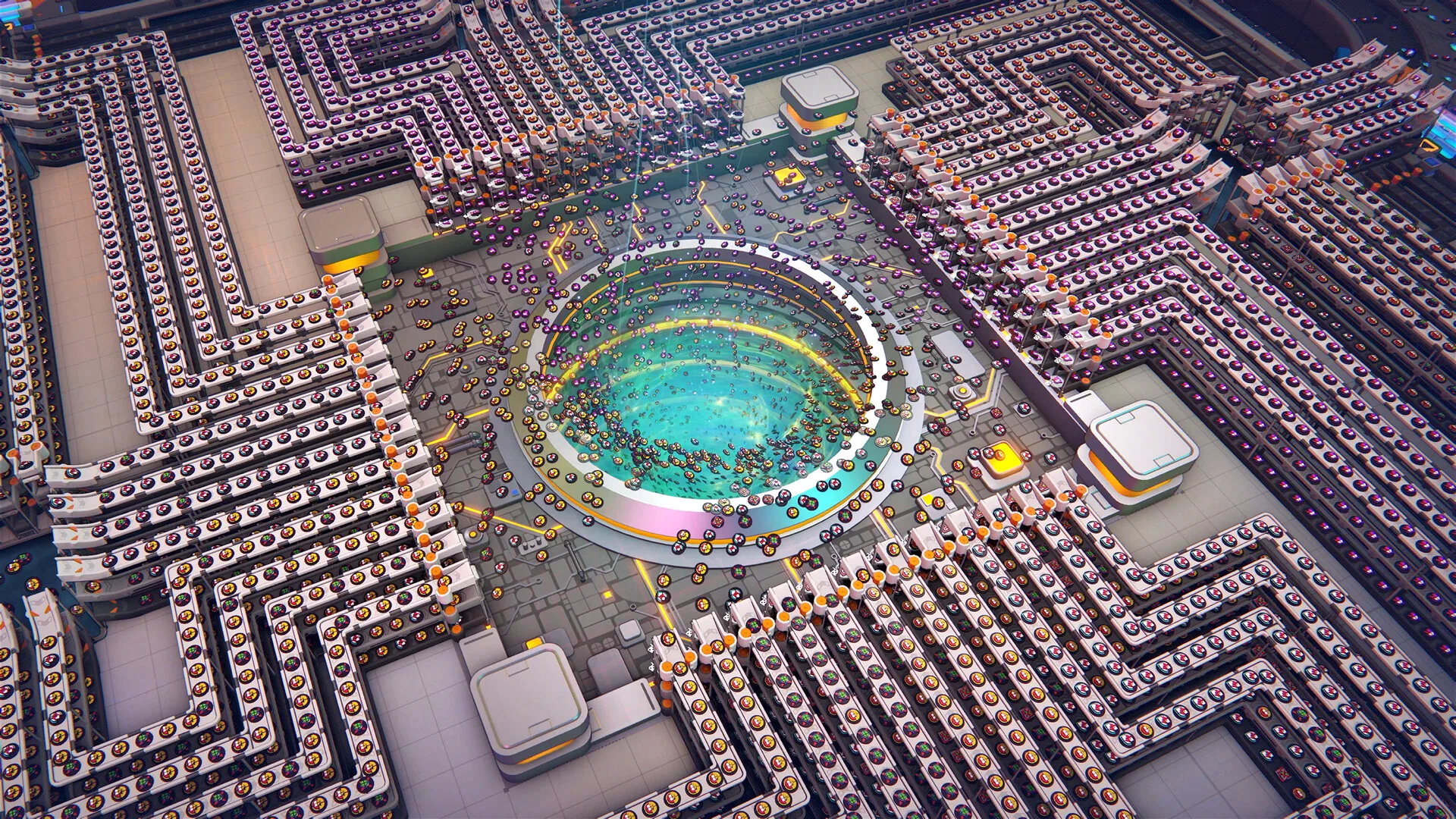
In an era of endless live-service updates, battle passes, and "forever games" that often drag on long after their prime, Wube's decision to cap development is refreshingly decisive. The studio is shifting to long-term support mode, meaning bug fixes, platform compatibility updates, and continued modding features, but no more gameplay additions. They have reached what they describe as a good place to conclude active gameplay development.
This philosophy of completeness extends to Factorio's remarkable pricing policy. The game has never been on sale in its entire history, a policy that built immense player trust and a dedicated fanbase who knew their purchase would never be devalued. Wube's approach has always been about delivering a finished product rather than chasing perpetual growth. Ending development now, while the game is still beloved, reflects that same commitment.
Contrast this with many live-service titles that stretch feature updates thin or pivot to monetization models that alienate players. No one will look back at Factorio in five years and wonder why its inventory is cluttered with time-limited battle passes. Wube is intentionally capping development while the game is still at its peak, handing off the keys to modders and focusing on new creations.
The People Behind the Belts, Staff Transitions
Major milestones often come with shifts in personnel, and Factorio's final update is no exception. Rendering expert Posila departs after ten years with the studio. More notably, Earendel, the modder turned concept artist who led the Space Age expansion's content, is leaving to start his own game studio. Earendel's journey from community mod author to key contributor on the expansion is one of the most inspiring stories in indie development. Programmer Tobias is also moving on.
But Wube is not shrinking. Three new hires join the team: Adam (Programmer/GUI/UX), Simon (Technical lead), and Mishka (Creative assistant). This staff reshuffle signals that Wube is reinvesting in fresh perspectives while honoring the contributions of those who shaped Factorio's final form. The departures are amicable, and the new hires bring skills that will likely drive the studio's next projects.
From One-Man Project to 3.5 Million Sales, A Dev History
Factorio began its life in mid-2012 as a solo project inspired by Minecraft mods IndustrialCraft and BuildCraft. A successful Indiegogo campaign in 2013 raised €21,626, proving there was appetite for a game about building automated factories on an alien planet. Steam Early Access launched in February 2016, and the full 1.0 release arrived in August 2020 (moved up a month to avoid Cyberpunk 2077's release).
The Space Age expansion, released in October 2024, added four new planets, Vulcanus, Fulgora, Gleba, and Aquilo, and was led largely by Earendel. The expansion was a critical and commercial success, further cementing Factorio's reputation as the gold standard of the automation genre.
The game has sold approximately 3.5 million copies on PC, a remarkable figure for a title that never offered a single discount. That trust is a direct result of Wube's consistent quality and transparent communication through their Friday Facts blog.
What Comes Next, New Games and a Living Modding Scene
Wube has already begun work on unannounced new game prototypes, but they have stated they have nothing to share for a long time. Given the studio's track record, whatever they build next will likely be similarly polished and thoughtful.
For Factorio, the future lies with its exceptionally active modding community. By keeping 2.1 experimental for an extended period, Wube is ensuring that mod authors have time to update their work before the stable release. The game will continue to receive bug fixes and platform updates, so it will remain playable and compatible for years.
Additionally, Wube has resumed e-shop deliveries to the USA via a new shipping company after resolving postal issues, ensuring that physical copies of the game remain available.
A Blueprint for Graceful Endings
Factorio's farewell is a masterclass in knowing when to stop. Rather than milking a successful formula into mediocrity, Wube is choosing to leave on a high note, polished, complete, and handed off to its passionate modding community. The factory may no longer grow under Wube's direct care, but the blueprint for graceful game development will endure. For players, this is less an ending and more a final, satisfying belt balancer: everything works, and it works beautifully.