Marcia Lucas, Oscar-Winning Star Wars Editor and Saga's 'Secret Weapon,' Dies at 80
When *Star Wars* exploded onto screens in 1977, it rewrote the rules of blockbuster cinema. But one of its greatest architects remained hidden in the editing bay. Marcia Lucas, the only woman among...

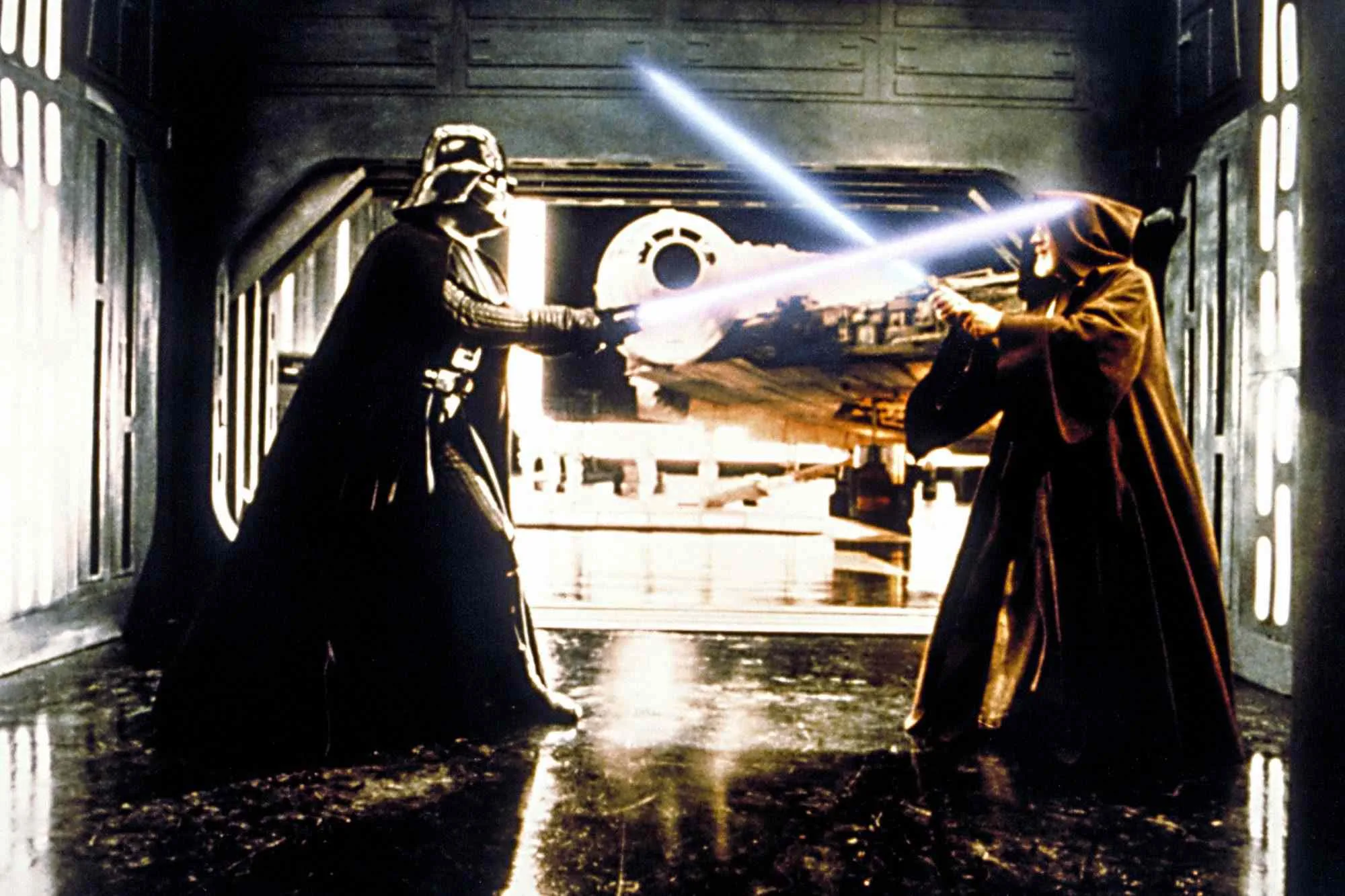
When *Star Wars* exploded onto screens in 1977, it rewrote the rules of blockbuster cinema. But one of its greatest architects remained hidden in the editing bay. Marcia Lucas, the only woman among the film's three Academy Award, winning editors, shaped the Death Star trench run into a nail‑biting climax and suggested that Darth Vader strike down Obi‑Wan Kenobi, a decision that deepened the mythos forever. On May 27, 2026, at age 80, that behind‑the‑scenes visionary passed away, leaving behind a legacy that finally steps out from behind the legend of her ex‑husband, George Lucas. ## A Life in Film: From Modesto to the Cutting Room Born Marcia Lou Griffin on October 4, 1945, in Modesto, California, she began her career as a film librarian before joining the Motion Picture Editors Guild apprenticeship program. There she became an assistant to acclaimed editor Verna Fields, the woman who carved *Jaws* into a suspense masterpiece. It was in Fields's orbit that she met a fellow assistant named George Lucas. They married in 1969. Marcia cut her teeth as an assistant editor on George's debut feature, *THX 1138* (1971), and earned her first Oscar nomination co‑editing *American Graffiti* (1973). But she was never content to work solely on her husband's projects. She built a formidable independent career: she edited Martin Scorsese's *Alice Doesn't Live Here Anymore* (1974) and served as supervising editor on *Taxi Driver* (1976) and *New York, New York* (1977). That 1970s run alone would have secured her reputation, yet the biggest test was still to come. ## The ‘Secret Weapon’ That Saved *Star Wars* The original *Star Wars* arrived in theaters with a spectacular third act, but early cuts of the film were disjointed and nearly unwatchable. Marcia Lucas spent eight weeks restructuring the climactic Death Star trench run, weaving together cockpit dialogue and dogfight footage to create coherent narrative tension. George Lucas later explained to *Rolling Stone* that she "had to cull through all that, and put in all the fighting as well." Her instincts turned chaos into cinema. Even more significant was a story suggestion she made: that Darth Vader should kill Obi‑Wan Kenobi. The original script had the Jedi Master merely struck down by a blaster bolt from a stormtrooper. Marcia argued that Vader himself should deliver the fatal blow. Her former husband later admitted that the change "made the threat of Vader greater and that tied in with The Force and the fact that he could use the dark side." That one decision reshaped the entire franchise's emotional core. For her work, she shared the 1977 Academy Award for Best Film Editing with Richard Chew and Paul Hirsch. To this day, she remains the only woman ever to win an Academy Award for editing a *Star Wars* film. Her contributions extended well beyond the original film. She provided uncredited ideas and creative input on *The Empire Strikes Back* (1980). For *Return of the Jedi* (1983), George assigned her the emotional "dying and crying" scenes that gave the film its heart. Biographer Dale Pollock, in his book *Skywalking: The Life And Films Of George Lucas*, dubbed her George Lucas's "secret weapon", a title that has echoed through film history ever since. ## After the Divorce: Retirement, Criticism, and a Lasting Mark The Lucas marriage did not survive the pressures of success. The couple divorced in 1983, with accounts citing George Lucas's workaholic tendencies as a contributing factor. Marcia later married Tom Rodrigues, a Skywalker Ranch production manager, from 1983 until their divorce in 1993. After *Return of the Jedi*, she retired from editing entirely, a departure that has long intrigued film historians and sparked debates about what else she might have accomplished. She rarely discussed *Star Wars* publicly, but when she did, her opinions were characteristically direct. In later years, she became a vocal critic of Disney's sequel trilogy, stating that Kathleen Kennedy and J.J. Abrams "don't get it." Her craft received formal institutional recognition when the USC School of Cinematic Arts named The Marcia Lucas Post Production Center in her honor, a permanent reminder that her skills transcended any single franchise. ## Tributes and Final Farewell Marcia Lucas died at her home in Rancho Mirage, California, from metastatic cancer, surrounded by loved ones. The news was confirmed by family attorney Deidre Von Rock. Lucasfilm issued a formal statement expressing deep sadness. Mark Hamill, who played Luke Skywalker, called her a "lifelong friend" and praised her as "not just a gifted, innovative artist, she also happened to be a genuinely nice person. Smart, funny and just plain fun to be around." She is survived by her daughters, Amanda Lucas and Amy Soper, and three grandchildren. ## The Great Architect of a Galaxy Far, Far Away Marcia Lucas was never just "George Lucas's ex‑wife." She was the film editor who, with razor‑sharp instincts and a deep understanding of emotion, rescued *Star Wars* from disjointed footage and gave it the rhythm that captivated the world. Her contributions, from the adrenaline of the trench run to the heartbreak of Obi‑Wan's fall, remain woven into the very fabric of the saga. As the galaxy mourns, her legacy stands as a powerful reminder that the greatest heroes are sometimes the ones who cut the film, not the ones who wield the lightsaber.