Xbox’s $20 Billion Hangover: Why Award-Winning Studios Like Ninja Theory and Double Fine Are Fighting for Survival
Editor’s note: This article is set in June 2026 and examines a hypothetical crisis based on current industry trends and reporting. It is a speculative deep dive, not a news report. Just one week...

Editor’s note: This article is set in June 2026 and examines a hypothetical crisis based on current industry trends and reporting. It is a speculative deep dive, not a news report.
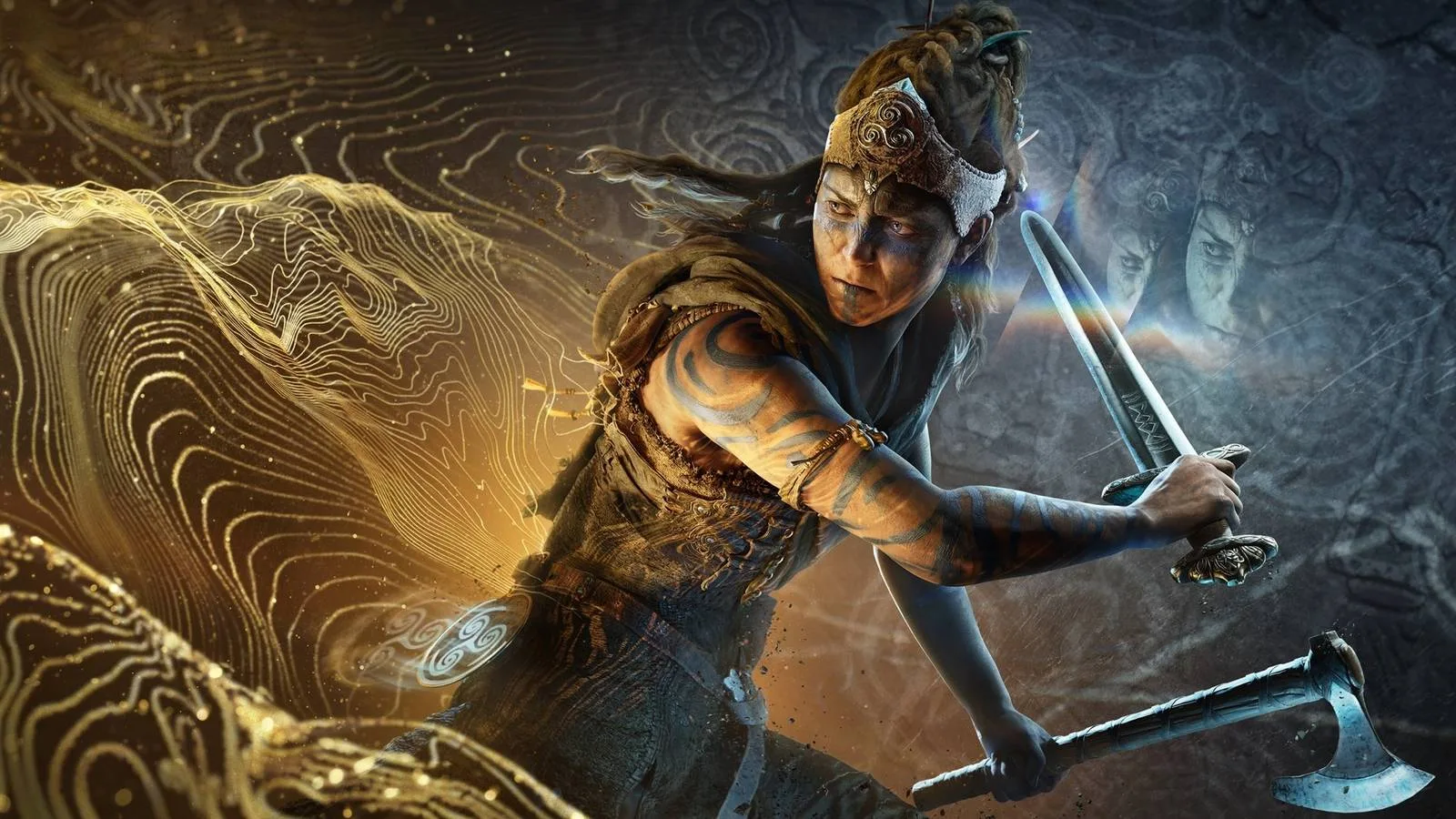
Just one week after Ninja Theory took the Xbox Games Showcase stage to reveal Senua, the next chapter in its celebrated Hellblade saga, and mere months after Compulsion Games accepted a Peabody Award for South of Midnight, Microsoft reportedly began negotiations to close or spin off those very studios. The timing could not be more ironic. Xbox had spent over $20 billion building a portfolio of creative powerhouses, only to now label them a financial liability. This is the story of a post-acquisition hangover, where beloved developers pay the price for corporate overreach, and where a “reset” memo exposes the gap between critical acclaim and commercial survival.
The Memo That Broke the Silence, Inside Xbox’s “Reset”
On June 10, 2026, Xbox CEO Asha Sharma and content chief Matt Booty sent an internal memo titled “Next 100 Days: Xbox Reset.” The document was blunt. It warned that Xbox’s annual revenue had declined by nearly $500 million over five years, despite spending over $20 billion on studio investments (excluding the Activision Blizzard acquisition). The profit margin sat at just 3%. The memo acknowledged that Xbox had “over extended” itself by expanding its studio system across changing strategies and had “not adequately funded” its studios. It declared, “this cannot continue.”
The memo also revealed that hardware component costs for the 2027 holiday season were expected to be more than five times higher than two years prior, squeezing margins further. Layoffs were expected to take effect shortly after Microsoft’s fiscal year ends on June 30, 2026. Employees at multiple studios have already been given permission to seek new work, a grim sign for those hoping for a last-minute reprieve.
This crisis unfolds roughly 100 days after Asha Sharma became Xbox CEO in February 2026, replacing the long-serving Phil Spencer, who retired after 38 years at Microsoft. Spencer’s era was defined by a massive acquisition spree: Ninja Theory ($117 million in 2018), Compulsion Games (2018), Double Fine (approximately $13.2 million in 2019), ZeniMax/Bethesda ($7.5 billion in 2021), and Activision Blizzard ($68.7 billion in 2023). The memo effectively admits that strategy left Xbox overstretched.
Studios on the Brink, Creative Triumphs in the Shadow of Closure
The three studios at the center of the crisis are among Xbox’s most creatively acclaimed, yet each has struggled to turn that acclaim into sustainable commercial success.
Ninja Theory was acquired in 2018 for $117 million, according to internal Microsoft data. On June 7, 2026, at the Xbox Games Showcase, the studio announced Senua, the third entry in the Hellblade series. Eight days later, reports emerged that Xbox was closing the studio. Staff were told on a Monday call about the impending shutdown, though they are hoping to find a buyer. The Verge reported the closure with certainty, while Bloomberg noted that studios are in “active negotiations” to spin off. These reports are not contradictory: the default plan is closure, but studios have a narrow window to negotiate a buyout or spin-off to avoid that outcome.
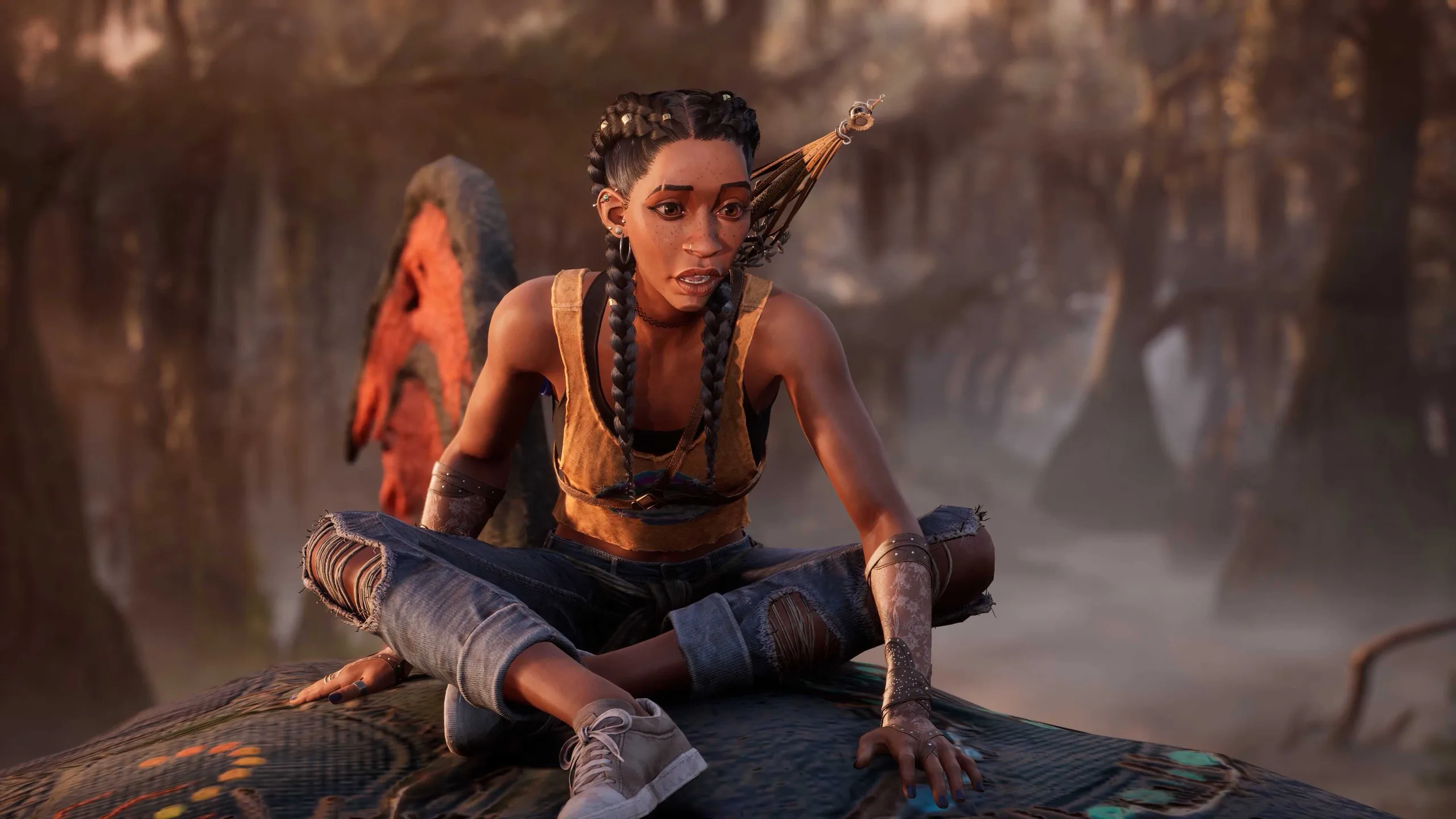
Compulsion Games was acquired in 2018. The Montreal-based studio won a Peabody Award and a BAFTA for South of Midnight, an emotional action-adventure game set in the American South. As recently as April 2026, Xbox executives publicly praised the game. Yet now the studio is in active negotiations to avoid closure. The irony is stark: a Peabody-winning studio fighting for survival just months after its highest honor.
Double Fine, founded in 2000 by industry legend Tim Schafer, was acquired in 2019 for roughly $13.2 million. The studio has a long history of cult hits like Psychonauts 2, but its recent releases Keeper (2025) and Kiln (2026) failed to make a commercial impression. The studio unionized with the Communications Workers of America in May 2026, adding another layer of complexity to any potential spin-off.
The critical irony here is unmistakable. These are Xbox’s most creatively awarded studios, yet their commercial performance has not matched the investment. Hellblade 2 was critically well-received but underperformed commercially. The gap between critical acclaim and financial reality has never been wider. Of course, not all acquisitions suffer this fate, Mojang, acquired in 2014 for $2.5 billion, continues to generate steady returns through Minecraft, but the pattern for smaller, narrative-driven studios remains stark.
The Fight to Stay Independent, Spin-Off Negotiations and Uncertain Futures
According to reports, Compulsion Games, Double Fine, and Ninja Theory are in “active negotiations” with Microsoft to spin off as independent studios and avoid outright closure. However, sources say that even if studios successfully negotiate a buyout, significant layoffs are still expected. The studios would lose their financial safety net and must find new funding in an increasingly risk-averse market. The leadership vacuum at Xbox Game Studios adds to the sense of chaos: head of the division Craig Duncan resigned on June 15, 2026, after only about 18 months in the role, and chief of staff Louise O’Connor also departed recently. With key executives gone, affected studios have little institutional support during the most critical negotiations of their existence.
A Pattern of Contraction, From Tango Gameworks to Today
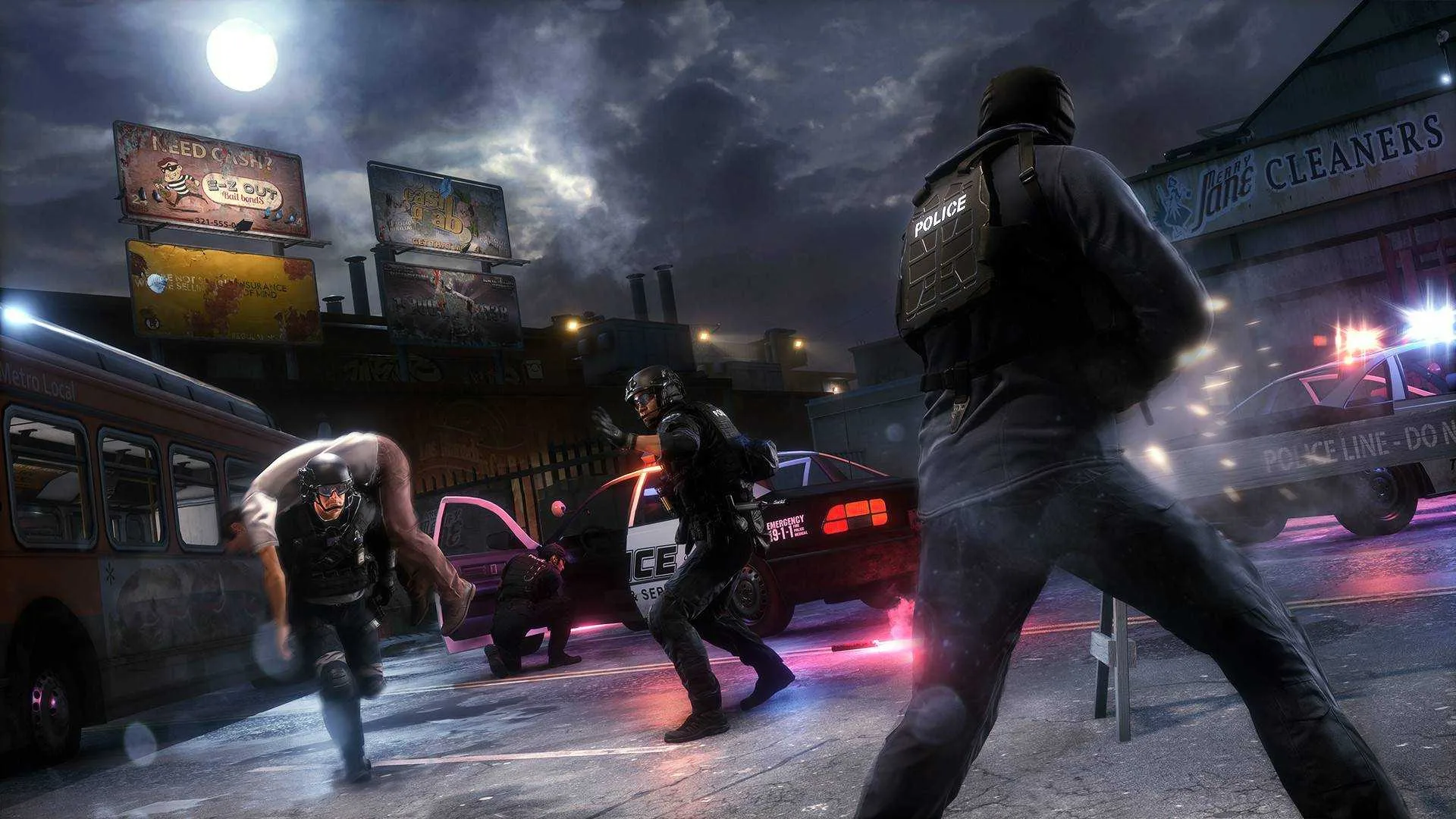
This is not the first time Xbox has cut acclaimed studios. In 2024, it closed Tango Gameworks (known for Hi-Fi Rush), Arkane Austin (known for Prey and Redfall), and Alpha Dog Games. In 2025, it shut down The Initiative and canceled Perfect Dark and Everwild. The pattern is clear: each wave of closures targets studios that were acquired with great fanfare but failed to deliver the blockbuster returns that Microsoft’s leadership demands.
The underlying cause is Microsoft’s acquisition spree under former Xbox boss Phil Spencer. The ZeniMax deal cost $7.5 billion, and the Activision Blizzard deal cost $68.7 billion. Combined with the smaller studio purchases, the total easily exceeds $80 billion. When revenue stagnates and margins shrink, the first thing to go is the “artistic” studios that were never designed to be profit centers in the first place. Even Xbox itself has been considered for a spin-off: on June 12, The Information reported that Microsoft had discussed spinning off Xbox as a wholly owned subsidiary or joint venture, indicating that the crisis runs deep. CEO Satya Nadella recently remarked that “there’s more monetization of Xbox games happening on YouTube” than at Xbox itself, a stark admission of the platform’s strategic drift.
The Unraveling of a $20 Billion Bet
The story of Double Fine, Ninja Theory, and Compulsion Games is a cautionary tale about the limits of acquisition-driven growth. Xbox spent billions buying creativity, but when the financial spreadsheet tightened, those same studios became liabilities instead of assets. The timing, just after a Peabody win and a major game announcement, reveals a disconnect between the people who make games and the executives who count the costs.
As these studios fight to buy back their independence, the industry watches a painful lesson: critical acclaim cannot replace a broken business model, and even the most beloved developers are not immune to the mathematics of corporate restructuring. For the developers at Ninja Theory, Double Fine, and Compulsion Games, the next few weeks will determine whether they can carve out a new future, or become the latest casualties in a consolidation binge that promised so much and delivered so little. If they do survive as independent entities, their struggle may serve as a blueprint for other studios caught in the crossfire of corporate ambition, a reminder that sometimes, the best path forward is the one you carve yourself.