Mark Gordon Departs Treyarch: End of an Era for Call of Duty's Black Ops Studio
When Treyarch posted a brief statement to X/Twitter on June 15, 2026, it marked the fall of the last pillar of the studio's old guard. Mark Gordon, studio head for a decade and a Treyarch veteran for...

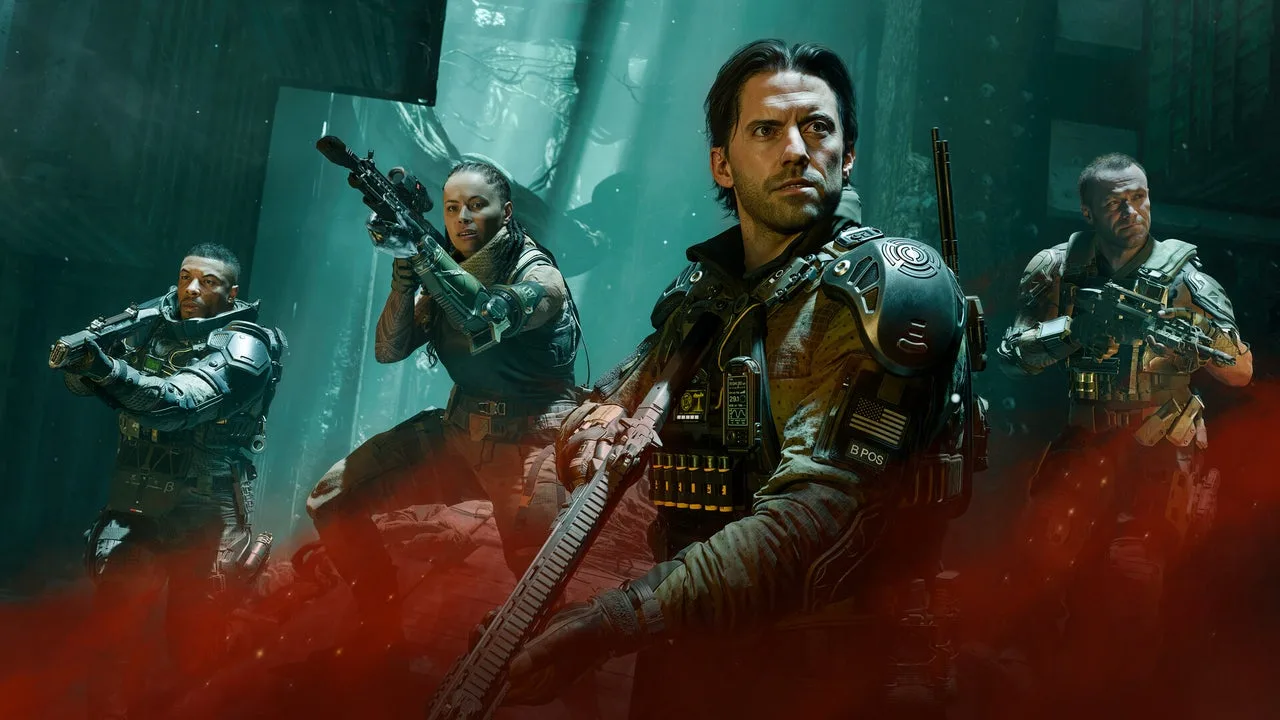
When Treyarch posted a brief statement to X/Twitter on June 15, 2026, it marked the fall of the last pillar of the studio's old guard. Mark Gordon, studio head for a decade and a Treyarch veteran for 22 years, was stepping down to "focus on his next chapter." The announcement, measured and gracious, thanked Gordon for his "steady guidance and deep care for the studio, its culture, and its people." It also named his successors: Kevin Hendrickson, the studio's former COO, and Yale Miller, former Director of Production, who will lead Treyarch together as co-studio heads.
Gordon's departure closes a defining era. He was the last remaining member of the original leadership trio appointed in 2016, a group that oversaw the Black Ops franchise through its most transformative years. His exit comes at a turbulent moment for Xbox, with reports indicating a two-year gap before Treyarch's next Call of Duty release, leadership upheaval across the broader organization, and recent high-profile departures of iconic figures like David Vonderhaar. For a studio that has anchored the Black Ops series for nearly two decades, this is a generational turning point.
The Architect of Black Ops: Mark Gordon's 22-Year Legacy
Mark Gordon joined Treyarch in May 2005 as Chief Technology Officer, arriving at a pivotal moment. The studio, founded in 1996 and acquired by Activision in 2001, was taking its first swing at the Call of Duty franchise with Call of Duty 2: Big Red One. Gordon's technical leadership helped build the engine and tools that would drive Treyarch's titles for years to come. He worked on Call of Duty 3, World at War, and then the entire Black Ops series, from the original Black Ops through Black Ops 7 in 2025. He also lent support to Vanguard, Modern Warfare 2, and Modern Warfare 3.
In November 2016, Gordon was appointed studio head alongside two other veterans: Jason Blundell and Dan Bunting. The trio shared leadership of a studio that had grown from a scrappy support house into one of the most important developers in the entire Call of Duty ecosystem. Gordon, however, was always the steady hand. He transitioned from CTO to a studio head who balanced creative vision with operational stability, especially during turbulent years: the pandemic, the Activision Blizzard acquisition by Microsoft in 2023, and the departures of his co-leaders.
The official statement from Treyarch underscored his people-first approach. He was not just a manager of pipelines and deadlines; he was a caretaker of culture. In an industry where studio leadership turnover is common, Gordon's 22-year tenure at a single studio is remarkable.
The Last of the Trio: Why This Departure Signals a Generational Shift
When Gordon became studio head in 2016, he was one of three. Jason Blundell, the creative force behind Black Ops III and Black Ops Cold War, left in 2020 to found Deviation Games. That studio, founded with high hopes, shut down in 2024 without releasing a title. Dan Bunting departed in 2021 following a Wall Street Journal investigation into a sexual harassment claim at Activision Blizzard. Bunting's exit was abrupt and left a cloud over the studio.
Gordon remained. He held the center while the other pillars fell away. He shepherded the studio through the releases of Black Ops Cold War, Black Ops 6, and Black Ops 7, as well as supporting roles on other Call of Duty games. He became the face of Treyarch's leadership, the person the community trusted to steer the ship.
But Gordon's exit is not an isolated event. It follows David Vonderhaar's departure in 2023 after 18 years at Treyarch. Vonderhaar, the legendary design director behind the Black Ops multiplayer experience, left to found Bulletfarm. In three years, Treyarch has lost three of its most iconic veterans: Vonderhaar, Blundell, Bunting, and now Gordon. That represents a near-complete turnover of the leadership that defined the studio's modern identity.
The generational shift is palpable. The new co-leaders, Kevin Hendrickson and Yale Miller, are seasoned executives but not household names among fans. Hendrickson previously served as VP and Head of Production for the entire Call of Duty franchise at Activision before joining Treyarch as COO in 2022. Miller rose through the production ranks. They bring operational expertise, but whether they can replicate the creative spark and community trust that Gordon cultivated remains an open question.
New Co-Leaders and a Two-Year Gap: What's Next for Treyarch?
Treyarch's most recent release was Call of Duty: Black Ops 7, which launched in November 2025. According to industry sources, the studio is not expected to ship another Call of Duty for approximately two years. Infinity Ward's Modern Warfare 4 is widely anticipated to fill the 2026 slot, giving Treyarch an unusually long development cycle.
This extended runway is a double-edged sword. On one hand, it gives Hendrickson and Miller time to establish their creative and operational vision without the pressure of an annual release. They can invest in new technology, rethink franchise direction, and build a game that feels fresh rather than iterative. On the other hand, a two-year gap means fans will wait longer for a true "Treyarch" game. Early signals from the new leadership, design philosophy, engine updates, narrative direction, will be critical in shaping community expectations.
Hendrickson's background in franchise-wide production suggests a focus on efficiency and cross-studio collaboration. Miller's production experience on the Black Ops series means he understands the DNA of the franchise. Together, they represent a blend of corporate oversight and hands-on development. But without Gordon's institutional memory and personal relationships, they will have to earn the trust of both their team and the player base.
A Turbulent Time for Xbox: Broader Context and Cautionary Notes
Gordon's departure does not happen in a vacuum. It coincides with reported leadership shakeups at Xbox, including the departures of Xbox Game Studios head Craig Duncan and Chief of Staff Louise O'Connor. According to reports, some of which remain unconfirmed, rumors have circulated about potential studio closures at Compulsion Games, Double Fine, and Ninja Theory. No official announcements have been made, but the climate of uncertainty is real.
Treyarch now operates under Microsoft's umbrella following the Activision Blizzard acquisition. Gordon's exit is part of a broader pattern of veteran departures across Xbox-owned studios. Institutional knowledge is walking out the door at a time when the company is navigating consolidation, restructuring, and shifting priorities. For Treyarch, the loss of a 22-year leader compounds the challenge of maintaining cultural continuity.
It is important not to draw a direct causal link between Gordon's decision and the broader Xbox turmoil. He may simply have decided, after two decades, that it was time for a new chapter. But the timing is noteworthy. A studio's culture is fragile, and when the people who built it leave, something fundamental changes.
The Road Ahead for Treyarch
Mark Gordon's departure closes a chapter defined by steady guidance through expansion, controversy, and transition. He joined Treyarch when it was still finding its footing in Call of Duty. He leaves it as a storied developer with a franchise that has sold tens of millions of copies. His legacy is the Black Ops series itself, the maps, the modes, the engine improvements that made it a pillar of the industry.
But the legacy does not walk out the door with him. It lives in the team he helped build, the processes he refined, and the culture he protected. Whether Hendrickson and Miller can honor that legacy while forging their own path will determine whether Treyarch enters a new golden age or a period of drift. For now, the Call of Duty community watches, waits, and wonders what comes next.
Tags: Treyarch, Mark Gordon, Call of Duty, Black Ops, Gaming Industry