Microsoft’s Xbox “Reset” Claims Beloved Studios: Ninja Theory, Double Fine, and Compulsion Games Fight for Survival
This is a speculative article based on current industry trends and reported internal pressures at Microsoft. Events, quotes, and internal documents described are fictionalized projections intended to...

This is a speculative article based on current industry trends and reported internal pressures at Microsoft. Events, quotes, and internal documents described are fictionalized projections intended to explore possible outcomes, not factual reporting.
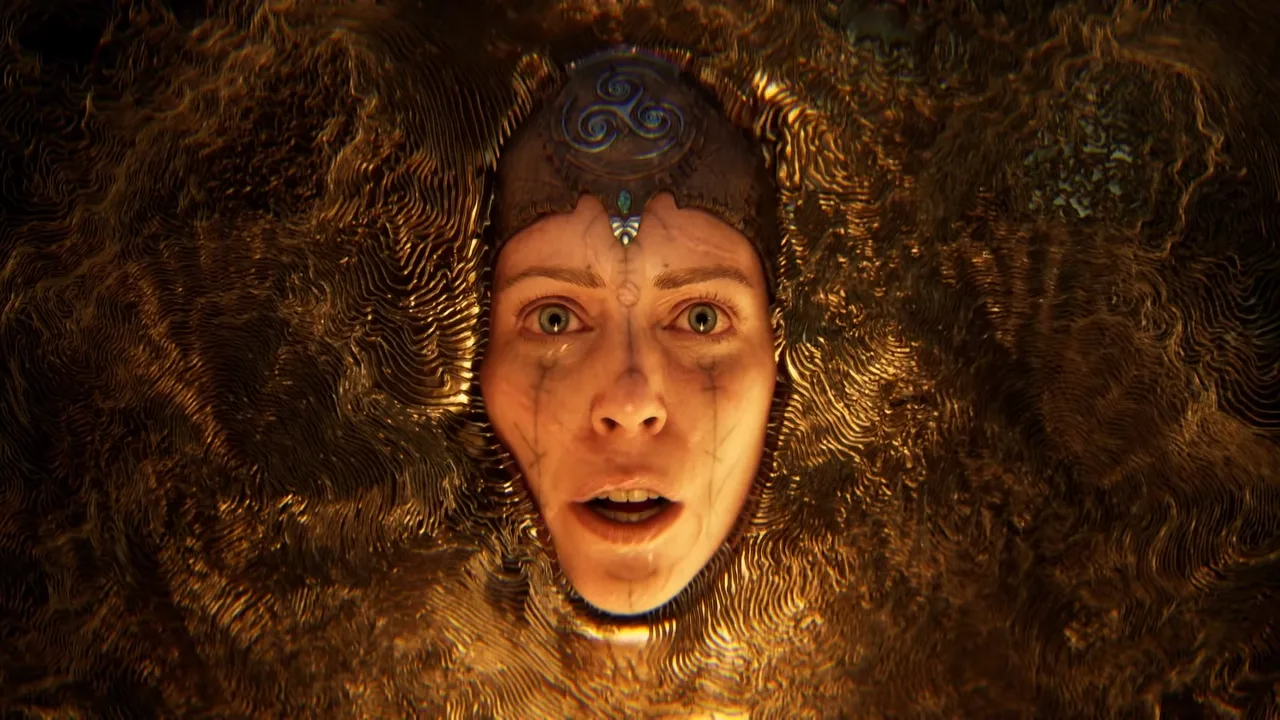
Just over a week after Ninja Theory wowed audiences at the Xbox Games Showcase with a new Hellblade trailer, and months after Compulsion Games’ South of Midnight swept awards season, reports emerged that both studios, along with Double Fine, are in active negotiations to spin off from Microsoft or face outright closure. The timing is brutally ironic. Under a new CEO’s fiscal “reset,” the very studios Microsoft bought to inject creativity are now liabilities on a spreadsheet, forced to prove they can survive outside the Xbox umbrella or disappear entirely.
The Studios at Risk: What We Know So Far
Initial reports indicated that Compulsion Games, Double Fine, and Ninja Theory are in active negotiations to spin off from Microsoft in order to avoid closure. “Several other” unnamed Xbox studios are also reportedly at risk. However, later details painted a grimmer picture for one of the three. Staff at Ninja Theory were informed on a June 15 call that their studio is being closed. The best hope for the team behind Hellblade: Senua’s Sacrifice is finding an outside buyer; a spin-off as an independent entity is reportedly not on the table. For Compulsion and Double Fine, a viable path to independence may still exist, but significant layoffs are expected even if they succeed.
These studios were acquired under former Xbox CEO Phil Spencer between 2018 and 2019, celebrated for their distinct voices. Ninja Theory delivered a haunting portrayal of psychosis in Hellblade. Compulsion Games created the offbeat dystopia of We Happy Few and the acclaimed South of Midnight. Double Fine gave the industry Psychonauts 2, a long-awaited sequel that won hearts and awards. Now they join a grim list of prior Microsoft closures: Arkane Austin, Tango Gameworks (later rescued by Krafton), and The Initiative.

The “Xbox Reset”: Why Microsoft Can’t Afford Prestige Anymore
The root of this crisis lies in a leaked internal memo titled “Next 100 Days: Xbox Reset,” authored by Xbox CEO Asha Sharma. The document reveals a division in serious financial straits: a 3 percent profit margin, over $20 billion in five-year investments (excluding the Activision Blizzard acquisition), and an annual revenue decline of nearly half a billion dollars. Microsoft CEO Satya Nadella has applied public pressure, stating that “there’s more monetization of Xbox games happening on YouTube” than at Xbox itself, demanding economic viability.
Leadership changes have followed. Xbox Game Studios head Craig Duncan resigned on June 15, less than 18 months into the role. Chief of Staff Louise O’Connor also reportedly departed. The “reset” comes after repeated waves of layoffs that have become a grim pattern: approximately 1,900 in January 2024, 650 in September 2024, and 9,000 Microsoft-wide in July 2025, all following the $69 billion acquisition of Activision Blizzard in 2023, a deal that dramatically reshaped the division’s cost structure.
Industry analyst Rhys Elliott of Alinea Analytics captured the dilemma succinctly: the exposed studios are “brilliant for prestige and rotten for the spreadsheet.” In a business environment where every project must justify its existence on a profit and loss statement, creative risk-taking has become a luxury Microsoft can no longer afford. This is not to ignore the very real financial pressures on the division, but when award-winning games cannot guarantee survival, the model itself must be questioned.
Tragic Timing: Awards and Announcements That Didn’t Save Them
The timing of these reports has added insult to injury. At the Xbox Games Showcase on June 7, 2026, Ninja Theory announced Senua, a new Hellblade game. The trailer generated significant buzz and seemed to signal a bright future for the studio. Just eight days later, staff were told the studio is closing. The whiplash has left the gaming community stunned.
Compulsion Games’ South of Midnight, released in April 2025, won a Peabody Award and a BAFTA. It was a critical darling, praised for its exploration of Southern folklore and its heartfelt storytelling. Yet those accolades could not translate into sufficient commercial performance or internal metrics to shield the studio from the current axe.
Double Fine’s recent titles Kiln (April 2026) and Keeper (2025) reportedly failed to make a commercial impression. While Psychonauts 2 was a beloved success, the studio’s subsequent releases may not have moved the needle on Microsoft’s balance sheet. The irony is sharp: these studios were celebrated precisely for the kind of creative risk-taking that Xbox’s Game Pass model was supposed to foster. Streaming metrics and bottom-line pressure have overruled artistic success.

What This Means for Xbox’s Future and the Industry
These individual tragedies, however painful, are symptoms of a larger strategic shift. Understanding what comes next for Xbox requires examining the system that made these closures possible. If these spin-offs and closures proceed, they signal a permanent move away from nurturing mid-tier studios in favor of mega-franchises and third-party deals. Xbox appears to be retrenching, focusing on its biggest brands, Halo, Forza, Call of Duty, Elder Scrolls, Fallout, while divesting or shutting down teams that cannot deliver blockbuster returns.
The spin-off option suggests Microsoft may be willing to let talented teams continue their work, but without the safety net of corporate funding. Even if Compulsion and Double Fine successfully break away, they will face a harsh independent market where securing publishing deals and maintaining headcount is notoriously difficult. Layoffs are expected regardless of outcome, and the affected teams will likely be smaller.
More pain is on the horizon. Layoffs are expected to take effect after Microsoft’s fiscal year ends June 30, 2026. With several other unnamed studios reportedly at risk, the current wave may not be the last. The broader industry context is grim: over 45,000 gaming jobs have been lost from 2022 to July 2025. This is part of a larger contraction across the sector, but Xbox’s pattern of acquiring studios only to later close or divest them stands out as particularly damaging to talent and trust.
Questions about Game Pass sustainability are now unavoidable. The subscription service was supposed to provide a safe haven for experimental, narrative-driven games that might not sell millions of copies. If even award-winning titles cannot guarantee a studio’s survival, what kind of content will Xbox invest in going forward? The diversity of the content pipeline is at risk.
At What Price?
The story of Ninja Theory, Double Fine, and Compulsion Games is not just a corporate reshuffle. It is a cautionary tale about how even the most creatively successful studios can become expendable when spreadsheet culture takes over. Whether these teams spin off into independence and survive, or shutter entirely, one thing is clear: the Xbox of 2026 is no longer the home for the idiosyncratic, award-winning games that once defined its “power your dreams” pitch. The reset is complete, but the price may be the very soul of the platform.