Xbox Admits the Console Model Is Broken: Radical New Business Models Arrive in 2026
The console industry's traditional economics have finally cracked. For thirty years, manufacturers have sold premium hardware at a loss, recouping margins through software licensing and accessories....

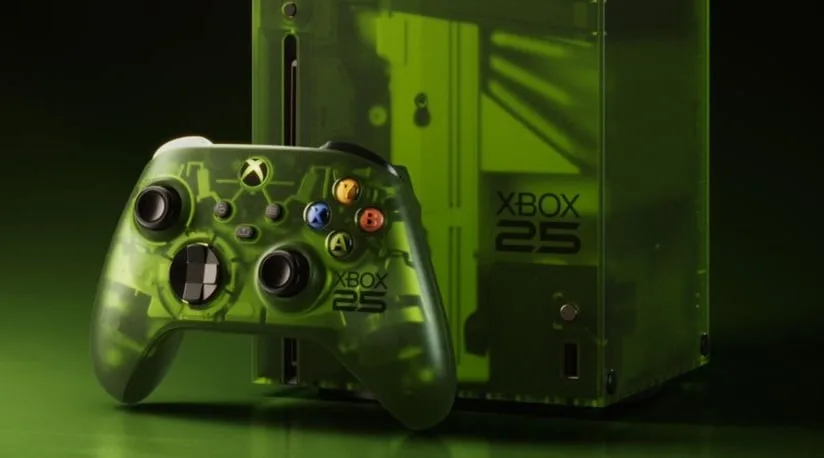
The console industry's traditional economics have finally cracked. For thirty years, manufacturers have sold premium hardware at a loss, recouping margins through software licensing and accessories. That model is now unsustainable. Xbox CEO Asha Sharma did not mince words when she declared the hardware business is "in a crisis right now", and warned that mass audiences simply cannot afford "thousands of dollars" for a next-generation console. This is not merely a Microsoft problem; it is an industry-wide reckoning driven by an AI-fueled memory shortage that analysts have dubbed "RAMageddon." Sharma's admission that "radically different business models" could arrive as early as later this year signals the end of the premium-box-at-a-loss era. As Project Helix takes shape, Microsoft is being forced to rethink not just its next console, but the very nature of how players access its ecosystem.
The RAMageddon Crisis: Why Component Costs Are Exploding
The crisis has its roots in the artificial intelligence boom. Demand for high-bandwidth memory (HBM) and DRAM used in AI training servers has pulled manufacturing capacity away from consumer-grade memory, creating a severe supply squeeze. The result has been staggering price increases: DDR5 32GB kits that cost around $150 in late 2024 now start at $350 or more. Memory prices surged approximately 90% year-over-year in the first quarter of 2026 alone, according to market research firm TrendForce.
The impact on console manufacturing is severe. Sharma noted that memory and storage now account for roughly 50% of a console's bill of materials at this stage of the generation. According to Microsoft's internal cost projections, overall component costs have risen 2.75 times from pre-crisis levels, and they could increase 7.5 times if the shortage persists. Xbox strategy chief Matthew Ball has stated the acute effects may last two to two and a half years, leaving manufacturers with no quick fix.
This is not an Xbox-specific problem. Sony CEO Hiroki Totoki has similarly stated the company must "consider changing business models" for the PlayStation 6, acknowledging that the traditional approach of building increasingly expensive boxes is no longer viable for a mass market. The entire console industry is caught in the same cost trap.
'This Cannot Continue', Xbox's Internal Warning Signs
Microsoft's gaming division is already under significant financial strain. The business operates at a profit margin of only around 3%, a razor-thin figure for a company of Microsoft's scale. Sharma has reportedly warned staff that the current trajectory "cannot continue," with reports of impending layoffs circulating internally. The sense of urgency is palpable.
Game Pass, once the crown jewel of Xbox's strategy, has also hit turbulence. After raising prices in October 2025, the service lost "millions" of subscribers. Microsoft was forced to cut Game Pass Ultimate pricing in April 2026 to stem the bleeding. The subscription model, which was supposed to provide steady recurring revenue, has proven sensitive to price increases in a cost-conscious market.
The strategic whiplash is striking. Former Xbox president Sarah Bond had previously described the next-generation Xbox as "a very premium, very high-end curated experience." That vision now seems impossibly expensive. Given these internal pressures, it is no surprise that Sharma is now publicly floating alternative approaches to restructure the business.
'Radically Different' Business Models, What Could Arrive in 2026
Sharma explicitly said that "radically different business models" could arrive "later this year", meaning 2026. These are not vague concepts; Microsoft already has several options in various stages of planning.
The most obvious candidate is a revived version of Xbox All Access, the hardware financing program that bundled a console with Game Pass for a monthly fee. All Access was discontinued in 2025 after retailers pulled out, but a revamped model with more flexible terms could return. Instead of a fixed two-year contract, Microsoft might offer shorter commitments or tiered plans that let players choose their hardware tier.
Another possibility is a free, ad-supported tier of Xbox Cloud Gaming. Microsoft has been testing this since October 2025, and it could become a critical entry point for budget-conscious players. Combined with cheaper, lower-spec hardware, such as a cloud-focused streaming dongle or a handheld device like the Asus ROG Xbox Ally, Microsoft could offer multiple ways to access the Xbox ecosystem without requiring a $500+ console purchase.
Sharma also teased that Xbox will "do more this summer" with Game Pass, likely introducing more flexible offerings such as cloud-only subscriptions, standard tiers, or enhanced financing options. The goal is clear: reduce the upfront cost barrier while increasing long-term subscription revenue.
Importantly, these new business models are separate from the full Project Helix hardware launch. The new pricing and access models could arrive in late 2026, while Helix itself is targeting a Holiday 2027 release. Microsoft is decoupling the hardware from the business model, allowing players to start engaging with the next generation before the flagship console even ships.
Project Helix, The Hybrid Console Forced to Downsize
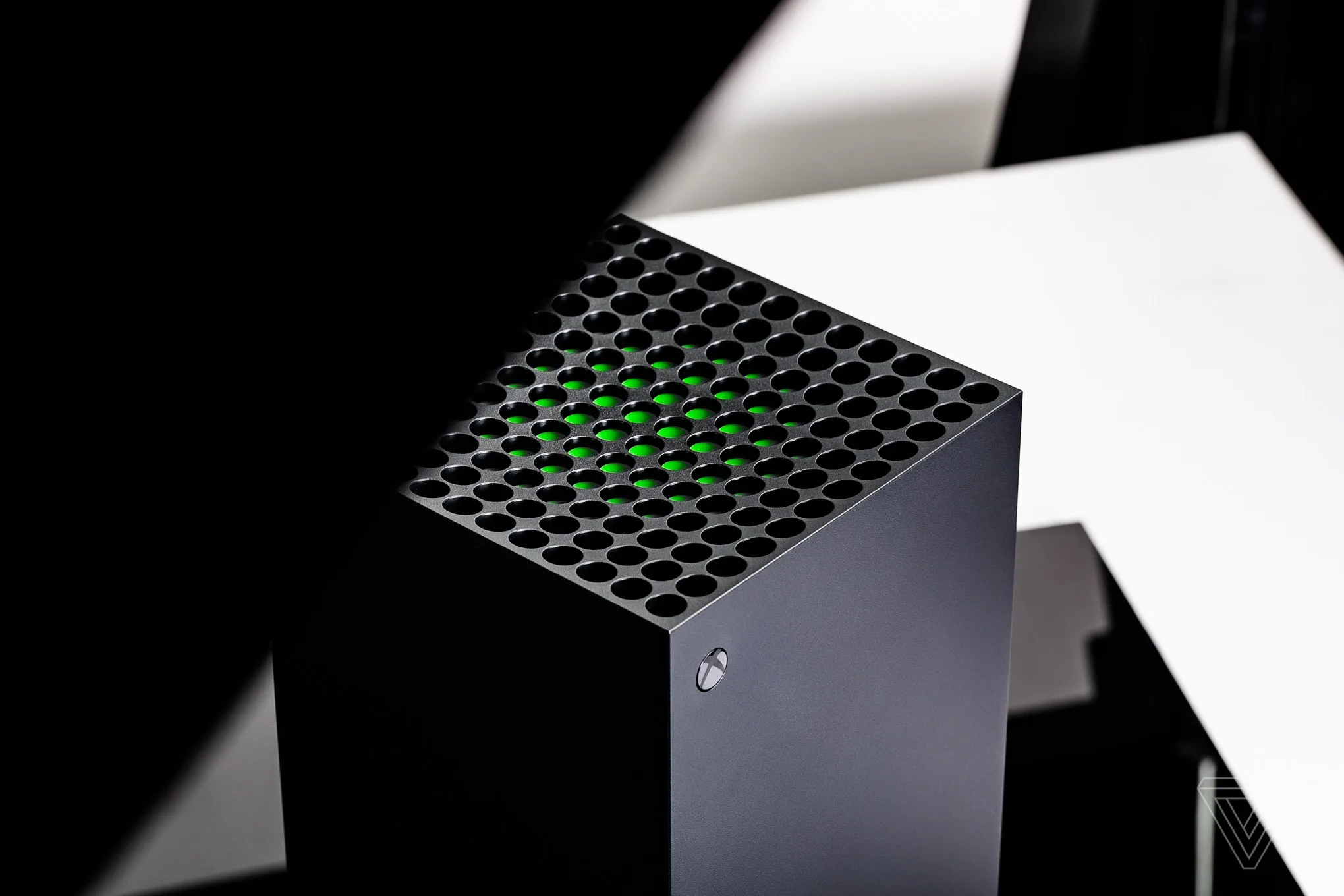
Project Helix was formally announced earlier in 2026 as a next-generation Xbox that plays both Xbox and PC games, with full backward compatibility. The hybrid concept was intended to unify Microsoft's gaming platforms into a single device. But the cost crisis has forced a drastic rethink.
The premium high-end experience that Bond envisioned is being scaled back. Sharma confirmed that Microsoft is "rethinking everything" about Helix, including its cost structure, specifications, and business model. The console's final specs may be less ambitious than originally planned to hit an affordable price point.
The PC compatibility angle, however, opens new strategic possibilities. By treating Helix less as a fixed piece of hardware and more as a platform that spans devices, consoles, handhelds, PCs, and cloud, Microsoft can offer a range of entry points. A cloud-focused dongle for $99, a handheld for $299, and a high-end console for $499 could all provide access to the same library and subscription service.
Industry-Wide Reckoning, The End of the Traditional Console Cycle?
Sony's parallel moves underscore that this is not just an Xbox story. Totoki's admission that Sony must "consider changing business models" for the PS6 mirrors Sharma's language almost exactly. Both companies are acknowledging that the old model of selling expensive boxes at a loss is unsustainable in an era of soaring component costs.
The traditional console generation cycle, a fixed hardware spec that lasts six to eight years, may be fading. With cloud streaming, subscription plans, and iterative hardware refreshes, the concept of a single "generation" becomes less relevant. Consoles become gateways to an ecosystem, not standalone purchases.
For consumers, this means more choices: financing options, free cloud tiers, lower-cost hardware, and flexible subscriptions. But it also introduces risks. Fragmentation could leave players confused about which tier they need. And a shift toward subscription-based access could mean higher overall costs for those who prefer to own their games outright. The big question is whether the industry will move to a model where the "console" is merely a branded access point, and the real value lies in the monthly subscription.
The End of the Premium Box as We Knew It
The console industry is at a crossroads. The cheap, powerful box that defined gaming for three decades is no longer viable in a world where AI demand is driving memory prices through the roof. Microsoft's willingness to admit the crisis publicly and explore radically different business models is both a survival tactic and a glimpse of the future. By 2026 and 2027, we may see a world where buying a console means subscribing to one, or where the console itself is merely a window into a broader, device-agnostic ecosystem. The era of the premium black box may be ending, but what replaces it could be more flexible, more accessible, and perhaps more profitable, if Microsoft can navigate the transition without losing the players who made Xbox a household name.