When Enemies Fear You: The Games That Master the Power Reversal
Who’s afraid of you? In most games, the answer is “no one.” But in a rare breed of titles, enemies whisper, scramble, and flee at the sight of the player. This is the power reversal, and it’s...

Who’s afraid of you? In most games, the answer is “no one.” But in a rare breed of titles, enemies whisper, scramble, and flee at the sight of the player. This is the power reversal, and it’s intoxicating. We are used to being the prey: the frantic search for a locker to hide in, the desperate trigger squeeze as a horror closes in. Fear is the currency of countless video games. But what happens when the power dynamic flips? When enemies panic, scramble for cover at the sight of you, or simply turn and run for their digital lives?
This is the rare and intoxicating territory of games that make you the horror they fear. Through sophisticated AI systems and deliberate power escalation, developers have built experiences where the hunter becomes the hunted. From the genre-defining tactical genius of F.E.A.R. to the emotional gut punches of The Last of Us Part II, here is how they constructed fear on the other side of the screen.
The AI Blueprint: How F.E.A.R. Made Enemies Feel Alive
In 2005, F.E.A.R. arrived and did something unprecedented. It gave its soldiers a brain. The game’s goal-oriented action planning (GOAP) AI system allowed enemies to communicate, flank, take cover, and coordinate attacks without any scripted sequences. These were not simple patrol paths or trigger-based ambushes. These were digital combatants that felt genuinely alive.
The illusion of fear emerged from the AI’s reaction to player aggression. Suppressing fire was not random. Enemies would retreat to heal while their comrades covered them. They would call out the player’s position, shouting “Flanking!” or “He’s on the catwalk!” The tactical depth made every firefight dynamic and unpredictable. The player, armed with supernatural bullet-time powers, became a threat that the soldiers had to outsmart. They were scared, and it showed in their chatter and their movement.
The sequel, F.E.A.R. 2: Project Origin, attempted to double down on these mechanics while weaving the series’ iconic horror element more centrally. Some players felt the AI, while still strong, lacked the revolutionary spark of the original. Still, the blueprint was set. F.E.A.R. remains a defining moment for FPS enemy behavior, proving that AI can evoke genuine tension on both sides of the conflict.
Emotional Warfare: The Last of Us Part II’s Named Enemies
But tactical fear is only one flavor. Naughty Dog took a radically different approach by making fear personal. In The Last of Us Part II, enemies are not just threats to be neutralized. They are people. The game’s AI system gives each opponent a name, a relationship, and a voice. When you kill someone, their ally might call out a name in shock. “Mike? Mike!” The panic is raw and human.
This design forces players to confront the humanity of their opponents. Enemies retreat, hesitate, and sound genuinely scared when they discover a fallen comrade. Their callouts reflect shared knowledge of the player’s last known position. They track line of sight and hearing, creating a cat-and-mouse dynamic where you are the cat, and they know it. The horror here is not in the enemy’s power but in the player’s own actions. You become the monster they fear, and the game refuses to let you forget it.
Power Fantasy: When Strength Alone Makes Enemies Flee
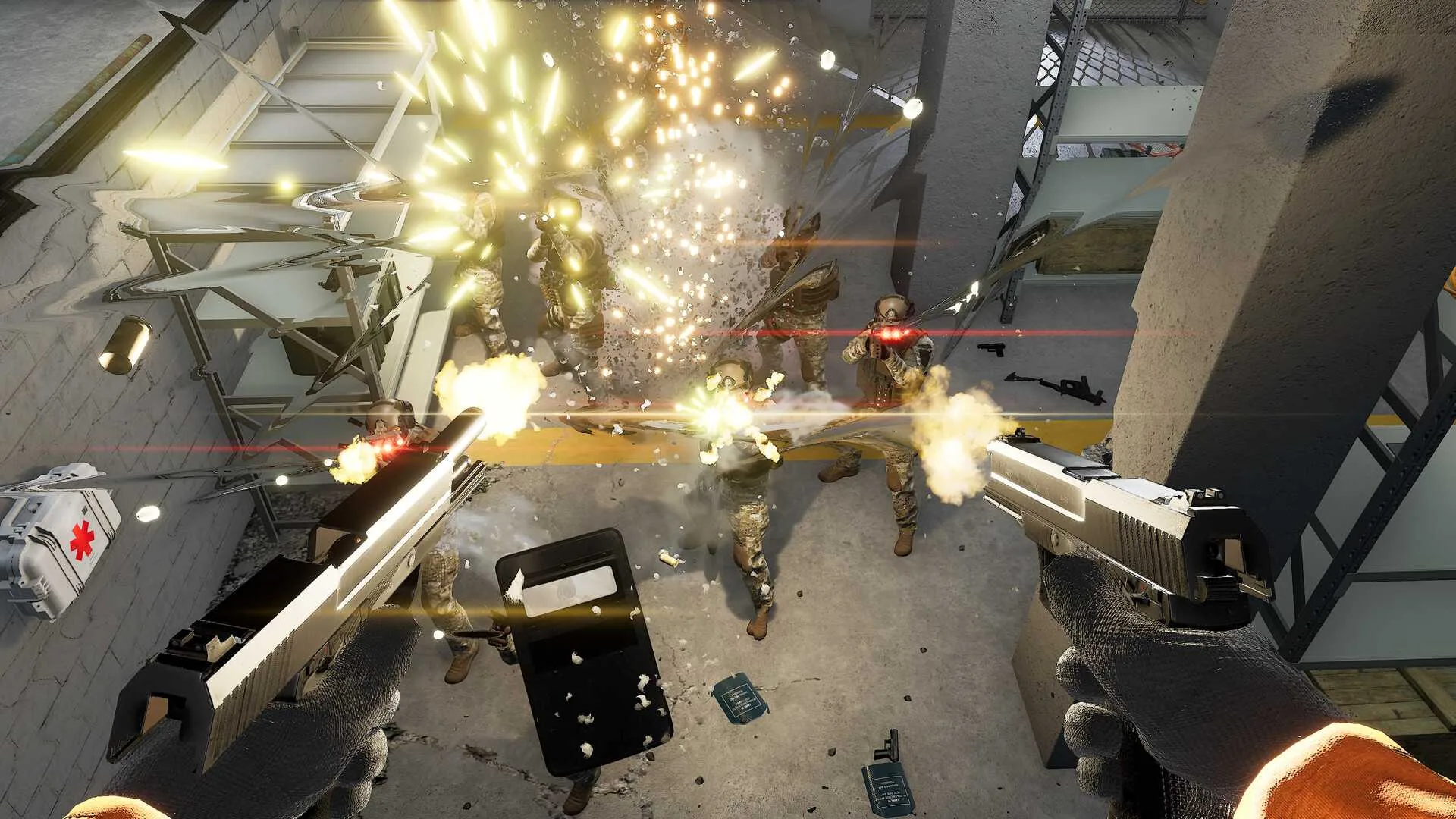
Sometimes fear is about raw, overwhelming power. Games like Prototype and Trepang2 let players become juggernauts. Superhuman forces that can tear through armies like paper. In these titles, enemy AI responds not with bravery but with flight.
Prototype’s open-world sandbox allows Alex Mercer to consume and transform at will. When he enters a military zone, soldiers visibly panic. The game’s reputation system builds fear into the environment itself. Troops shout warnings, scramble for vehicles, and attempt to flee rather than engage. The player becomes a walking apocalypse, and the enemies know it.
Trepang2, added to a curated list in a later update, blends fast-paced FPS action with enemy retreat behaviors. When you activate your powers, soldiers shout and scatter. They do not fight. They run. It is a visceral power fantasy that transforms combat into a chase. The fear is explicit, and the thrill is undeniable.
Indie Oddities: BLACK SOULS 2 and Cry of Fear
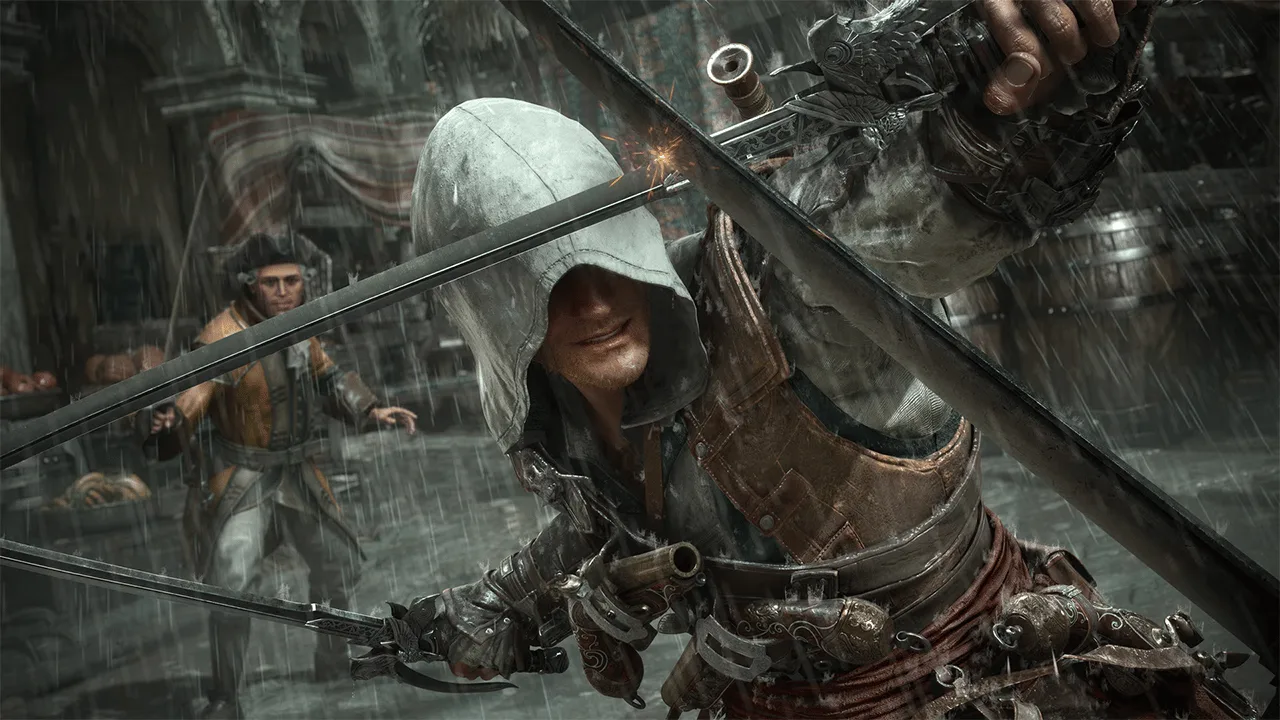
Fear of the player is not limited to AAA productions. Indie titles have carved their own strange niches. In BLACK SOULS 2, a notoriously difficult souls-like, certain NPCs literally run away from the player on first encounter. In one memorable instance, a high-level opponent turns and sprints into a corner, trembling, a stark contrast to the usual aggression of the genre. The player, typically the underdog, suddenly becomes a terror so great that even formidable foes flee on sight.
Cry of Fear flips the script in a different way. Enemies relentlessly pursue the player, adapting to their patterns. The horror lies in their persistence. Yet even here, there are moments of hesitation. The AI is not mindless. It learns, it waits, and sometimes, in a rare pause, it seems to fear the player’s resilience. These indie experiments prove that a simple retreat state or panic animation can radically shift the player’s sense of power.
Building the Fear: Developer Tools for Reactive Enemy AI
The industry is taking note. Commercial tools like the Revenor, Horror Enemy AI System, available on Unreal Engine’s Fab marketplace, provide ready-made state trees for enemies that react with fear, retreat, and coordination. Such assets show that developers are actively seeking to create the “enemy fears you” dynamic, not just the “player fears enemy” trope.
Industry analysis on game development sites has long explored the art of fear in AI design. The key insight is that frightened AI increases immersion and reinforces the player’s power fantasy. When enemies behave as though they genuinely believe they cannot win, every victory feels earned. Every encounter becomes a story.
The Hunter Becomes the Hunted
The power reversal is one of gaming’s most satisfying experiences. It transforms the player from victim into apex predator. Whether through tactical brilliance (F.E.A.R.), emotional depth (The Last of Us Part II), raw power (Prototype), or quirky indie design (BLACK SOULS 2), these games prove that AI can evoke genuine fear on both sides of the screen. As accessible tools like Revenor become more widespread, we can expect more titles to let us become the nightmare we once fled from. We started as prey; we finish as the apex predator. And that is a thrill worth chasing.