The Disc Dies in 2028: Sony Confirms All New PlayStation Games Go Digital-Only
The satisfying clunk of a disc dropping into a PlayStation's tray, the brief hum before a game boots up, that sound is about to go silent. In 1994, Sony entered the console market with a bold bet:...

The satisfying clunk of a disc dropping into a PlayStation's tray, the brief hum before a game boots up, that sound is about to go silent. In 1994, Sony entered the console market with a bold bet: replace expensive game cartridges with cheap, mass-produced CD-ROMs. The PlayStation not only won, it transformed the industry, enabling cinematic audio, full-motion video, and sprawling 3D worlds that cartridges could never hold. Thirty-two years later, the company that made discs mainstream is pulling the plug. On July 1, 2026, Sony Interactive Entertainment announced that physical game disc production for all new PlayStation titles will end in January 2028. The decision, delivered alongside the closure of the PlayStation Store on PS3 and PS Vita, lands just days after Rockstar confirmed that Grand Theft Auto VI's "physical" edition would ship as a download code in a box. The message is unmistakable: the disc era on PlayStation is over, and the PlayStation 6 likely won't even have a drive.
The Announcement, Exactly What Sony Said
The news came from Sid Shuman, Senior Director of Content Communications at Sony Interactive Entertainment, via the official PlayStation Blog. Starting in January 2028, Sony will cease production of physical game discs for every new title releasing on PlayStation, first-party Sony games and third-party releases alike. Games that are already on disc before that date remain unaffected; players can still buy, sell, and play those physical copies indefinitely. But any game launching after the cutoff will be available only through the PlayStation Store or as a box containing a digital download code at retail.
Shuman framed the move as a response to "how players are choosing to buy and play games," pointing to the overwhelming shift toward digital downloads. He also announced that the PlayStation Store on PS3 and PS Vita will stop offering game purchases entirely, further consolidating Sony's ecosystem around the PS5 and the coming PS6. The timing, barely a week after Rockstar's GTA VI digital-code-in-a-box announcement, suggests a coordinated industry push, but Sony's statement made clear this was a unilateral decision driven by internal data and long-term planning.

The Data, Why Sony (and the Industry) Is Going Digital
The numbers behind the decision are stark. According to Ampere Analysis, digital full-game purchases on PlayStation reached nearly 80% in 2025, up from just 13% when the PS4 launched in 2013. Sony's own 2025 corporate report showed that physical software sales accounted for only 3% of the company's total PlayStation segment revenue in 2024. That figure includes not just discs, but also hardware, services, and accessories, so physical games are now a rounding error in the profit-and-loss statement.
Yet the physical audience is far from extinct. Sony sold 70 million game discs in fiscal year 2025, representing 22% of total software units sold. That is a sizable minority, millions of players still prefer a tangible copy, rely on the used game market, or lack reliable internet for large downloads. But the revenue margin on those discs is thin, especially after retail and manufacturing costs. When nearly 80% of customers already buy digital, the economics of keeping a disc production line open become hard to justify.
The broader industry mirrors this trend. Capcom reported that 93% of its game sales in 2025 were digital, with expectations to reach 94.5% in 2026. GameStop has closed more than 1,300 store locations over the past two fiscal years. Even Grand Theft Auto VI, historically a massive physical seller, is shipping its disc-box with a download code. The shift is not just a Sony story; it is the final phase of a transition that has been accelerating for a decade.
The Irony, From CD Revolutionary to Disc Killer
Sony's role in this story is deeply ironic. The original PlayStation in 1994 famously used CD-ROMs to undercut Nintendo's expensive, proprietary cartridges. That move allowed games to hold 650 MB instead of 12 MB, slashed manufacturing costs, and enabled developers to include high-quality audio and pre-rendered video. Sony's disc format became the industry standard, and helped kill the cartridge.
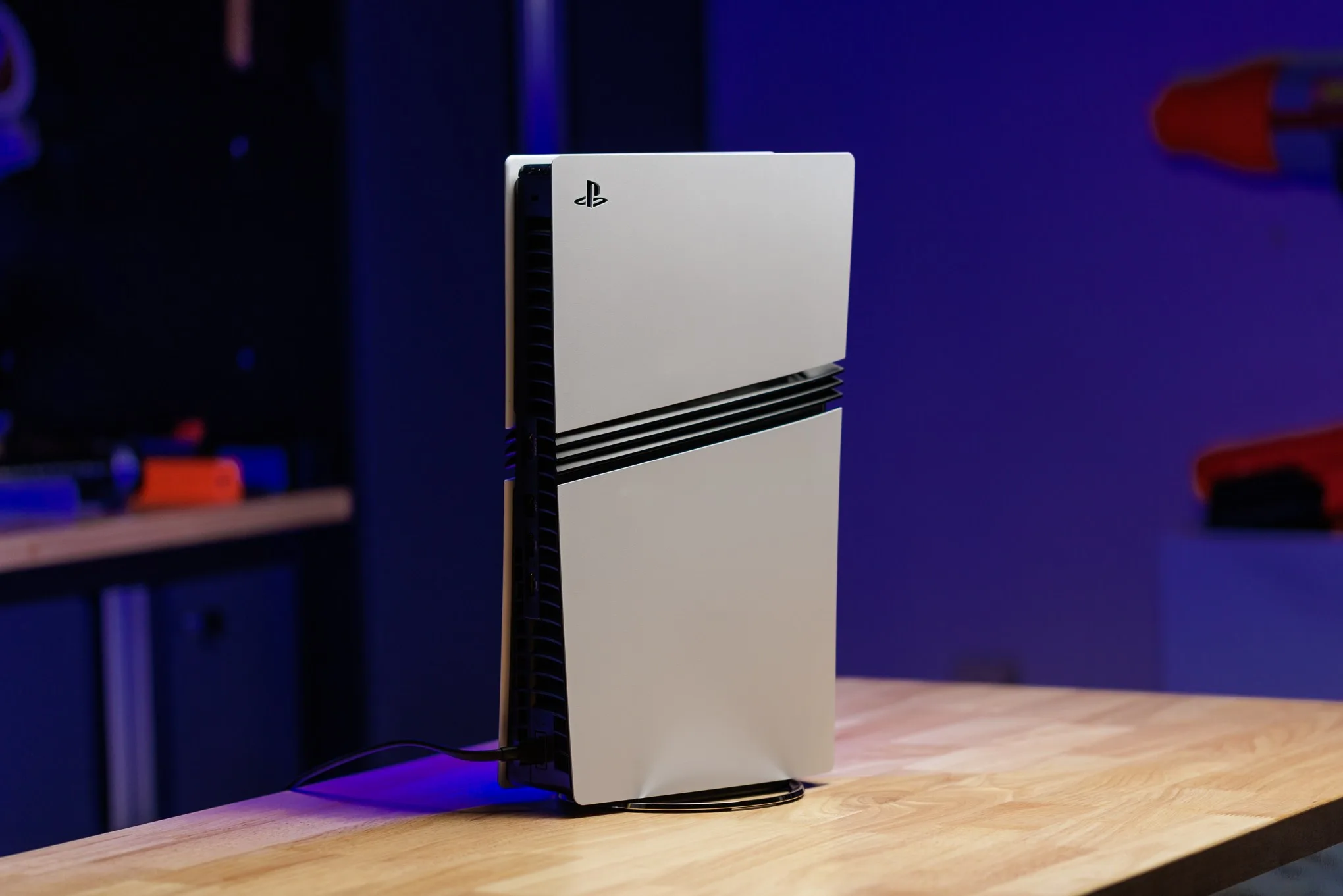
Now, Sony is doing to the disc what the disc did to the cartridge. The company has been normalizing disc-free hardware for years: the PS5 Digital Edition launched in 2020, the PS5 Slim offered a removable disc drive, and the PS5 Pro shipped without a drive by default. Analyst Piers Harding-Rolls of Ampere Analysis called Sony's announcement "a watershed moment for the industry" and predicted that the base PlayStation 6 will ship without a disc drive altogether. Given that the PS6 is not expected before 2028, the same year disc production ends, the two events are almost certainly linked.
Harding-Rolls noted that "Sony is essentially aligning the end of physical production with the start of a new generation that never needs to support discs." The company that brought discs to the living room is now the one taking them out.

What This Means for Players, Retail, and Game Preservation
For the millions of players who still buy physical games, the impact is immediate and personal. The used game market, already under pressure from digital codes and limited-run releases, will see its primary supply dry up, while retailers like GameStop, which rely on physical trade-ins, face an existential threat. Collectors who treasure sealed copies or unique steelbooks will find new releases only as digital files. Boxes containing download codes may survive, but they change the meaning of "physical purchase" entirely, you own a piece of cardboard, not a disc you can resell, lend, or install offline.
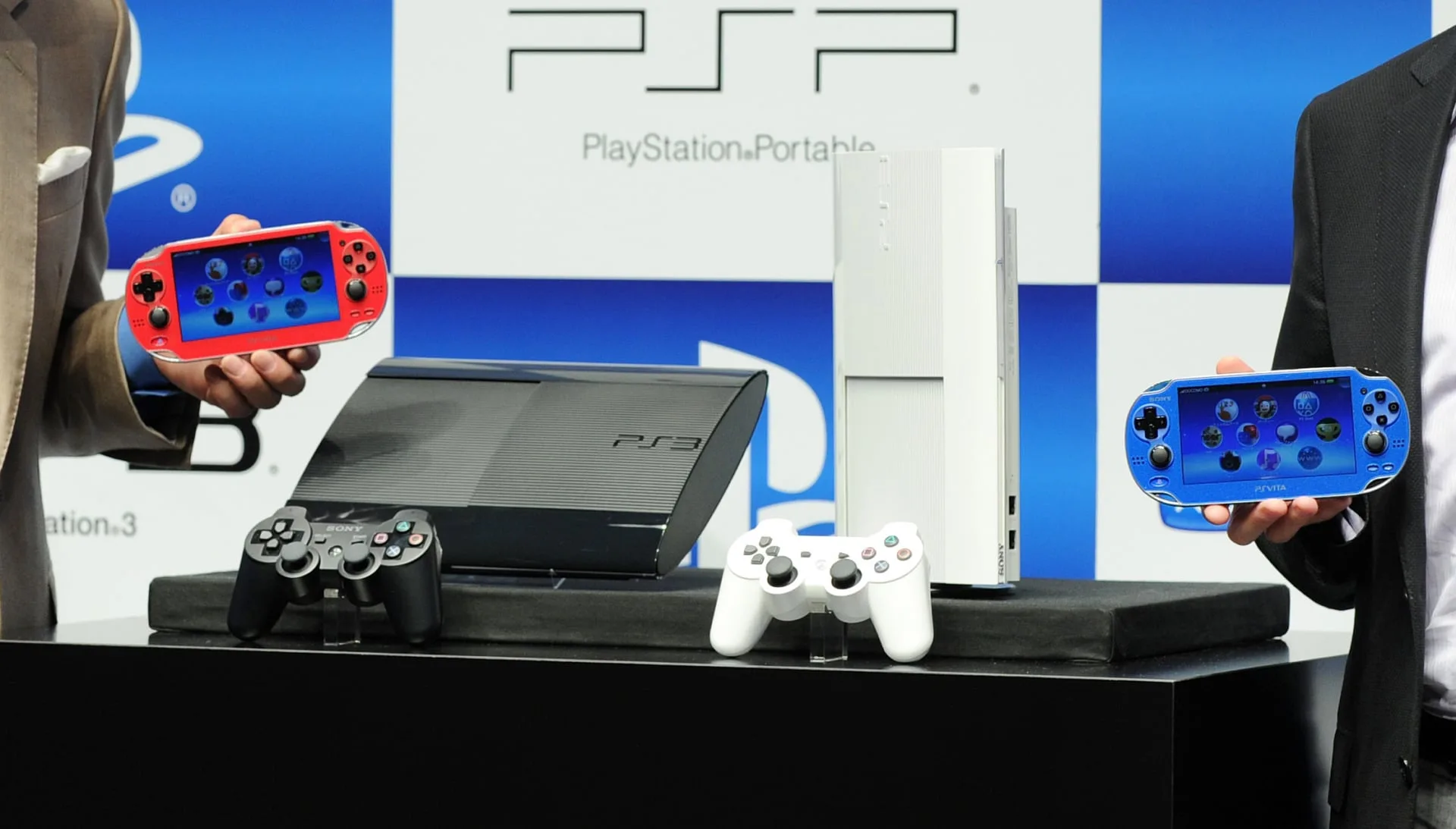
The deeper concern is preservation. Digital-only games depend on servers that can be switched off, storefronts that can be delisted, and licenses that can be revoked. Sony's track record is worrying: the PlayStation Store for PSP was shuttered in 2021, taking many digital-only titles with it. The upcoming PS3 and PS Vita store closures will permanently remove hundreds of games from legal purchase. The 2014 horror demo P.T., which was delisted and is now unattainable on any PlayStation storefront, offers a preview of what a disc-free future could mean for even major titles. Without a disc, games that are not on a hard drive the day servers go dark may vanish forever. Physical discs at least allowed collectors to archive and reinstall titles independently. In a disc-free future, that safety net disappears.
Sony sold 70 million discs in FY25, those players are not a fringe niche. They are a dedicated audience that values ownership, offline access, and the ability to buy and sell used games. The January 2028 deadline gives them less than two years to plan. After that, every new PlayStation game will be a download.
The Legacy of the Disc
Sony's disc decision is the closing chapter of a story it started in 1994. The numbers make the move inevitable, nearly 80% digital purchases and 3% physical revenue leave little room for sentiment. But the symbolism is profound. The company that made discs king is now ending their reign. While physical isn't dead yet (those 70 million discs sold in FY25 prove loyalty remains), the future is unmistakably digital.
January 2028 is only 18 months away. After that, no new game on PlayStation will ever again spin a disc. The next generation of PlayStation will boot straight to a menu, no disc spin, no tray noise, no ritual. Just a library of files and a license that could expire. The era of physical media in the living room, pioneered by a little gray box with a CD tray, will have officially ended.