Sony to End Physical PlayStation Game Discs by January 2028: Full All-Digital Shift Confirmed
Editor’s note: The following piece is an analysis of industry trends and speculation. As of this writing, Sony has not officially announced plans to end physical disc production. The scenarios...

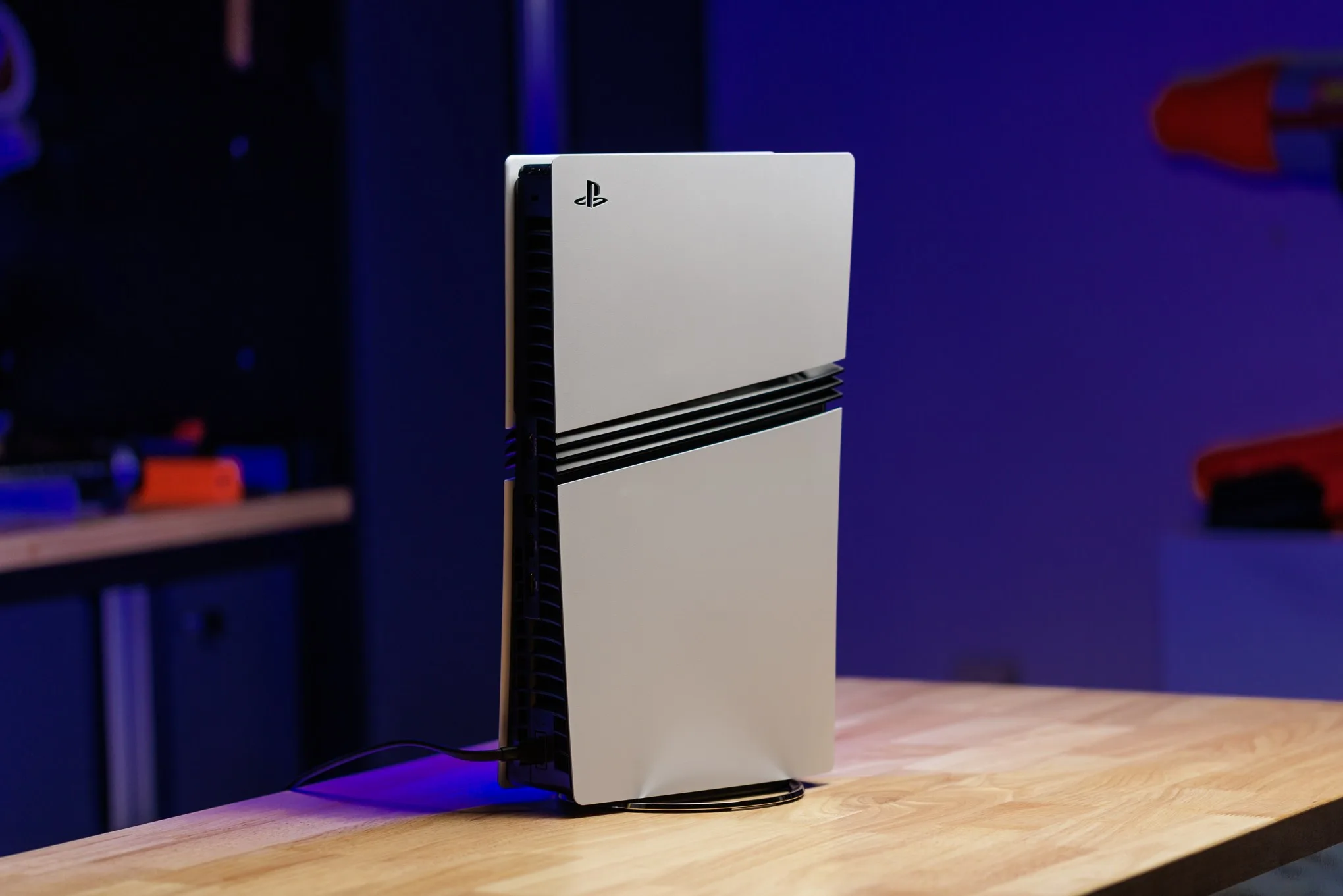
Editor’s note: The following piece is an analysis of industry trends and speculation. As of this writing, Sony has not officially announced plans to end physical disc production. The scenarios described are based on credible analyst projections and community discussion, not confirmed company policy.
For 34 years, the PlayStation brand has been synonymous with disc-based gaming. The original console launched the CD-ROM revolution in 1994 (Japan) and 1995 (United States), replacing cartridges and ushering in an era of full-motion video, CD-quality audio, and cheaper manufacturing. But that era may soon have a formal end date. If Sony were to follow through on persistent industry speculation, the company could set a deadline of January 2028 for new PlayStation game releases to go fully digital, ending physical disc production for both first-party and third-party titles. This would mark a definitive break from the medium that defined the console industry for three decades.
This isn't just a format transition. It's a fundamental shift in how players buy, own, and experience games. With the PS6 on the horizon and parallel store closures for older hardware, Sony appears to be drawing a clear line between the past and the future. But at what cost?
The Hypothetical Announcement, What Sony Could Say
While no official statement has been made, analysts and industry watchers have outlined a plausible scenario: Sony publishes a PlayStation Blog post setting a hard cutoff of January 2028 for all new disc production. The change would be comprehensive. No first-party studio title from Naughty Dog, Santa Monica Studio, or any other internal developer would receive a physical release after that date. Third-party publishers would be bound by the same rules. The move would apply to every new PlayStation game releasing on any console, whether PS5, PS6, or future hardware.
Games released before the deadline would remain available on disc as existing stock, and production would continue until the cutoff. That would give roughly 18 months from the announcement, which could come as early as mid-2026, for publishers and manufacturers to wind down disc manufacturing. After January 2028, new titles would be available exclusively through the PlayStation Store and at retail in digital format only.
Sony would likely cite "consumer preferences and the broader entertainment industry continuing to shift away from physical discs to digital" as the rationale. The music and film industries have already seen steep declines in CD and Blu-ray sales, and gaming has been trending in the same direction for years. Sony's own PS5 Digital Edition, launched in 2020, was a clear signal of where the company believed the market was heading.

The End of an Era, From the Original PlayStation to the Digital Age
The original PlayStation launched in 1994 in Japan and 1995 in the United States. It was the first major console to adopt CD-ROMs as its primary game medium, effectively killing the cartridge format. That decision changed everything. Full-motion video became possible. CD-quality audio elevated game soundtracks. Manufacturing costs dropped, enabling a flood of new titles and genres. The PlayStation became a cultural phenomenon.
Now, the same company that pioneered disc-based gaming could be ending it. The symbolism is difficult to overstate. The PS1's disc drive was a revolution. The PS5's disc drive appears increasingly anachronistic. Sony would not simply be following industry trends; it would be actively closing the chapter it opened.
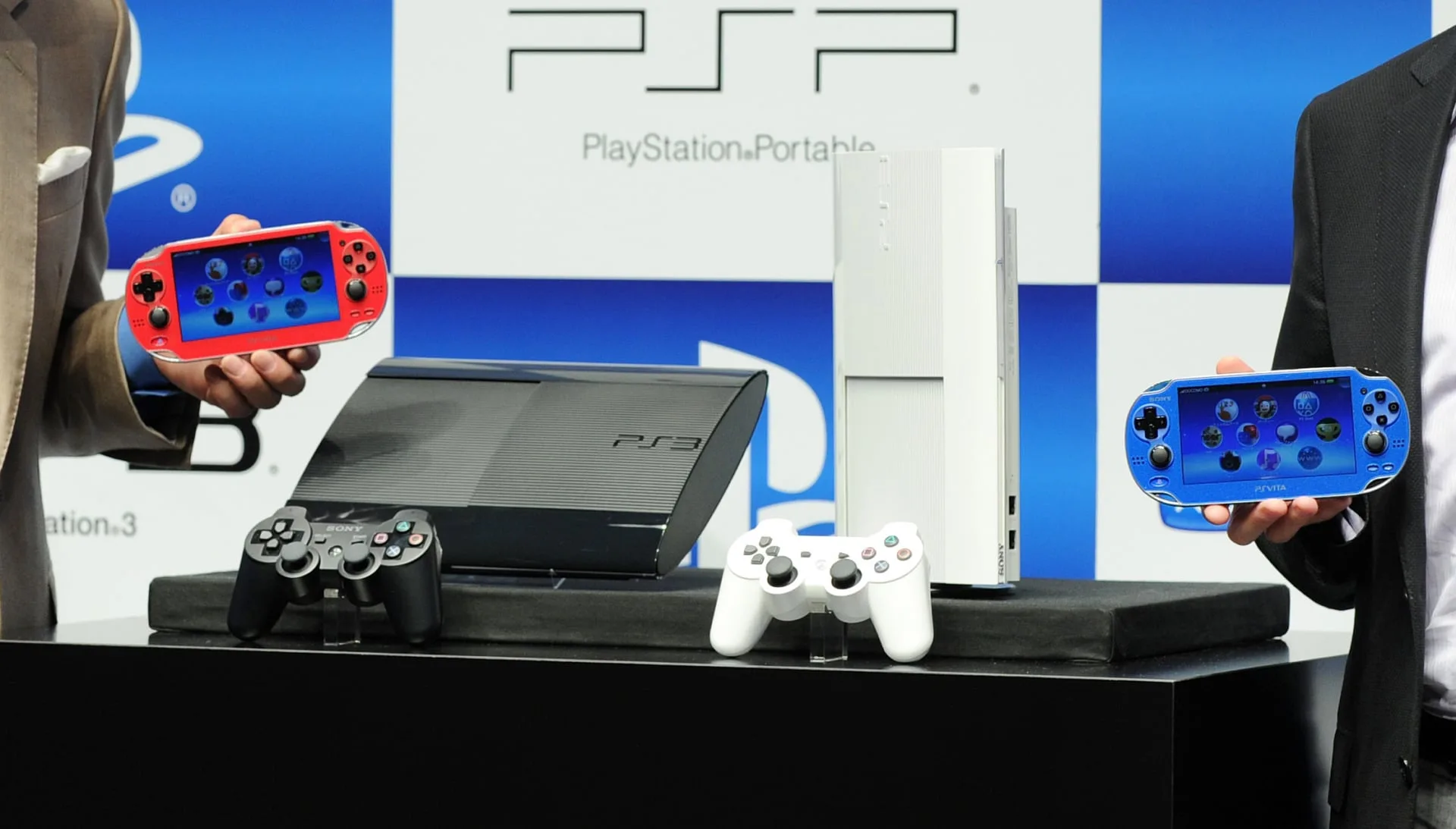
This would not be an isolated move. Sony has already closed the PS3 and PS Vita online stores in some territories, a decision that reinforces the digital-only push. Players who still buy games for those older systems have lost access to digital purchases and online storefronts entirely. Taken together, these decisions paint a clear picture: Sony wants to sever ties with the physical past entirely.
What This Would Mean for Gamers, Ownership, Preservation, and Retail
The loss of physical discs carries tangible consequences for players. Discs can be resold, traded, loaned, or kept without any online authentication. Digital purchases are tied to accounts and servers. When those servers shut down, as the PS3 and Vita closures demonstrate, the games can become unplayable.
Preservationists and game historians are sounding alarms. With digital-only distribution, games can be delisted, removed, or forgotten. Titles that don't sell well may never be archived. The cultural record of gaming, already fragile, becomes even more dependent on corporate goodwill. The PS3 and Vita store closures are a stark reminder that "you will own nothing" is not just a slogan for PC software.
Retail is another casualty. GameStop and other brick-and-mortar stores that rely on used game sales would be hit hard. New game sales may shift entirely to digital storefronts, cutting out physical retailers and reducing competition. In regions with poor internet or limited payment methods, digital-only distribution creates real barriers to access. Not everyone has a reliable broadband connection or a credit card.
Sony's hypothetical decision would also eliminate the used game market for future titles. Players would no longer be able to buy a pre-owned copy of a new release or trade in games to offset the cost of new ones. The economic model of physical gaming, built on resale and sharing, disappears entirely.

The Future, PS6 and the All-Digital Console
Industry analyst Piers Harding-Rolls of Ampere Analysis has suggested that such an announcement would have major implications for the PlayStation 6. If Sony ends disc production for new games by 2028, the PS6, which could launch around that same timeframe, may be an all-digital console by default. A disc drive might be sold as an optional accessory, but the standard model would likely ship without one.
This move would serve as a transition period. Sony could phase out physical editions of the PS5 in the years leading up to 2028, making the digital-only PS5 the standard long before the deadline. First-party studios and third-party publishers would adapt: no more retail disc manufacturing costs, but also no more competition from the used game market.
Potential backlash would be significant. Sony would need to address concerns about game preservation, pricing, and digital rights management. The company has already faced criticism for its approach to backward compatibility and store closures. An all-digital future requires trust that games will remain accessible and fairly priced. That trust has been strained.
The Bigger Picture, Industry Trends and Gamer Reactions
Microsoft has explored all-digital Xbox strategies with the Series S and discless Series X models, but Sony would be the first console maker to set a firm, public deadline for ending disc production entirely. Nintendo has not made a similar move, though its games have increasingly moved toward digital sales. If Sony's transition succeeds, it could set a precedent for the entire industry.
Gamer reactions are mixed. Some welcome the convenience of digital downloads, the lower cost of digital-only consoles, and the elimination of physical clutter. Others mourn the loss of physical collections, the thrill of opening a new game case, and the ritual of the retail experience. The debate touches on deeper questions: What does it mean to own a game? Who controls access? What happens when the license you purchased is revoked?
The long-term implications go beyond format. Physical discs are not just discs. They are a symbol of consumer rights, preservation, and choice. When gaming goes all-digital, those rights are ceded to the platform holder.
Beyond the Disc, What We Gain and What We Lose
If Sony were to end physical disc production by January 2028, it would close a 34-year chapter in gaming history. The original PlayStation made discs the standard. Now the same company is moving on. The transition offers convenience and cost savings for Sony, and for many players, digital is already the preferred way to buy and play games.
But the loss is real. The ability to buy, sell, share, and keep a physical copy of a game is not a trivial feature. It is a right that digital distribution erodes. Game preservation becomes harder. Retail workers lose jobs. Regional access becomes uneven. And the act of buying a game becomes a lease, not a purchase.
As the PS6 era approaches, the industry and players must decide what is truly lost when gaming goes all-digital. The end of the disc is not just a format change. It is a fundamental shift in how we buy, own, and experience games. The disc may be dying, but the conversation about what replaces it has only just begun. What would you be willing to give up for an all-digital future?