PlayStation Store on PS3 and Vita to Close by July 2027: A Definitive Timeline and Analysis
The Announcement: A Phased Closure and Timeline Sony officially published the news via a PlayStation Blog post by Sid Shuman, Senior Director of Sony Interactive Entertainment Content Communications....

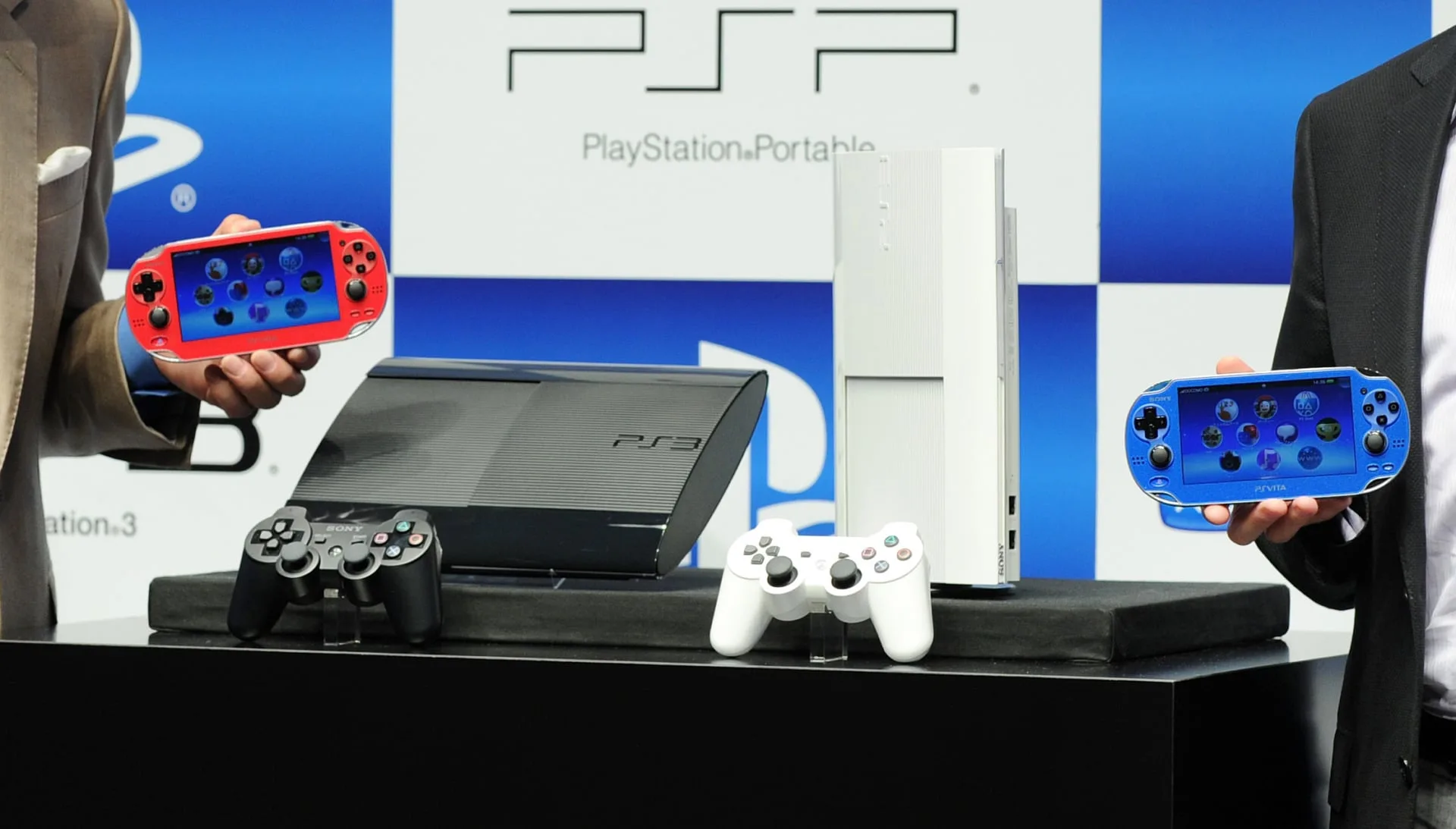
The Announcement: A Phased Closure and Timeline
Sony officially published the news via a PlayStation Blog post by Sid Shuman, Senior Director of Sony Interactive Entertainment Content Communications. The store closure is structured as a regional rollout, beginning with Mexico, Honduras, and Nicaragua in August 2026. Additional Latin American and Middle Eastern countries will follow in late 2026, before a global closure for both platforms in July 2027.
After the store shuts down, users will still be able to download previously purchased content for the foreseeable future. However, no new purchases will be possible. For players who have built digital libraries over the past two decades, this represents a firm deadline to buy any remaining titles they might want.
The announcement arrived exactly five years after Sony reversed its original 2021 closure plan. That earlier decision was met with such intense community backlash that then-PlayStation boss Jim Ryan publicly conceded, "it's clear that we made the wrong decision here." The 2026 strategy, with its extended timeline and gradual regional approach, suggests Sony has learned from that misstep, or at least chosen a slower path to the same destination.
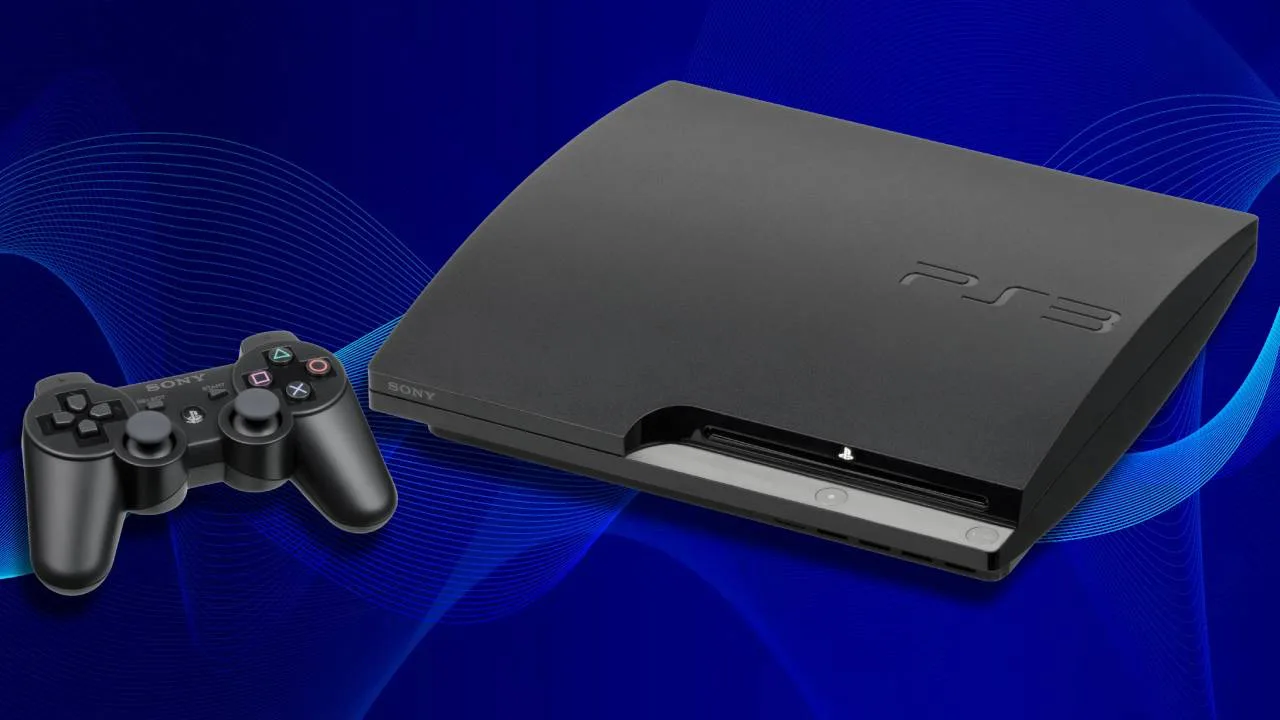
Why Now? Technical Reasons and the 2021 Reversal
Sony's official reasoning centers on technical limitations. The company cites evolving commerce systems and updated payment processing standards that the aging PS3 and PS Vita can no longer support. This justification echoes the 2021 explanation, and many industry observers note the consistency. The PS3 launched in November 2006, nearly 20 years ago, and the PlayStation Store debuted alongside it. The Vita launched in December 2011. Both platforms are built on architectures that have long since been abandoned by Sony's infrastructure teams.
The technical argument is plausible. Payment security standards have advanced significantly since the mid-2000s, and maintaining compatibility with legacy hardware becomes increasingly difficult as backend systems are modernized. However, critics point out that Nintendo continues to support the Wii U and 3DS eShops (though those eventually closed), and Microsoft still allows purchases on Xbox 360. The difference lies in Sony's aggressive push toward consolidation.
The 2021 reversal remains a pivotal moment. Jim Ryan's admission that "we made the wrong decision" was a rare act of corporate humility. But five years later, the closure is proceeding regardless. The community backlash has not been as loud this time, possibly because the phased rollout gives players more time, or perhaps because the reality of an all-digital future has become normalized.
The Bigger Picture: Sony's All-Digital Shift
The store closure announcement was made on the same day Sony revealed it will end physical PlayStation game disc production in January 2028. From that point forward, all new games will launch as digital-only releases. Together, these two decisions represent a major inflection point for the company.
Sony is cutting off legacy digital storefronts while simultaneously phasing out physical media. This aligns with industry trends: Microsoft has pushed an all-digital Xbox Series S and discontinued the disc-based Xbox One X, and physical game sales have been declining for years. Sony's PS5 Digital Edition and the growing importance of PlayStation Plus subscriptions reinforce this direction.
But the dual announcement raises pressing questions about game preservation and consumer rights. The PS3, which sold 87.4 million units globally, has a massive digital-only library that includes PS1 Classics, minis, and PSP ports. The PS Vita, with an estimated 10 to 15 million units sold (Sony never provided an official figure), also hosts unique games that never received physical releases. Once the store closes, new purchases become impossible, and there is no backward compatibility pathway for PS3 games on PS5. Vita games remain trapped on dedicated hardware with no forward migration option.
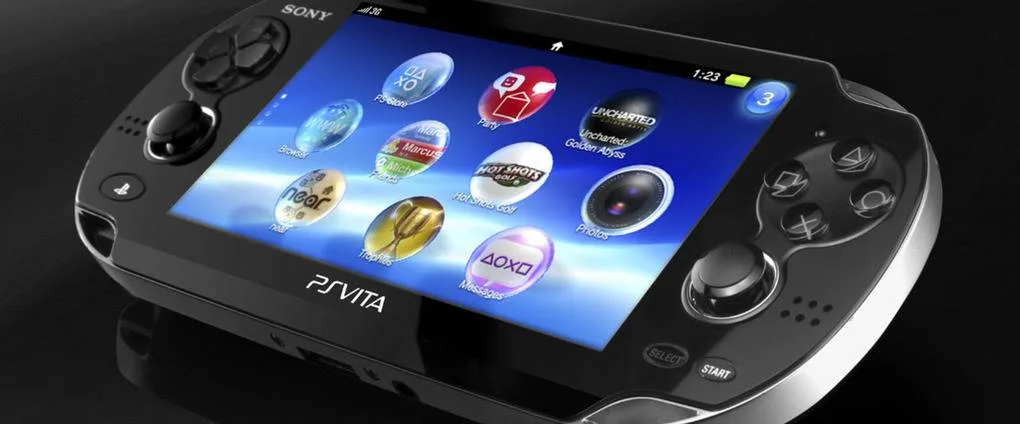
What This Means for Gamers: Preservation, Downloads, and Legacy
For players who own a PS3 or PS Vita, the immediate impact is straightforward. They have roughly one year to purchase any remaining games they want from the PlayStation Store. After July 2027, only previously purchased content will be downloadable. Anyone who missed a title, or cannot afford to buy everything now, will likely lose access forever, unless unofficial preservation efforts fill the gap.
The digital libraries on these platforms are vast and idiosyncratic. Many classic titles are only available through the PS3 store. For example, Puppeteer and Tokyo Jungle remain exclusive to the PS3's digital storefront, with no physical release or modern port. Some are delisted already due to licensing issues, but others linger. The community has already turned to archival projects, but Sony's digital ecosystem lacks a formal preservation initiative. The company has not announced any plans to make these games available on modern hardware, unlike Microsoft's backward compatibility program or Nintendo's Nintendo Switch Online retro libraries.
The phased closure provides a clearer timeline than the abrupt 2021 proposal, but it also creates a sense of urgency. Collectors and archivists have already begun cataloging what is available. For casual players, the recommendation is simple: check your wishlists and download lists now. The store will not go dark overnight, but the window is closing.
The End of an Era: What the Next Year Means for PlayStation's Legacy
The closure of the PlayStation Store on PS3 and PS Vita, paired with the end of physical discs, closes a chapter that began in 2006. That year, the PS3 launched with a revolutionary digital storefront that promised a future of convenient access to games. Nearly two decades later, that promise is being rewritten.
Sony frames this as necessary technical evolution, and there is truth to that. Maintaining legacy systems costs money and engineering resources that could go toward new platforms. But the move also risks alienating a nostalgic fanbase and undermines the long-held ideal of digital ownership. If you buy a game on a digital store, you expect to access it as long as the hardware works. When the store closes, that expectation evaporates.
Sony could still offer a simple preservation solution: relicense a curated selection of classics for PS5, much like Microsoft did with its backward compatibility program. But so far, the company has remained silent on such plans. For collectors, archivists, and casual players alike, the next year offers a final window to claim a piece of gaming history, before two of Sony's most beloved platforms go permanently offline in the digital realm. The loss is not just nostalgic; it represents thousands of games that will become effectively unplayable for anyone who didn't buy them in time.