Starfield on Switch 2? Analyzing the Leaked Rating and Port Possibility
A new entry in a Taiwanese government database has sent a shockwave through the gaming sphere. The discovery suggests that Bethesda Game Studios’ monumental space RPG, Starfield , a title once...

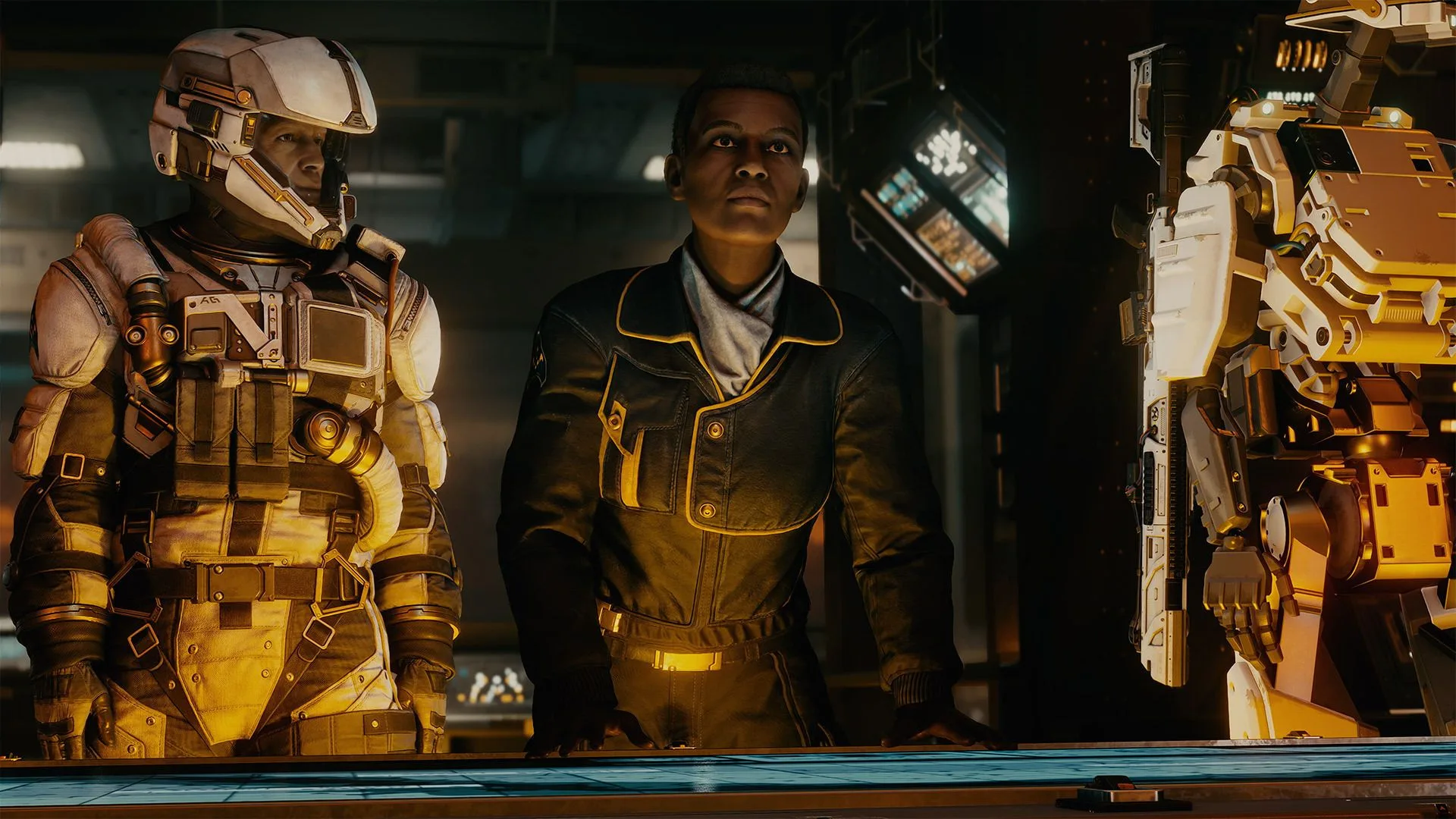
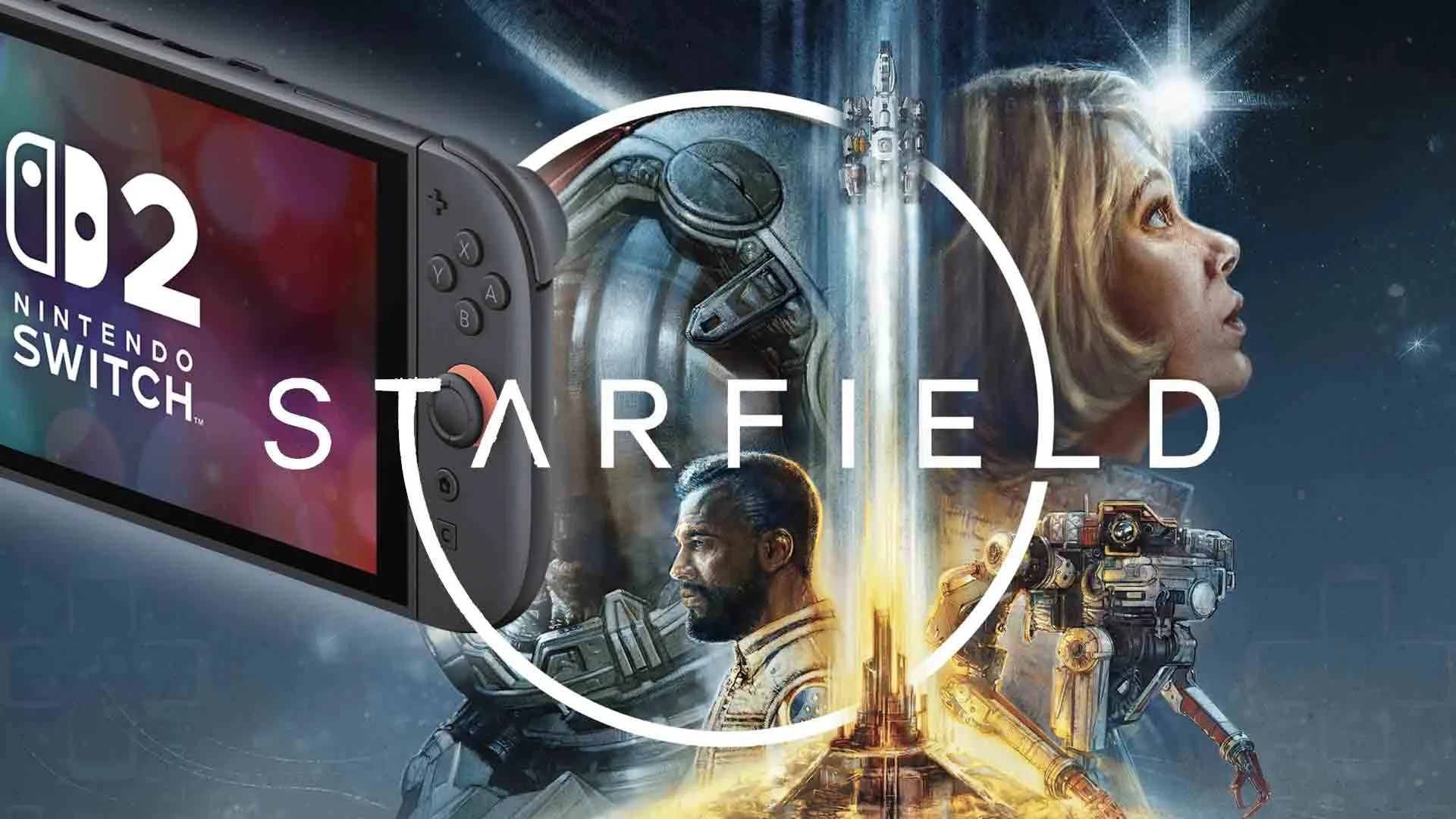
A new entry in a Taiwanese government database has sent a shockwave through the gaming sphere. The discovery suggests that Bethesda Game Studios’ monumental space RPG, Starfield, a title once synonymous with Xbox exclusivity, may be charting a course for the Nintendo Switch 2. This leak raises immediate and profound questions. Is this the next logical step in Microsoft’s evolving platform strategy, or is it a bureaucratic error? More pressingly, could Nintendo’s next-generation hardware possibly run a game that has challenged far more powerful systems? We’re dissecting the evidence, the strategy, and the staggering technical implications behind this potentially galaxy-sized port.
For the purpose of this analysis, we are projecting a speculative timeline where recent multi-platform releases have set a new precedent, allowing us to examine the plausibility and impact of such a move.
The Leak: What the Taiwan Rating Reveals
The rumor originates from a concrete, official source. According to a report from the reputable outlet Universo Nintendo, a listing for Starfield was filed with the Taiwan Entertainment Software Rating Information board. The key detail is the listed platform: Nintendo Switch 2.
The rating itself is categorized as "R" (Restricted), citing mature content including violence, drugs, and inappropriate language. This classification is perfectly consistent with the existing ratings for Starfield on other platforms. The significance lies not in the rating's content, but in its existence for this specific, unannounced platform. Regional ratings boards typically require formal submissions from publishers or their local representatives, making such listings a historically reliable precursor to official announcements. This isn't mere forum speculation; it's a paper trail.
From Exclusive to Multi-Platform: Microsoft's Shifting Strategy
To understand why this leak is plausible, one must look at Starfield’s journey from flagship exclusive to multi-platform experiment. The game launched as the definitive experience for Xbox and PC, a cornerstone of Microsoft’s gaming identity following its acquisition of Bethesda parent company ZeniMax Media.
That exclusivity was formally challenged in our projected scenario with the release of a PlayStation 5 port. This version, featuring platform-specific integrations, signaled a serious commitment and represented the clearest signal yet of a more flexible approach to software distribution, prioritizing reach over walled gardens.
Furthermore, Microsoft has already laid groundwork on Nintendo platforms. Bethesda’s The Elder Scrolls V: Skyrim found a home on the original Nintendo Switch, and titles like Fallout 4 have been confirmed for the Switch 2. The precedent for bringing massive Bethesda RPGs to Nintendo hardware is established. A Starfield port would be an ambitious escalation of this existing pattern, not an entirely new direction.
The Technical Hurdle: Can Switch 2 Handle Starfield?
This is the multi-billion-credit question that has sparked intense skepticism from both the community and technical analysts. Starfield is notoriously demanding, with a vast, physically simulated universe, complex AI routines, and dense urban areas that have pushed even high-end PCs to their limits. In our analysis, a hypothetical PS5 port would set a public benchmark for the game’s inherent technical challenges on console hardware.
The Nintendo Switch 2, while a significant leap over its predecessor, is still expected to be a mobile-first, power-constrained device compared to stationary consoles. Porting Starfield would represent one of the most ambitious technical feats in recent memory. Analysts suggest two potential paths: a heavily scaled-down native version, requiring dramatic reductions in texture quality, draw distance, and possibly even scene complexity, or a cloud-streaming version. Either solution comes with major compromises, making the pursuit of this port a statement of intent as much as a technical exercise.
The Commercial Calculus: Does a Port Make Sense?
Even if the technical obstacles could be overcome, a successful port must also clear the high bar of commercial sense. The commercial rationale is a complex equation. A projected PS5 port, released in this scenario, might provide a modest sales data point for the game’s appeal on a new platform years after its initial launch. This performance would exist in a competitive market; one could envision a scenario where other major RPGs compete directly for audience attention and sales.
The argument for a Switch 2 port hinges on accessing a fundamentally different audience—the massive, dedicated Nintendo install base that largely missed the game. It would be a play for extended longevity and incremental revenue, betting that the novelty of a portable Starfield would outweigh the game’s age and potential technical limitations. The investment required for such a complex port would be substantial, meaning Microsoft and Bethesda must believe the Switch 2 audience represents a significant, untapped market.
Official Silence and the Road Ahead
As of this speculative analysis, the leak exists in a vacuum of official confirmation. In a real-world scenario, neither Bethesda, Microsoft, nor Nintendo would have announced a Switch 2 port. The industry standard is to announce such partnerships at major showcases, which would make an event like an Xbox Games Showcase a logical and highly anticipated venue for any potential revelation.
It is crucial to manage expectations. While a regional age rating is among the strongest forms of evidence short of an official press release, plans in the gaming industry can and do change. The listing would confirm active consideration and likely development, but not a guaranteed release date or final feature set.
The leaked Taiwanese rating is a compelling beacon pointing toward a future where Starfield could complete its journey from Xbox exclusive to a title available on all major platforms. It aligns with a broader, more open corporate strategy. However, the path between this leak and a playable game on Switch 2 is strewn with asteroid fields of technical challenge and commercial risk. While the upcoming industry calendar may bring such rumors into the light of day, for now, the prospect remains a captivating test case—one that could ultimately redefine what games are considered possible on hybrid hardware and signal a true end to the era of platform exclusivity.