OPUS: Prism Peak Dethrones Pokémon Pokopia as 2026's Top-Rated Game: A Critical Analysis
In the data-driven world of video game criticism, a new name has reached the summit—for now. As of April 17, 2026, the title of the year’s highest-rated game on OpenCritic’s “Top Rated” list has...


In the data-driven world of video game criticism, a new name has reached the summit—for now. As of April 17, 2026, the title of the year’s highest-rated game on OpenCritic’s “Top Rated” list has changed hands. The beloved, record-breaking life simulator Pokémon Pokopia has been overtaken by OPUS: Prism Peak, a narrative adventure from a comparatively smaller studio. This shift is more than a simple stat change; it’s a revealing case study in the volatility of early review aggregates, the distinct lenses of different scoring platforms, and what constitutes a "top" game in 2026.
The New Champion: A Precious but Precarious Peak
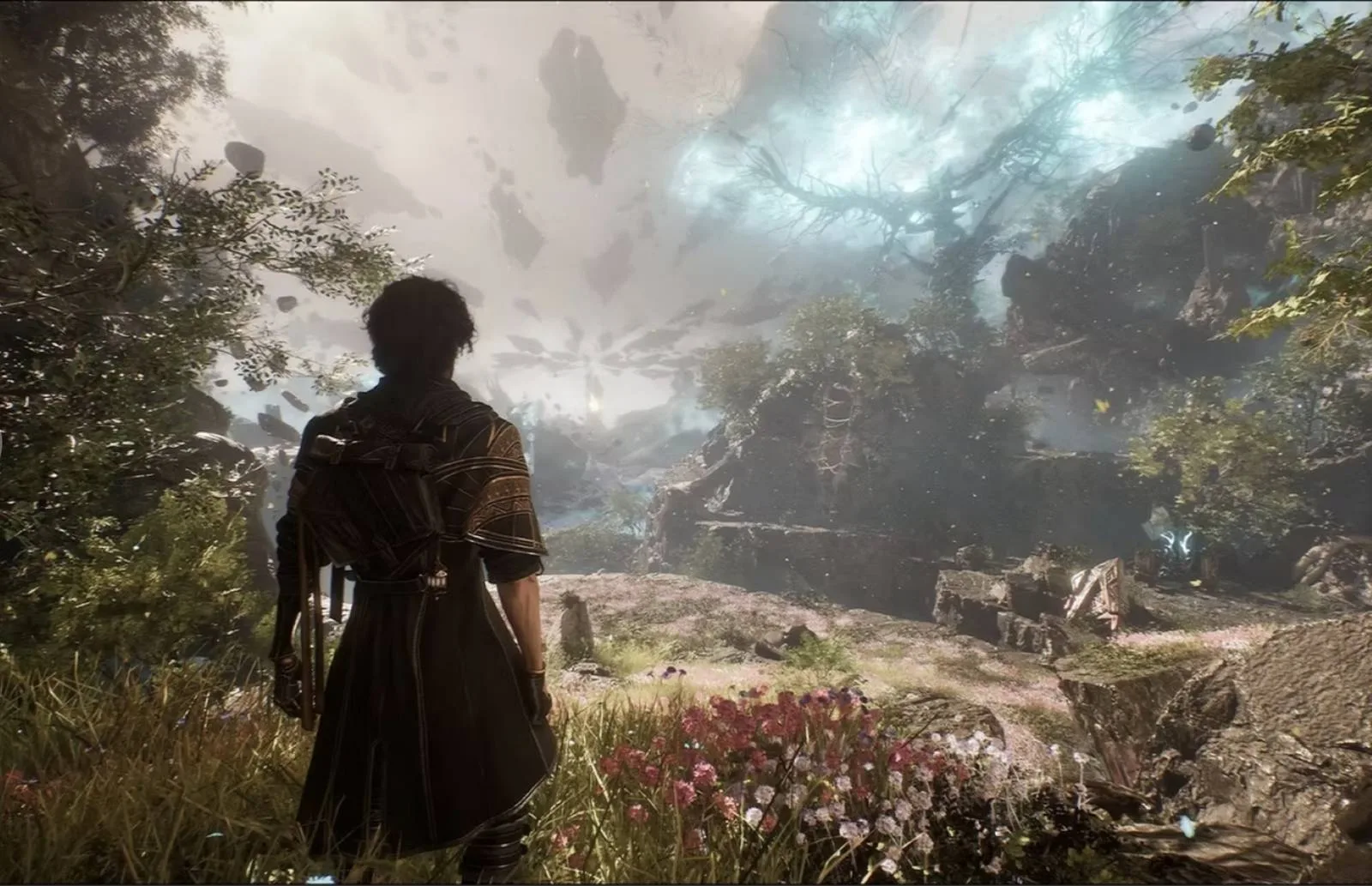
Released on April 16, 2026, for PC, OPUS: Prism Peak arrived with little of the franchise fanfare that typically dominates the cultural conversation. Developed by SIGONO INC.—the studio behind the acclaimed OPUS series—and published by Shueisha Games, the title is a narrative-driven adventure focused on exploration and emotional storytelling. Within a day, it amassed enough critical praise to achieve an OpenCritic score of 91, officially pushing it to the number one position for the year.
A crucial caveat, however, defines this victory. This leading score is based on a pool of only 16 professional critic reviews. In the world of review aggregation, this is a remarkably small sample size, making the score inherently volatile. The unanimous early praise is significant, representing a powerful critical first impression, but it is not a settled consensus. The game’s position is prestigious but statistically fragile, a stark contrast to the broad, established validation of its predecessor.

The Dethroned Titan: Stability in Scale
To understand the nuance of this shift, one must appreciate the titan that has been displaced. Released on March 5, 2026, Pokémon Pokopia represented a bold and successful evolution for the franchise into the life simulation genre. It didn’t just become a front-runner; it made history. With a Metacritic score of 89, it officially became the highest-rated Pokémon game of all time, surpassing the previous record held by Pokémon Y.
Its journey to the top was itself a notable feat, first dethroning the survival-horror powerhouse Resident Evil Requiem. Its OpenCritic score of 90 is drawn from a substantial 99 reviews, a volume that lends its high average considerable stability. Pokopia’s position seemed solidified by both high marks and extensive critical appraisal, making its overtaking by a narrative-focused PC game—based on a fraction of the reviews—a fascinating statistical event.
Divergent Lenses: Critics, Players, and the Aggregator Divide
This ranking shuffle puts a spotlight on the mechanics and meaning behind review aggregators, revealing there is no single "winner."
The core of the analysis lies in the review volume: 16 for OPUS: Prism Peak versus 99 for Pokémon Pokopia. Pokopia’s 90 is a robust average from a wide range of outlets, unlikely to fluctuate dramatically. Prism Peak’s 91, while impressive, is far more susceptible to change as additional reviews are published. A handful of dissenting scores could noticeably alter its standing, highlighting the precarious nature of early aggregate leads.
Furthermore, the story changes entirely depending on which aggregator lens you use. While OpenCritic’s list reflects professional critics, Metacritic’s user score side tells a different tale. There, the action-RPG Clair Obscur: Expedition 33 leads with a formidable 9.5/10, followed closely by Resident Evil Requiem at 9.4/10. Pokémon Pokopia holds a strong user score of 8.6/10, illustrating a healthy, if not leading, player reception. This divergence underscores the often distinct perspectives between critical appraisal and broader player sentiment.
The competitive depth of 2026 is also on full display. The race isn’t just between two games. Titles like Lost and Found Co. (90), Resident Evil Requiem (89), Mewgenics (89), and Hermit and Pig (89) are all clustered near the top, representing a year of exceptional quality across indie, AA, and AAA spectrums.

What This Moment Captures About 2026
The sudden rise of OPUS: Prism Peak signals several intriguing trends. First, it demonstrates the potent appeal of a polished, emotionally resonant narrative experience, proving that a focused story can capture the highest critical acclaim even against the gravitational pull of a global franchise.
Second, this event suggests 2026 is shaping up to be a year defined by exceptional quality across wildly different genres. From life sims and survival horror to narrative adventures and quirky deck-builders, critical darling status is being achieved through diverse means. This healthy competition benefits everyone, pushing developers toward polish and innovation.
Finally, it poses a compelling question about longevity. Can a narrative-focused game like Prism Peak maintain its critical lead in the long term against evergreen titles or games with ongoing content? While its story may be a one-time experience, the impact of that experience, as reflected in near-perfect early scores, is currently undeniable.
Conclusion: A Snapshot of a Dynamic Year
The throne at the top of 2026’s critical rankings is proving to be a dynamic seat. OPUS: Prism Peak’s ascension is a remarkable achievement for SIGONO, but its reign is new and built on a statistically narrow foundation. The true takeaway from this shuffle is overwhelmingly positive: players are in the midst of a year where critical excellence is emerging from both expected franchises and unexpected gems.
This ranking is a snapshot—a moment in time that captures a fascinating clash of scale, genre, and methodology. The 16-review lead of Prism Peak and the 99-review stability of Pokopia together tell the most important story: in the data-driven world of game scores, context is king. As more major titles launch and review pools deepen, the leaderboard will undoubtedly evolve again. For now, it celebrates a year where quality has many faces, and the race for the top is thrillingly wide open.