Iron Galaxy's Second Wave of Layoffs: Examining the Studio's Struggle for Stability in a Shifting Industry
In April 2026, Iron Galaxy announced its second major layoff in just over a year, rendering its previous claim that the first cuts were a "last resort" for survival a hollow promise. This news...


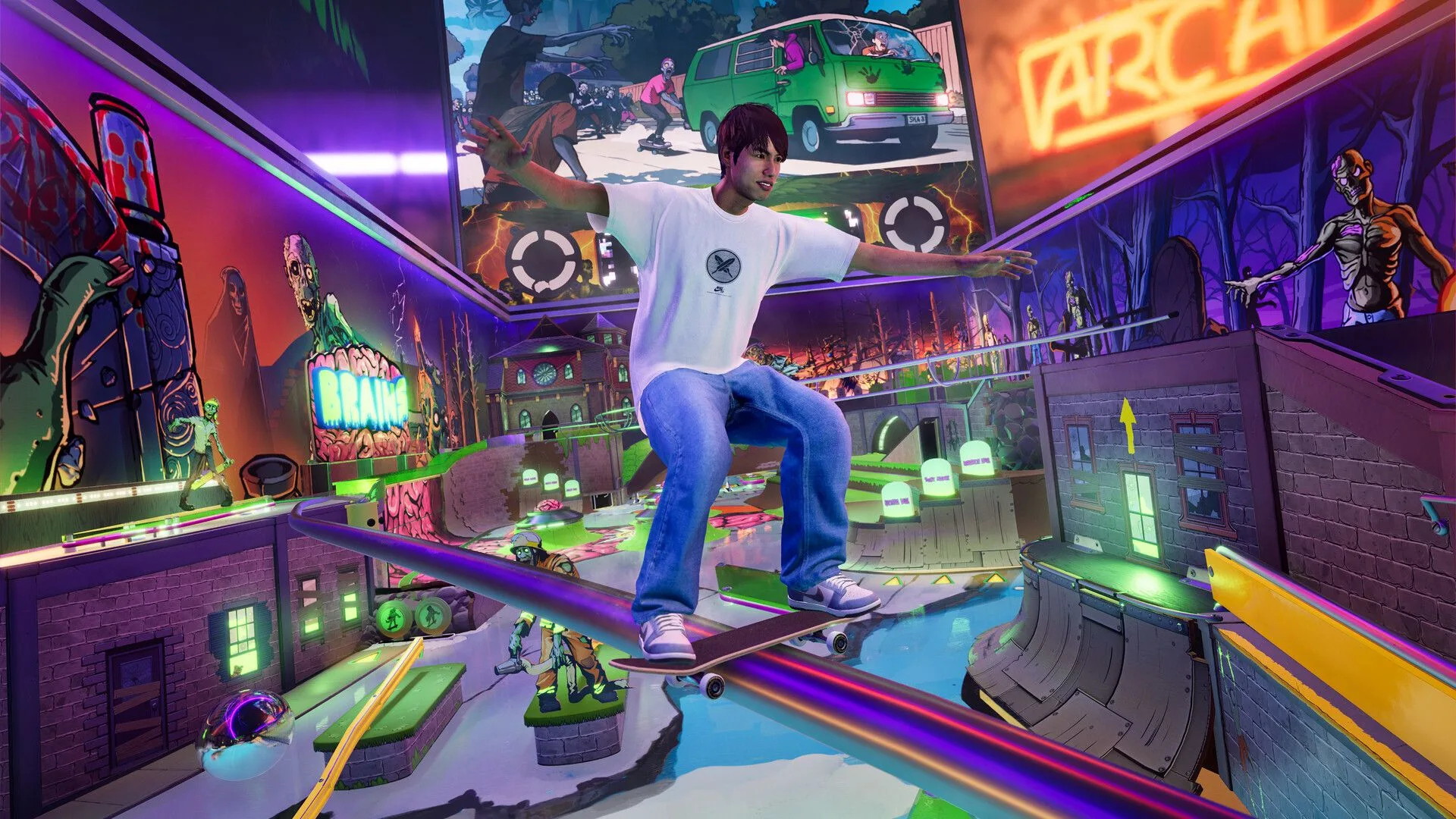
In April 2026, Iron Galaxy announced its second major layoff in just over a year, rendering its previous claim that the first cuts were a "last resort" for survival a hollow promise. This news arrived as the studio was enjoying acclaim for Tony Hawk’s Pro Skater 3 + 4, a success that starkly contrasted with the internal turmoil. The 2026 announcement contained a devastating admission: even after the drastic 2025 downsizing, the current team size was "impossible to sustain." This contradiction—between celebrated output and repeated contraction—lays bare a profound struggle for stability at a major co-development studio, forcing a deeper examination of what "survival" means in today's volatile games industry.
The Layoffs: A Timeline of Contradiction and "Painful Decisions"
The narrative of Iron Galaxy’s workforce reduction is a story in two brutal chapters. The first, in early 2025, saw 66 employees lose their jobs. The studio’s language at the time framed this as an extreme, final measure. It was a "last resort," a necessary amputation for the health of the whole organism, taken to ensure the company’s future.
The second chapter began on April 17, 2026. The studio announced another round of layoffs, with reports indicating the cuts reportedly affected approximately 90 employees. The corporate messaging had shifted significantly. No longer a one-time "last resort," the new statement revealed that the 2025 downsizing had been insufficient. The company now stated it was making "painful decisions" to adapt to what it termed a "new normal," citing fundamental changes in player consumption habits and publisher investment strategies. The gap between the "last resort" of 2025 and the "still unsustainable" reality of 2026 highlights a planning crisis and the ferocious speed of market change.
Iron Galaxy's Identity Crisis: From Porting Powerhouse to Original IP Gambit
To understand these cuts, one must examine Iron Galaxy’s dual identity. For years, the studio built a formidable reputation as a premier co-development and porting specialist. Its technical prowess was evident in work on the revival of Killer Instinct, contributions to the Batman: Arkham and Borderlands series, and, more recently, the PC version of The Last of Us Part 2 Remastered. This was reliable, respected contract work.
The pivot came with Rumbleverse. Launched in August 2022, this original, live-service brawler battle royale represented a high-stakes gamble to step out from behind the scenes and build an owned IP. The gamble failed. Despite a novel premise, the game was shut down just six months later, in February 2023. The financial and resource drain of developing, launching, and supporting—then sunsetting—a live-service title is immense. This failure likely created a strategic and financial hole that even the steady revenue from its renowned porting work could not easily fill. The studio found itself caught between the safe harbor of contract work and the stormy seas of original development, a conflict that may have directly precipitated its need for repeated restructuring.

Leadership Shifts and the Industry's "New Normal"
This period of turmoil also coincided with a change at the top. In August 2024, co-CEO Adam Boyes, a prominent figure with a deep background from his time at PlayStation, departed the company. This left Chelsea Blasko as sole CEO, tasked with steering the studio through this instability.
The "new normal" Iron Galaxy cites is not unique to its halls. It reflects industry-wide tremors: publisher consolidation leading to more cautious spending on external partners, the extreme volatility and high upfront cost of the live-service model, and a post-pandemic market correction. Iron Galaxy’s story is a concentrated case study of this broader trend. It is a mid-sized studio that expanded, took a calculated risk on a trending business model (Rumbleverse), and is now contending with the aftermath in a market that has significantly cooled on such ventures. Their layoffs are a local symptom of a global industry condition.
The Human Cost and an Uncertain Future
Behind the corporate statements and strategic analyses lies a profound human cost. These are not abstract "workforce reductions" but consecutive waves of upheaval for talented developers. Among those affected in the 2025 round was David Dague, the former communications lead known to many as Bungie’s "Deej." The loss of such high-profile, culture-setting figures, combined with the demoralizing effect of a second major layoff so soon after the first, risks a crippling talent drain. It challenges ongoing project quality and damages the studio’s reputation as a stable place to work, potentially hindering future recruitment.
The central question now is one of trajectory. Can Iron Galaxy find stability by retreating firmly to its co-development and porting roots, leveraging the proven success of projects like THPS 3+4? Or has the financial and strategic shock of the Rumbleverse era, compounded by industry pressures, trapped it in a downsizing spiral from which recovery is exceedingly difficult?
The paradox of Iron Galaxy is potent: a studio capable of delivering polished, celebrated work like Tony Hawk’s Pro Skater 3 + 4 is simultaneously forced to repeatedly contract its team. Its journey from "last resort" to "still unsustainable" in just over a year is a stark case study for the entire sector. It illustrates the perilous tightrope mid-sized studios walk between the security of contract work and the siren call of original IP, especially when market winds shift abruptly. As the industry grapples with its "new normal," Iron Galaxy’s future will be a critical test: can a studio renowned for its craft navigate these pressures, or will survival continue to come at the cost of its own people?