SEGA’s 2026 Revival: Outrun, Streets of Rage, NiGHTS & More – A New Golden Age or Déjà Vu?
The “SEGA Universe” Initiative – What We Know SEGA’s “No Old, Stay Gold” slogan signals an explicit commitment to honoring its legacy IP while modernizing them for new audiences. The initiative...

The “SEGA Universe” Initiative – What We Know
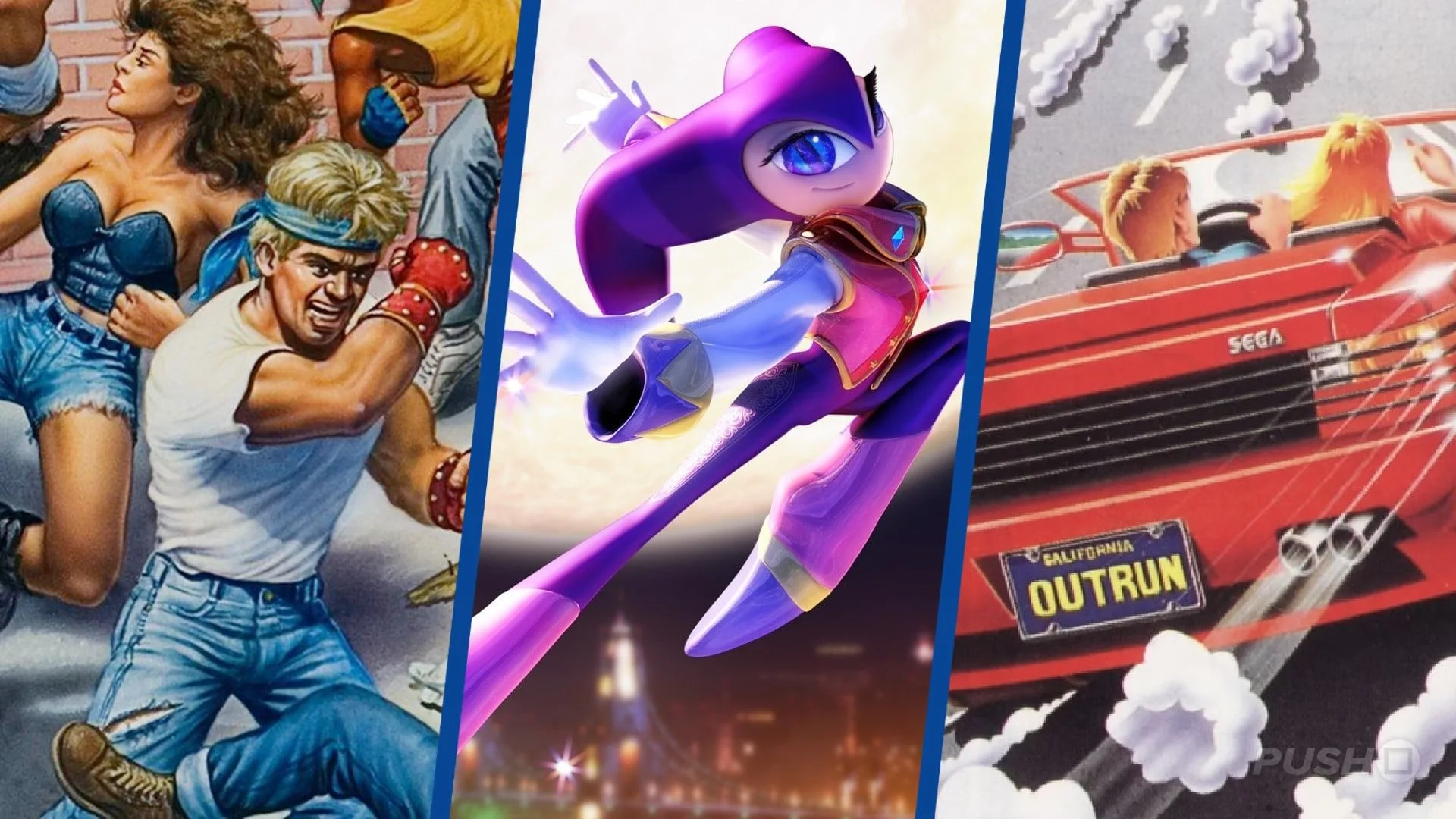
SEGA’s “No Old, Stay Gold” slogan signals an explicit commitment to honoring its legacy IP while modernizing them for new audiences. The initiative zeroes in on nine series celebrating major anniversaries in 2026:
- Fantasy Zone (35th)
- Outrun (40th)
- Streets of Rage (35th)
- Rent a Hero
- Guardian Heroes
- NiGHTS (30th)
- Dynamite Deka
- Sakura Wars
- SGGG (25th)
Each of these franchises represents a distinct era of SEGA’s history—from the arcade thrills of Outrun and the beat-'em-up mastery of Streets of Rage to the dreamlike flights of NiGHTS and the cult-classic absurdity of SGGG. The scope of potential projects is intentionally broad: new games, remasters, anime adaptations, merchandise, or live events are all on the table. Yet, as of now, specific details remain scarce. No developers have been named, and no release windows beyond “2026” have been provided.
The “Power Surge” Promise – A Cautionary Tale
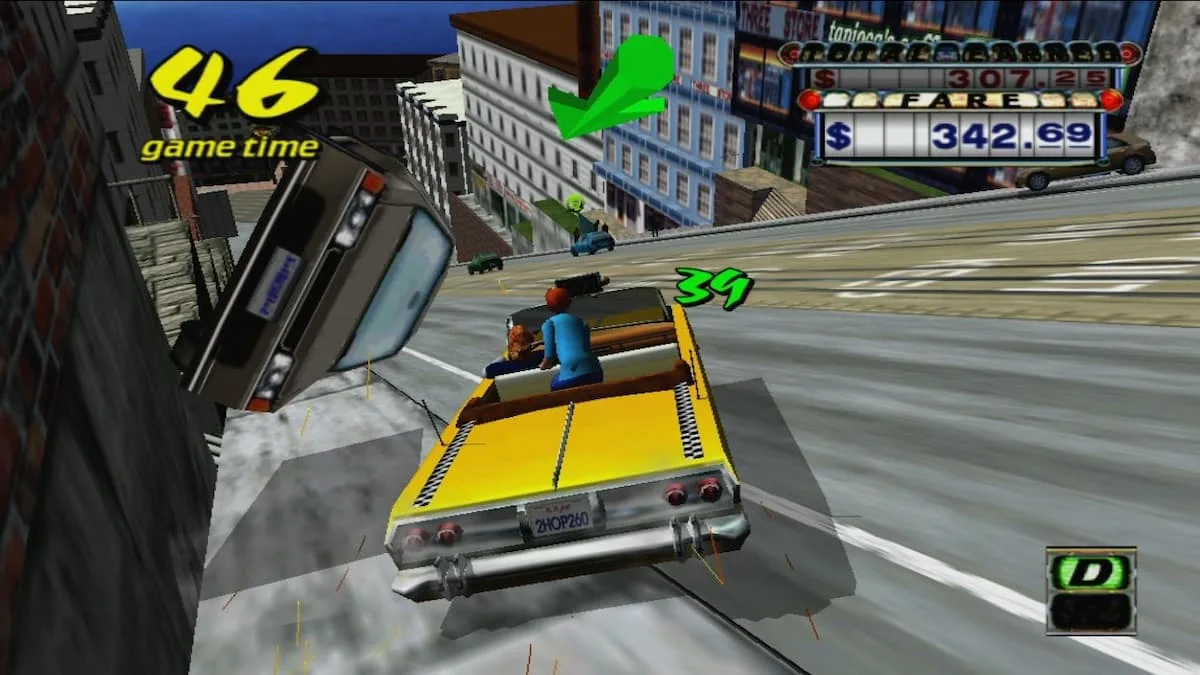
For those tracking SEGA’s recent revival efforts, the SEGA Universe announcement carries an uncomfortable echo. In December 2023, the publisher unveiled “Power Surge,” a lineup of new games for Jet Set Radio, Crazy Taxi, Streets of Rage, Golden Axe, and Shinobi. The fan reaction was electric—until the silence set in.
Nearly two years later, only one of those projects has seen the light of day: Shinobi: Art of Vengeance, which launched in 2024 to solid but not spectacular reception. The other four titles remain in development, with no confirmed release dates or substantial gameplay reveals. This slow rollout has left many questioning the pace and scope of SEGA’s revival ambitions.
SEGA Universe could theoretically serve as a broader umbrella, encompassing the Power Surge titles alongside new anniversary projects. But without a clear roadmap or timeline, the skepticism is warranted. “Power Surge was supposed to be the start of something big,” wrote one fan on ResetEra. “Now it feels like we’re being asked to get excited all over again, for the same franchises, with no guarantee of delivery.”
The Delisting Mystery – Why Pull Classic Games Now?
Perhaps the most puzzling piece of this puzzle is the mass delisting that preceded SEGA Universe. In December 2024, SEGA removed over 50 classic titles from digital storefronts on Steam, PlayStation, Xbox, and Nintendo Switch. The affected games included Streets of Rage, Crazy Taxi, NiGHTS into Dreams, Golden Axe, Shinobi, and many more—spanning decades of SEGA’s catalog.
SEGA has not provided an official explanation for the delisting. However, the timing is telling. The removals coincide with confirmed development of new entries in several of these franchises—a new Virtua Fighter has been officially announced, and rumors persist about revivals for Crazy Taxi and Jet Set Radio.
For players who already purchased the delisted games, they remain playable in their libraries. Additionally, many of these titles are still accessible via Nintendo Switch Online’s retro library. But for new players or those looking to revisit classics they missed, the door has been slammed shut—at least for now.
The most plausible theory is that SEGA is clearing the decks for remasters, remakes, or reboots. By removing older versions from sale, the publisher can avoid market confusion when new, polished editions arrive. It’s a tactic used before by other publishers. Capcom, for example, delisted Resident Evil 2 and Resident Evil 3 from digital stores before launching their acclaimed remakes. Similarly, Activision removed Crash Bandicoot and Spyro the Dragon titles ahead of the N. Sane Trilogy and Reignited Trilogy remasters. SEGA’s move, while on a larger scale, follows a familiar playbook.
What’s at Stake for SEGA’s Legacy
SEGA’s IP library is one of the richest in gaming—a treasure trove of arcade classics, innovative platformers, and cult favorites that defined entire genres. The company’s legacy is built on these franchises, and their revival is not just a nostalgic exercise but a strategic necessity in a market increasingly driven by established brands.
Yet SEGA’s track record with revivals has been inconsistent. Sonic Generations was a triumph, blending old and new in a way that satisfied longtime fans and newcomers alike. The Yakuza series, through remasters and new entries, found a second life on modern platforms. But other efforts have faltered: the Sega Ages line on Switch was praised by enthusiasts but never achieved mainstream penetration.
The mixed fan sentiment—reflected in a sentiment score of 0.98, indicating cautious optimism tinged with skepticism—underscores the challenge SEGA faces. “I want to believe,” wrote one commenter on the official announcement. “But I’ve been burned before. Show me the games.”
Success for SEGA Universe will hinge on three factors: quality, timing, and transparency. The projects must honor the originals while offering meaningful improvements or expansions that attract new players. They must release within a reasonable window, avoiding the years-long wait that has plagued Power Surge. And SEGA must communicate clearly—not just with flashy trailers, but with concrete details about developers, platforms, and release dates.
A Promising, Yet Uncertain Horizon
SEGA’s dilemma is not unique. Nintendo, Capcom, and Square Enix all face the challenge of honoring legacy while innovating. But SEGA’s track record makes the stakes particularly high. The company has the IP, the passion, and the audience. Now, it needs the execution—and a timeline that proves “No Old, Stay Gold” is more than a marketing slogan.
The delisting of classic titles adds an air of mystery—are they making way for polished remasters, or simply cleaning house before a new wave? For now, fans can only wait and hope that SEGA delivers. If the publisher can turn promises into products, 2026 could be a banner year—a celebration of the company’s rich history that also looks boldly forward. If not, it risks being just another nostalgia play in a crowded market, leaving players to wonder what could have been.
The stakes are high, the promises are grand, and the clock is ticking. SEGA has the IP, the passion, and the audience. Now, it needs the execution.
What to Watch For
- Summer Game Fest 2025: Expect first gameplay reveals for Power Surge titles, particularly Jet Set Radio and Crazy Taxi.
- E3 2025: Potential SEGA Universe showcase with concrete details on 2026 anniversary projects.
- Late 2025: Possible release of a Virtua Fighter revival, which could set the tone for SEGA’s broader strategy.