Stop Killing Games Scores Major Win: How The Crew 2's Offline Mode Proves Consumer Activism Works
Stop Killing Games Scores Major Win: How The Crew 2's Offline Mode Proves Consumer Activism Works In April 2024, thousands of players logged into The Crew only to find a decade of progress...

Stop Killing Games Scores Major Win: How The Crew 2's Offline Mode Proves Consumer Activism Works
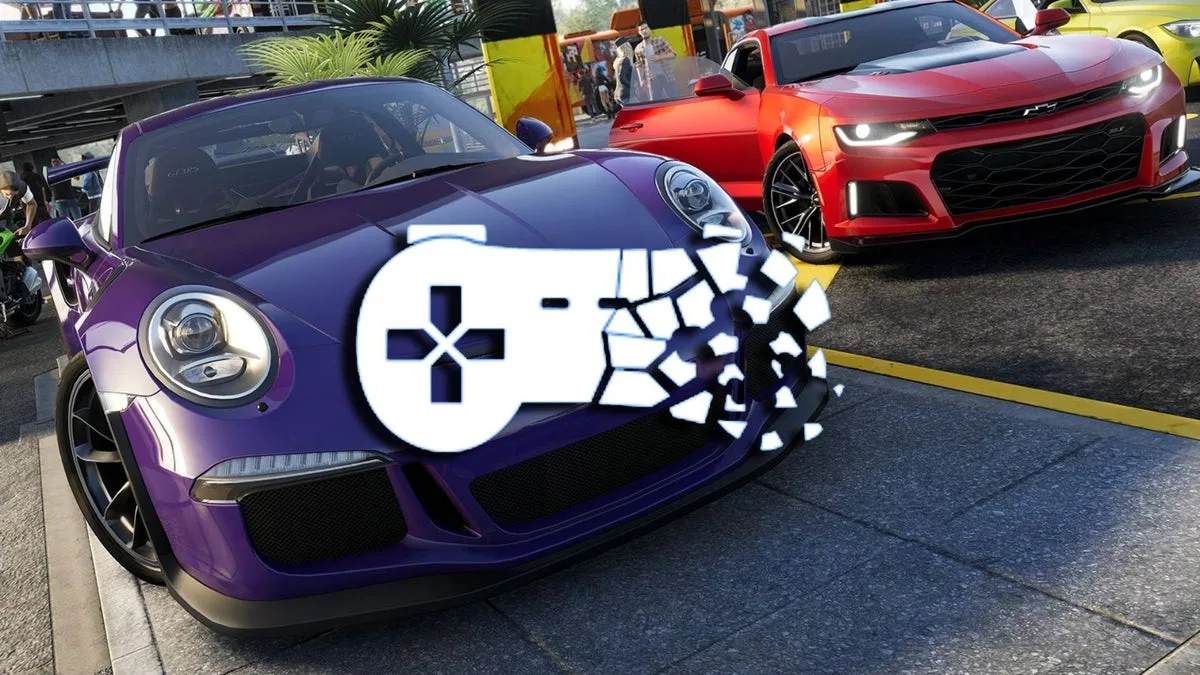
In April 2024, thousands of players logged into The Crew only to find a decade of progress erased—their digital garages, meticulously crafted liveries, and countless hours of racing gone forever. The 2014 always-online title had been rendered completely unplayable after server shutdowns, a stark reminder of the fragility of digital game ownership. Two years later, its sequel has been saved. Here's how a grassroots movement turned outrage into action.
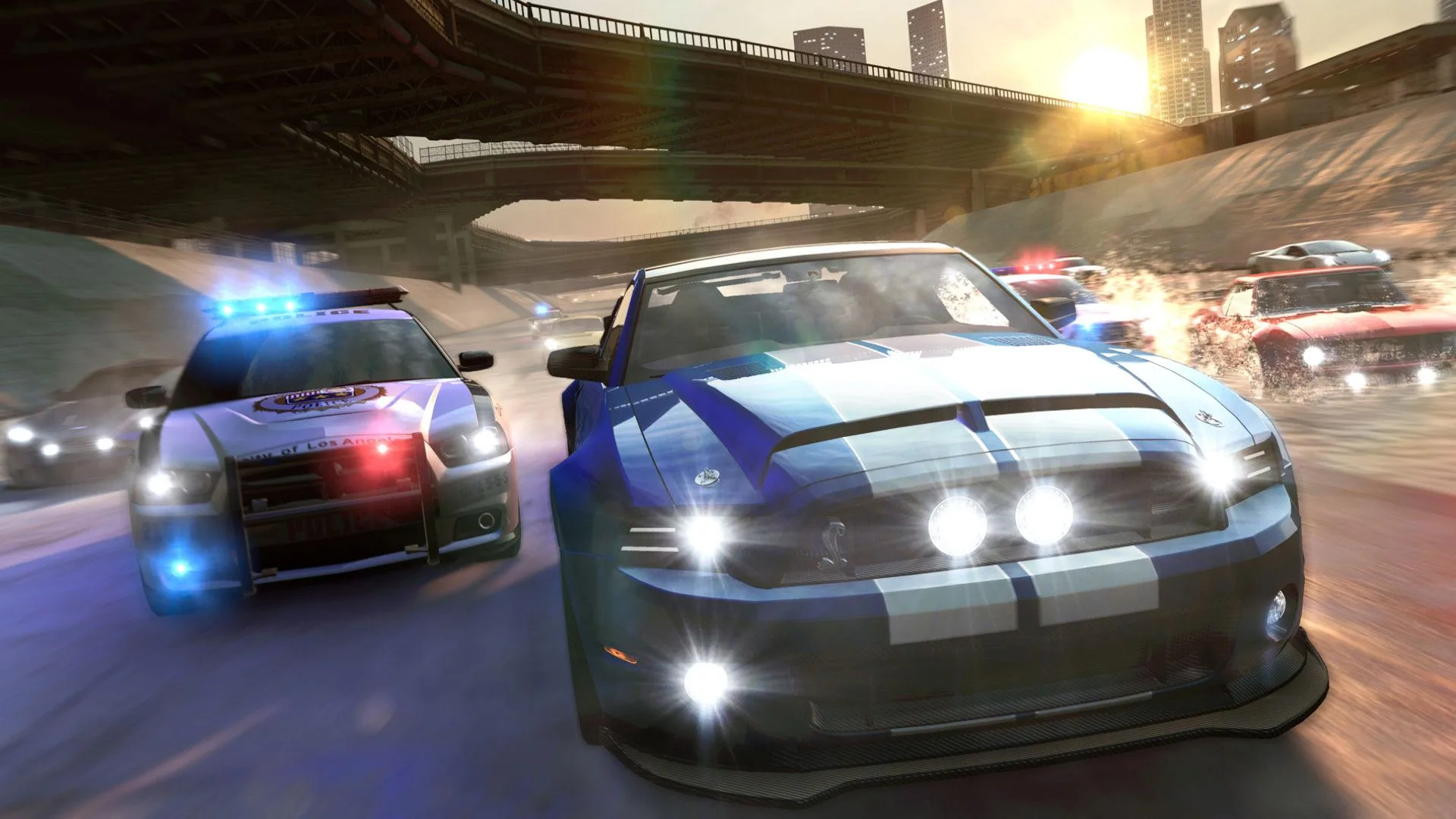
In what is shaping up to be one of the most significant victories for digital preservation in recent memory, the Stop Killing Games movement is celebrating a landmark achievement. Ubisoft has quietly but decisively expanded offline support for The Crew 2, adding a suite of features that transform its previously limited Hybrid Mode into a fully functional offline experience. The updates—which include full livery creation and collection access, account statistics tracking for offline progression, and a seamless "Back to login" button for switching between online and offline modes—represent a dramatic reversal for a game that, according to movement insiders, was originally slated for the same fate as its predecessor.
The timing could not be more poignant. Just two years after The Crew was rendered unplayable, its sequel is now being preserved for posterity. The question on everyone's mind: what changed?
The Hybrid Mode Evolution—What Changed and Why
The story of The Crew 2's salvation begins with a grassroots movement that refused to accept the status quo. When Ubisoft first introduced Hybrid Mode in October 2025, it was a bare-bones concession—enough to quiet critics but far from a comprehensive preservation solution. The recent updates, however, tell a different story. Players can now access their complete livery library offline, create new designs without an internet connection, and track vehicle and pilot statistics that carry over when they reconnect. It is, by any measure, a fully realized offline mode.
Stop Killing Games founder Ross Scott, in an undated video analyzing the development, made a bold claim: "We inadvertently saved two games." He was referring not only to The Crew 2 but also to The Crew Motorfest, which is due for its own offline mode but has yet to receive one. Scott cited hearsay from an insider that Ubisoft's decision was driven by fear that the European Citizens Initiative—the Stop Destroying Games petition—would pass, though he acknowledged the movement was "already losing momentum" at the time.
"I guarantee you Ubisoft had no end of life plans for those games prior to this movement," Scott asserted. "They were absolutely slated to die."
A note on sources: These claims, while compelling, are based on unverified insider information. Ubisoft has not confirmed its internal motivations, and alternative explanations—such as PR considerations or desire to avoid further lawsuits—cannot be ruled out. The movement's narrative, while influential, should be weighed against the possibility that Ubisoft's decision was multifaceted.
The Legal Avalanche—From California to France
The Stop Killing Games movement was forged in the ashes of The Crew's shutdown in 2024. That event, which made a decade-old game completely unplayable overnight, galvanized players and consumer advocates alike. Now, the legal consequences are coming due.
The Crew's Shutdown: A Catalyst
On March 31, 2026, French consumer group UFC-Que Choisir announced it would sue Ubisoft over the shutdown. The lawsuit alleges "deceptive" business practices and "abusive" contract clauses, arguing that Ubisoft misled consumers about the permanence of their purchases. The case follows a previous class-action lawsuit filed in California over the same issue, where Ubisoft has argued that players "already enjoyed The Crew for a decade" and cannot complain about the lack of an offline version.
The French Lawsuit: A Textbook Case
UFC-Que Choisir lawyer Brune Blanc-Durand called the case a "particularly clear, textbook case from a legal standpoint," questioning Ubisoft's sale of a user license that could be "revocable at any time." If successful, the lawsuit could have "sweeping implications for millions of players worldwide," potentially setting a legal precedent that fundamentally reshapes how publishers sell online-only games.

The Bigger Picture—Legislative Momentum and Industry Impact
The movement's impact extends far beyond the courtroom. The Stop Destroying Games petition gathered nearly 1.3 million signatures, forcing a hearing in European Parliament scheduled for April 16, 2026. Meanwhile, the movement has established two lobbying groups—one in Europe and one in the United States—dedicated to preventing publishers from destroying paid-for games.
In California, the movement has officially backed a proposed bill that would demand publishers provide an "offline mode" or a way to keep games playable after server shutdowns. If publishers cannot provide such support, the bill calls for a "full refund" to players. Note: As a state-level bill, this legislation must pass through the California State Legislature and be signed by the Governor—not the U.S. Congress and President as sometimes misreported.
Movement founder Ross Scott has been characteristically blunt about the stakes: the goal is to "stave off publishers destroying video games that you've already paid for." The movement gained viral attention in 2024, focusing on preventing developers from "killing" online and live-service games, citing examples like Anthem's complete shutdown.
What's at Stake—The Future of Game Preservation
The Crew 2 case demonstrates that public backlash and coordinated legal action can force publishers to provide offline modes, ensuring games remain playable after server shutdowns. But the industry remains deeply divided. While The Crew 2 and Motorfest were saved, other games like Anthem were shut down in January with limited public outcry.
The movement's success hinges on continued consumer pressure and legislative action. The EU Parliament hearing and California bill serve as critical test cases—if they succeed, they could establish a framework for digital preservation that extends far beyond video games. If they fail, the message to publishers will be clear: games can be destroyed with impunity.
The French lawsuit, in particular, carries enormous weight. If it succeeds, it could fundamentally change how publishers sell online-only games, requiring clearer disclosure and guaranteed offline access. The Stop Killing Games movement argues that without such protections, digital game libraries remain vulnerable to sudden, irreversible loss.
Conclusion: The Fight Continues
The Crew 2's expanded offline mode is more than just a patch—it's proof that organized consumer activism can force change in an industry accustomed to unilateral decisions. As the movement pushes forward with legal battles in France and California, and a European Parliament hearing on the horizon, the question is no longer whether publishers can kill games, but whether we'll let them.
What you can do: Support the Stop Destroying Games petition, follow the California bill's progress, and share stories like this one. The battle for digital ownership is only beginning—and every voice matters.
For now, the movement has saved two games, but the fight for digital preservation is far from over. The Crew 2's offline mode proves that when players raise their voices—and their lawyers—publishers listen.