Orbitals Preview: This Anime-Style Co-Op Game Borrows Heavily from It Takes Two's Playbook
The It Takes Two Blueprint – Applied, Not Explained It Takes Two won Game of the Year for a reason: every mechanic is tied to teamwork. From platforming sequences requiring one player to create...

The It Takes Two Blueprint – Applied, Not Explained
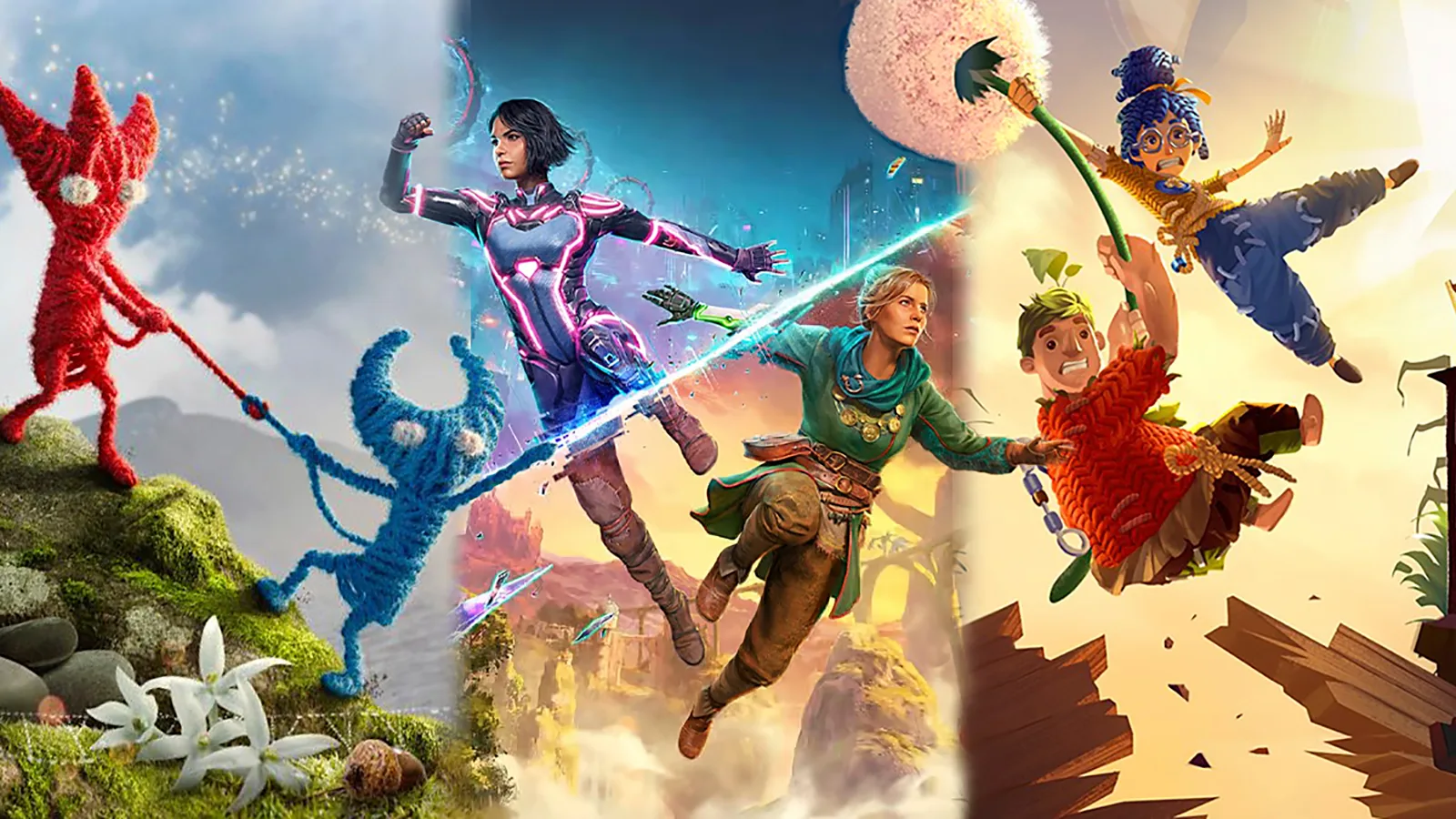
It Takes Two won Game of the Year for a reason: every mechanic is tied to teamwork. From platforming sequences requiring one player to create bridges while the other jumps, to combat demanding synchronized attacks, the game never lets you forget you're playing together. This design philosophy—where cooperation is mandatory, not optional—has proven to be the gold standard for the genre.
Orbitals explicitly mirrors this blueprint, but rather than rehashing the formula, it applies it to a specific, memorable scenario. Consider one puzzle from the preview: two players must coordinate to open an airlock. One player activates the sequence while the other holds a position to prevent a vacuum breach. The timing is tight, the stakes are immediate, and failure means both players are sucked into space. This isn't just borrowed design—it's the same principle applied with a space-age twist.
The success of this approach is evident in the broader co-op landscape. Split Fiction (2025) and A Way Out (2018) thrive on the same principle: if players can't progress without each other, the bond deepens naturally. As Mark Sammut, a gaming and anime specialist who previewed the title, notes, "The game features a lot of the same design as It Takes Two, but with a distinct anime flair." This isn't a coincidence—it's a deliberate choice to leverage a proven formula.
Orbitals in Focus – Anime Aesthetics Meet Space Cooperation
Where Orbitals sets itself apart is its visual identity. Rather than the cartoon realism of It Takes Two, the game embraces a vibrant anime art style—think Star Wars: Visions meets Genshin Impact. Characters are expressive, with exaggerated emotes and colorful energy trails that make every action sequence pop. When both players charge their energy streams, the screen erupts in neon blues and pinks, a visual spectacle that It Takes Two's grounded aesthetic never attempted. This aesthetic choice could attract a distinct audience, particularly fans of Japanese animation who might not normally gravitate toward Western co-op titles.
The core gameplay loop is straightforward but engaging: protect a space station from an escalating threat by mixing action sequences (e.g., shooting down incoming asteroids or enemy drones) with environmental puzzles (e.g., repairing damaged systems or rerouting power). Constant communication is the key. In another preview segment, players must synchronize their fire to overload a shield generator—a task that requires precise timing and verbal coordination.
However, unlike It Takes Two's genre-hopping levels—where players might go from a platforming section to a rhythm game to a boss fight—Orbitals maintains a consistent space theme. This choice may feel more focused but less varied. Some players might miss the surprise of suddenly controlling a giant mech or navigating a hedge maze. Yet the space setting offers its own twists, such as zero-gravity puzzles where players must push off walls to reach objectives, or resource management segments where they allocate power between shields and weapons.
The Co-Op Landscape – Where Orbitals Fits In
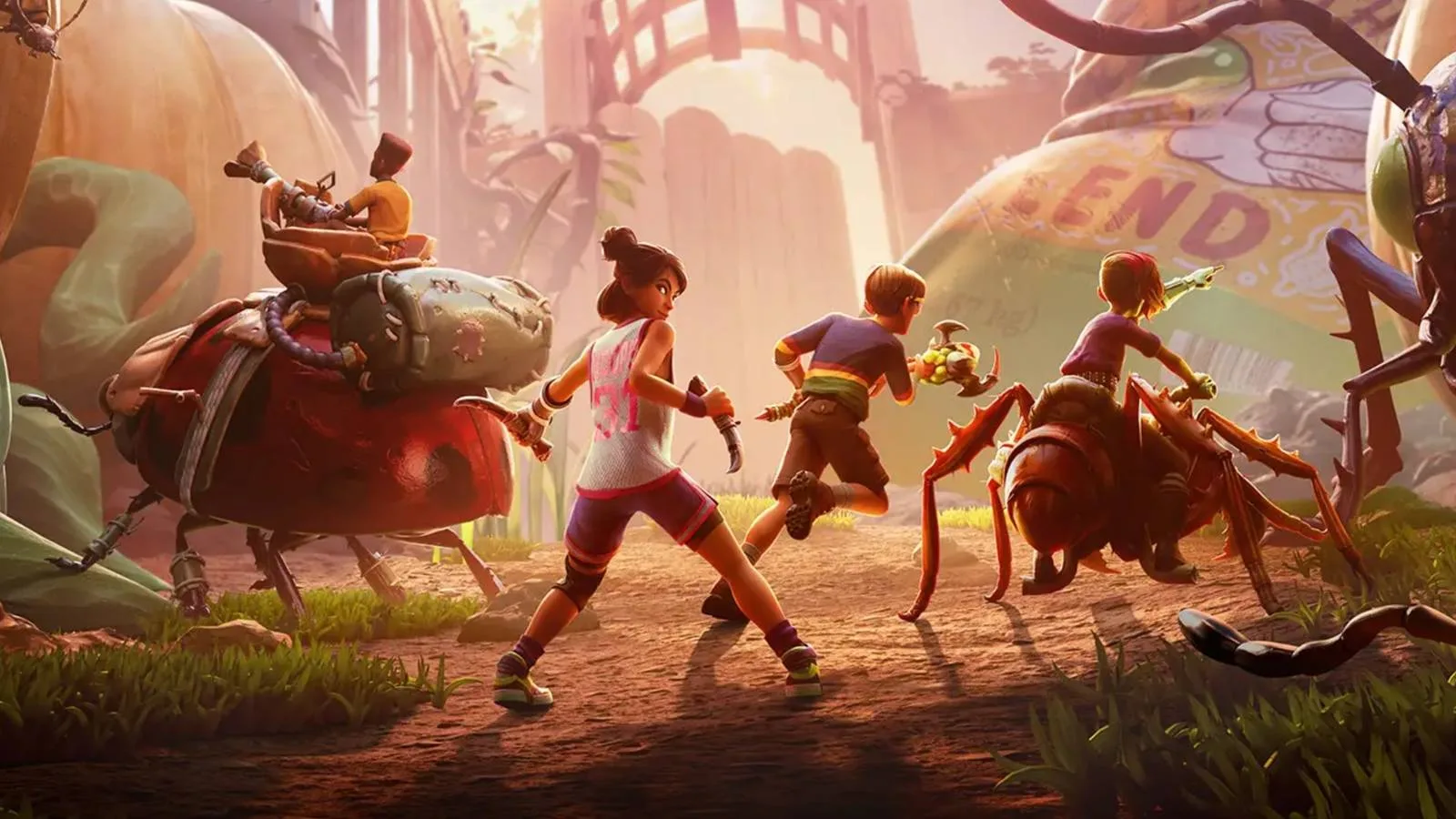
The co-op market is crowded in 2026. Split Fiction, released in March 2025, has been hailed as "better than It Takes Two" by some critics, while Peak (2025) offers "vertical terror" in a precision climbing simulator. Orbitals must carve its niche amid titles like R.E.P.O. (horror repo), Grounded 2 (survival), and Abiotic Factor (underground survival). Even PowerWash Simulator 2 and Call of Duty: Black Ops 7 offer co-op experiences, though they cater to different tastes.
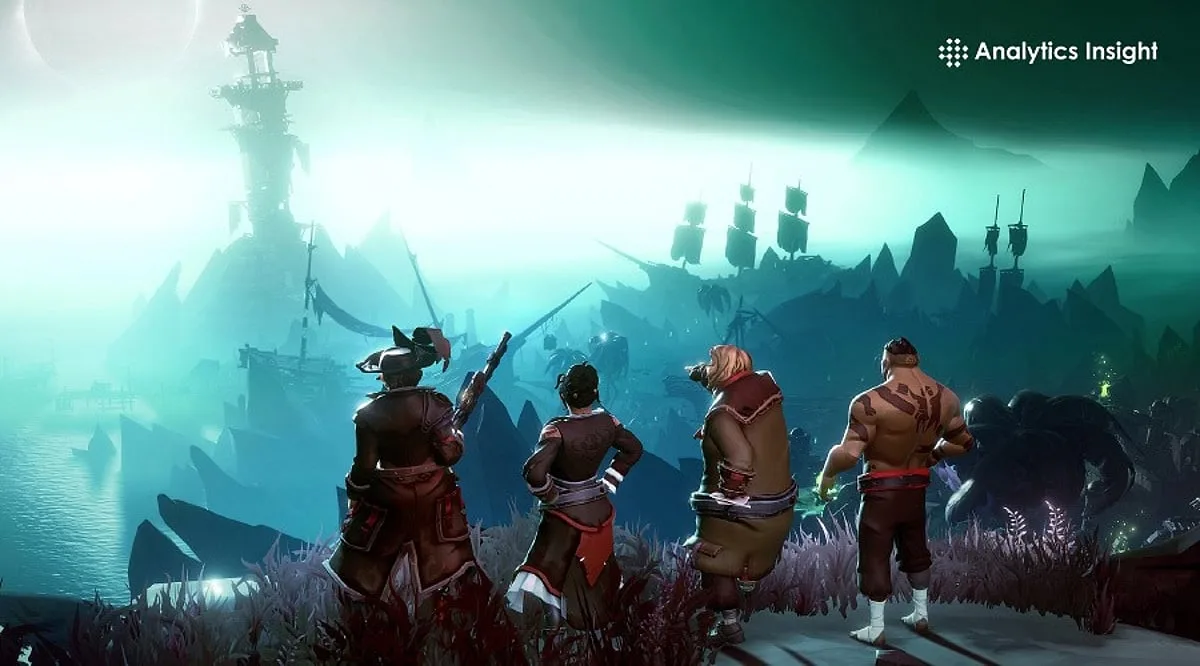
What gives Orbitals an edge is its unique combination of anime aesthetics and a space setting. While Sea of Thieves offers pirate co-op and Dead by Daylight delivers asymmetrical horror, no major title currently combines the two-player mandatory cooperation of It Takes Two with a sci-fi anime look. This could be a powerful differentiator, especially as the anime gaming market continues to grow.
Does "Same Design" Mean Stale or Smart?
The elephant in the room is whether Orbitals risks being seen as derivative. The preview's admission that it features "a lot of the same design" as It Takes Two could be a strength—proven formulas work—or a weakness, if players perceive it as a clone. The key is innovation.
From the preview, Orbitals does introduce unique mechanics. Zero-gravity puzzles require both players to manage their momentum, adding a layer of precision absent from It Takes Two. Resource management, where players decide whether to repair a shield generator or upgrade weapons, introduces strategic depth. And the anime style allows for over-the-top action sequences that feel distinct, such as charging a super attack by combining energy streams from both players.
Compare this to Brothers: A Tale of Two Sons (2013), which used simple co-op mechanics to tell an emotional story, or Unravel Two (2018), which relied on yarn physics to create platforming puzzles. Both prove that even straightforward mechanics can feel fresh with strong execution. Orbitals needs to ensure its own execution matches its ambition.
Player Experience – Handling the Skill Gap
One critical question remains: how does Orbitals handle the inevitable skill gap between players? Mandatory co-op games can be frustrating if one player consistently holds the other back. The preview suggests the game includes checkpoint systems that allow respawning without restarting entire sequences, and difficulty scaling that adjusts enemy aggression based on player performance. However, details on an easy mode or replayability features remain unclear. This is a crucial area for the final release to address, as games like It Takes Two succeeded in part by making failure forgiving and cooperative.
What We Still Don't Know
The article's date (April 15, 2026) suggests Orbitals is still in preview, so there's room for refinement. Key unknowns include: Will the full game feature genre-hopping levels like It Takes Two? Will it include a narrative hook as emotional as A Way Out's prison break story? And crucially, will it offer enough variety to sustain a full playthrough without feeling repetitive? These questions will determine whether Orbitals transcends its influences or remains a derivative footnote.
Orbitals may not reinvent the co-op wheel, but its anime-infused space setting and thoughtful puzzle design suggest it could be the next great couch co-op adventure—provided its full release delivers on this preview's promise. With its vibrant visuals, teamwork-driven mechanics, and a clear understanding of what makes mandatory co-op work, it has the potential to stand alongside the genre's greats. The question isn't whether it borrows from It Takes Two—it does, and proudly so. The question is whether it can forge its own identity among the stars. Based on this preview, the answer is cautiously optimistic.