Saros Review: Housemarque’s Bold Return to the Bullet-Hell Cosmos
The first time a yellow projectile slams into Arjun Devraj on the planet Carcosa, the screen flickers, and a sliver of his health bar turns permanently gray. It's a small, brutal lesson in Saros 's...

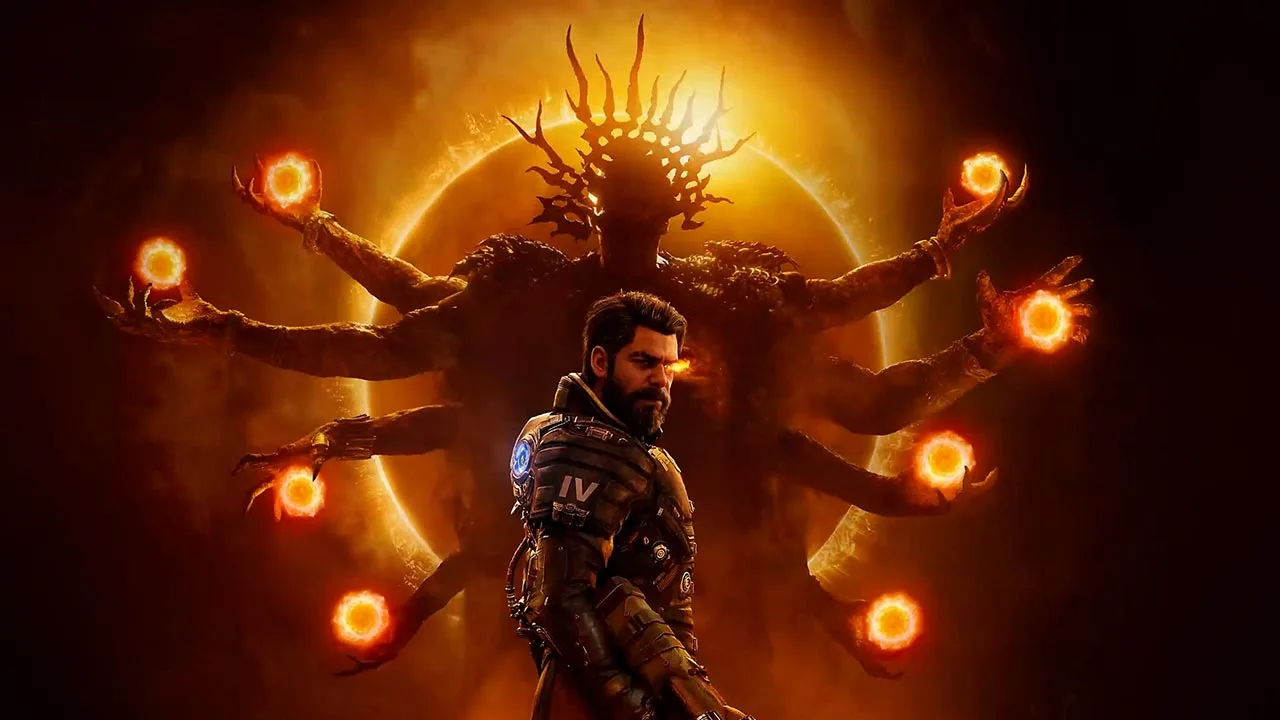
The first time a yellow projectile slams into Arjun Devraj on the planet Carcosa, the screen flickers, and a sliver of his health bar turns permanently gray. It's a small, brutal lesson in Saros's risk-reward economy—one that encapsulates the game's core philosophy of trading safety for power. Four years after Returnal redefined the roguelite shooter genre, Housemarque returns with Saros, a game that doesn't reinvent the formula so much as refine it with surgical precision. Set on the nightmarish planet Carcosa, Saros delivers fluid gunplay, a standout performance from Rahul Kohli, and thematic ambitions that reach for Heart of Darkness and Apocalypse Now. The result is a game that offers some of the most satisfying combat in the genre, even if its narrative reach occasionally exceeds its grasp.
A New Protagonist, A Haunted World
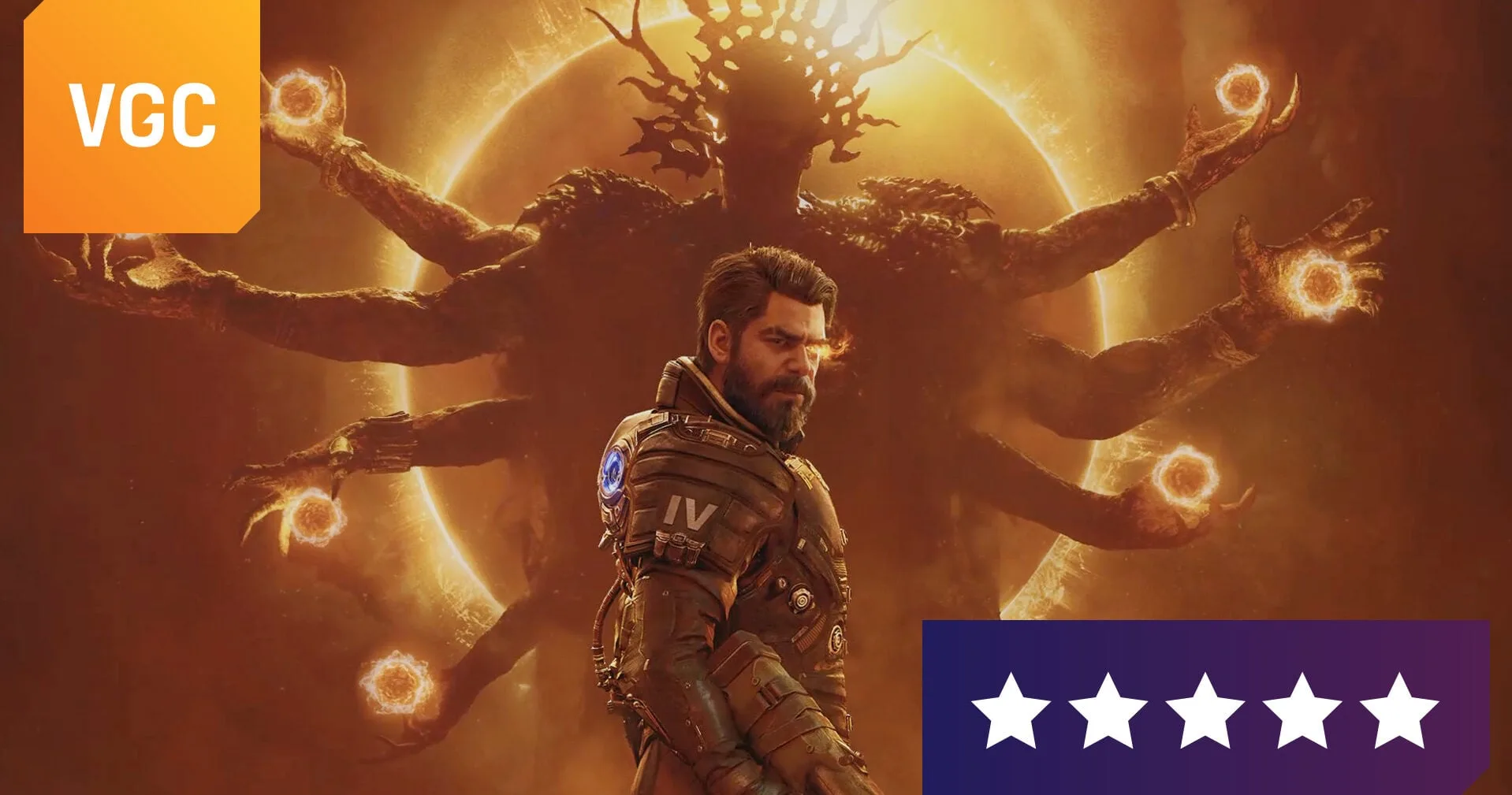
Saros introduces us to Arjun Devraj, an enforcer for the space corporation Soltari, voiced and portrayed by Rahul Kohli. His performance is nothing short of captivating—raw, vulnerable, and utterly compelling. As IGN's Michael Higham notes, his portrayal is "destined to earn award nominations," and it's easy to see why. Kohli grounds the game's surreal sci-fi horror in genuine human emotion, making Arjun's journey through Carcosa feel personal and urgent.
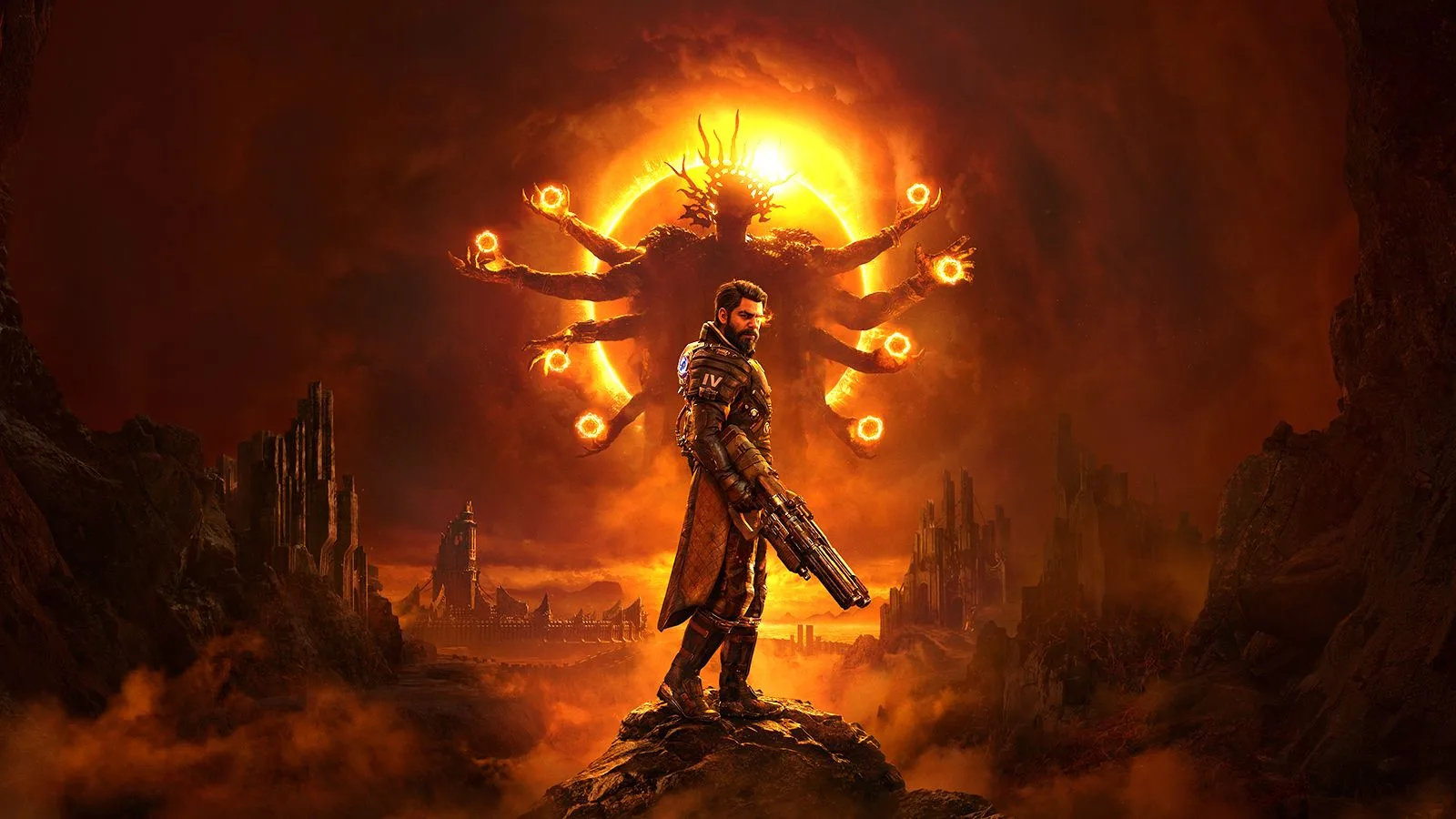
The planet itself is a visual feast. Drawing inspiration from Robert Chambers' "The King in Yellow," Carcosa blends biomechanical and gothic sci-fi aesthetics in ways that feel both alien and familiar. Sun-bleached ruins give way to black marble structures, and a solar eclipse mechanic periodically transforms the world into a scorching hellscape, escalating both tension and enemy difficulty. It's a world that feels alive, hostile, and deeply atmospheric.
Thematically, Saros explores harmful cycles, personal mistakes, sexual identity, and sanity—drawing clear parallels to Heart of Darkness and Apocalypse Now. However, the supporting cast suffers from underdevelopment. Most crew arcs are limited to voice notes and stilted hub conversations, leaving the narrative feeling lopsided. For instance, a crew member's crisis of faith is introduced through a single audio log and never revisited, a missed opportunity for emotional depth. Jane Perry, who played Selene in Returnal, appears as a crew member, tying the two games together thematically, but the emotional weight of the story rests almost entirely on Arjun's shoulders.
Combat That Refines the Formula
At its core, Saros retains the speed and agility that made Returnal so exhilarating. The movement is fluid, the auto-aim generous, and the runs feature distinct levels with shifting room layouts. But it's the projectile mechanics that truly elevate the combat.
Blue shots are absorbable, charging your shield and power. Red shots are parriable—a mechanic inspired by Doom: The Dark Ages—allowing you to send projectiles back at enemies. Yellow shots build Corruption, which limits your max health but empowers your weapons. It's a risk-reward system that forces you to think on your feet, balancing survival against offensive potential.
The weapon variety is impressive. The Onslaught Rifle disables auto-aim for powerful shots, while the Smart Rifle offers homing capabilities. Pistols, ripsaws with damage-over-time effects, and more drop randomly with perks and variations, ensuring each run feels distinct. Boss fights emphasize visual and audio cues, demanding reflex-based rhythm that truly tests your mastery of the combat system.
The DualSense integration is a mixed bag. Haptic feedback maps alternate fire to half-trigger pulls, while power abilities wind up to full pulls. However, the half-pull for alt-fire is described as "too subtle" and sometimes frustrating, a minor but notable blemish on an otherwise polished experience.
Progression, Repetition, and the Attrition Problem
Saros improves on Returnal in several key ways: permanent progression via a skill tree offers health, shield, power, resource gathering, weapon leveling, and an ultimate ability; a teleport system lets you skip to new biomes without replaying initial areas; and a shield mechanic, inspired by Ikaruga, absorbs blue projectiles to charge a power weapon. An active reload riffing on Gears of War adds tactical depth, and the ability to revive once after death makes the experience more forgiving. "Carcosian modifiers" allow players to apply buffs and nerfs before runs, adding a layer of control.
Yet repetition remains an issue. Runs can feel monotonous, requiring 20–30 minutes of level traversal before boss attempts. Combat emphasizes surviving attrition over creative strategies, and while artifacts provide temporary buffs with debuffs, there's no deep buildcrafting to speak of. The core loop can drag, particularly in the mid-game where upgrades feel incremental rather than transformative.
Story, Sound, and Presentation
The core narrative—Arjun chasing someone important on Carcosa while grappling with a time loop and hallucinations—is compelling. The writing in data logs is particularly strong, offering insights into the world and its inhabitants. But the underdeveloped supporting characters and stilted hub conversations prevent the story from reaching its full potential, leaving the thematic ambitions of Heart of Darkness and Apocalypse Now only partially realized.
The soundtrack is a blend of drone metal and electronica, utilizing 3D audio effectively to immerse players in Carcosa's oppressive atmosphere. Visually, the game is locked to 60 FPS for 99% of the playthrough—one room caused slowdown before a mid-review patch, but otherwise performance is rock solid. The campaign runs approximately 20 hours, a satisfying length that doesn't overstay its welcome.
Saros is a bold, confident realization of Housemarque's 30-year legacy. It refines the bullet-hell roguelite formula with improved accessibility, a stunning lead performance from Rahul Kohli, and combat that feels fluid and satisfying. Its thematic ambitions are not fully realized, and repetition can occasionally drag, but Saros stands as a worthy companion piece to Returnal. It may not fully escape the shadow of its influences, but it carves its own place in the bullet-hell pantheon—a flawed, beautiful, and unforgettable descent into madness. For fans of the genre, this is a journey worth taking.