Netflix’s AI Recreation of Gene Wilder’s Voice for ‘Wonka’s The Golden Ticket’ - Innovation or Exploitation?
A Nostalgia Machine, With a Ghost at the Wheel Wonka’s The Golden Ticket is a reality competition in which 12 golden ticket winners, each bringing a partner of their choice, compete in challenges...

A Nostalgia Machine, With a Ghost at the Wheel
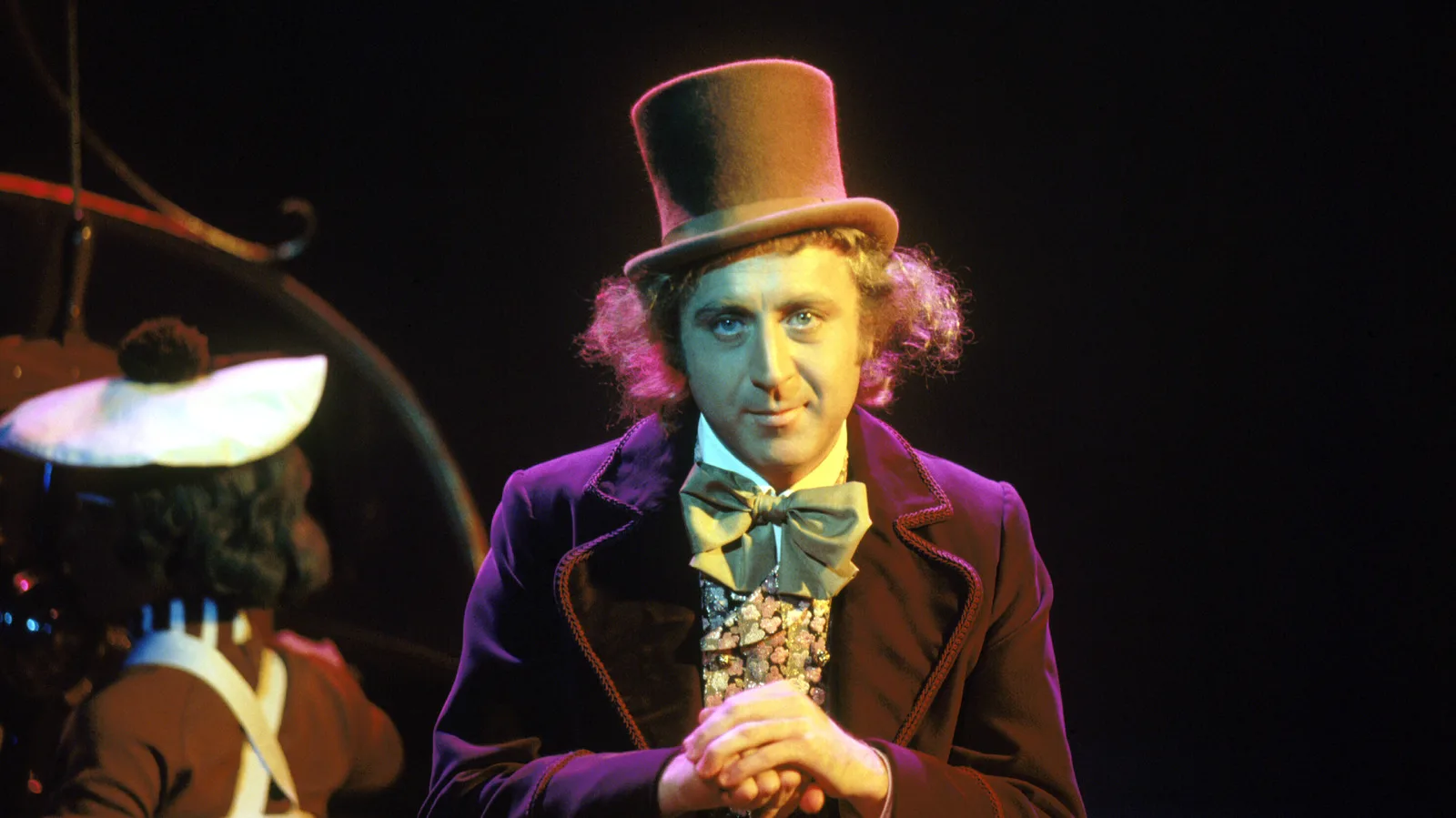
Wonka’s The Golden Ticket is a reality competition in which 12 golden ticket winners, each bringing a partner of their choice, compete in challenges inspired by the 1971 film Willy Wonka & the Chocolate Factory and Roald Dahl’s original book. The first seven episodes premiere on September 23, with a two-part finale on September 30. Rusty Goffe, who played an original Oompa Loompa in the film, reprises his role. The series is produced by Eureka Productions, with an extensive executive producing team.
The IP behind the show is worth billions. Netflix acquired the Roald Dahl Story Company in 2021 for roughly $686 million, gaining control of the entire Charlie and the Chocolate Factory franchise. Wonka’s The Golden Ticket is a flagship exploitation of that investment, but the use of Wilder’s voice, rather than a live actor or a new vocal performance, elevates it from a simple game show to a cultural flashpoint.
How ElevenLabs Recreated Wilder’s Voice
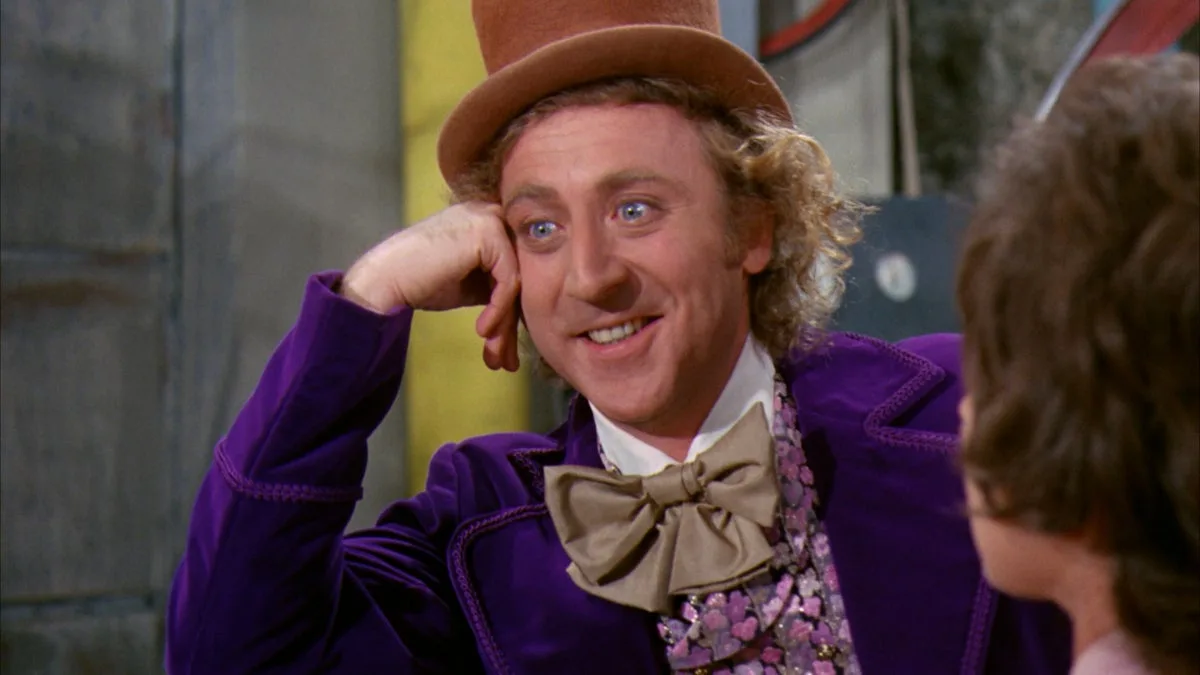
The AI voice was generated by ElevenLabs, a leading voice cloning startup that has previously recreated the voices of Michael Caine for an audiobook of The Odyssey and Stan Lee for commercial ventures. For the Wonka series, ElevenLabs trained its model on existing audio recordings of Wilder, speaking, acting, and performing, to produce a synthetic voice capable of delivering new lines as the character.
Crucially, Netflix secured explicit consent from Wilder’s estate. His widow, Karen B. Wilder, issued a public statement expressing delight that her husband’s voice would be shared with a new generation. That approval distinguishes this case from some other posthumous AI recreations that have faced legal or ethical challenges.
But technical success isn’t the issue. The voice sounds plausible but lacks the organic spontaneity of a living performance. It is a simulation of Wilder, not an extension of him.
The Public and Ethical Backlash
Despite the family’s blessing, the announcement has drawn sharp criticism. Outlets from TechRadar to Kotaku have called the AI voice “soulless” and “gross,” arguing that even if the technology replicates the sound, it cannot replicate the spirit. The criticism has been widespread enough to suggest a deeper unease that transcends typical AI skepticism.
“The problem isn’t just that a dead actor is speaking new lines, it’s that the lines are for a reality show,” says Dr. Emily Park, a bioethicist specializing in digital immortality at Georgetown University. “When you turn a legendary performer into a recurring character in a competition series, you commodify not just the performance but the person behind it. Estate consent offers legal cover, but it doesn’t resolve the moral ambiguity.”
The move coincides with ongoing negotiations between SAG-AFTRA and studios over digital replicas of performers. While those talks have primarily focused on living actors, the Wilder case surfaces a thornier question: should the right to consent extend beyond death? Comparisons to earlier posthumous uses of digital technology are instructive. When Star Wars resurrected Peter Cushing’s Grand Moff Tarkin via CGI for Rogue One, the reaction was mixed but contextualized within a narrative film. Hologram tours of deceased musicians have drawn both applause and criticism. But a reality show is a different beast, built on spontaneity, competition, and human drama. Injecting a synthetic performer into that context feels, to many, like a category error: turning a legend into a gimmick.
What This Signals for Hollywood’s Future
Wonka’s The Golden Ticket is more than a reality show; it is a test case for a posthumous licensing model. Deceased celebrities’ voices are now tradeable commodities. If an estate can sell the right to generate new dialogue from a dead actor’s voice, any project, commercial, artistic, or otherwise, becomes a potential client.
This opens a Pandora’s box of contractual and ethical questions. Future contracts for living actors may explicitly prohibit or permit posthumous AI use, with negotiations already influenced by SAG-AFTRA’s current rulemaking. Studios, sitting on vast archives of audio and video, will see an opportunity to monetize legacy performers without paying a living artist. Estates, tasked with preserving a legacy while generating revenue, will face increasing pressure to license voices for projects they might once have rejected.
Consumer comfort will be the deciding factor. Right now, the reaction suggests many audiences are uneasy. But as the technology improves and novelty fades, that unease may erode. The real test will come when a living actor’s contract explicitly bans AI replication, forcing studios to choose between their archives and their workforces, or when a fan backlash is loud enough to make a ghost host a liability rather than a draw.
The Ghost in the Reality Machine
Netflix’s gamble with Wonka’s The Golden Ticket is a canny business move wrapped in a moral quandary. The company has perfectly preserved the nostalgia of its prized IP, avoided the expense of a live host, and generated enormous buzz, all while securing legal and familial cover. Whether audiences embrace the wonka-fied nostalgia or reject the soullessness of a ghost in the machine will shape how studios, estates, and unions navigate the next era of entertainment.
One thing is certain: the golden ticket has been pulled, and there’s no turning back now.