Microsoft’s Xbox Axe Falls on Iconic Studios: Double Fine, Ninja Theory, and Others Face Closure or Spin-Off
Editor's Note: This article presents a speculative scenario set in 2026. Events, game titles, and executive appointments described are fictional and intended for analytical purposes only. Just days...

Editor's Note: This article presents a speculative scenario set in 2026. Events, game titles, and executive appointments described are fictional and intended for analytical purposes only.
Just days after Ninja Theory proudly unveiled a new Hellblade game at Xbox's own Summer Game Fest, the studio's staff were told they were being shut down. The irony is staggering and the timing brutal. But it is the most visible symptom of a much larger, colder calculus inside Microsoft's gaming division. Under new CEO Asha Sharma, a sweeping "reset" is underway, and some of Xbox's most creatively acclaimed first-party studios now face a stark choice: negotiate their independence or close for good.
Double Fine Productions, Ninja Theory, and Compulsion Games are the three named so far, but multiple reports indicate that several other teams across the portfolio are also at risk. This is a story of beloved developers caught in corporate math, questioning whether Xbox is trimming fat or cutting out its own creative soul.
The 'Reset' and the Casualties: What We Know So Far
The chain of events began in early June 2026, when Asha Sharma, who replaced Phil Spencer as Xbox CEO in February, issued an internal memo declaring a corporate "reset." In it, she warned that Xbox had "found ourselves overextended," and that staff should prepare for "surprising and even frustrating" realities. Within days, word leaked that major layoffs were incoming, up to 1,000 more gaming job cuts on top of the thousands already shed in 2024 and 2025.
Then, on June 15, reports emerged that multiple first-party studios were in active negotiations to spin off from Microsoft. Bloomberg's Jason Schreier broke the story, naming Double Fine, Compulsion Games, and Ninja Theory as studios "at risk of being shuttered" while their leaders try to buy back their independence. Separately, The Verge reported that Ninja Theory staff were told on a Monday conference call that the studio is being closed, though a buyer could still step in. Videogames Chronicle independently corroborated the spin-off talks. Notably, Schreier emphasized that these are "not the only three" studios at risk, adding that "lots still in flux as many studios remain unsure about what's happening."
The picture is fluid and uncertain. What is clear is that Sharma's "reset" is not a gentle course correction, it is an axe swing aimed squarely at studios known for artistic ambition rather than blockbuster profit margins.
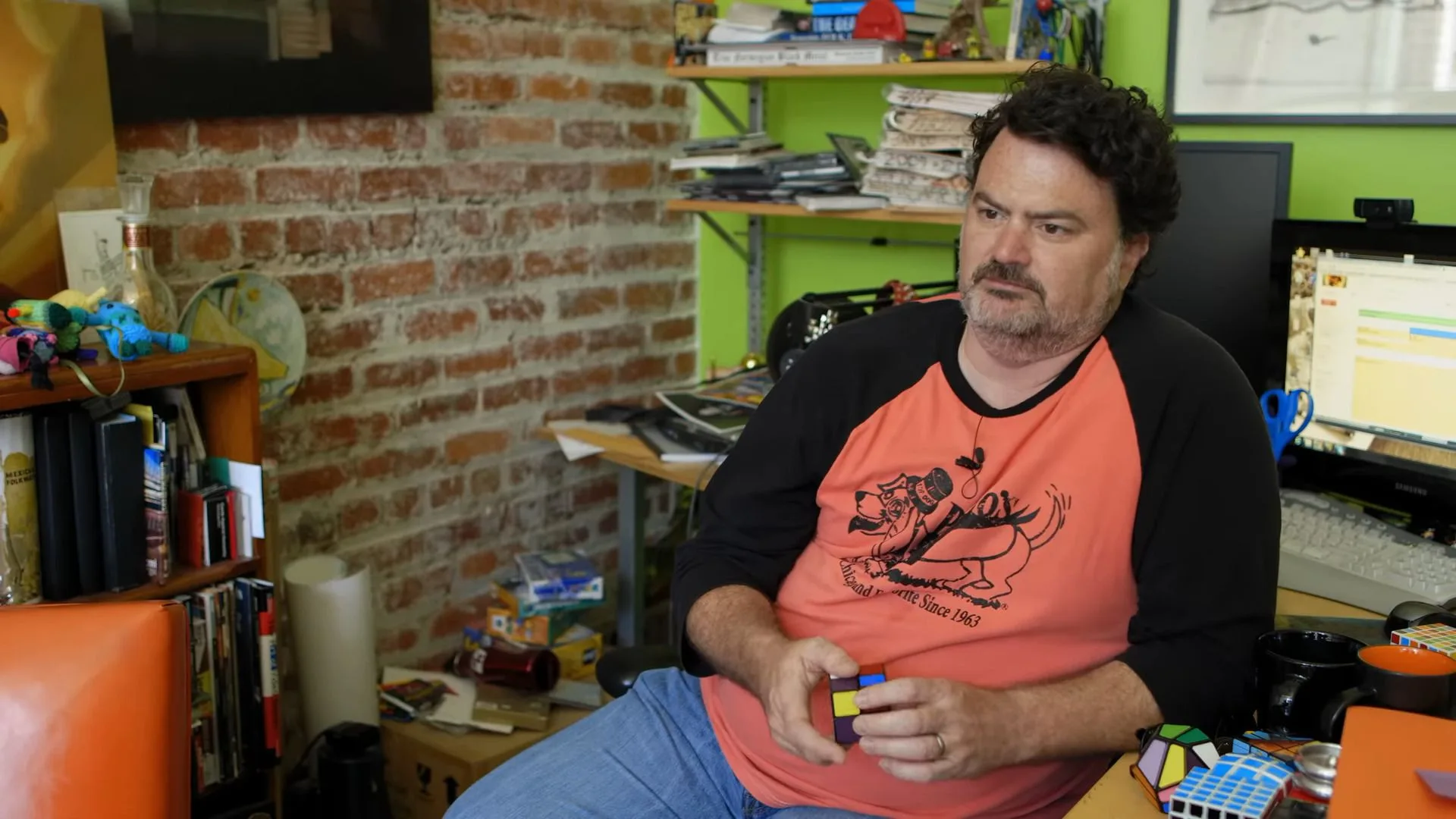
The Human Cost: Studios with a Legacy
The three named studios are not anonymous development factories. They are beloved names with deep histories and unique voices.
Double Fine Productions
Founded in 2000 by industry legend Tim Schafer, the mind behind Grim Fandango and Psychonauts. Microsoft acquired the studio in 2019 for roughly $13.2 million, a small sum compared to the $68.7 billion spent on Activision Blizzard. Double Fine's recent titles, Keeper (2025) and Kiln (2026), were critically praised but commercially disappointing. The studio has been unionizing under the Communications Workers of America (CWA), a process that could complicate any spin-off or closure, as collective bargaining agreements would need to be honored.
Ninja Theory
Acquired in 2018, earned widespread acclaim for Hellblade: Senua's Sacrifice and its sequel. The studio's focus on narrative-driven, psychologically rich games has won awards and a passionate fanbase. The news of its closure landed like a gut punch, especially given the showcase irony still fresh in the community's memory. Fans and developers alike expressed outrage at the apparent disconnect between celebration and cancellation.
Compulsion Games
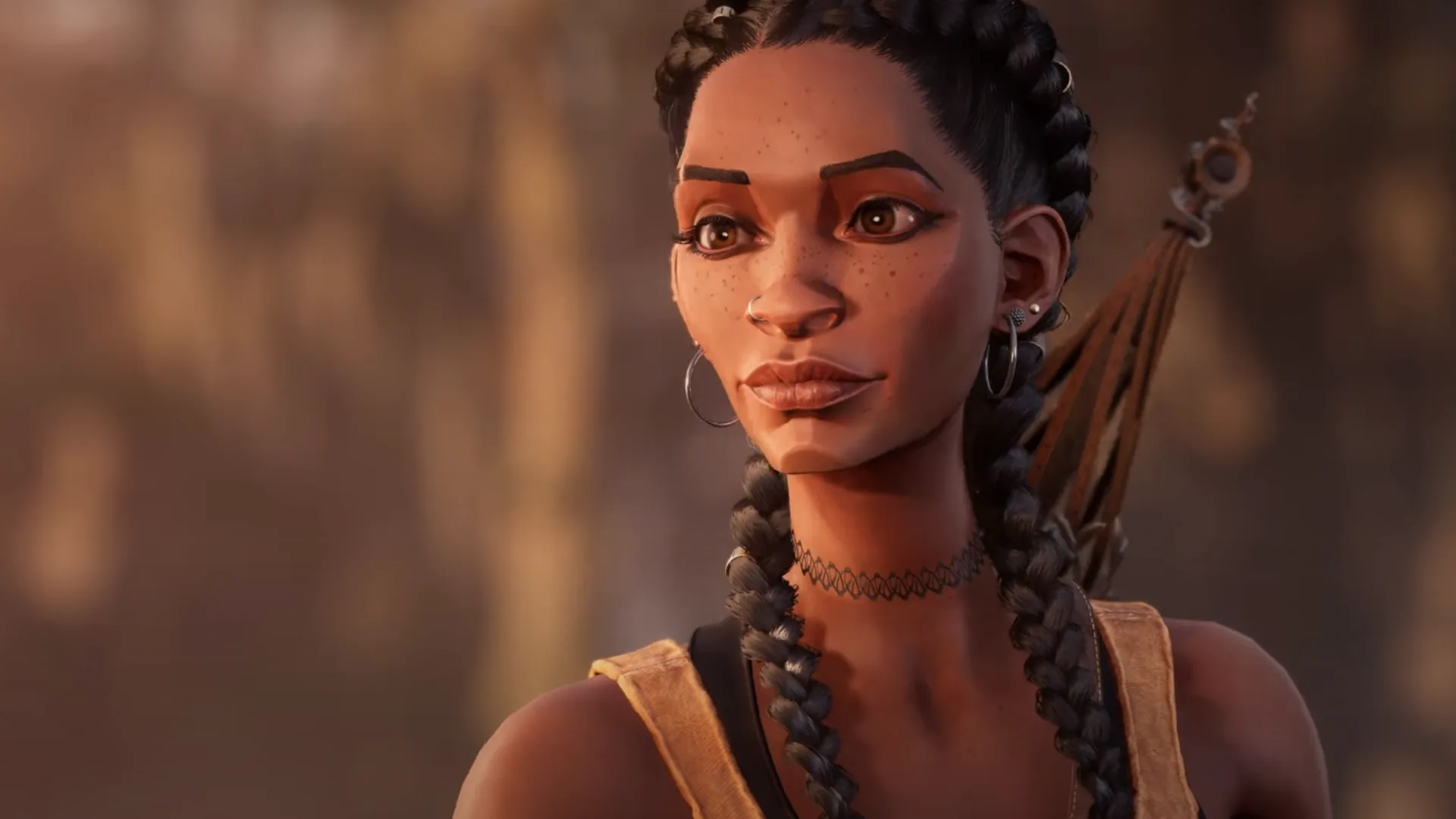
Acquired in 2018 months before the release of We Happy Few, recently shipped South of Midnight to positive reviews. Yet commercial performance has once again fallen short of Microsoft's expectations, placing it alongside its peers on the chopping block.
These studios represent the kind of experimental, risk-taking development that has historically defined Xbox's Game Pass strategy: diverse, high-quality titles that build brand loyalty and critical cachet. That value now appears to be weighed against the bottom line, and found wanting.
Spin-Off or Shut Down: The Negotiations and Uncertain Future
Studio leaders are not going quietly. According to multiple sources, the heads of Double Fine, Ninja Theory, and Compulsion Games are actively trying to buy back their independence. If negotiations succeed, the studios would become independent again, free to pursue their own publishing deals. But even a successful spin-off is likely to bring significant layoffs, as the studios will need to shrink to a size that makes them attractive to investors or publishers.
Double Fine's unionization adds another layer. Any buyer would need to honor the existing collective bargaining agreement, which could deter some investors but also provides important protections for staff. Ninja Theory's situation appears most dire: The Verge's reporting suggests Microsoft's default plan is outright closure, with a buyer considered a long shot. The market for mid-sized independent studios is risk-averse, and many potential acquirers are themselves cutting costs.
This uncertainty extends beyond the named studios. Industry analysts note that even established teams like Playground Games or Turn 10 could face scrutiny under Sharma's efficiency drive, though neither has been publicly named. The anxiety is eating away at morale across Xbox's entire first-party network.
The Bigger Picture: Xbox's Strategy Shift Under Asha Sharma
Sharma came to Xbox from Microsoft's CoreAI division, not from gaming. Her appointment signaled a shift away from the community-focused, creative-first philosophy that Phil Spencer cultivated over a decade. Her "reset" memo made clear that the old ways were unsustainable. After spending tens of billions on acquisitions, Xbox has not seen commensurate returns in revenue growth or market share. Game Pass subscriber numbers have plateaued, and the cost of maintaining a sprawling first-party portfolio has become a liability.
To be fair, some industry observers see merit in the restructuring. As one anonymous analyst noted: "Microsoft has fifteen or more first-party studios. If you're running a business and six of them consistently underperform, you have to make hard choices, even if those studios produce lovely games." The challenge, however, is that "underperform" is defined strictly by profit, not by cultural impact or creative achievement.
Industry analysts predict that Xbox will continue to pivot toward profitability over prestige. More layoffs, ad-funded subscription models, and a narrowing of focus to proven blockbuster franchises, Call of Duty, Halo, Forza, are likely outcomes. The studios that survive will be those that can deliver consistent commercial hits, not critical darlings.
For fans, this feels like a betrayal. The same company that once championed Psychonauts 2 and Hellblade as symbols of its commitment to artistic vision is now treating those same studios as liabilities. The question remains whether the "reset" is a necessary scalpel to trim excess, or a blunt instrument that cuts away the very identity that made Xbox distinct.
What the Loss of These Studios Would Mean for Gaming
If Double Fine, Ninja Theory, and Compulsion Games disappear, or are forced to shrink dramatically, the industry loses more than a few studios. It loses irreplaceable voices. Tim Schafer's whimsical storytelling, Ninja Theory's cinematic intimacy, Compulsion's Southern Gothic atmosphere, these are not easily replicated by larger, more homogenized teams. The closure of these studios would send a chilling signal: take bold creative risks at your own peril, even under a corporate giant with deep pockets.
There is still a narrow path to survival. Spin-off negotiations could yet succeed, allowing these studios to live on as independent entities, potentially with different business models. But time is short, and the corporate machinery is already turning. For the developers involved, every day of uncertainty is one more day of anxiety.
The gaming community watches, angered and saddened, as Xbox's next chapter writes itself in red ink. Whether the company can rebuild trust after cutting away its own creative heart remains to be seen. For now, the only certainty is that the fate of three remarkable studios hangs in the balance, and their loss would be felt far beyond the walls of Microsoft's campus.