Dan Houser on Physical vs. Digital Games: “If People Want That, Companies Should Provide It”
In an industry racing toward an all-digital future, one of gaming’s most influential voices has offered a surprisingly ambivalent take. Dan Houser, co-creator of Grand Theft Auto and Red Dead...

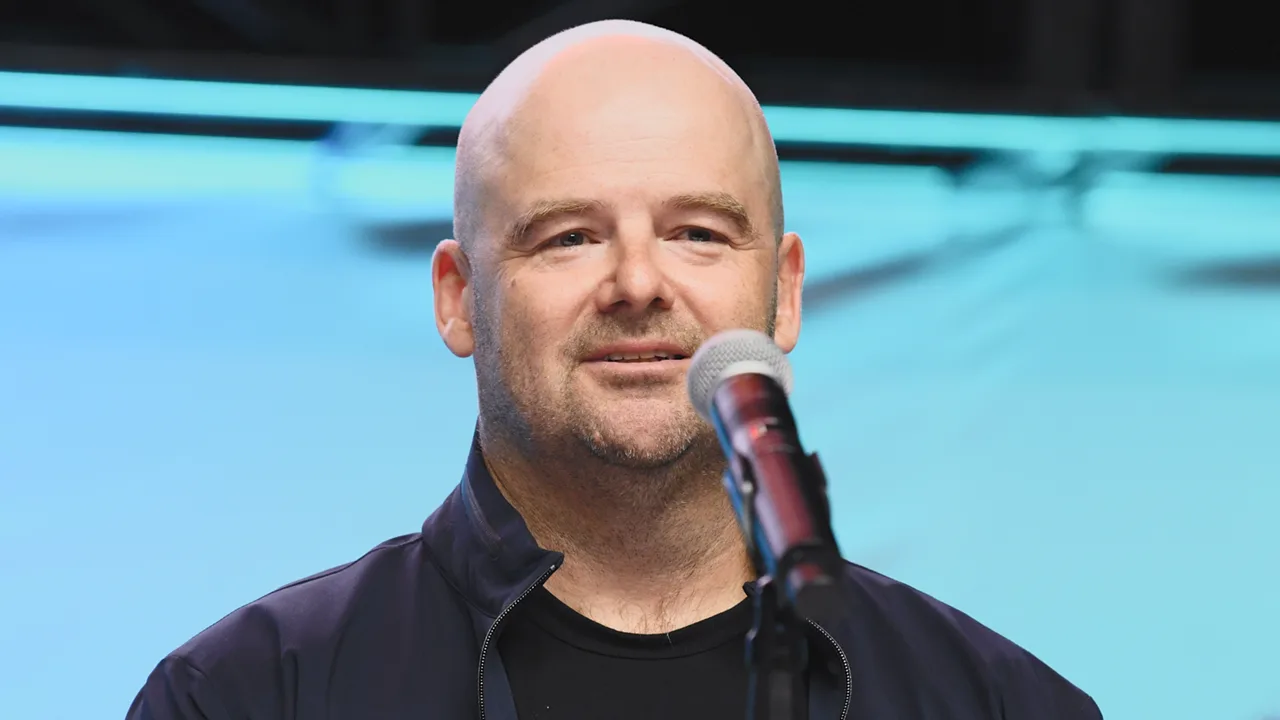
In an industry racing toward an all-digital future, one of gaming’s most influential voices has offered a surprisingly ambivalent take. Dan Houser, co-creator of Grand Theft Auto and Red Dead Redemption, told IGN at San Diego Comic-Con 2026 that he personally “doesn’t know that I care” about physical games, but firmly believes companies should serve consumer demand. His comments arrive at a moment of maximum tension: Sony has confirmed it will cease new physical game disc production by 2028, and Rockstar Games is preparing to ship GTA 6, the most anticipated release of the decade, as a code-in-a-box, with no playable disc inside.
Houser’s remarks offer a window into how even the architects of gaming’s biggest blockbusters are wrestling with the medium’s accelerating digital shift. But they also highlight an unresolved conflict between market efficiency and consumer choice, one that millions of physical-media buyers are still fighting to keep alive.
Houser’s Nuanced Stance
“I don’t know that I care, but if people want that, I think companies should provide it,” Houser said during the SDCC panel. “But I don’t know that I personally care.” The statement is classic Houser, direct, slightly offhand, yet carrying weight because of his legacy. He also acknowledged the benefits of digital releases, praising the ability to update and fix problems in games post-launch, a clear improvement over the “ship and forget” model of the disc era.
Houser interjected “I love physical media” during the same conversation, though some outlets have suggested the remark may have been referencing comic books rather than video games. The IGN interview does not specify context, so the intended reference remains unclear. What is clear is Houser’s broader point: the medium itself matters less than meeting the audience where they are.
It is important to note that Houser left Rockstar Games in 2020 and is now co-founder of Absurd Ventures, a narrative-focused studio. He has no direct influence over GTA 6’s all-digital packaging. When asked about that decision, he replied simply: “It’s going to go great for them, I’m sure.” Alongside him on the panel was Lazlow Jones, another former Rockstar veteran and now part of Absurd Ventures, who added his own perspective on the physical-digital debate.

The Industry’s Digital-Only Momentum
The context for Houser’s comments could not be more significant. In mid-2026, Sony confirmed that it will end production of new physical game discs for PlayStation starting in January 2028. This is not a rumor or a leak, it is a stated corporate policy. Meanwhile, Rockstar’s decision to ship GTA 6 this November without a disc, packaging only a digital download code, marks the first time a mainline Grand Theft Auto title will have no physical playable media at launch.
Both moves reflect a broader industry trend. Major publishers have been steadily reducing physical print runs, and retailers have cut shelf space for games. The logic is clear for publishers: digital sales offer higher margins, eliminate manufacturing and logistics costs, and prevent second-hand sales. But for consumers, the trade-off is loss of ownership, resale ability, and long-term preservation.
Houser’s acknowledgment that he personally does not care, yet still advocates for consumer choice, underscores the complexity. He is not a digital-only evangelist; he is a pragmatist who recognizes that companies have a responsibility beyond their balance sheets.
The Demand for Physical Is Still Strong
Despite the industry’s momentum, the data shows that physical media is far from dead. In the 12 months leading to June 2026, 37 million physical game copies were sold in the United States alone. That is a steep decline from the 292 million sold in 2009, but it is still a substantial market, especially for a format many analysts wrote off years ago. That persistent demand is reflected not just in sales, but in hardware: as of July 2026, 73% of PS5 sales in the US were disc editions. The vast majority of players are still buying consoles with optical drives, even if many primarily download games. And the second-hand physical game market, including consoles, accessories, and peripherals, is valued at $7.2 billion globally. The numbers tell a single story: consumers still want discs, even as publishers try to phase them out.
These figures suggest a persistent gap between corporate strategy and consumer behavior. Players continue to value the ability to own, trade, and lend games. The question is whether companies will continue to produce physical copies as a niche offering, or whether they will force the market’s hand by removing the option entirely.
The Broader Debate, Ownership, Preservation, and Developer Voices
Houser’s comments join a growing chorus of industry figures weighing in on the physical-digital divide. Yoko Taro, Hideo Kojima, and Ubisoft CEO Yves Guillemot have all recently spoken about the topic, reflecting a rare moment of cross-company dialogue.
At the heart of the debate is a simple concern: ownership. A digital license can be revoked, a storefront can shut down, and a game can become unplayable if servers go offline. Physical discs, despite their fragility, offer a tangible guarantee that a game cannot be taken away. Preservationists argue that the all-digital future endangers gaming history, games that exist only as server-dependent downloads may vanish entirely once support ends.
Houser’s defense of consumer choice, even if he does not personally feel the same urgency, is a notable gesture from someone who helped define the medium. He did not frame physical media as a relic or a burden. He simply stated that if enough people want it, the industry should provide it.
The Choice Is Still Ours to Demand
Dan Houser’s remarks capture a defining moment for gaming. Here is the co-creator of the most anticipated physical release of the year, a game that will ship without a disc, admitting ambivalence while championing consumer choice. He is not leading a charge for physical media, but he is refusing to dismiss it.
Houser’s message is deceptively simple: companies should follow consumer demand, not preempt it. Whether the industry listens may come down to whether 37 million buyers can make themselves heard over the logic of a balance sheet. The market will follow demand if that demand is visible and persistent. If you want physical games, keep buying them, keep asking for them, and keep reminding the industry that choice matters.