Yoshi and the Mysterious Book Review Roundup: A Charming but Divisive Switch 2 Debut
Quick Facts: Yoshi and the Mysterious Book | Developer: Good-Feel | Publisher: Nintendo | Platform: Nintendo Switch 2 (Exclusive) | Release Date: March 21, 2025 | Price: $59.99 (Physical and Digital)...

Quick Facts: Yoshi and the Mysterious Book | Developer: Good-Feel | Publisher: Nintendo | Platform: Nintendo Switch 2 (Exclusive) | Release Date: March 21, 2025 | Price: $59.99 (Physical and Digital) | ESRB: E for Everyone
Can a game that critics call both a "masterpiece" and "too simple" be worth your time? That's the question facing Nintendo Switch 2 early adopters as reviews land for Yoshi and the Mysterious Book, the first major exclusive from developer Good-Feel. With scores ranging from a perfect 5/5 from VGC to a lukewarm 6/10 from Nintendo Life, this watercolor pop-up book adventure has sparked one of the most heated critical debates of the year. Here's what the critics are saying—and what it means for players.
A Visual and Technical Showpiece for Switch 2
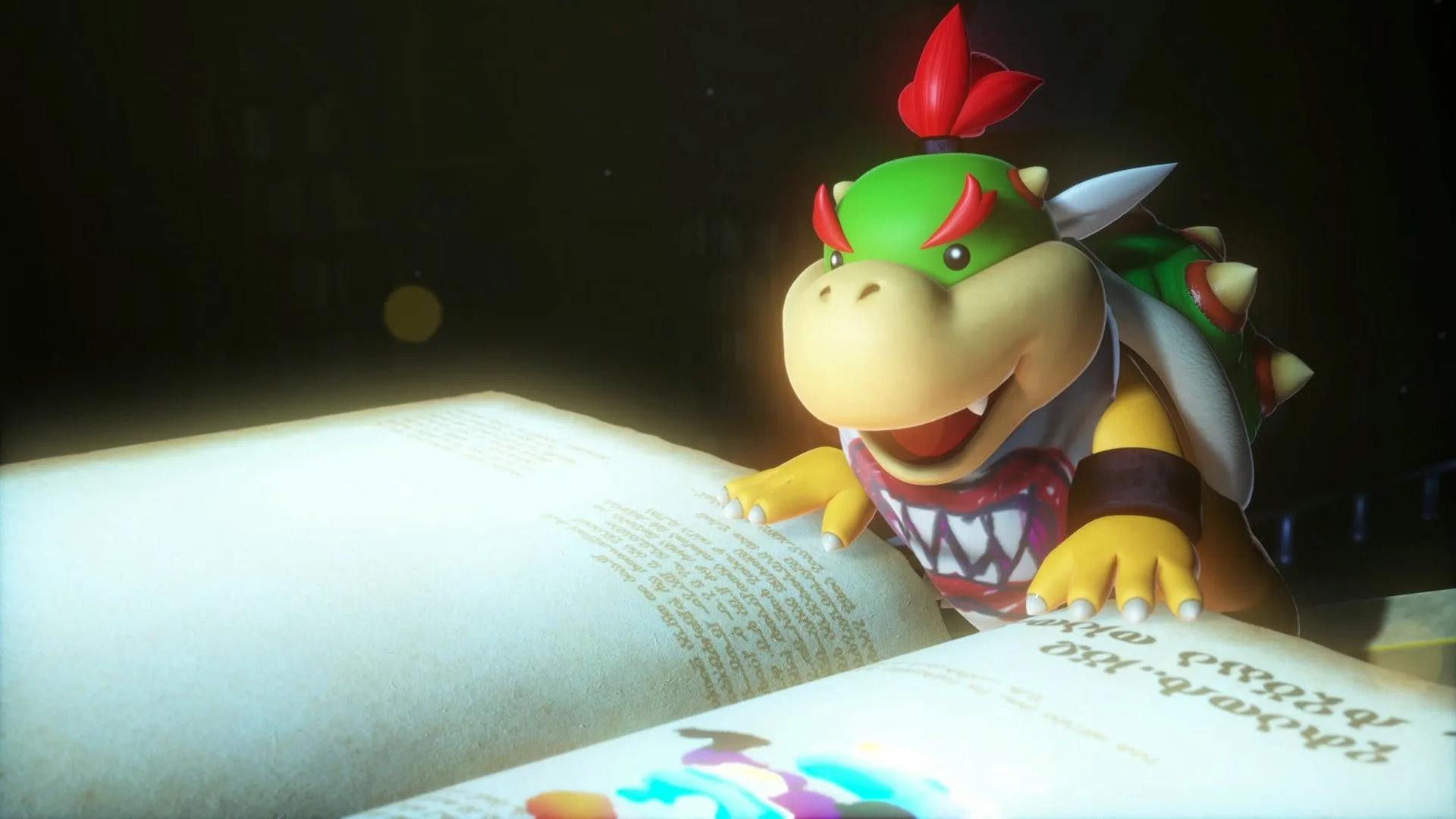
One area where critics universally agree: Yoshi and the Mysterious Book is a stunning showcase for the Switch 2's hardware. The game's watercolor, pop-up book, and stop-motion paper aesthetic is described as "breathtaking" by multiple outlets, with Tom's Guide calling it "a visual feast that rivals the best of Nintendo's first-party output." The art style, reminiscent of Good-Feel's previous work on Yoshi's Woolly World and Kirby's Epic Yarn, is elevated by the new system's power, running smoothly in 4K resolution with HDR support both on TV and in handheld mode.
However, even the game's most ardent admirers note a persistent flaw: long load times. VGC's Andy Robinson, who awarded the game a perfect 5/5, acknowledged that "boot times and transitions between levels feel noticeably sluggish, even by Nintendo's historically relaxed standards." This criticism is echoed by Nintendo Life's Ollie Reynolds, who gave a 6/10 rating and called the load times "an unfortunate blemish on an otherwise polished presentation."
Gameplay Innovation, Accessibility, and the Core Debate
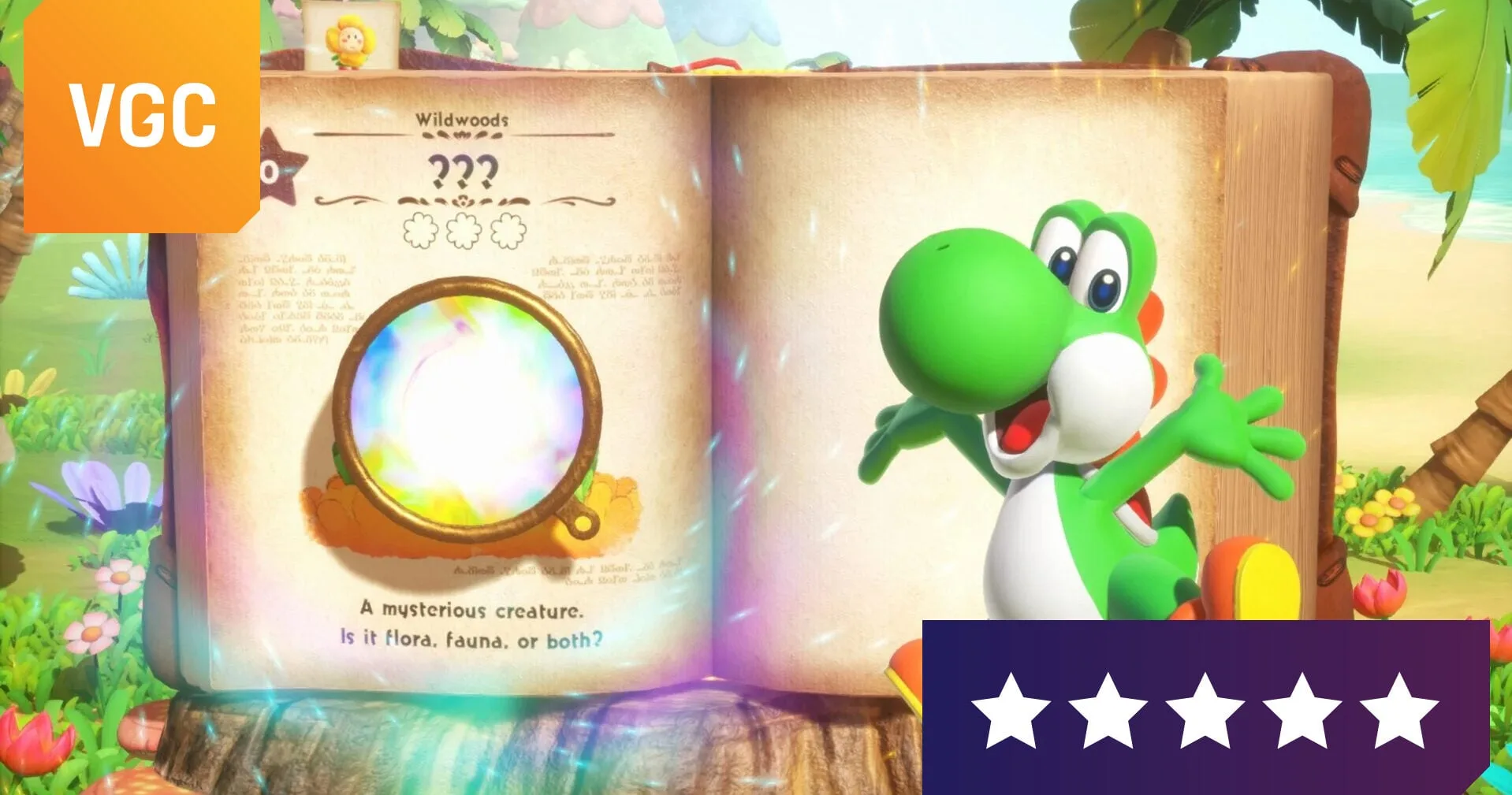
At the heart of Yoshi and the Mysterious Book lies a core concept that has proven both innovative and divisive. The game revolves around an enchanted encyclopedia named Mr. E, where Yoshi explores its pages to study and interact with fantastical creatures. Every level introduces a new creature that subverts platforming in unique ways, often becoming power-ups—such as a slug that can be thrown like a boomerang or a surfboard Yoshi can ride. A learning system allows Yoshi to scribble knowledge about creatures onto level scenery, creating a permanent knowledge base for late-game collectible hunting.
The level design is described as a "dynamic playground" by VGC, tracking variables like weight, temperature, and water quality to allow multiple solutions to challenges. Consider one example: in a level set in a frozen tundra, players must use a frost-breathing creature to freeze a river, then ride the resulting ice on a surfboard Yoshi to reach a hidden collectible—a classic illustration of the game's systemic design. This approach has led some critics to draw comparisons to Scribblenauts and Pokémon Snap, emphasizing discovery over traditional platforming.
Yet this very innovation has sparked the sharpest division among reviewers. VGC's Robinson calls it "a platformer Breath of the Wild" for its systemic sandbox design, praising how "every interaction feels meaningful and emergent." In contrast, Nintendo Life's Reynolds finds the approach too simple and vague, writing that "even for a younger audience, the puzzle solutions feel overly opaque." The Gaming Bible's Sam Cawley notes that the game's charm is its most divisive feature, suggesting player reception will be split based on tolerance for the game's gentle pace.
Yoshi cannot take damage; falling into pits returns the player to safety, reinforcing a stress-free, exploratory experience. This design choice has drawn comparisons to Super Mario World 2: Yoshi's Island for its creature interactions, while being criticized for lacking that classic's challenge. The single-player only focus may also disappoint fans of co-op Yoshi games, a notable omission given the series' history.
Length, Replayability, and the Post-Credits Surprise
One of the game's most intriguing design choices is its narrative structure. The story concludes at roughly the halfway point, with post-credits content offering new tools, nostalgic references, and levels. This structure encourages a discovery-focused exploration loop, with players often backtracking voluntarily to find new interactions. Tom's Guide describes the exploration as "addictive," noting that "the game rewards patience and curiosity in ways that few modern platformers attempt."
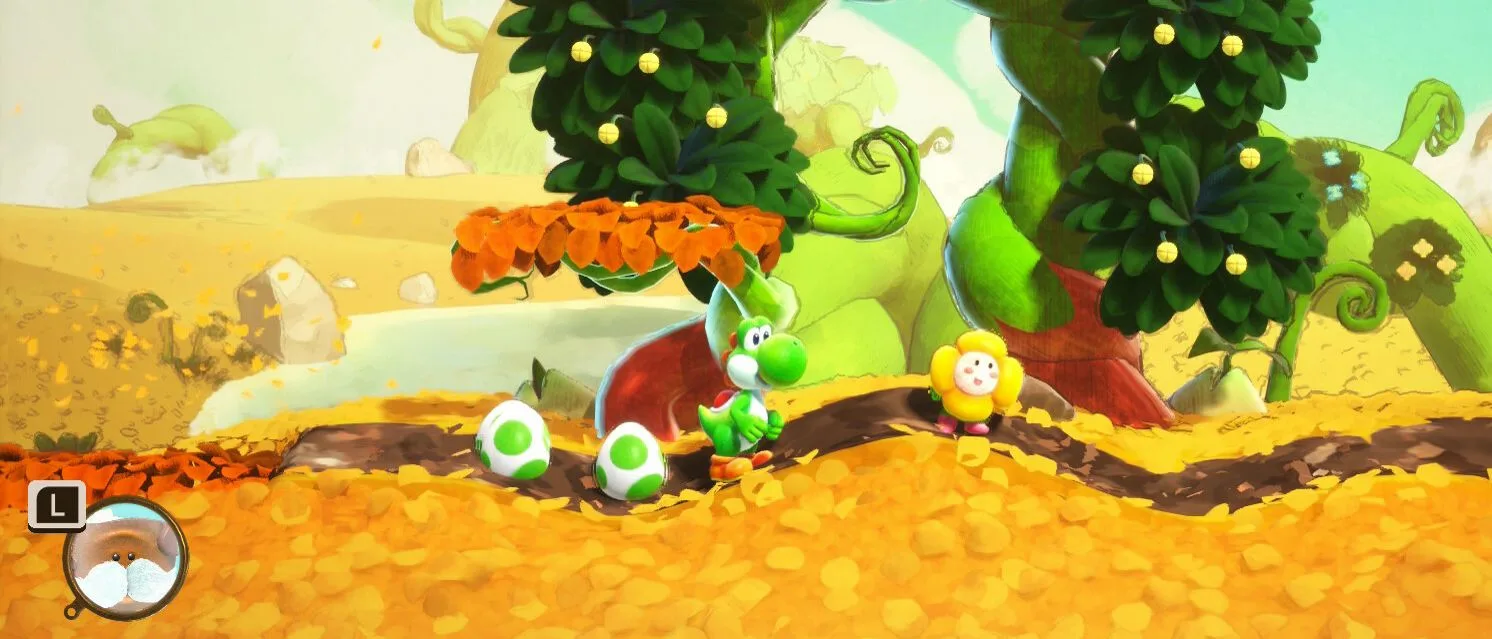
The boss fights featuring Kamek and Bowser Jr. are described as "some of the best" in a Yoshi game by multiple outlets, though the lack of time limits and damage means low-stakes action. The consistent criticisms—long load times, occasionally confusing level design when hunting for last interactions, and a pace some find too leisurely—suggest a game that rewards patience but may frustrate those seeking traditional platforming thrills.
What the Scores Mean
| Outlet | Score | Key Takeaway |
|---|---|---|
| VGC | 5/5 | "A platformer Breath of the Wild" |
| Tom's Guide | 4.5/5 | "A must-play for series fans" |
| Gaming Bible | 7/10 | "Charm is its most divisive feature" |
| Nintendo Life | 6/10 | "Too simple and vague" |
The Verdict
Yoshi and the Mysterious Book emerges as one of the most polarizing Nintendo exclusives in recent memory—a technical marvel and creative playground that some will adore as a relaxing, systemic adventure, while others will find it too simplistic and aimless. The game's post-credits content and addictive exploration loop suggest strong replay value for those who click with its vibe, but the lack of challenge and single-player focus may limit its appeal.
Who should buy it: Younger players, adults seeking a low-stress escape, and fans of discovery-focused games like Pokémon Snap or Scribblenauts.
Who should skip it: Players craving traditional platforming thrills, challenge-focused gamers, or those who prefer co-op experiences.
Ultimately, this is a game that rewards patience and curiosity—but whether that's a virtue or a flaw depends entirely on what you're looking for. Is this the future of Nintendo's 2D platformers, or a beautiful dead end? The answer, like the game itself, is divided.