Xbox Is Rebranding Itself: What the Return to Its Roots Means for Gamers
For two decades, the green "X" was a beacon in living rooms worldwide—a symbol of late-night multiplayer sessions, console rivalries, and a gaming-first ethos that defined a generation. Then it went...

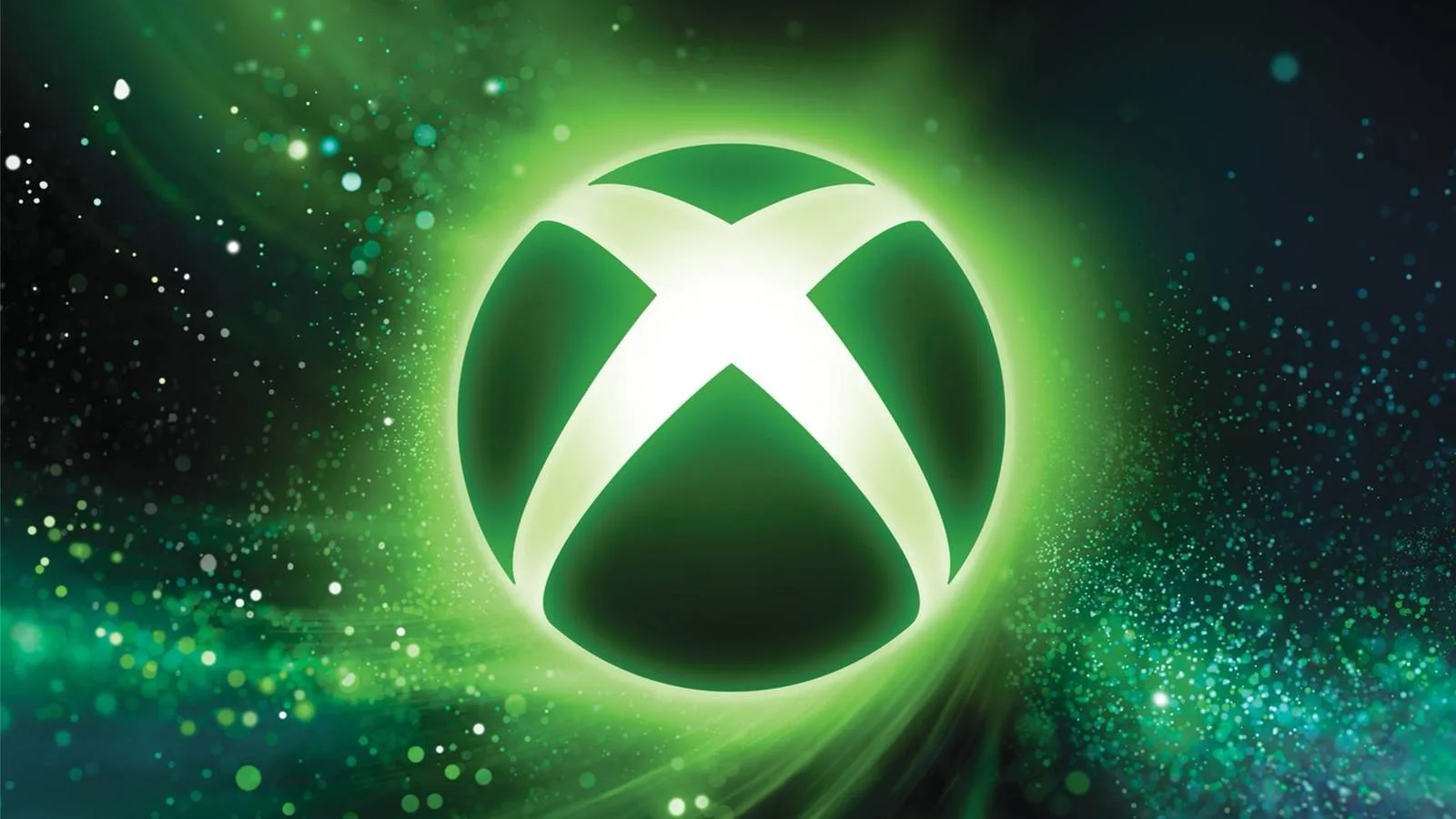
For two decades, the green "X" was a beacon in living rooms worldwide—a symbol of late-night multiplayer sessions, console rivalries, and a gaming-first ethos that defined a generation. Then it went quiet, replaced by a sterile white-on-black logo that felt more corporate than cool. Now, Xbox is bringing it back. Effective April 23, 2026, the company is scrapping the "Microsoft Gaming" name, reviving its classic green logo, and signaling a return to the brand that launched the console wars in 2001. But this isn't just a cosmetic refresh—it's a fundamental pivot in strategy, leadership, and philosophy. Here's what it all means for players.
The Rebranding—Why Xbox Is Dropping "Microsoft Gaming"
The most visible change is the logo. Out goes the minimalist white design that defined the Xbox Series X|S era, and in comes the vibrant, trademark green that first appeared in 2001. Xbox headquarters have been revamped with messages reading "return of Xbox," reinforcing that this is more than a marketing gimmick—it's an internal cultural shift.
The decision to drop the "Microsoft Gaming" name was announced by new CEO Asha Sharma, who took the reins after a period of significant leadership turnover. In an open letter to staff, Sharma explained the rationale with blunt honesty: "'Microsoft Gaming' describes our structure but it does not describe our ambition. So, we are going back to where we started and changing our team's name. We are Xbox." She further stated that operating under the corporate moniker was "too far removed from the company's original personality," adding that "Xbox needs to be our identity."
This rebranding isn't just about aesthetics; it's a deliberate attempt to reconnect with the gaming community after years of operating under a corporate umbrella that felt increasingly detached from the product itself. For longtime fans, the green logo is a symbol of the brand's rebellious, player-first ethos—a stark contrast to the bureaucratic "Microsoft Gaming" that many felt prioritized spreadsheets over passion.

Leadership Shakeup—The End of the Phil Spencer Era
The rebranding follows a seismic shift in leadership. In early 2026, longtime Microsoft Gaming CEO Phil Spencer retired, marking the end of an era that saw Xbox navigate the turbulent waters of the Xbox One generation, the acquisition spree that brought Bethesda and Activision Blizzard under its roof, and the rise of Game Pass as a dominant force in gaming. His expected successor, Sarah Bond, also departed, leaving a leadership vacuum that was quickly filled by Asha Sharma.
Sharma, who previously held executive roles at Microsoft, brings a fresh perspective and a mandate to refocus the brand. She is working alongside Executive Vice President Matt Booty on the overhaul, signaling a collaborative leadership approach that contrasts with the more centralized decision-making of the Spencer era. The team's long-term priorities are clear: hardware, content, experience, and services, with plans to revisit models related to exclusivity, windowing, and AI.
Major Policy Changes—Game Pass Price Cut and Call of Duty Delay
The most immediate impact for players will be felt in their wallets. In a surprising move, Xbox Game Pass Ultimate has been reduced from $30/month to $22.99/month. In an era where subscription costs are rising across the entertainment industry—Netflix, Spotify, and even PlayStation Plus have all seen price hikes—this price cut is a clear signal that Xbox is willing to sacrifice short-term revenue for long-term goodwill.
However, there's a catch. Call of Duty will no longer be a day-one release on Game Pass. New entries in the blockbuster franchise will now be added approximately one year after launch. This represents a significant shift from the previous strategy, which aimed to make Game Pass the ultimate destination for every major release. The change reflects a more measured, sustainable approach to content windowing and subscription economics—one that prioritizes profitability over the "all-you-can-eat" model that had become increasingly unsustainable.
For players, this means a trade-off: a lower monthly price, but with the understanding that the biggest games may take longer to arrive. It's a pragmatic move that acknowledges the reality of publishing economics, but it also risks alienating the hardcore fans who subscribed specifically for day-one access to Activision's crown jewel.
What's Next—Hardware, Exclusivity, and a Customizable Game Pass
Looking ahead, the company is promising a more flexible, player-centric approach. Sharma and Booty have stated that Xbox will be "built to be affordable, personal, and open," offering flexible pricing and customizable experiences. This language hints at a shift away from the one-size-fits-all subscription model toward a more modular system that lets players choose what they want to pay for.
Industry insiders have hinted at the possibility of a customizable Xbox Game Pass plan—one that would allow users to select specific tiers or content packages rather than paying for the full suite. While these plans have not been officially confirmed, they align perfectly with the new "personal" brand direction. A potential model might include options like a "Shooter Pack" or "RPG Bundle" instead of paying for games you'll never play. That kind of flexibility could redefine how we think about game subscriptions.
Hardware is also on the agenda, though details remain scarce. The company's long-term priorities include hardware, content, experience, and services, with plans to revisit models related to exclusivity, windowing, and AI. Analysts suggest that the next generation of Xbox consoles will prioritize affordability and openness over raw power, potentially moving away from the "Series X|S" naming convention.
Winning Back the Audience—A Reputation Repair Effort
Let's be honest: the past few years have been rocky for Xbox. From the disastrous reveal of the Xbox One to the controversy surrounding studio closures, the perception of the brand among core gamers has taken a hit. The rebranding is widely seen as an attempt to win back longtime customers after a period of rocky reputation with the audience.
By scrapping the corporate "Microsoft Gaming" name and returning to the beloved Xbox identity, the company is signaling a return to its gaming-first roots. The green logo, the price cuts, and the openness about customizable plans are all designed to rebuild trust and loyalty among the core gaming community. It's a recognition that, at its heart, Xbox is not a corporate division—it's a gaming brand with a passionate fanbase.
The message is clear: Xbox is ready to be Xbox again. Whether this nostalgic pivot will be enough to win back disillusioned fans remains to be seen, but one thing is certain—the company is betting that its past holds the key to its future.
The Xbox rebranding is far more than a logo swap. It's a deliberate return to the brand's soul after years of corporate abstraction. With new leadership, a price cut on Game Pass, and a promise of affordability and openness, Xbox is signaling that it's ready to listen to its community once more. The green is back, the name is back, and the ambition is clear. While some details remain unconfirmed, the direction is unmistakable: Xbox is charting a new course—one that looks a lot like the old one.