Valve's Steam Machine Launch Hinges on Price: How Regional Pricing Tools Could Be the Key
The Steam Machine's Promise and Its Pricing Peril The Steam Machine concept is elegantly simple: a TV-friendly PC console. Designed to play a user’s existing Steam library without the complexity of a...


The Steam Machine's Promise and Its Pricing Peril
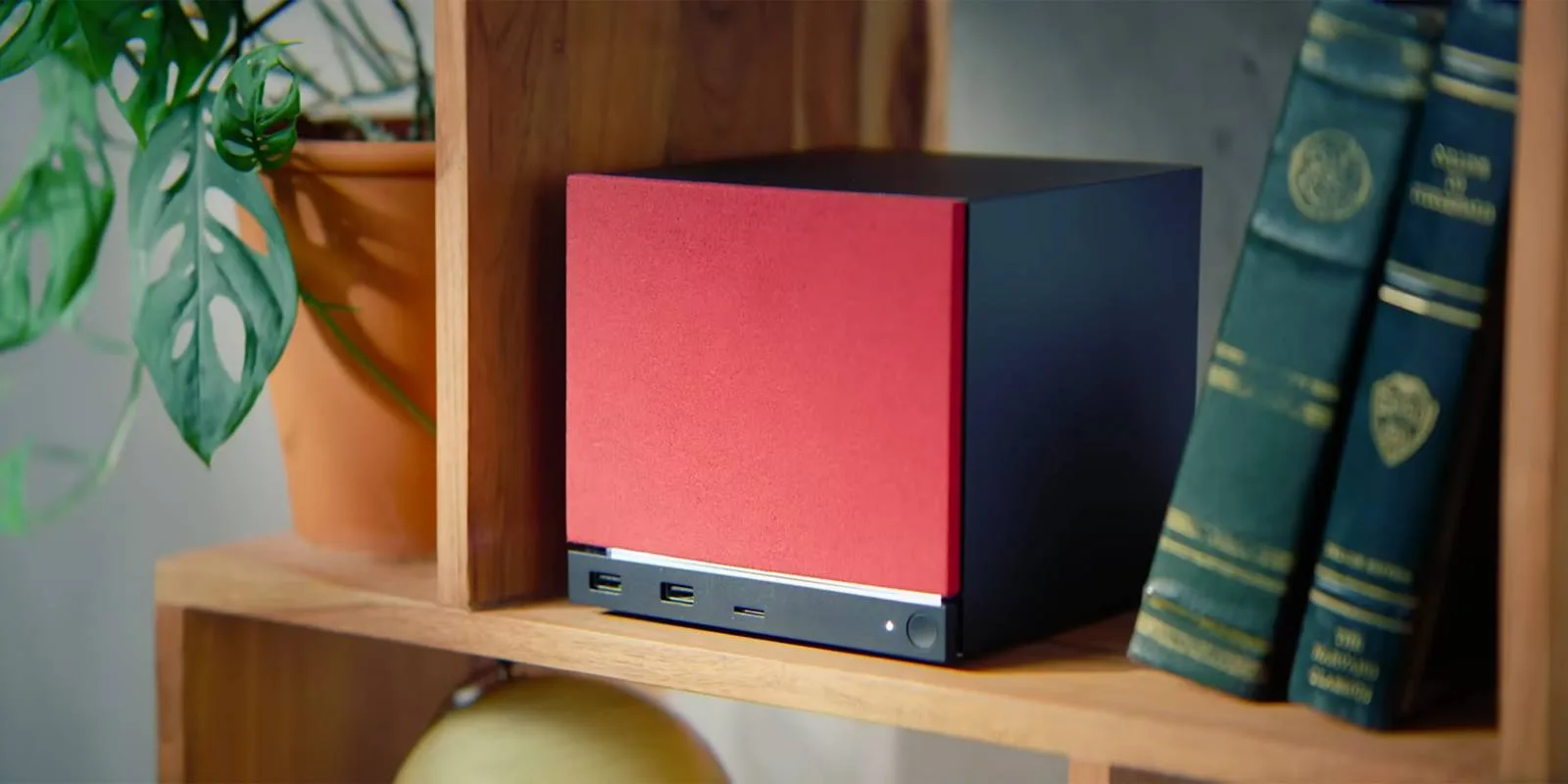
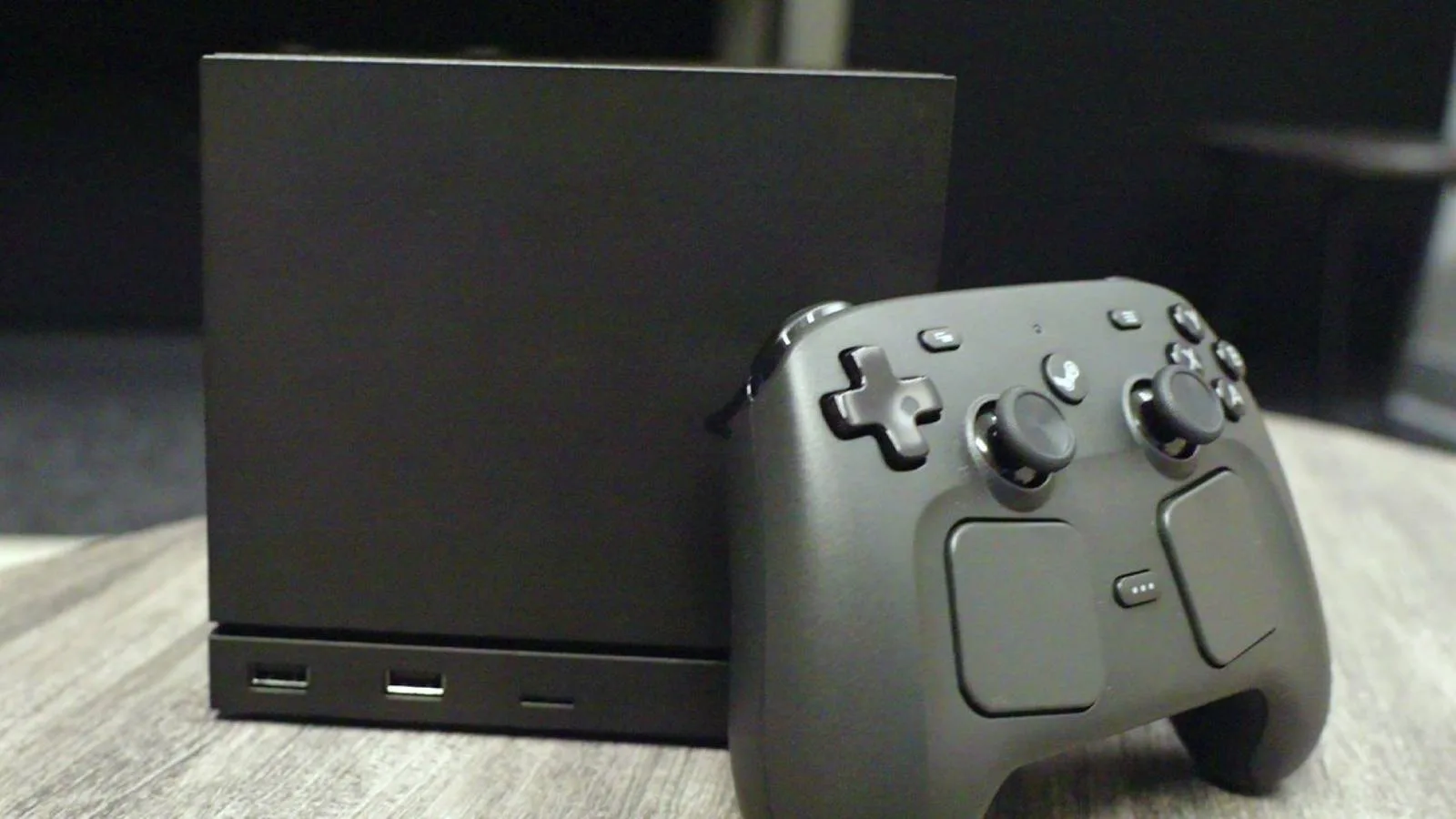
The Steam Machine concept is elegantly simple: a TV-friendly PC console. Designed to play a user’s existing Steam library without the complexity of a traditional desktop setup, it targets the space between a PlayStation and a custom gaming rig. The confirmed specifications are solid, with two models (512GB and 2TB) supporting up to 4K at 60fps, alongside Wi-Fi, Bluetooth, and microSD expansion.
Yet, its path to market has been rocky. Valve delayed the launch from its original schedule, citing industry-wide shortages and soaring costs for critical components like RAM, SSDs, and GPUs. While a Summer 2026 release is still planned, the final price remains a closely guarded secret.
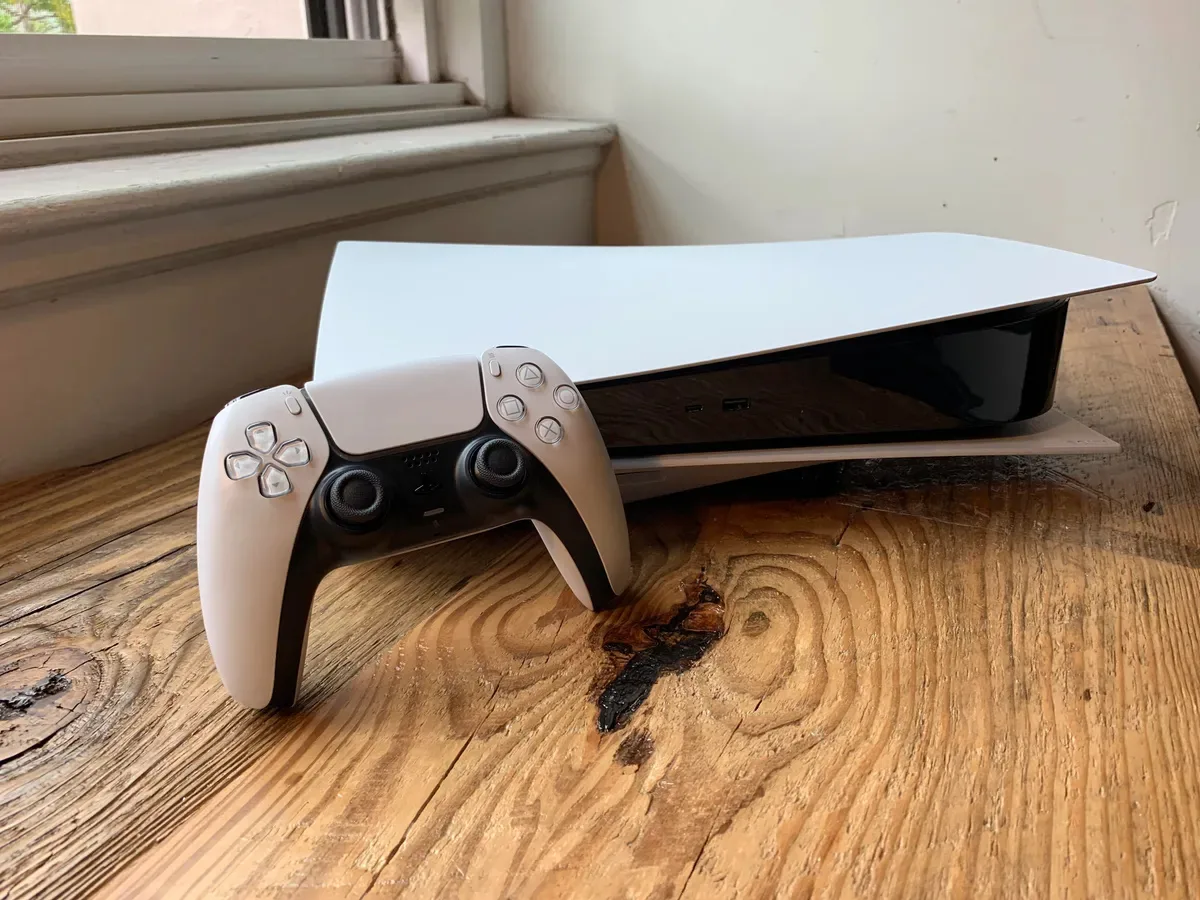
This uncertainty fuels significant gamer anxiety. Valve executives have stated the target is to be "more in line with what you might expect from the current PC market," aiming for parity with a similarly specced PC build. The community translation of that corporate speak is a widespread fear of a price exceeding $1,000. On platforms like Reddit, this figure is repeatedly cited as a potential deal-breaker. The context is critical: even at a competitive PC price point, the Steam Machine would enter a market where the PlayStation 5 and Xbox Series X|S are established, powerful, and significantly cheaper. The console’s value proposition hinges on accessing a pre-existing Steam library; a prohibitive entry fee could nullify that advantage before the race even begins.
Valve's New Regional Pricing Playbook for Software
In March 2026, just months before the anticipated hardware launch, Valve rolled out a significant update to the regional pricing conversion tools it provides to developers and publishers. This move was designed to "better reflect current market conditions around the world" across Steam’s 35 currencies.
The update introduced three new suggested pricing methodologies:
- Pure Exchange Rate: A straightforward conversion based on current forex rates.
- Purchasing Power Parity (PPP): A model using public data on the average purchasing power of customers in specific countries.
- Combined Data: A blend of PPP, the cost of comparable local entertainment, and exchange rates—effectively modernizing Valve’s previous recommendation system.
This framework is precisely that: a set of tools and suggestions. Valve confirmed that prices only change if a developer manually submits new ones, and pricing decisions do not affect a game's visibility in Steam's algorithms. The impact is likely to be most felt in the indie sphere, where smaller studios are more sensitive to regional accessibility, while AAA publishers often maintain firmer, consistent global pricing. Nevertheless, the update signals a clear philosophical shift from Valve: acknowledging that a one-size-fits-all price tag is an outdated model in a globally connected yet economically diverse marketplace.
The Hardware Imperative: Why Regional Pricing is Non-Negotiable
Valve has demonstrated, through software, that it possesses the data, the framework, and the philosophical inclination to address global price sensitivity. For the Steam Machine to succeed, this logic must now be applied to hardware with decisive action. The traditional console model of a fixed, global MSRP stands in stark contrast to the flexible, market-responsive pricing Valve champions for games. Adopting a regionalized strategy for the Steam Machine is not a mere option; it is the strategic imperative to unlock its potential.
The Strategic Opportunity
Applying regional logic to hardware could yield profound benefits. It would make the console genuinely accessible in regions with lower purchasing power, building immense global goodwill and directly confronting the feared "$1,000+ barrier" in key markets. This isn't merely about charity; it's a strategic move to seed the platform in growth markets from day one, creating a larger, more diverse install base from the outset. This directly benefits the very developers Valve is equipping with new regional software tools, creating a virtuous cycle that strengthens the entire Steam ecosystem.
The Daunting Challenges
The obstacles, however, are formidable. Logistics and supply chain management become exponentially more complex. The most significant hurdle would be preventing regional arbitrage—the grey market import/export of consoles from low-price regions to high-price ones, which could undermine entire regional strategies and retailer relationships. Valve would need a robust system, potentially involving careful supply allocation or other measures, to make this feasible.
The Platform Stakes
The importance of this decision extends far beyond moving units. The Steam Machine is the spearhead for expanding Steam's ecosystem into the living room. A high, uniform global price risks limiting adoption to a wealthy niche, resulting in a weak platform launch. This would cede the valuable TV space to competitors and fail to create the vibrant, large-scale ecosystem that makes Steam successful on PC. The synergy is clear: a larger, globally diverse hardware platform means a larger, more engaged audience for games priced intelligently for those same audiences.
Conclusion
The Steam Machine stands at a crossroads. Valve's innovative update to regional software pricing proves the company understands the diversity of the global market. For its hardware to succeed where it matters most—in the hands of a broad, worldwide audience of gamers—Valve must make one bold, unprecedented change. The Summer 2026 launch will be the ultimate test of whether Valve's platform philosophy can adapt to the hard economic realities of both bits and atoms.
Whether Valve takes this risk will signal more than just its confidence in the Steam Machine; it will reveal if the company is truly ready to reinvent console market economics, or if it will remain a software giant playing by the old hardware rules.
Tags: Steam Machine, Valve, PC Gaming, Regional Pricing, Console Launch