Starfield's PS5 Launch: Analyzing the "Middling" Sales and What They Mean for Xbox's Multi-Platform Strategy
Starfield 's PlayStation 5 debut delivered a paradox for Microsoft: it was simultaneously a leader and a laggard. According to industry data, Bethesda's space RPG sold an estimated 140,000 copies on...

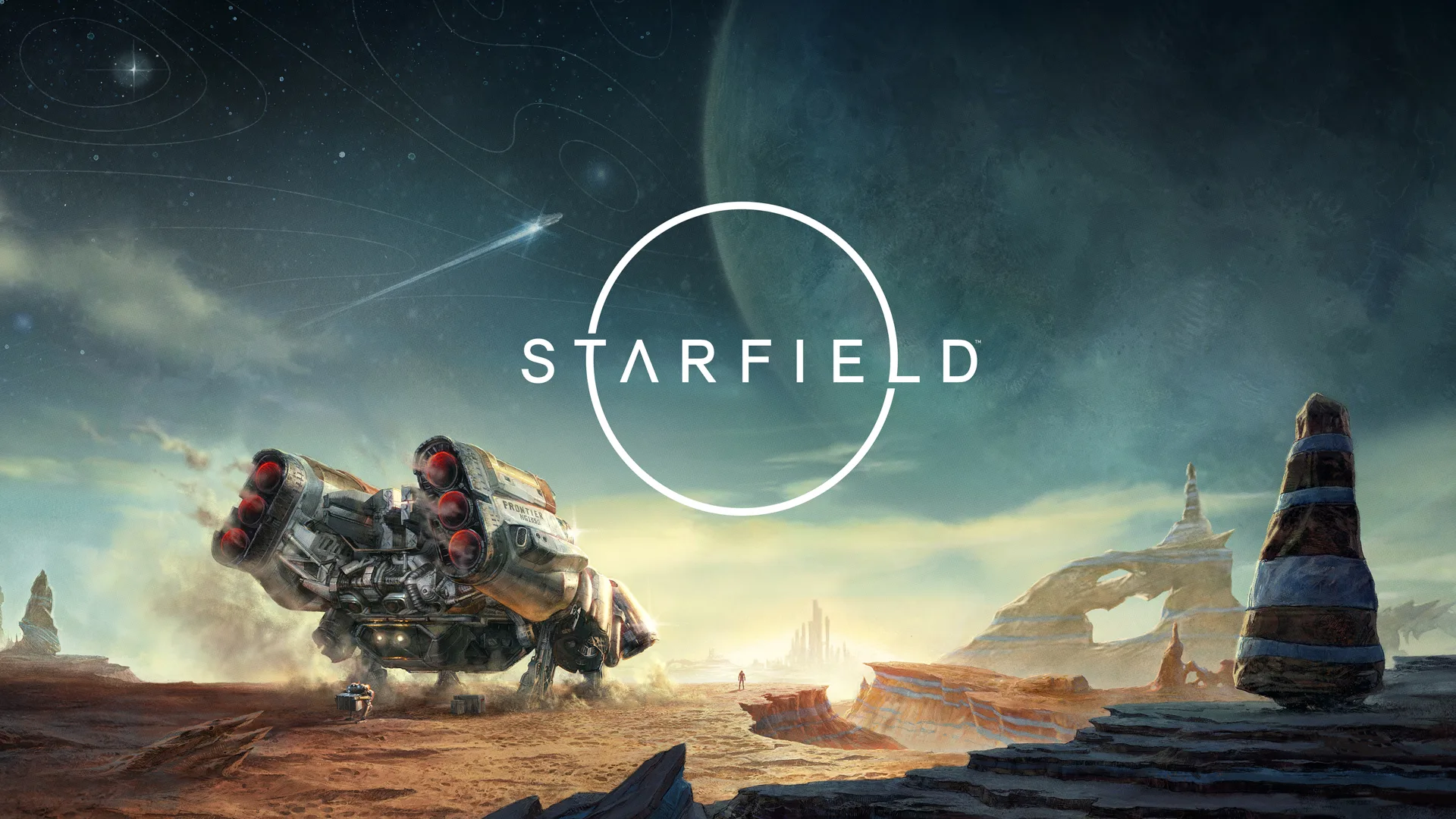
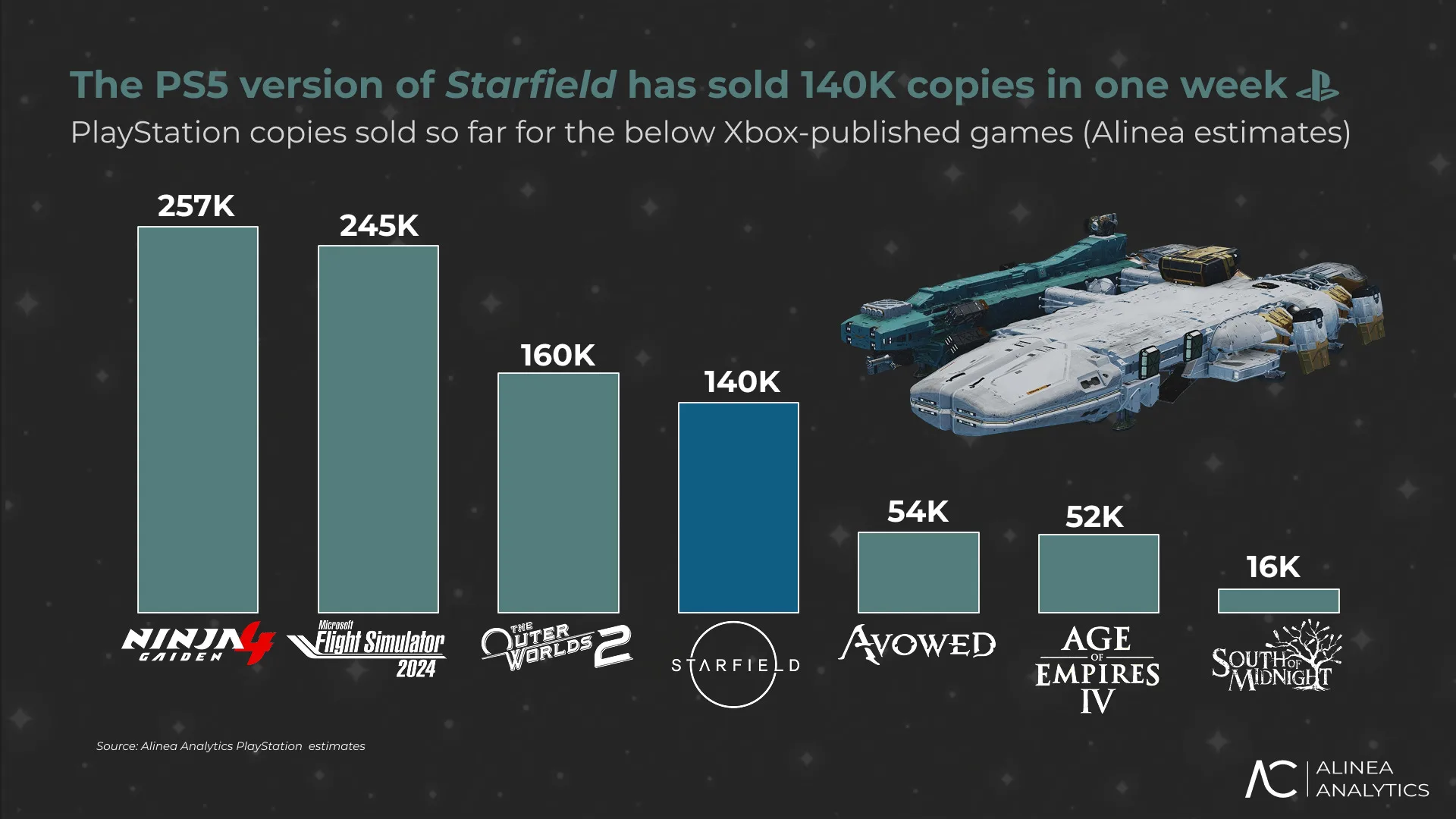
Starfield's PlayStation 5 debut delivered a paradox for Microsoft: it was simultaneously a leader and a laggard. According to industry data, Bethesda's space RPG sold an estimated 140,000 copies on PS5 in its first week—a figure analysts have called 'middling.' Yet, among recent Xbox games ported to Sony's console, its start was the fastest. This contradictory result is the first major test of Microsoft's new multi-platform strategy, and it reveals critical lessons about player loyalty, late ports, and the future of blockbuster releases.
The arrival of Starfield on PS5 was one of the most anticipated—and controversial—moments of the 2026 gaming calendar. After launching as a flagship exclusive for Xbox and PC in 2023, Bethesda’s cosmic RPG became a central pillar of Microsoft’s seismic shift toward a multi-platform publishing strategy. Its performance on a rival platform was poised to be a major test of that new vision. This paradox—a leading performer that’s still considered middle-of-the-pack—raises the central question: What do these numbers truly reveal about player interest, platform loyalty, and the future of Microsoft’s cross-platform ambitions?
The Numbers: A "Middling" But Leading Debut
The headline figure of 140,000 units sold is the cornerstone of the analysis. Described as "middling," this performance places Starfield squarely in the middle of the pack when compared to the first-week sales of other recent Xbox-published titles that have made the jump to PS5. It’s a solid, respectable number, but not the breakout hit some may have expected for a game of its pedigree and marketing weight.
However, the context flips the narrative. Among a specific peer group of six recent Xbox-to-PlayStation ports, Starfield’s debut was the fastest. It notably outsold the next-closest title, Ninja Gaiden 4, which moved approximately 100,000 copies in its first week. This indicates that, within the specific context of Microsoft’s new multi-platform initiative, Starfield was a relative success story out of the gate. Its launch was also bolstered by significant new content, arriving simultaneously with the major Free Lanes update and the Terran Armada DLC expansion. This bundle-of-everything approach was clearly designed to offer maximum value to PlayStation players experiencing the game for the first time, potentially influencing the day-one purchase decision.
The Long Road Ahead: Starfield vs. Xbox's PS5 Heavyweights
To understand the scale of the challenge ahead, one must look at the upper echelon of Xbox’s cross-platform success. The benchmark is Forza Horizon 5, which has sold a staggering over 5.7 million copies on PS5 to date. The chasm between 140,000 and 5.7 million+ is monumental, illustrating the difference between a successful port and a genuine, genre-defining phenomenon on a rival platform.
This gap isn’t just about numbers; it speaks to genre appeal, timing, and market positioning. Forza Horizon 5 is an accessible, critically acclaimed racing game that launched on PS5 relatively early in the console's lifecycle. Starfield, a massive, slower-paced space RPG, arrived on PS5 nearly three years after its initial release and after extensive discourse around its strengths and flaws. Its path to significant sales on PlayStation will likely depend on long-tail growth through discounts, word-of-mouth, and continued updates, rather than explosive launch momentum.
Starfield’s performance also exists within a spectrum of outcomes for Xbox’s multi-platform push. Imagine a spectrum where, on one end, a title achieves platform-parity, selling evenly across Xbox and PlayStation. On the other, a title demonstrates a dramatic platform skew, with the vast majority of its sales coming from PS5. Starfield’s "middling" debut sits between these hypothetical poles, a data point in an ongoing experiment.
The PS5 Player Profile: Who Actually Bought Starfield?
If the comparison to Forza shows the scale of the challenge, examining who bought Starfield on PS5 reveals the nature of its initial success. Analysis suggests the primary PS5 buyers were existing fans of Bethesda’s RPG catalog—players of Fallout 4 and The Elder Scrolls series—and enthusiasts of similar spacefaring titles like The Outer Worlds 2 and No Man’s Sky.
This profile suggests that the PS5 port, at least initially, succeeded in capturing a dedicated, pre-qualified audience. These were players who were always interested in Starfield but had been waiting for it to come to their platform of choice, possibly even holding out for the bundled DLC and update. The data implies less success, so far, in converting the broader PlayStation mainstream—those with no prior affinity for Bethesda’s design or the space RPG genre—into day-one buyers. The core audience showed up, but the question remains whether the game can expand beyond that circle.
The Bigger Picture: Lessons for Xbox and Bethesda
So, is a "middling" but leading debut considered a win for Microsoft’s strategy? The answer is likely a cautious yes. For a late port of a game that was the subject of intense platform exclusivity debate, moving 140,000 units quickly and leading its peer group validates the potential of releasing former exclusives on new platforms. It provides a revenue boost and expands the game’s community. However, it also clearly shows that late ports have a ceiling and face an uphill battle to match the impact of day-one multi-platform blockbusters.
The lessons learned here will inevitably feed into the future, most notably for Bethesda’s next titan, The Elder Scrolls VI. In a separate interview, director Todd Howard confirmed that development lessons from Starfield are being directly applied to TES VI, which will use an upgraded version of the Creation Engine 2. Beyond technical lessons, the commercial reception on PS5 may influence strategic discussions. While no official announcements have been made, the performance of Starfield and other titles will heavily inform whether The Elder Scrolls VI launches as a multi-platform title from day one—a move that could maximize its reach and avoid the "catch-up" dynamic seen here.
Starfield’s PS5 debut is a tale of nuanced metrics, defying simple labels of failure or triumph. It successfully mobilized its core audience on a new platform and proved it could lead its cohort of Xbox ports. Yet, the shadow of titans like Forza Horizon 5 looms large, highlighting the monumental challenge of achieving breakout, genre-transcending success on a rival console years after launch. The true test for Starfield on PlayStation now shifts to its sales longevity and its ability to attract new players through updates and discounts.
The data from this experiment sends a clear, two-part message for Microsoft's strategy: there is reliable revenue and audience expansion in porting established exclusives, but to achieve true platform-defining success, day-one multi-platform availability is not just an option—it may be a necessity for the next generation of titles like The Elder Scrolls VI.