The Adventures of Elliot: The Millennium Tales Review - A Gorgeous Action-RPG Hampered by a Safe Story and an Annoying Fairy
Team Asano built its reputation on bold, character-driven RPGs like Octopath Traveler and Triangle Strategy . The studio's signature HD-2D art style and turn-based combat became hallmarks of modern...

Team Asano built its reputation on bold, character-driven RPGs like Octopath Traveler and Triangle Strategy. The studio's signature HD-2D art style and turn-based combat became hallmarks of modern retro-inspired design. Now, with The Adventures of Elliot: The Millennium Tales, the team ventures into action-RPG territory for the first time, marrying real-time combat with the beloved pixel-and-polygon aesthetic. The result is a game that plays beautifully and looks stunning, but tells a story so safe it misses the mark. Compounding the problem is Faie, a fairy companion whose non-stop chatter has already sparked an apology from the developers and a day-one patch to reduce her dialogue. Kotaku’s Rebekah Valentine spent 23 hours with the game, and the broader critical consensus (Metacritic 79, Generally Favorable; OpenCritic 82 with an 89% recommendation rate) paints a picture of a solid but deeply uneven adventure.
Combat and Exploration, Where the Magic Lives
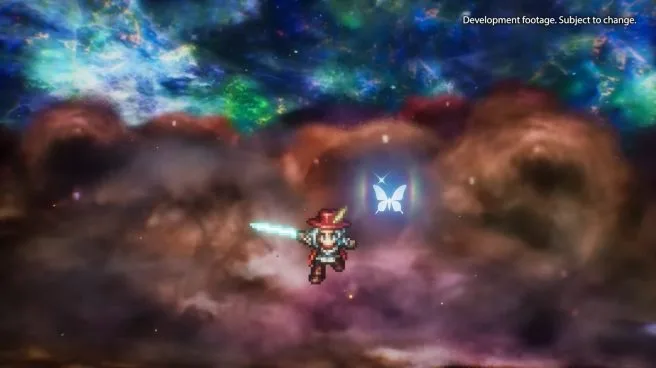
The first thing that strikes you about Elliot is how good it feels in motion. This is Team Asano's first real-time combat system in HD-2D, and it works. The game offers seven distinct weapon types, sword, spear, hammer, sickle and chain, bow, boomerang, and bombs, each with unique attack patterns and reach. There is no dodge roll; instead, you block and parry with a shield, adding a tactical layer to encounters that separates them from the button-mash frenzy of many action-RPGs. It draws comparisons to the responsive feel of games like Hades or Ys, but with a more deliberate, shield-focused approach.
The Magicite system, a gem-based customization mechanic, lets players tailor their abilities and party roles. Slotting different gems changes active skills and passive bonuses, encouraging experimentation with loadouts. It is a rewarding loop that makes combat feel fresh even after hours of play.
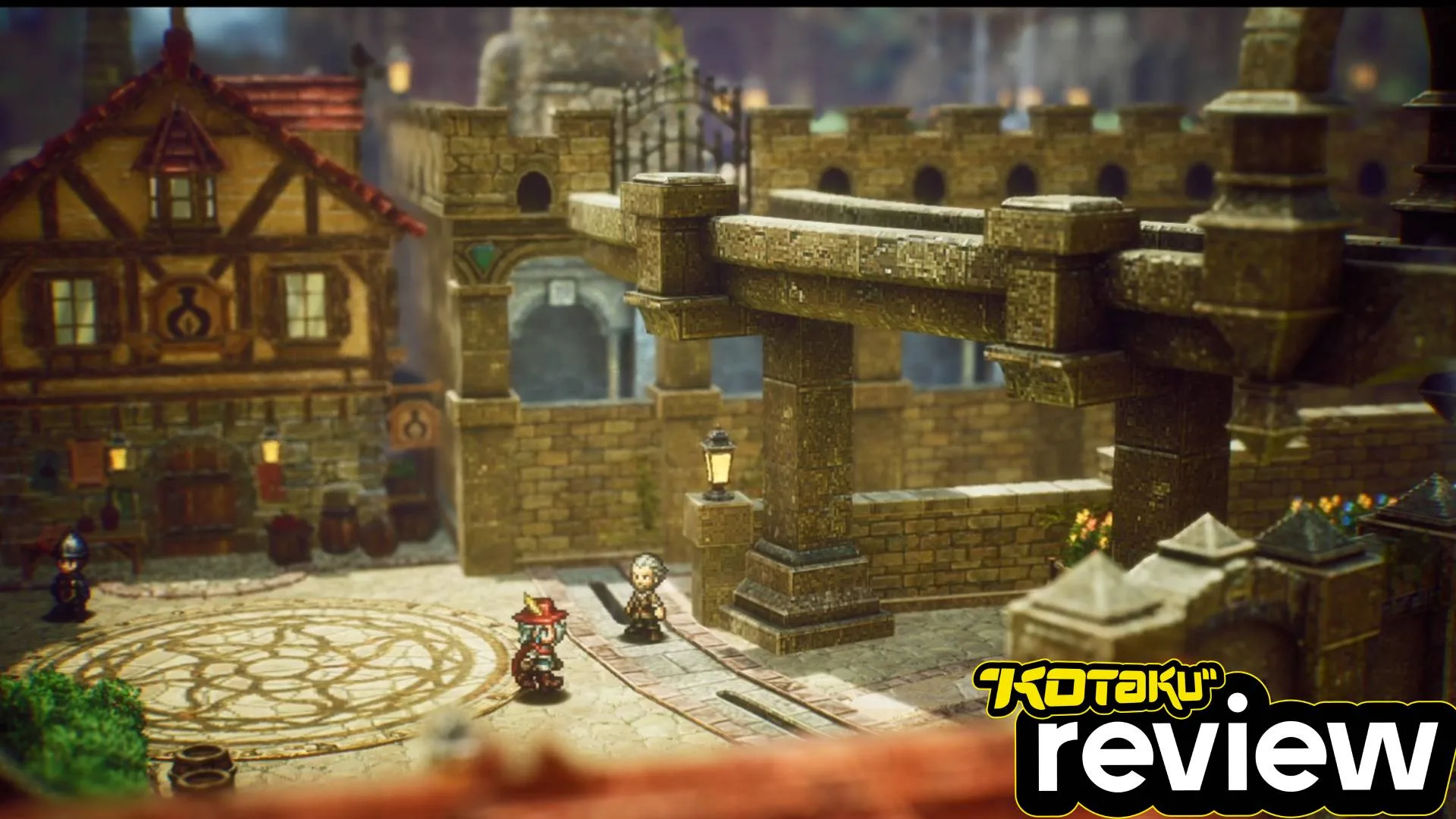
Open-ended exploration is another strong point. The land of Philabieldia spans four eras, the Age of Safekeeping, Age of Reconstruction, Age of Magic, and Age of Budding. Players can freely time-travel between these periods, and the world rewards curiosity with hidden treasures, optional bosses, and a delightful cat-collecting side activity. The HD-2D visuals, built on Unreal Engine 5, are a technical and aesthetic triumph. Lush pixel art characters move through richly layered 3D environments, and nearly every reviewer has praised the art direction as a joy to behold.
The combat itself draws direct inspiration from the Game Boy version of Final Fantasy Adventure, the first game in the Mana series. That retro influence gives the fights a refreshingly direct, responsive feel that distinguishes Elliot from the slower, turn-based fare the studio is known for. If the story were half as engaging as the combat, this would be an easy recommendation.
A Story That Plays It Too Safe
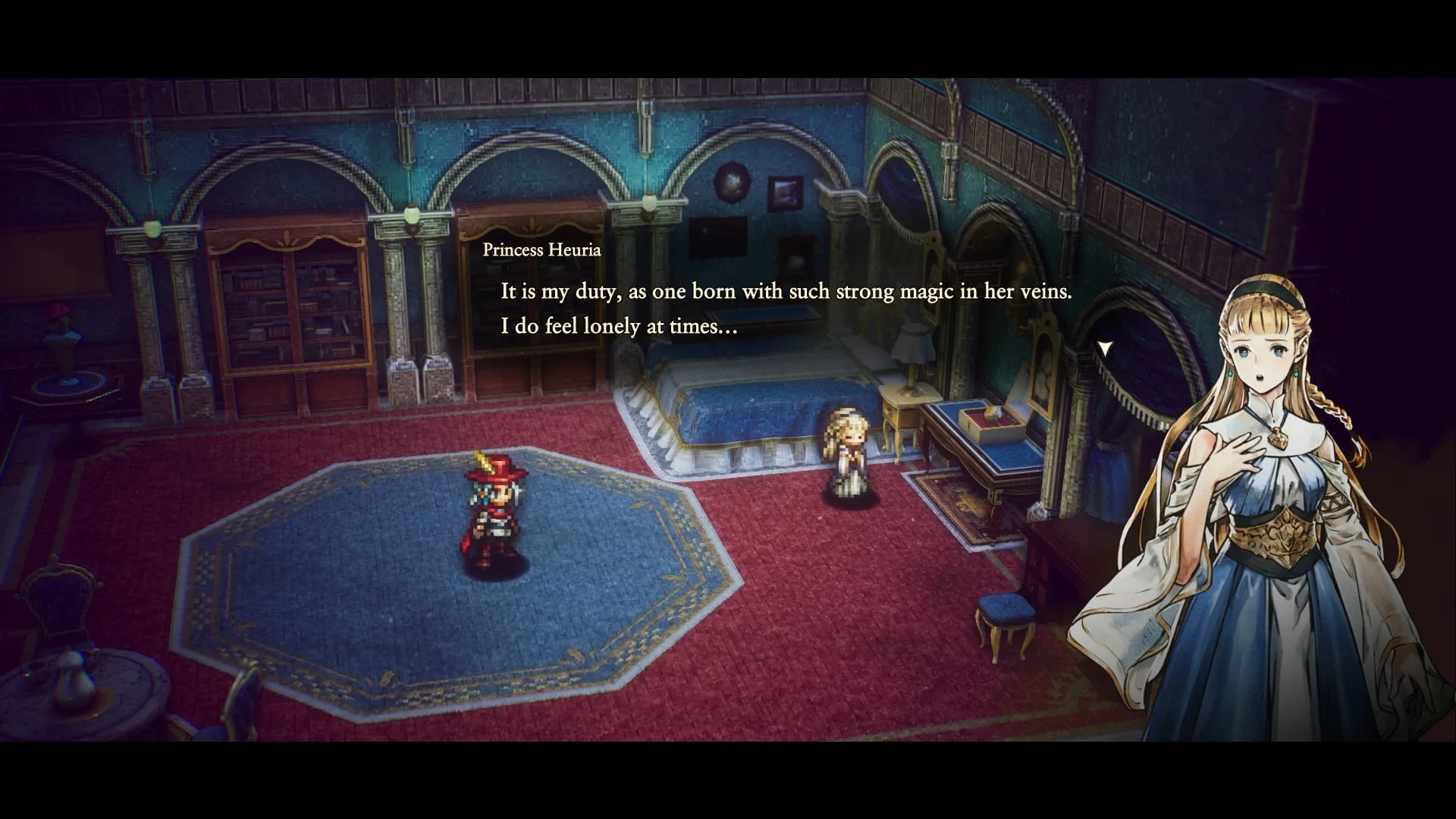
Team Asano has a reputation for mature, character-driven narratives. Octopath Traveler wove eight interconnected tales of personal stakes, and Triangle Strategy forced players to grapple with moral choices and political consequences. The Adventures of Elliot breaks that streak. The plot is, by comparison, uncharacteristically and aggressively safe. The protagonist Elliot is a likable but one-note hero, and his companions, including the aforementioned fairy Faie, rarely rise above archetypes. The story's twists are predictable, its conclusion offers no surprises, and even the broader narrative arc fails to land the emotional weight that longtime fans expect.
The time-travel mechanic, which should be a goldmine for creative storytelling, is underutilized. Despite the promise of four distinct eras, the environments and enemy designs feel too similar across all periods. Critically, the game features only about ten enemy types total across the entire adventure. That lack of variety undermines the sense of discovery that time travel should deliver. The game does offer three endings, standard, good, and true, with the true ending requiring a specific quest order. But even that finale fails to deliver a payoff worthy of the effort required to reach it.
These criticisms are not isolated. Multiple major outlets have converged on the same verdict: the story is a missed opportunity, especially given the studio's track record. For a team that built its name on rich character writing, leaving the narrative on autopilot feels like a betrayal of its own strengths.
The Faie Problem, A Fairy That Won't Shut Up
If the safe story were the only flaw, it might be forgivable. But Elliot adds another, more immediate irritant: Faie. The fairy companion talks constantly. She comments on every puzzle, every enemy encounter, and every exploration tangent, often repeating herself or stating the obvious. By the halfway point, many players will find themselves muting the audio or wishing for a skip button. Producer Naofumi Matsushita stated that the team was "surprised" by fan complaints about Faie's chattiness. A July 2025 demo prompted them to add an option to reduce her dialogue frequency, which was available in the final release via a day-one patch. But the question remains: why was the default experience so unrestrained in the first place?
One workaround does exist. The game supports local two-player co-op (no online multiplayer), and a second player can take control of Faie. That turns her from a narrative burden into a gameplay asset, but it requires a couch co-op partner, not always an option. Even after the toggle, many reviewers have argued that the base experience should have been more restrained from the start, raising concerns about the team's playtesting priorities.
Performance, Polish, and Platform Trade-offs
The game launched simultaneously on Nintendo Switch 2, PS5, Xbox Series X|S, and PC. On the Switch 2, there are notable performance issues: long load times and lag when switching eras on the world map, particularly in handheld mode. The PS5, Xbox, and PC versions are smoother overall, running at higher frame rates with faster loading. The game also received several improvements between its demo and final release: faster movement, improved menuing, multiple difficulty levels, and the Magicite load-out system were all added in response to player feedback. The team clearly listened to some concerns, just not the ones about the story.
A Game of Striking Contradictions
The Adventures of Elliot: The Millennium Tales is a frustrating paradox: a gorgeous, fluid action-RPG undermined by a by-the-numbers plot and a relentlessly chatty fairy. Team Asano's first foray into real-time combat succeeds mechanically, and the HD-2D art direction remains a joy to behold. But for a studio known for rich, character-driven narratives, leaving the story on autopilot feels like a betrayal of its identity. The Metacritic 79 and OpenCritic 82 reflect a title that is solid but not exceptional, one that action-RPG fans may enjoy despite its faults, but that leaves series loyalists hoping for more. If you can tolerate Faie's chatter (or toggle it off) and crave combat-driven exploration, there is fun to be had. Just do not expect the story to stick with you beyond the final credits.