Microsoft Announced Senua While Planning to Close Ninja Theory - The Cynical Strategy Behind the Reveal
At the June 7 Xbox Games Showcase, Ninja Theory proudly unveiled Senua , a bold new multiplatform adventure targeting 2027. The applause had barely faded before the devastating reality set in:...

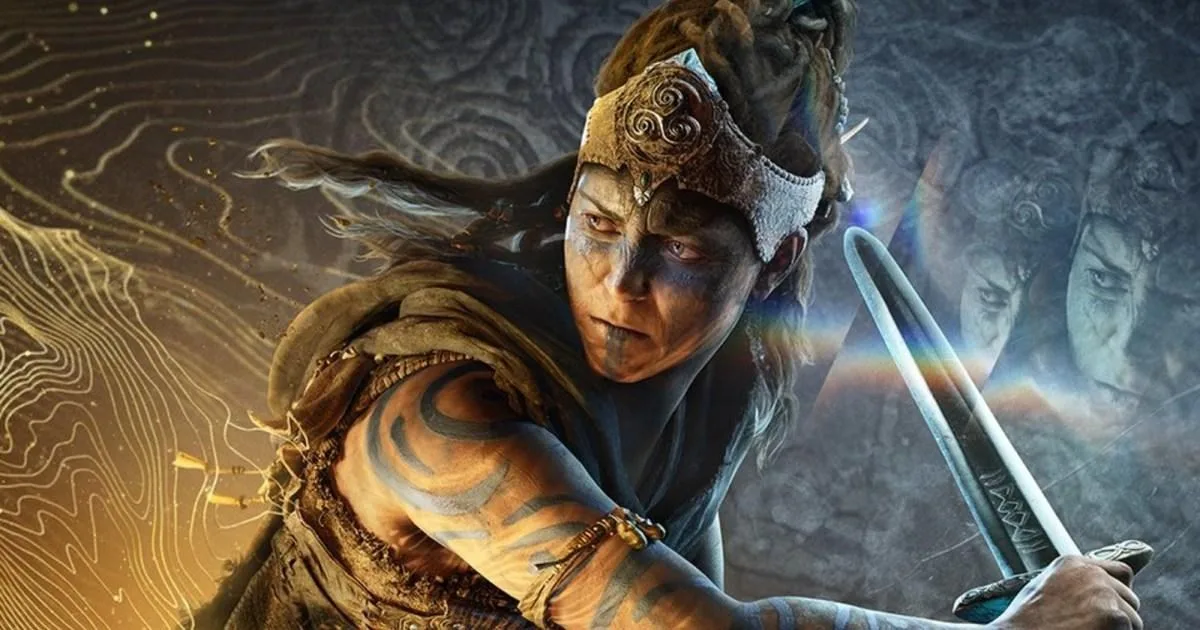
At the June 7 Xbox Games Showcase, Ninja Theory proudly unveiled Senua, a bold new multiplatform adventure targeting 2027. The applause had barely faded before the devastating reality set in: Microsoft had already decided to shut down or sell the studio. The reveal was not a celebration of creative ambition. It was a sales pitch. This is the story of how a flagship announcement became an instrument of studio disposal, and what it means for the developers caught in the crossfire.
The Timeline, What Happened and When
According to Stephen Totilo's Game File, Microsoft had decided to "sunset or split with" Ninja Theory before the June 7 showcase, with the Senua announcement specifically intended to attract buyers. Bloomberg reported on June 15 that negotiations were ongoing; by June 16, The Verge confirmed the closure had been finalized and staff informed. Staff were told on Monday, June 15, just nine days after the showcase, that they could seek new work. Game File's subsequent reporting revealed the plan existed before the showcase. The sequence is clear: a decision already in place pre-showcase, a public reveal to maximize leverage, and a rapid implementation once the marketing window closed.
The Strategy, Using Developer Passion as a Sales Tool
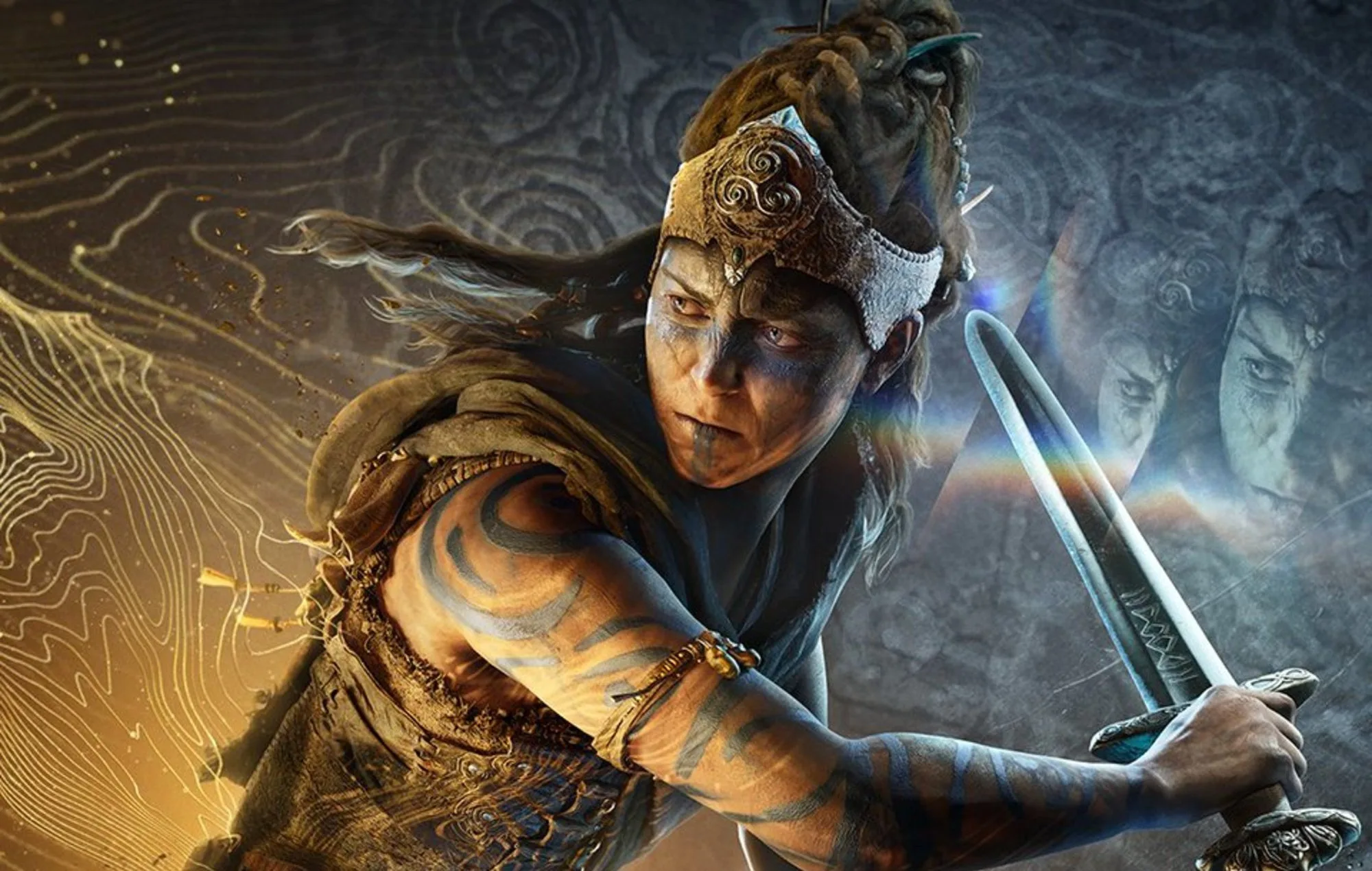
Microsoft believed "the promise of a newly announced game would help draw investor interest" in Ninja Theory, effectively using the studio's creative output as bait for potential acquirers. The Senua reveal was timed and formatted to maximize that appeal. It was announced as a multiplatform title (PC, PS5, Xbox Series S|X) targeting 2027, making it more attractive to outside buyers than a Game Pass-exclusive would have been. A studio with a hot new game in the pipeline is easier to sell than one with nothing on the horizon.
This tactic mirrors a broader industry pattern: live events are increasingly used to manage optics and asset valuation, not to share genuine good news. The showcase stage becomes a storefront window. Developers perform hope while executives calculate the spread. The fate of Senua itself remains uncertain; if Microsoft finds a buyer, the new owner may inherit the project, but if not, the game could be cancelled entirely, wasting years of work. Ninja Theory had already cancelled Project: Mara to focus its full 85-person team on Senua, a gamble that now looks tragically misplaced.
The Human Cost, Developers in the Dark
It remains unclear whether Ninja Theory management knew of Microsoft's plans when they presented Senua at the showcase. Game File explicitly notes that it is uncertain if anyone atop the studio was involved in the thinking. Staff likely learned the truth only after the public spectacle, working on a game hyped as the studio's future, only to realize it was a farewell note for potential buyers. The emotional whiplash is brutal. Developers poured their craft into a project that may never see release by the studio that created it. Microsoft's strategy turned their passion into a bargaining chip.

The Bigger Picture, Xbox's "Reset" and the Reverse-2018
New Xbox CEO Asha Sharma's "reset" follows an internal memo warning the division is "over-extended" with a roughly 3% profit margin. This has led to a wave of studio contractions that is being described as "Xbox's reverse-2018", undoing the acquisition spree that defined the post-2018 era. From a purely financial standpoint, these decisions may make sense on a spreadsheet, but they ignore the human and creative cost that spreadsheets cannot quantify.
Ninja Theory is not alone. Compulsion Games and Double Fine are also at risk. Bloomberg reported that multiple Xbox studios were in active negotiations trying to avoid closure. The $69 billion Activision Blizzard acquisition created pressures that make these closures economically rational but culturally devastating. When a corporation owns a studio, the studio's value is measured in spreadsheets, not in the art it creates. This strategy also risks damaging trust between Xbox and its remaining studios; developers now know a showcase spotlight can precede a shutdown. That is a chilling precedent for any future acquisition. Why would a founder sell their studio to Microsoft if a public reveal could be the prelude to dissolution?
The Unresolved Question
One critical detail remains unconfirmed: who knew what, when? Whether Ninja Theory leadership was complicit or blindsided would illuminate the ethics of the reveal. If leadership was kept in the dark, the betrayal is even deeper.
The Cost of a Showcase
The irony is enduring. Microsoft's announcement of Senua was never really about the game. It was about the studio's price tag. The decision to use a developer's passion as a marketing tool for its own dismantling represents a new low in the parent-company-studio relationship.
When every reveal could be a farewell, how can developers ever fully trust the corporation that owns them? For players, the uncomfortable truth is that the hype we consumed was built on a foundation of duplicity. The applause on June 7 was sincere. But the hands that orchestrated it were already moving on. For players, the takeaway is clear: the next time a showcase gets your hopes up, remember the hands behind the curtain, and think twice before buying into the hype without question.