Success and Sudden Setback: How IO Interactive’s 007 Triumph Couldn’t Save Project Fantasy From Xbox’s Axe
The High: IOI's Bond Breakthrough 007 First Light was more than a hit. It was a statement. Released in late 2025, the game proved that IO Interactive could not only survive without a major publisher...

The High: IOI's Bond Breakthrough
007 First Light was more than a hit. It was a statement. Released in late 2025, the game proved that IO Interactive could not only survive without a major publisher but thrive. Self-published with Amazon as a retail partner, the title sold 3 million copies by early June 2026, a milestone the studio described as well above forecasts. It became IOI's biggest commercial success since going independent in 2017, following Square Enix's decision to drop the studio mid-development of Hitman.
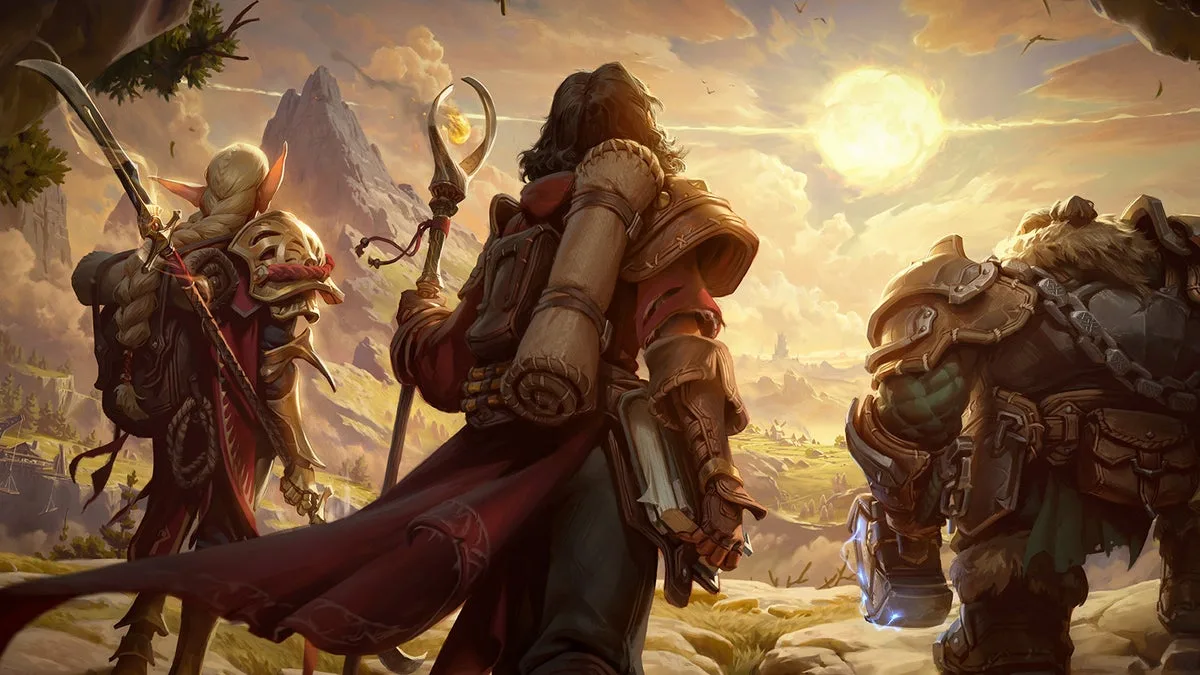
The success fueled an ambitious multi-project strategy. Alongside continued support for Hitman and the next Bond game (codenamed Project 007), IO Interactive had announced Project Fantasy in February 2023, a departure from stealth-action into an online fantasy RPG that evoked tabletop games. It represented a leap of faith into a crowded genre, requiring significant investment and a publishing partner willing to shoulder the risk.
That partner was Xbox, a relationship first revealed in leaked FTC v. Microsoft trial documents showing Xbox backing as early as 2021. For years, the deal seemed secure. IOI would build a bold new IP, and Xbox would publish it.
Then the ground shifted.

The Sudden Pull: Xbox Ends Funding for Project Fantasy
On June 30, 2026, IO Interactive issued a statement that stunned the gaming community: “Our relationship with an external partner on Project Fantasy has ended, and as a result, we must make staffing decisions for our team.” Industry journalists quickly confirmed that the external partner was Xbox, which had decided to withdraw funding and publishing support for the project.
Xbox's explanation was short: the company is “taking a fresh look at where we invest” and focusing on “highest priorities.” That phrasing masks a far more turbulent reality. Under new CEO Asha Sharma, who replaced Phil Spencer earlier in 2026, Xbox has embarked on a sweeping “reset.” Sharma warned that years of heavy spending without corresponding revenue growth “cannot continue,” with the division facing profit margins of around 3%. The result has been a pattern of cancellations and layoffs, not just internal studios, but external deals at Romero Games and Avalanche Studios in 2025.
For IO Interactive, the timing could not have been worse. Project Fantasy was still in development, likely years from release, yet the team had been assembled and scaled for a game of this ambition. When Xbox pulled the plug, the studio had no choice but to reduce headcount. One developer, speaking anonymously, described the atmosphere as “surreal, one day we're celebrating a Bond win, the next we're saying goodbye to colleagues we've worked with for years.”
For context on the announcement, see the video below:
IOI's Response and the Road Ahead for Project Fantasy
In the same statement, IO Interactive made one thing clear: the studio remains “100% committed” to Project Fantasy and will continue development, seeking alternative funding or pivoting to self-publishing. This is possible because of the studio's independence. Unlike first-party studios owned by Microsoft, IOI retains full ownership of its IPs. That gives the team flexibility, but it does not solve the immediate financial hole left by Xbox's withdrawal.
The layoffs will almost certainly affect the Project Fantasy development team. How many roles are at risk has not been disclosed, but the impact on morale and momentum is undeniable. Building an online RPG requires years of sustained investment. Losing a partner with deep pockets means either scaling back scope or finding a new investor quickly.
IOI has weathered this kind of storm before. In 2017, Square Enix abandoned the studio mid-development of Hitman, forcing IOI to go independent and retain the IP. That gamble paid off. The studio survived by focusing on its strengths and building a loyal community. Project Fantasy represents a different kind of bet, one that requires more resources and a longer runway. The Bond success provides a cushion, but it does not guarantee that a publisher hungry for high-margin projects will step in.
A Bitter Reward for Independence
IO Interactive's commitment to continuing Project Fantasy is a testament to the studio's resilience. But the road ahead will require creativity, new partnerships, and perhaps a renewed focus on what it does best: delivering focused, high-quality experiences that resonate with players. The Bond success proved that IOI can thrive without a traditional publisher. Perhaps Project Fantasy will ultimately follow the same path.
For the industry, this story offers a stark image: a developer holding a 3-million-sales plaque in one hand and a layoff notice in the other. Success does not guarantee stability. Independence does not protect against external shocks. And when a publisher decides to pull the plug, even a studio riding high on a Bond-level hit can be brought low. The only question is how quickly IO Interactive can climb back up, and whether the next celebration will last longer than the last one.