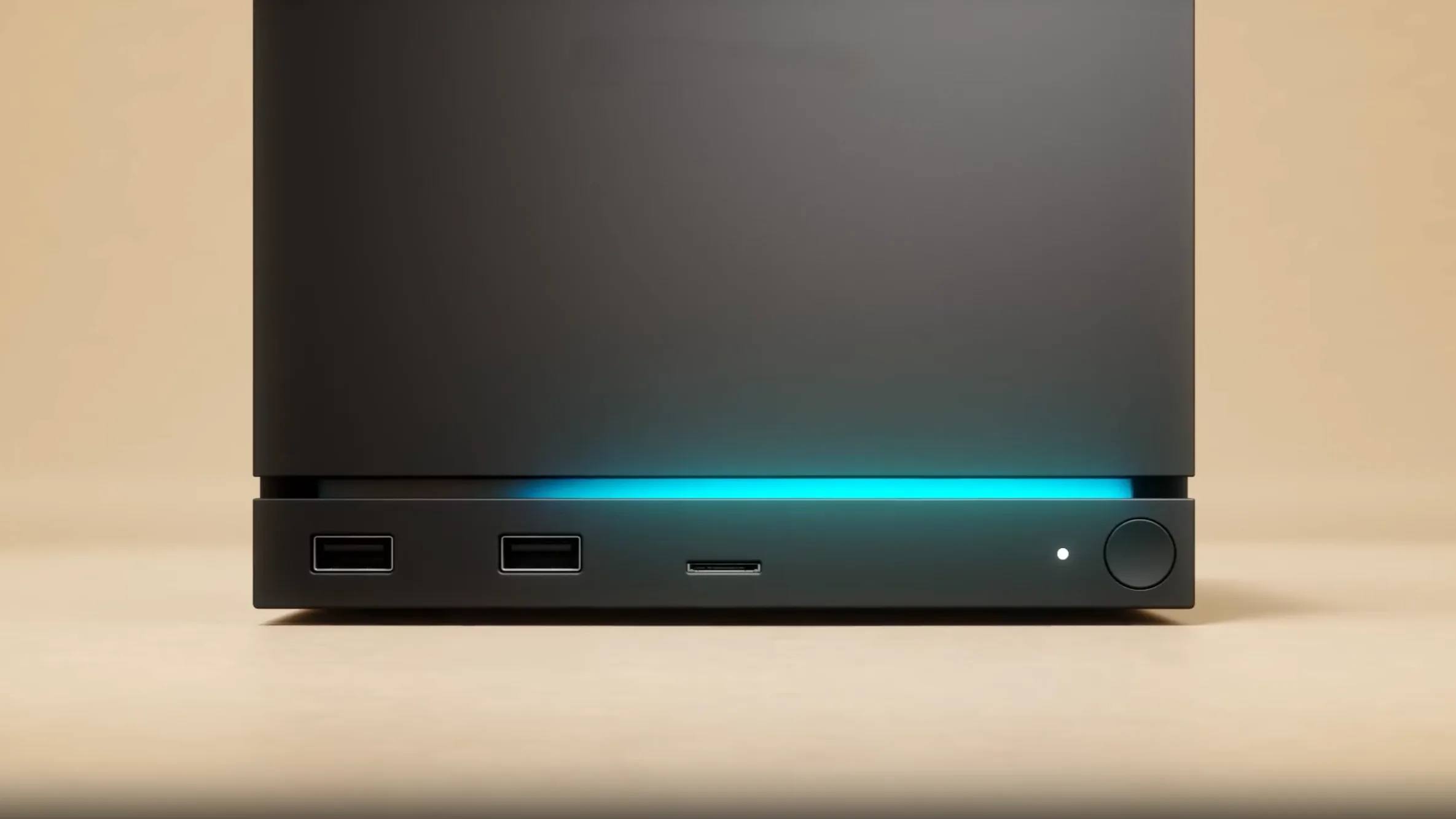
Steam Machine Summer 2026 Launch Confirmed: Specs, Price Fears, and What the Console Means for PC Gaming
After months of radio silence and supply chain anxiety, Valve has quietly but definitively confirmed that its next-generation Steam Machine console and Steam Frame VR headset will ship this summer....

After months of radio silence and supply chain anxiety, Valve has quietly but definitively confirmed that its next-generation Steam Machine console and Steam Frame VR headset will ship this summer. The announcement came not via a flashy hardware reveal event, but embedded in a Steamworks blog post about expanding the Verified program to include the new devices, and with it, a single decisive line: "Both Steam Machine and Steam Frame are shipping this summer." The timing is no accident. A string of pre-launch signals, Vulkan 1.4 certification, a "Welcome Tour" app appearing in Steam's backend, and reports of warehouse restocks, all point toward a console that is finally ready for prime time. Yet one massive question remains unanswered: how much will it cost? With the Steam Deck recently receiving a sharp price hike of $100 to $300 depending on the model, and global memory prices still elevated, the Steam Machine's price tag could define its success or failure.
The Confirmation That Broke Valve's Silence
The original Steam Machine was announced on November 12, 2025 alongside the Steam Frame VR headset and a second-generation Steam Controller, with a target of "early 2026", typically interpreted as the first quarter. But a global AI-driven memory shortage soon intervened. DDR5 prices quadrupled as demand from data centers and AI training clusters drained supply, forcing Valve to delay the launch and revisit component costs. The June 4 confirmation signals that Valve has navigated the worst of that crisis. This time, the company is taking a fundamentally different approach than it did in 2015, when the first Steam Machines were a fragmented lineup of third-party hardware running SteamOS. That experiment largely failed due to inconsistent specs, high prices, and a limited game library. The 2026 Steam Machine is Valve's first internally-designed, unified console-like PC, a strategy that paid off handsomely with the Steam Deck, where Valve learned the value of a tightly controlled hardware and software experience.

Inside the Steam Machine: Specs and Performance
Valve has not published a full spec sheet, but details have emerged through official channels and leaks. The Steam Machine is powered by a semi-custom AMD processor combining a Zen 4 CPU with an RDNA 3 GPU featuring 28 Compute Units. It carries 16GB of DDR5 system memory alongside 8GB of dedicated GDDR6 video memory. Early benchmarks suggest this configuration delivers roughly six times the compute performance of the original Steam Deck, putting it squarely in the territory of mid-range gaming PCs.
Storage comes in two options: a 512GB base model and a 2TB premium variant. Rumors suggest there may be four SKUs in total, with the higher tiers bundling the new Steam Controller. That controller, launched separately in May 2026 at $99, sold out almost immediately and has already become a collector's item. Its rapid sellout offers a glimpse of demand for Valve's hardware ecosystem.
The technical milestones are stacking up fast. On May 23, the Steam Machine appeared in the Khronos Group's Vulkan 1.4 conformant products database, a certification that typically appears only when a device is in its final pre-launch stage. Shortly after, users discovered a "Steam Machine Welcome Tour" application in Steam's backend, a first-run experience similar to the one Valve provided for the Steam Deck. The pattern mirrors the cadence of the Steam Controller's launch, which went from backend appearance to release in about seven days.
The Price Elephant in the Room
Valve has not announced a price for the Steam Machine. That silence is becoming increasingly uncomfortable, particularly in light of the Steam Deck's recent price adjustments. In early 2026, Valve raised the Deck's prices by $100 at the low end and up to $300 for the highest-tier model, citing rising memory costs and higher fuel prices for shipping. The move angered some fans and set a worrying precedent for the new console.
Speculation about the Steam Machine's cost has ranged from cautious optimism to outright alarm. The semi-custom chipset alone is likely expensive, and the combination of 16GB DDR5 and 8GB GDDR6 memory pushes component costs higher than those of most current consoles. To put it in perspective: current DDR5 pricing hovers around $20, $30 per 8GB module, meaning the system memory alone could cost $40, $60, while 8GB of GDDR6 adds another $40, $60, putting total memory costs at roughly $80, $120, far above the typical $40, $50 seen in today's consoles. Leaks from a prominent leaker have described the pricing as "astronomical," though Valve's ability to negotiate bulk discounts and its history of aggressive pricing with the Steam Deck suggest it may try to absorb some of the cost.
If Valve prices the Steam Machine competitively, perhaps in the $500 to $700 range, it could disrupt the living room gaming market and offer a genuine alternative to traditional consoles. If it slips above $800, the device risks becoming a niche product for enthusiasts only, repeating the mistake of the 2015 machines. The Steam Deck's price hike has already tested consumer patience, and any repetition for the larger console could dampen enthusiasm.
The Broader Ecosystem: Steam Frame, Steam Controller, and a Unified Vision
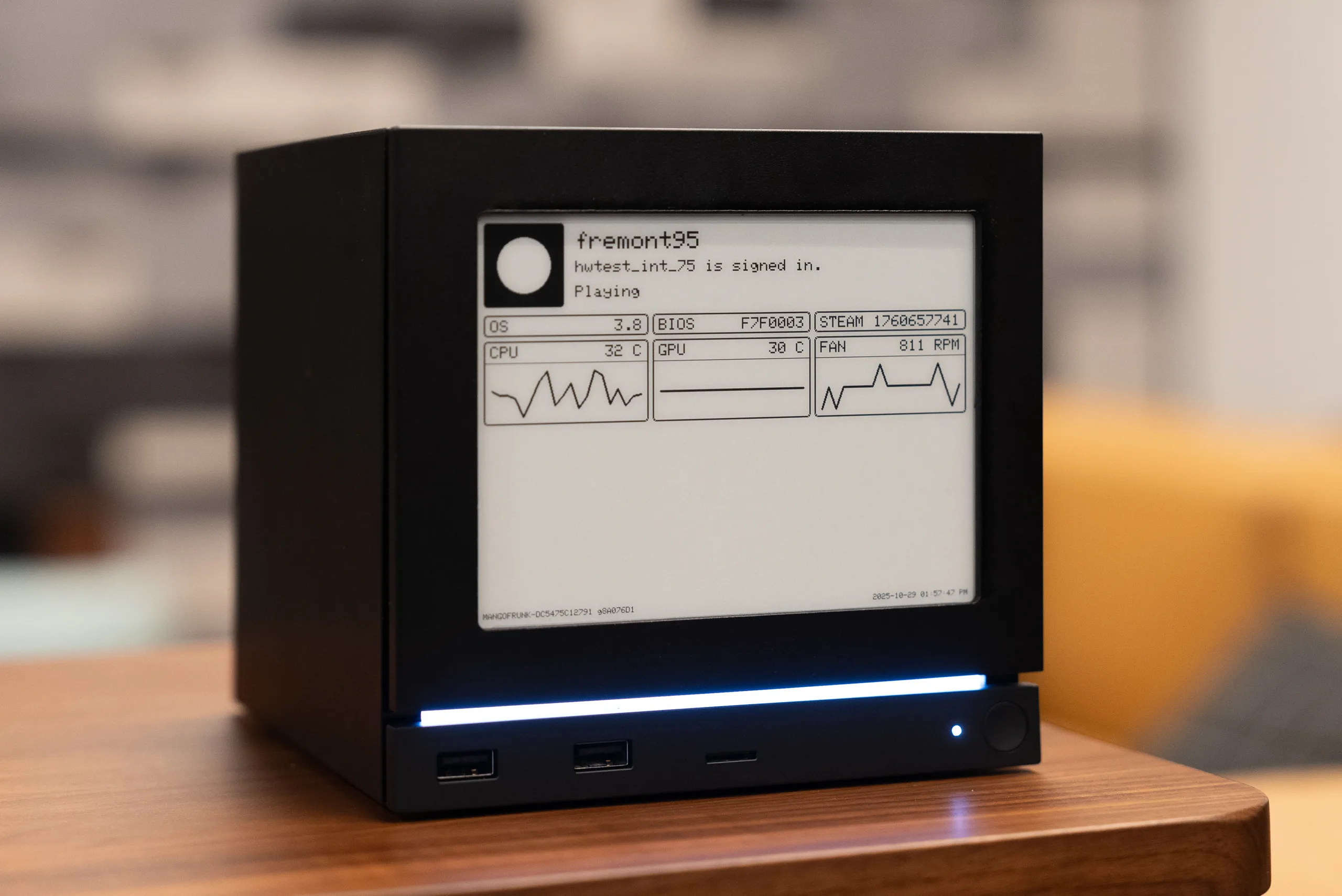
The Steam Machine does not exist in isolation. It is part of a three-device ecosystem that includes the Steam Frame VR headset and the second-generation Steam Controller. All three are designed and manufactured by Valve, marking a decisive shift away from the third-party model that doomed the earlier attempt.
The Steam Frame, also confirmed for a summer launch, is Valve's answer to the VR market once dominated by the HTC Vive and later challenged by Meta's Quest line. Details remain scarce, but the headset is expected to be a high-end, PC-tethered device leveraging the same SteamVR platform that powers the Valve Index. Pairing it with the Steam Machine creates a unified living room VR experience, something no other console currently offers.
The expansion of the Verified program is crucial here. Just as the Steam Deck Verified system helps players know which games will run well on the handheld, the new program will assess compatibility for both the Steam Machine and Steam Frame. This reduces the uncertainty that plagued the 2015 machines, where buyers could never be sure if a game would work on their particular configuration. It also signals Valve's long-term commitment to these platforms as core parts of its hardware lineup.
The Waiting Game Begins
Valve has done what many doubted it would: it has committed to a firm launch window for its most ambitious hardware project in years. The Steam Machine and Steam Frame are real, they are coming this summer, and the technical groundwork is laid. But the ultimate reception will hinge on a single number that Valve has not yet revealed.
The Steam Controller's sellout suggests that enthusiasm for Valve hardware remains strong, even at a $99 price point. Whether that enthusiasm extends to a $500-plus console, especially in a market where the PlayStation 5 and Xbox Series X are already established and the PC market offers endless configurability, is the question that will define this generation of Steam Machines.
For now, the community watches and waits. Warehouse imports are arriving. Certification databases are updating. The "Welcome Tour" app sits ready in Steam's backend. All the pieces are in place. The only thing missing is the price tag, and with it, the final answer to whether Valve's second attempt at a living room PC will rewrite the rules or repeat the past.