Valve Confirms Steam Machine and Steam Frame Are Shipping This Summer - But Prices Still a Mystery
Valve has quietly confirmed that its two most ambitious hardware projects, the Steam Machine console and the Steam Frame VR headset, are finally shipping this summer. The news arrived not through a...

Valve has quietly confirmed that its two most ambitious hardware projects, the Steam Machine console and the Steam Frame VR headset, are finally shipping this summer. The news arrived not through a flashy press event but buried inside a Steamworks developer blog post about expanding the Verified program for both devices. With no firm release date, no official pricing, and global component shortages still squeezing supply, the question isn't whether Valve can deliver, but at a price gamers will accept.
A Quiet Announcement
The confirmation came via a June 4, 2026 Steamworks blog post that focused primarily on Verified program expansions for the Steam Machine and Steam Frame. The phrase "shipping this summer" is the first narrowed launch window since the November 2025 announcement, which originally targeted "early 2026" before being revised to H1 2026 and now to summer. Some observers have characterized this as Valve burying the news; others see it as a deliberate, developer-first communication strategy. Regardless of intent, the message is clear: after years of speculation and one delay, Valve's next-generation hardware is finally approaching store shelves.
What makes this announcement remarkable is its understatement. Valve did not hold a press event, issue a press release, or drop a teaser trailer. Instead, the company quietly updated its developer documentation and let the community piece together the implications. For a company that has built its reputation on careful, sometimes painfully slow hardware launches, this approach feels consistent. Valve knows the hardware is coming. It simply isn't ready to reveal every detail.
Steam Machine: A Living Room Deck with Six Times the Power
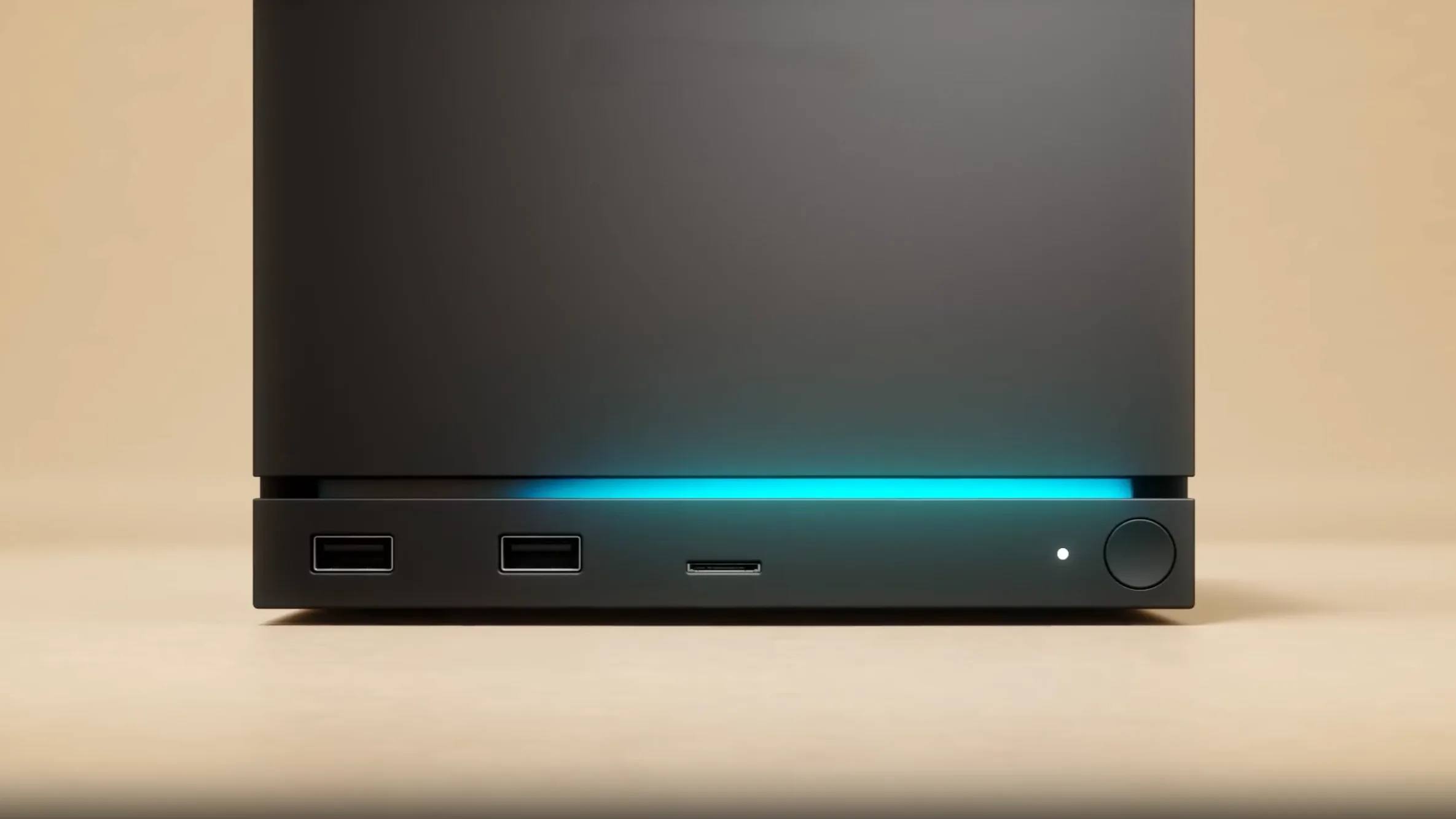
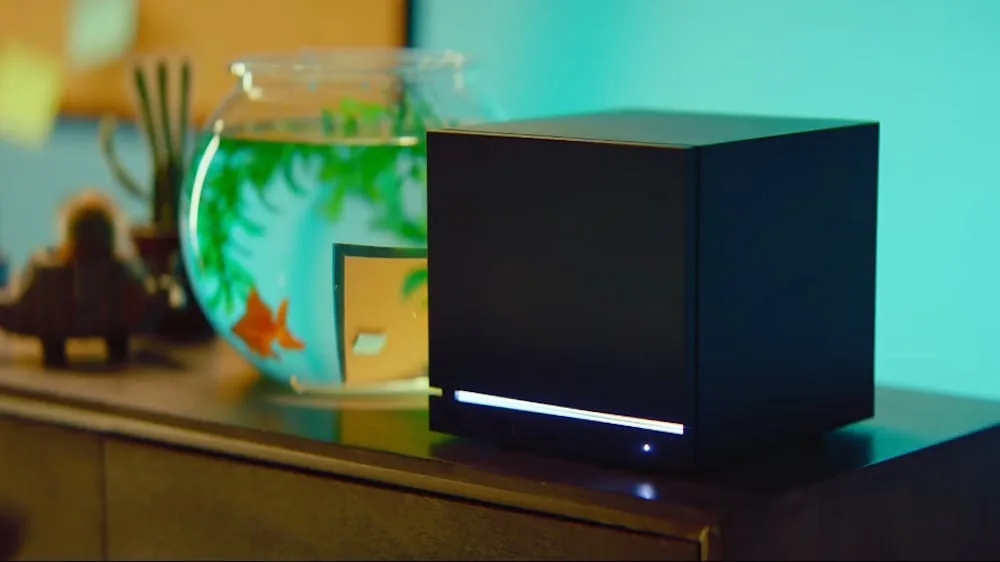
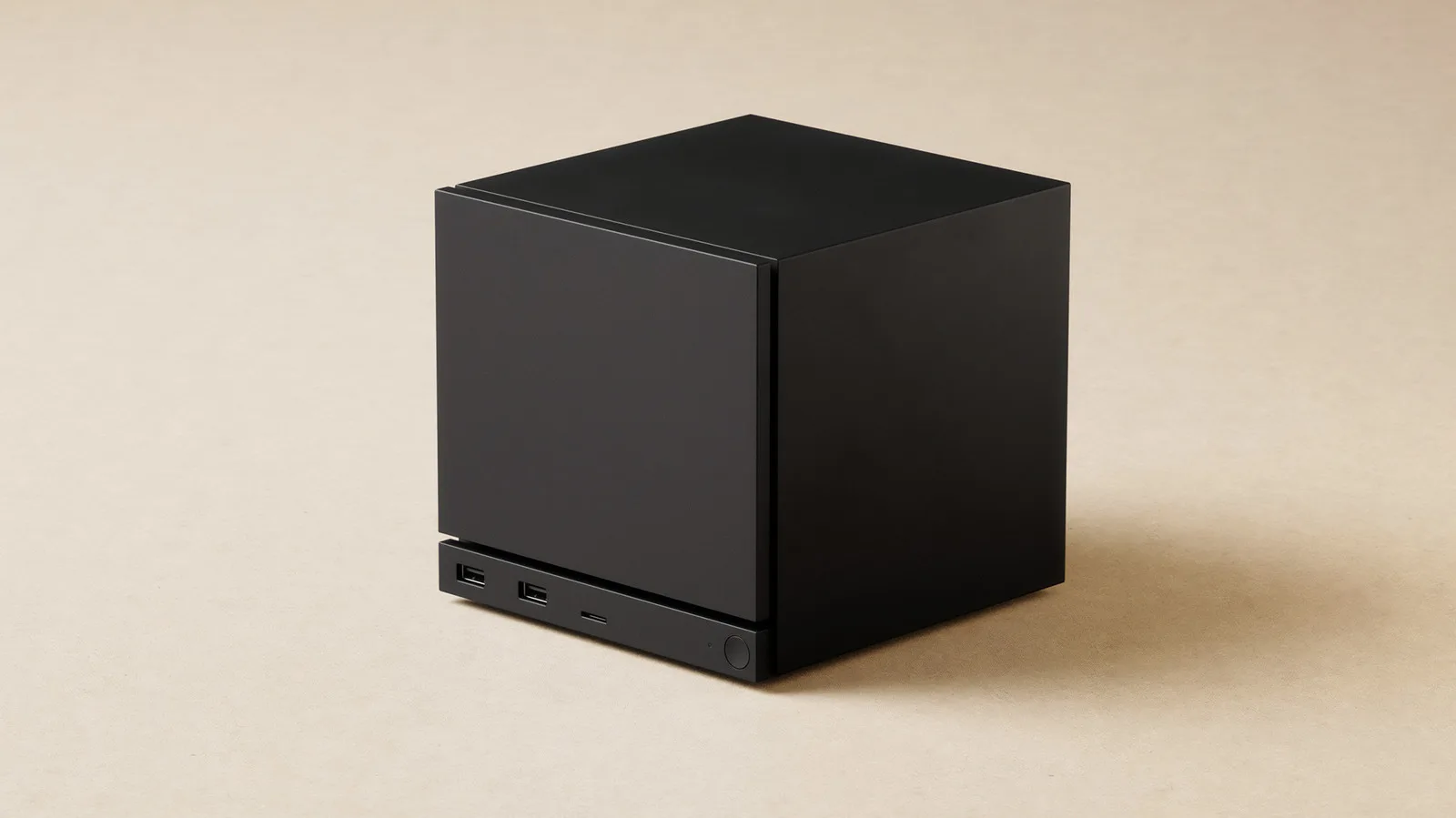
The Steam Machine is a compact SteamOS PC powered by a semi-custom AMD Zen 4 processor (six cores, twelve threads, up to 4.8GHz) and an RDNA 3 GPU (28 compute units, 8GB GDDR6 VRAM), paired with 16GB of DDR5 system RAM. Valve claims the device is "roughly six times as powerful" as the Steam Deck, targeting 4K resolution at 60 frames per second in many modern titles.
This time around, Valve is taking a unified approach. Unlike the original Steam Machines from 2015, which suffered from fragmented hardware specifications across multiple third-party manufacturers, the 2026 model is built solely by Valve to a single, standardized spec. That decision mirrors the Steam Deck strategy, which proved that a fixed hardware target simplifies game compatibility and performance tuning.
Games already running well on Steam Deck will work on the Steam Machine without any developer action. Valve is proactively testing all Deck-failing titles to ensure they pass Machine verification. A "Welcome Tour" minigame was recently spotted on Steam's backend, suggesting that launch preparation is in its final stages. Early adopters may be greeted by this orientation experience right out of the box.
Spec Comparison: How the Steam Machine Stacks Up
| Component | Steam Machine (2026) | Steam Deck (LCD) | PS5 Pro | ~$900 Gaming PC |
|---|---|---|---|---|
| CPU | AMD Zen 4 6C/12T @4.8GHz | AMD Zen 2 4C/8T @3.5GHz | Custom Zen 2 8C/16T @3.5GHz | AMD Ryzen 5 7600 6C/12T @5.1GHz |
| GPU | RDNA 3 28 CU, 8GB GDDR6 | RDNA 2 8 CU, 16GB shared | Custom RDNA 3 60 CU, 16GB GDDR6 | Radeon RX 7700 XT 12GB GDDR6 |
| RAM | 16GB DDR5 | 16GB LPDDR5 | 16GB GDDR6 | 16GB DDR5 |
| Target Resolution | 4K @ 60fps | 800p @ 30-60fps | 4K @ 60fps (with upscaling) | 1440p-4K @ 60fps+ |
| Price (Est.) | $899, $1,200+ | $399 (original) | $699 | $850, $1,050 |
The table shows that while the Steam Machine's GPU is smaller than the PS5 Pro's, its modern CPU architecture and targeted optimization could still deliver competitive performance in SteamOS-optimized titles.
Steam Frame: Valve's Standalone VR Return
The Steam Frame marks Valve's return to virtual reality hardware since the wired Valve Index launched in 2019. This time, the company is going fully wireless and standalone. The headset is powered by a Qualcomm Snapdragon 8 Gen 3 system-on-chip with 16GB of LPDDR5X RAM, driving dual 2160x2160 LCD displays per eye at refresh rates ranging from 72Hz to 144Hz.
The Steam Frame supports both native standalone gaming and PC-streamed VR via Steam Link-like functionality. A separate Verified program has been established with criteria focusing on default graphics settings, UI legibility, and controller configuration in standalone mode. This ensures that even users who never connect to a PC will have a curated library of VR experiences that run well out of the box.
Given Valve's history with VR, the Index remains a respected but aging piece of hardware, and the company's software investments in Half-Life: Alyx and the SteamVR platform, the Steam Frame represents a significant bet on the future of wireless VR. The challenge will be convincing PC gamers accustomed to high-fidelity wired setups that a standalone headset can deliver a comparable experience.
The Price Puzzle and Component Crunch
Despite the confirmed summer launch window, Valve has yet to announce official pricing for either device. Third-party estimates range widely, from around $899 (PC Gamer hardware editor) to more than $1,200 (industry analysts). The wide spread reflects deep uncertainty about what Valve can charge given current market conditions. To put these figures in context, Sony's PS5 Pro launched at $699, the Meta Quest 3 VR headset retails for $499, and a comparably equipped $900 gaming PC would typically deliver similar raw performance, though without the compact living-room form factor or SteamOS integration.
The original "early 2026" target slipped due to global memory and component shortages driven by AI industry demand for DRAM and NAND. Those shortages are ongoing. Valve earlier this year raised Steam Deck prices by up to $300 because of the same constraints, casting doubt on how aggressively it can price the Steam Machine and Steam Frame. As one industry analyst remarked, "Valve is walking a tightrope between ambition and affordability. They need to undercut traditional consoles while covering soaring component costs."
The Steam Controller Gen 2 launched on May 4, 2026 at $99, becoming the first of the three hardware products to ship. That suggests Valve may be staging a staggered rollout, testing supply chains with the controller before the more complex console and headset follow. Whether the company can offer the Steam Machine at a price that undercuts traditional gaming consoles while still covering its component costs remains an open question.
Building the Ecosystem: Verified, Store Refresh, and Community Prep
The Steamworks blog post detailed how the Verified program will work for both devices, including a new "Steam Frame Standalone Verified" badge. Alongside the announcement, Valve rolled out a Steam Store homepage refresh featuring wider images, a Personal Calendar, and infinite-scroll Discovery Queue. These changes appear designed to prepare the storefront for a new hardware audience.
The "Welcome Tour" files, a brief minigame presumably designed to orient new Steam Machine owners, hint at an imminent launch, possibly as early as July. This summer launch represents Valve's second attempt at the Steam Machine concept, but this time with a unified, in-house specification mirroring the Steam Deck strategy. If successful, it could reshape the living room PC gaming landscape and give SteamOS a permanent foothold beyond the handheld market.
A Delicate Balance
With summer 2026 quickly arriving, Valve is threading a narrow needle between component shortages, speculative pricing, and ambitious hardware. The Steam Machine and Steam Frame have the potential to reshape PC gaming and VR, respectively, if they can ship at a price that does not scare off the audience Valve has cultivated with the Steam Deck. The next few weeks will be critical: an actual release date and a concrete price tag are the missing pieces. Until then, the mystery remains as compelling as the hardware itself.
Follow for updates as we track the first official pricing announcements.