Pragmata’s Meteoric Rise: How Capcom’s Experimental Gamble Became a New Franchise
When Pragmata finally launched in April 2026, it had been in development longer than the entire lifespan of the Nintendo Switch. Few could have predicted that journey—multiple delays, a six-year...

When Pragmata finally launched in April 2026, it had been in development longer than the entire lifespan of the Nintendo Switch. Few could have predicted that journey—multiple delays, a six-year development cycle, and a launch that defied all expectations. But the sci-fi adventure shattered sales projections, moving over 1 million copies in just two days. Now, with Capcom’s COO Rob Dyer openly referring to Pragmata as “another IP” the company can build upon, the question isn’t whether we’ll see more—but how far this bold new universe can go.
The Long Road to Launch: Why Delays Paid Off
Originally announced in 2020 with a 2022 target, Pragmata faced multiple delays before its 2026 release—a risk that could have sunk lesser titles. In an era where publishers increasingly prioritize annualized franchises and safe bets, Capcom’s willingness to let the game marinate for half a decade signaled either supreme confidence or stubborn optimism. As it turned out, it was the former.
Capcom’s Japanese development team spent those six years integrating Western feedback from focus tests, demos, and surveys—a process Dyer called “worth the effort.” Speaking at the Iicon conference in Las Vegas, he noted that the company’s American division played a critical role in shaping the final product, helping bridge the cultural gap between Japanese design sensibilities and global player expectations.
The early demo release and day-one Nintendo Switch 2 version were credited as key sales drivers, proving that patient iteration and strategic platform timing can turn a troubled project into a hit. For a game that spent years in the wilderness, Pragmata emerged as a case study in how to manage expectation and deliver when it counts.
The Numbers That Changed Everything
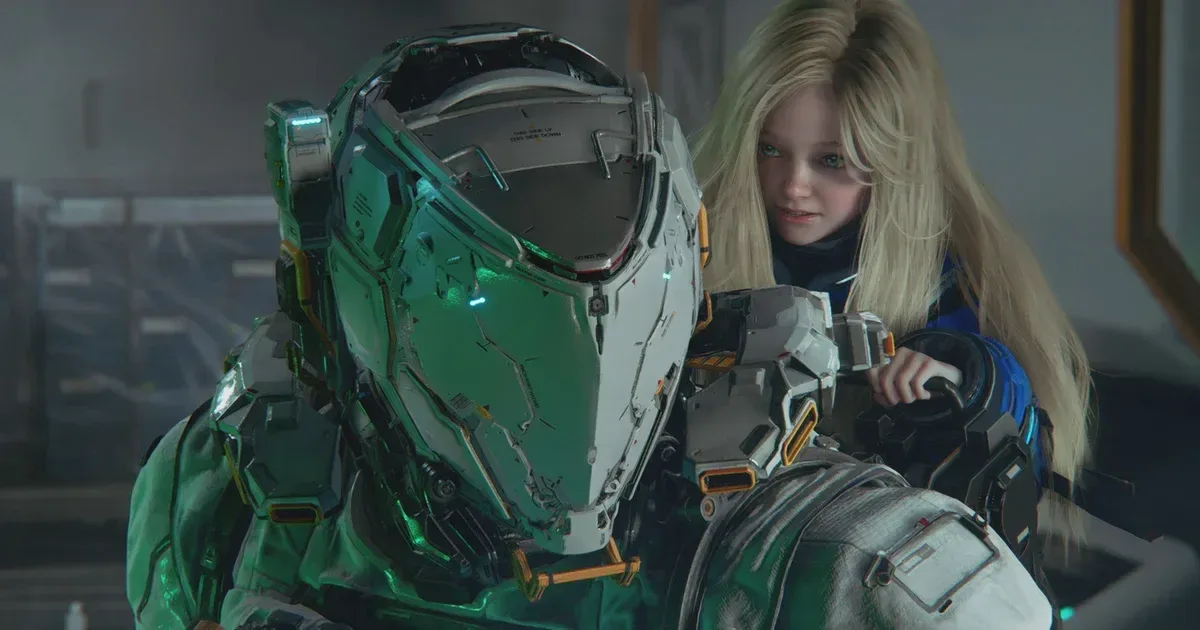
Pragmata sold over 1 million copies worldwide within its first two days of release—a staggering figure for a new IP with no established fanbase. To put that in context, that’s more than Hi-Fi Rush sold in its first month, and comparable to Returnal’s lifetime sales on PlayStation 5. Many established franchises would envy such a debut. Critical reception was equally emphatic: the game holds a Metacritic score of 85, with 97% positive Steam reviews—an “Overwhelmingly Positive” rating that speaks to both quality and audience resonance.
Eurogamer awarded the game 4 stars, calling it “a proudly experimental gamble,” while Push Square scored it 8/10, praising its “hacking-focused gameplay.” VGC drew comparisons to shorter single-player adventures from the Xbox 360 and PS3 era, such as Alan Wake and Vanquish—a nostalgic yet fresh niche that clearly struck a chord with players hungry for tightly crafted, narrative-driven experiences.
What Makes Pragmata a Franchise-Worthy IP
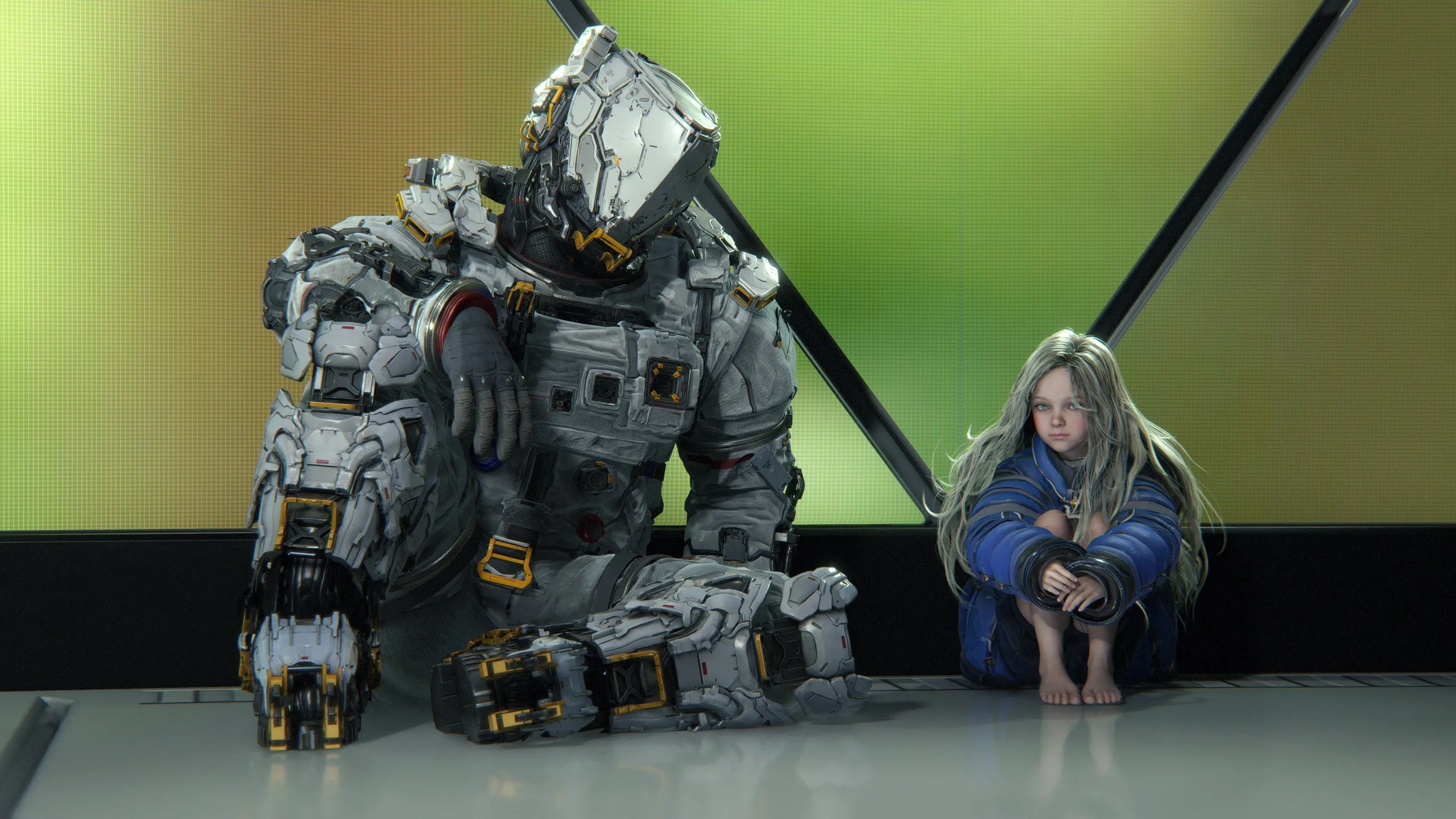
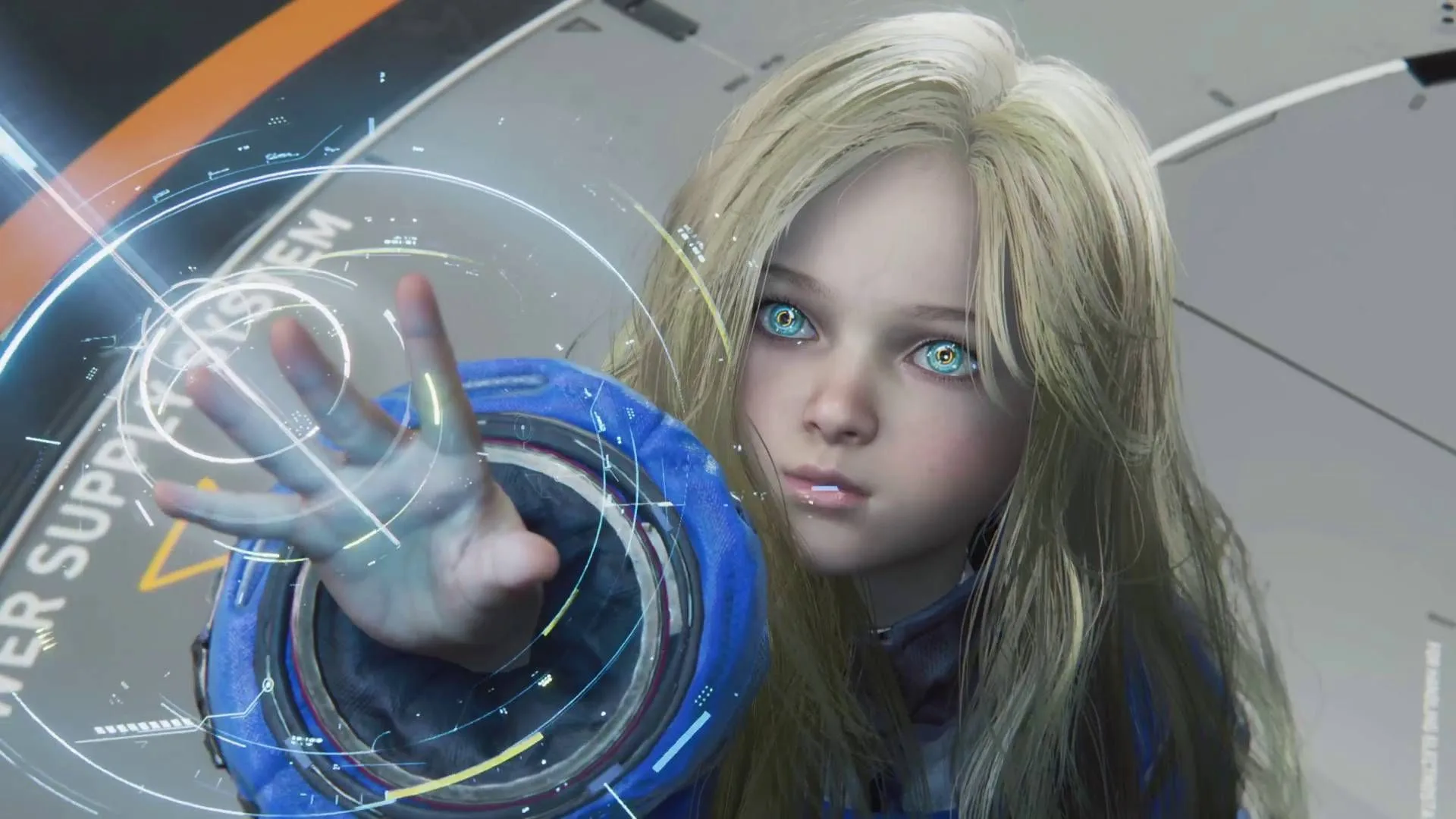
The game’s premise—astronaut Hugh and android Diana escaping a Moon base overrun by robots—offers rich world-building potential for sequels, prequels, or spin-offs. The relationship between human and machine, the mystery of the robot uprising, and the haunting lunar setting provide fertile ground for expansion. One early puzzle requires players to hack a robot’s memory to uncover a key code, blending environmental storytelling with tactile gameplay—a moment that exemplifies the game’s unique appeal.
Critics have noted that Pragmata feels like a spiritual successor to the Xbox 360 and PS3 era of third-person action games—shorter, more focused, and willing to take risks that bigger-budget blockbusters often avoid. This “proudly experimental gamble,” as Eurogamer put it, sets Pragmata apart from Capcom’s action-heavy franchises like Devil May Cry or Monster Hunter. It gives the company a distinct new creative lane—one that prioritizes atmosphere, hacking mechanics, and narrative intimacy over spectacle and scale.
Capcom now owns three of the top 10 games of 2026: Resident Evil Requiem, Monster Hunter Stories 3, and Pragmata. With Onimusha: Way of the Sword still to launch, the company is enjoying remarkable creative and commercial momentum. Pragmata’s success is not an isolated phenomenon—it’s part of a broader renaissance at one of the industry’s most respected publishers, and a strong foundation for future franchise expansion.
What Comes Next: Sequel Hints and Unanswered Questions
Rob Dyer’s Iicon conference comments—“another IP we can continue to go down”—are the strongest signal yet that Capcom is considering sequels. But no official announcement has been made, and the six-year development cycle means any follow-up would likely take time.
Capcom’s current hot streak, however, gives them financial freedom to invest. With three top-10 games in 2026 alone, the company can afford to be patient. A rushed sequel would undermine everything that made Pragmata work; a carefully planned one could cement it as a staple of the publisher’s lineup.
Potential directions could include a direct sequel continuing Hugh and Diana’s story, a prequel exploring the Moon base disaster, or a spin-off focusing on different characters within the same universe. Each approach leverages the established world without rushing a follow-up—a lesson Capcom seems to have learned from its own history.
Pragmata’s success is a testament to Capcom’s willingness to take risks, listen to feedback, and trust its developers. From a delayed, experimental project to a million-selling launch and a confirmed franchise candidate, the game has proven that even the longest development cycles can yield rewards. The real question isn’t whether Capcom will make a sequel, but whether they can recapture the magic without losing the experimental spirit that made Pragmata special in the first place.