Paranormal Activity Game Canceled: The Mortuary Assistant Developer Walks Away
Brian Clarke had a choice: release a game he knew wasn't ready, or kill a project he'd poured two years of his life into. On May 7, 2026, he chose the latter—and in doing so, made a statement about...

Brian Clarke had a choice: release a game he knew wasn't ready, or kill a project he'd poured two years of his life into. On May 7, 2026, he chose the latter—and in doing so, made a statement about what indie horror should stand for.
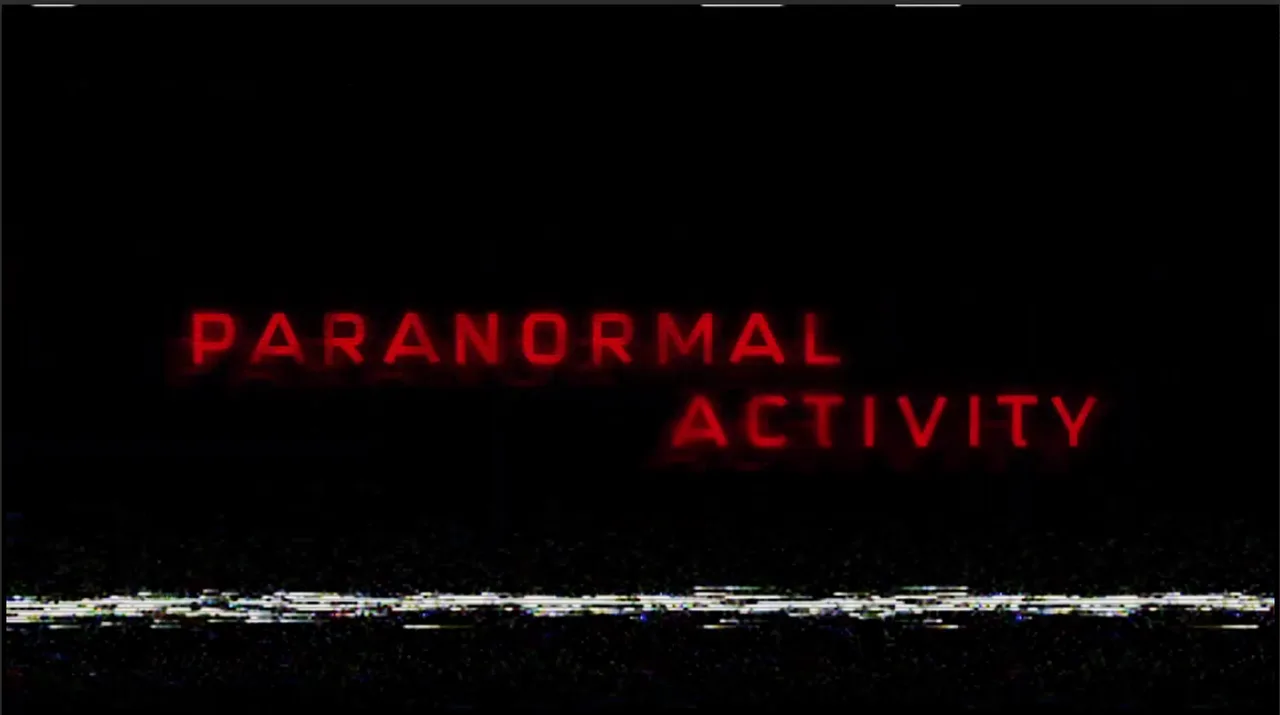
The acclaimed solo developer behind The Mortuary Assistant officially announced the cancellation of Paranormal Activity: Threshold that day, citing a fundamental clash between artistic integrity and corporate deadlines. This article explores what went wrong, what we lost, and what Clarke's departure means for the future of indie horror.
What Was Paranormal Activity: Threshold?
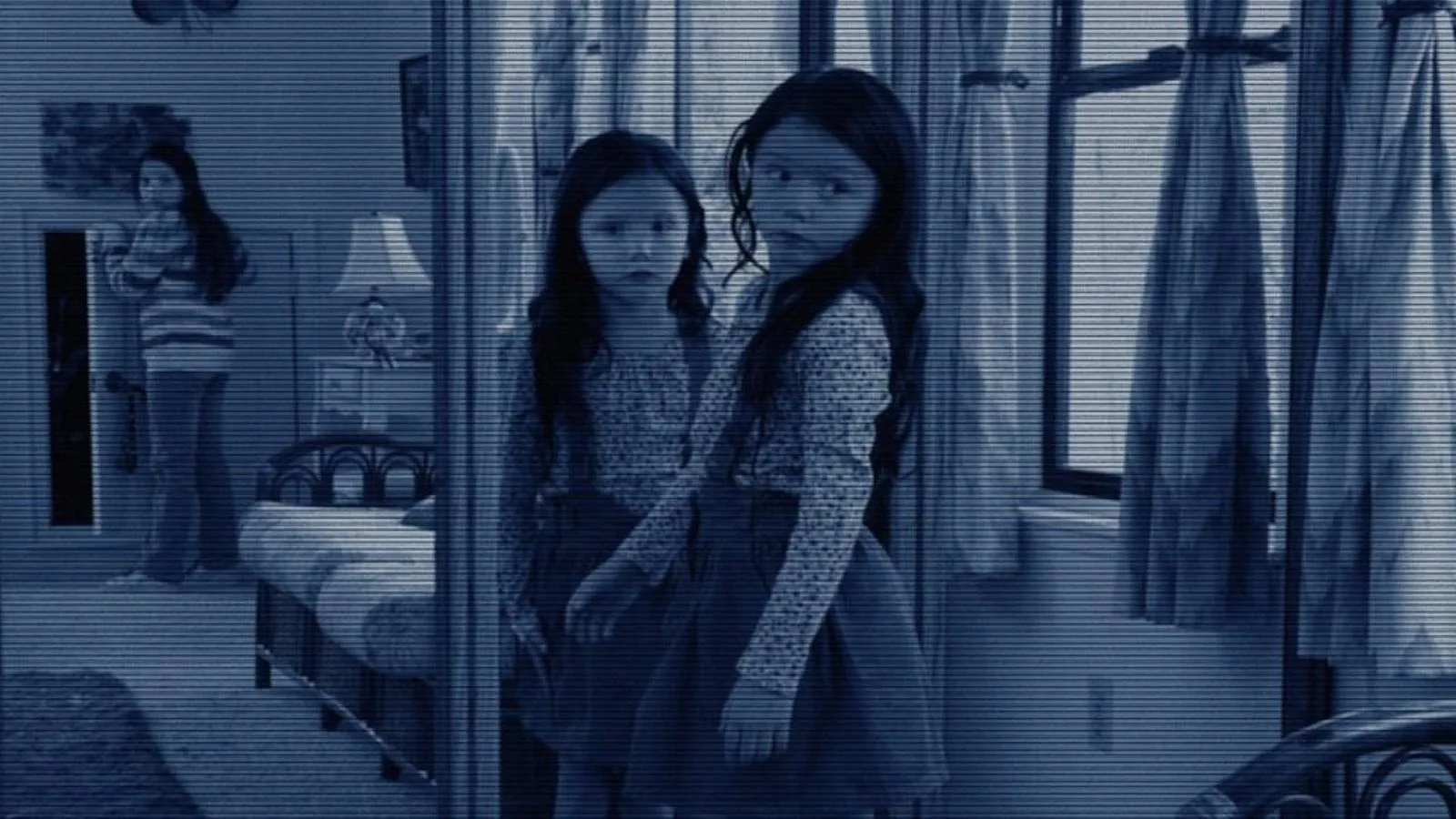
Announced in 2024, Paranormal Activity: Threshold was pitched as a found-footage horror game that would leverage a camcorder mechanic to document a haunting. Players would assume the role of a couple trapped in a haunted house, using a camcorder to capture evidence of paranormal activity while navigating multiple timelines, unique variables, and different endings. The game promised a branching narrative structure reminiscent of Clarke's work on The Mortuary Assistant, where player choices and observations would shape the outcome.
The project represented Clarke's first major IP-based venture after his breakout success with The Mortuary Assistant (2022), a game that earned critical acclaim for its realistic embalming mechanics, atmospheric tension, and deep lore. The transition from independent horror to a franchise with a built-in audience seemed like a natural progression for Clarke, who had proven his ability to craft immersive, psychologically unsettling experiences.
Paranormal Activity: Threshold was planned as a spiritual successor to the 2017 VR title Paranormal Activity: The Lost Soul, which was later ported to flat-screen on PlayStation 4 and PC. Clarke's iteration aimed to expand the franchise's gaming footprint with a more narrative-driven, mechanically rich experience.
Why Was the Game Canceled? The Developer's Perspective
According to Clarke's official statement, the cancellation stemmed from a fundamental disagreement over development timelines. Clarke requested additional time to ensure the game met his quality standards, and publisher DreadXP supported this extension. However, Paramount, as the IP owner, did not agree to extend the development timeline.
Faced with a difficult choice—release a "sub-par product" or cancel the project—Clarke chose to cancel. In his words, "I couldn't bring myself to release something that didn't meet the standards I set for myself and for the fans who supported me." The decision highlights a recurring tension in the games industry: the conflict between creative ambition and corporate scheduling.
While no official reason was given for Paramount's refusal to extend the timeline, speculation points to the upcoming Paranormal Activity film scheduled for release on May 21, 2027. A tie-in game would have provided valuable marketing synergy, driving cross-promotion between the film and the game. With the film's release date locked, Paramount likely wanted the game ready to capitalize on that momentum.
All parties—Clarke, DreadXP, and Paramount—confirmed they parted ways amicably. In a joint statement, they emphasized that the decision was mutual and that no bad blood exists between the collaborators. "We remain grateful for Brian's passion and vision," a Paramount representative said, "and we look forward to seeing what he creates next."
In his announcement, Clarke emphasized that he "is not going anywhere" and plans to return to indie horror development after a short vacation. He noted that indie development lacks the corporate pressure of "rushing to make a deadline," a key factor in his decision to walk away from the project. "I started making games because I love the creative freedom," he wrote. "That freedom is what makes indie horror special, and I want to protect it."
The cancellation underscores the challenges indie developers face when working with major IP holders. Clarke's reputation, built on The Mortuary Assistant's critical success, made him unwilling to compromise on quality. For a developer who spent years perfecting the embalming minigame and the subtle environmental storytelling in The Mortuary Assistant, rushing a project would have been anathema to his creative process.
Clarke's decision also reflects a broader trend in indie horror: developers increasingly prioritize artistic integrity over commercial expediency. Games like Signalis and Amnesia: The Bunker have demonstrated that patient, deliberate development yields more memorable experiences. Clarke's choice to cancel rather than compromise is a testament to that philosophy.
What This Means for the Paranormal Activity Franchise
The cancellation leaves a significant gap in the Paranormal Activity franchise's gaming presence. The upcoming Paranormal Activity film scheduled for May 2027 will launch without a tie-in game to boost cross-promotion. While the film's success doesn't depend on a game, the synergy between the two mediums could have generated significant buzz. The franchise's future in gaming remains uncertain, though the amicable parting leaves the door open for future collaborations with other developers.
The decision may also impact how other indie developers approach licensed IP projects. The lesson from Clarke's experience is clear: corporate expectations and creative timelines don't always align. For some, the allure of a franchise with a built-in audience may still be worth the risk; for others, the freedom of independent development may prove more attractive.
The cancellation of Paranormal Activity: Threshold is a sobering reminder of the challenges indie developers face when working with large IP holders. Brian Clarke's choice to prioritize quality over a rushed release earned him respect from the community, even as fans mourn what could have been. Clarke's next game may be smaller, stranger, and entirely his own—and that's exactly why it's worth waiting for.
What's Next for Clarke?
Clarke has confirmed he will return to indie horror development after a short break, free from the constraints of corporate deadlines. Fans can expect his next project to reflect the creative freedom that made The Mortuary Assistant a standout hit.