The Console Era Is Fading: Why Gaming's Future Looks Bleak (and Expensive)
For decades, owning a dedicated game console was the default way to play—a simple, affordable box under the TV that promised endless entertainment. But in 2026, that promise is breaking. Nintendo...

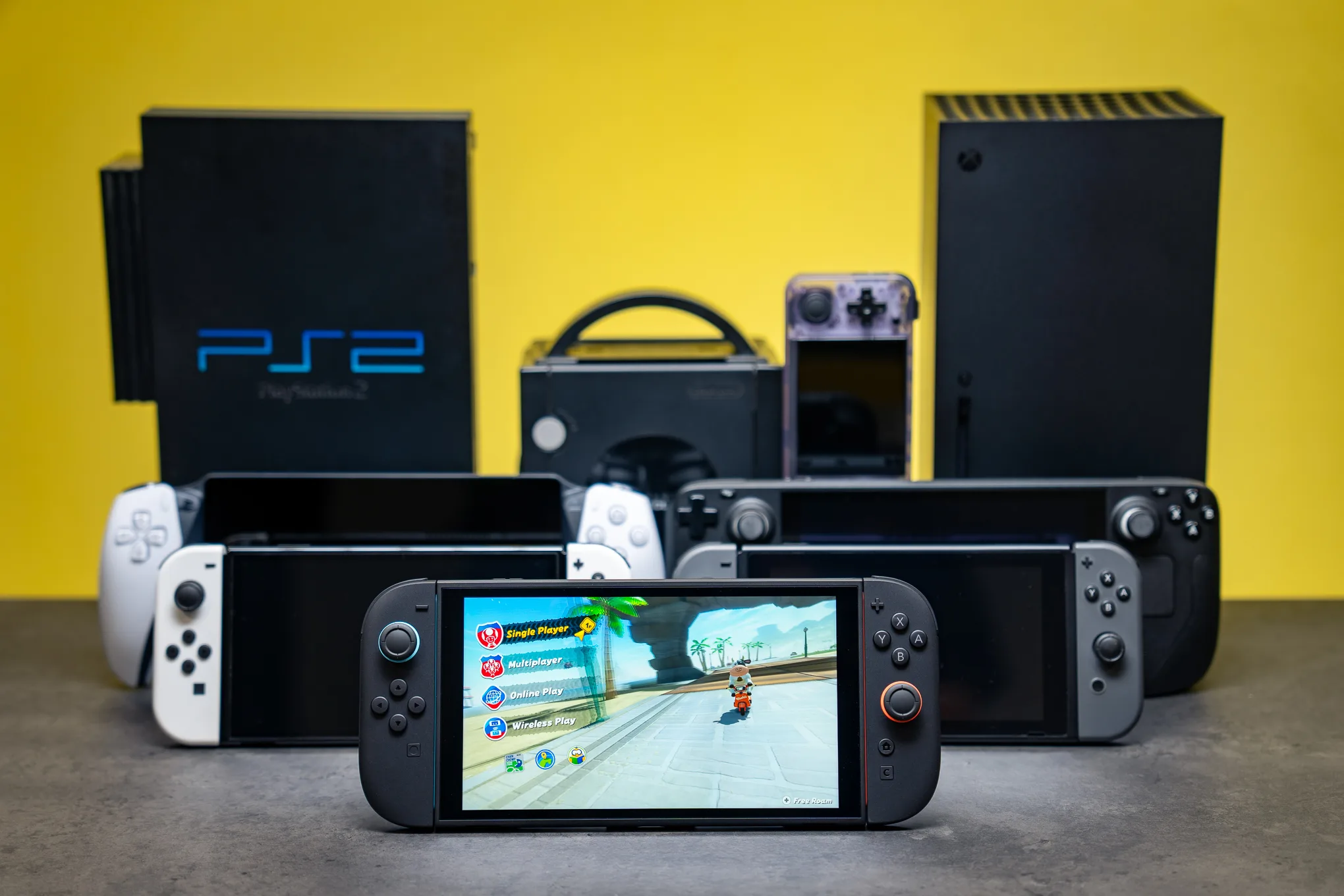
For decades, owning a dedicated game console was the default way to play—a simple, affordable box under the TV that promised endless entertainment. But in 2026, that promise is breaking. Nintendo just raised the Switch 2 price by $50. Sony's PS5 sales have plummeted 46%. Microsoft's Xbox hardware revenue is down 33% year-over-year, and its next console, Project Helix, is rumored to cost over £1,000. Meanwhile, the industry's biggest players are suing governments, apologizing for failed blockbusters, and admitting their own platforms are failing to grow. The mounting evidence suggests the console market is shrinking into a luxury niche—and the implications for the future of gaming are profound.
The Price Problem: Consoles Are Becoming Luxury Goods
The most immediate and visible sign of trouble is price. Nintendo's decision to raise the Switch 2 by $50—effective September 1st in the US, Canada, and Europe, and May 25th in Japan—follows similar increases by Microsoft in spring 2025 and Sony, whose PS5 now sits $150 above its launch price. Cumulatively, these hikes create an affordability crisis that threatens the very premise of console gaming as a mass-market entertainment medium.
Despite strong initial sales—nearly 20 million Switch 2 units in under a year, with launch title Mario Kart World selling close to 15 million copies—Nintendo forecasts a 16.9% sales drop for the next fiscal year. This is a telling signal: even blockbuster hardware faces a demand ceiling. The article's central argument crystallizes here: rising costs are transforming consoles from mass-market entertainment into "niche, luxury goods," with no room for growth in the current economic climate.
While these figures are concerning, it is worth noting that Nintendo's Switch 2 launch was among the most successful in the company's history, and the PS5 has surpassed 100 million lifetime sales. These are not signs of a market in collapse, but rather of a market undergoing significant consolidation and price sensitivity.
Sony and Microsoft: Two Giants, Two Very Different Troubles
Sony's PlayStation 5, once the undisputed king of this generation, is showing alarming signs of fatigue. The company sold just 1.5 million PS5s in the last fiscal year—a 46% drop from the prior period. While lifetime sales have surpassed 100 million units, the momentum is collapsing. The question is no longer whether the PS5 can sustain its lead, but whether Sony can reverse the decline before the market shifts permanently.
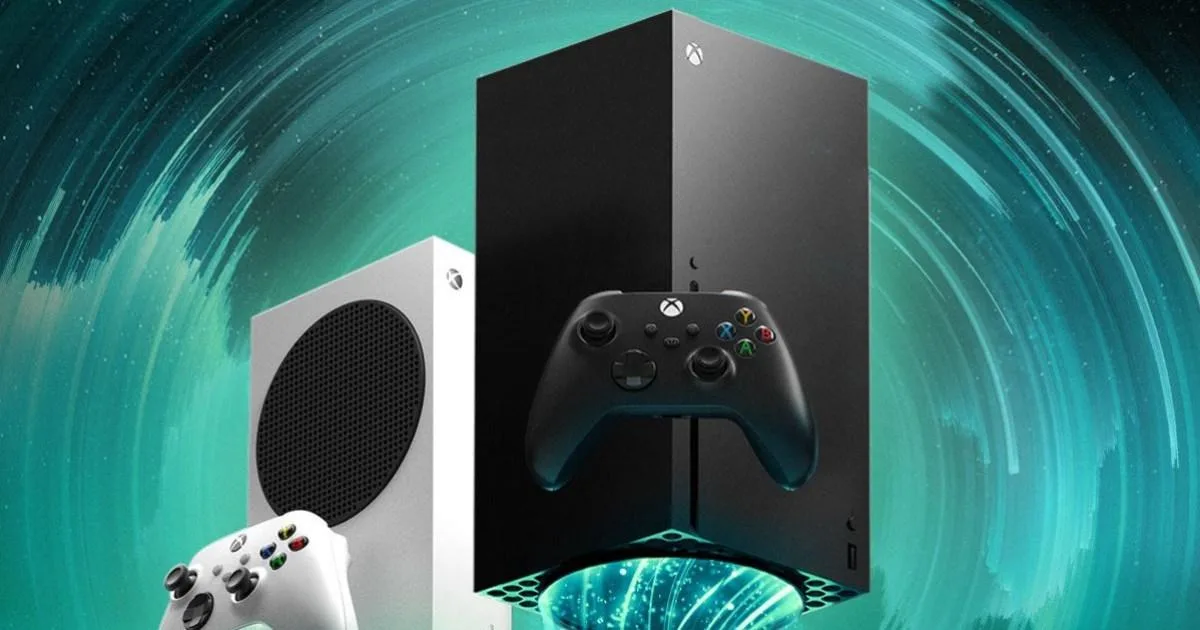
Microsoft's situation is even more dire. The Xbox Series X lifetime sales are estimated at less than 34 million units—a fraction of the PS5's 100 million-plus. Microsoft's fiscal Q3 2026 gaming revenue declined 5% year-over-year, following a 9% decline in the prior quarter. Xbox hardware revenue dropped 33% in the same period. CFO Amy Hood attributed the revenue decline to "strong first party content performance" in the prior year, but notably did not specify which games. This omission suggests the decline is structural, not seasonal—a systemic failure to convert software success into hardware demand.
However, it is important to note that both Sony and Microsoft are still generating substantial revenue through software sales, subscriptions, and services. The console market may be maturing rather than collapsing, with growth shifting to other segments like PC gaming, cloud streaming, and mobile.
Xbox's Identity Crisis: Exclusivity Erodes
Upcoming Xbox first-party releases in 2026 include Forza Horizon 6 (May), Fable (autumn), a Halo: Combat Evolved remake, Gears of War: E-Day, and a new Call of Duty title. But exclusivity is eroding rapidly. Fable and Halo are launching day one on PlayStation 5; Forza Horizon 6's PS5 version arrives in H2 2026; Gears of War: E-Day is not yet confirmed for PS5. The strategy of using exclusive titles to drive hardware sales—the bedrock of console competition—is being abandoned.
The erosion of exclusivity is compounded by the failure of even the industry's biggest franchise. Call of Duty: Black Ops 7 was described as a "sales disaster" and prompted an apology from Activision. When the most reliable blockbuster in gaming falters, the entire ecosystem feels the tremors.
New Xbox boss Asha Sharma, who took over in February 2026, inherited a platform in crisis. She acknowledged the poor performance in a social media post, stating "player and revenue growth has not yet met our ambition." Sharma is implementing a leadership shake-up, arguing that the organization is "too hard to ship impact quickly; we spend too much time inward instead of with the community; and we lack the capability we need in some key areas." She has brought in five executives from Microsoft CoreAI, including Jared Palmer and Tim Allen, to focus on platform polish and user growth, while departing executives Kevin Gammill and Roanne Sones exit. The new hires are described as "platform and dev tool oriented," aiming to improve responsiveness and compete with SteamOS as a threat to Windows.

The Bigger Picture: Is There a Viable Path Forward?
The challenges facing console gaming extend beyond any single company. Nintendo is suing the US government over tariffs, demanding a "prompt refund, with interest." This is a sign that geopolitical and trade tensions are directly impacting console pricing and planning—a factor that will only intensify as supply chains remain volatile.
Valve's Steam Machines are launching this year with no announced price, and SteamOS is seen as a growing competitive threat to Windows. This could fragment the PC/console hybrid space further, potentially pulling consumers away from dedicated gaming hardware altogether. Meanwhile, cloud gaming services from Xbox (Game Pass Ultimate) and Sony (PlayStation Plus Premium) offer alternatives that require no expensive hardware, though they depend on reliable internet connections.
The central question is whether Microsoft will give Xbox sufficient "runway" to recover from what many analysts describe as significant challenges over the past few years. With hardware revenue declining, first-party games going multiplatform, and a $1,000+ console on the horizon, the path to profitability is unclear. Project Helix is expected to launch in 2027, but at a rumored cost of over £1,000, it risks being a luxury item for a shrinking audience.
The Coming Divide
The console era is not ending overnight, but the signs of decline are unmistakable. Prices are rising, sales are falling, and the industry's biggest players are struggling to adapt. Nintendo is suing governments, Sony is losing momentum, and Microsoft is overhauling its leadership while its hardware business faces declining revenue. The next few years will determine whether consoles can reinvent themselves as affordable, accessible platforms—or whether they will become a luxury good for a shrinking audience.
What should readers watch for in the next 12-18 months? Key indicators of recovery would include sustained price stabilization, renewed hardware sales growth, and successful launches of affordable next-generation consoles. Signs of further decline would include additional price hikes, more exclusivity erosion, and continued sales drops across all platforms. For now, the future of game consoles looks uncertain, and the cost of entry has never been higher. The question is not whether consoles will survive, but what form they will take—and who will still be able to afford them.