Nuclear Reactor Startup Powers an Nvidia Desktop AI PC - But Its Demo Reveals a Huge Gap Between Hype and Reality
Nuclear Reactor Startup Powers an Nvidia Desktop AI PC, But Its Demo Reveals a Huge Gap Between Hype and Reality The scene in Orangeville, Utah, on July 1, 2026, was part technical milestone, part...


Nuclear Reactor Startup Powers an Nvidia Desktop AI PC, But Its Demo Reveals a Huge Gap Between Hype and Reality
The scene in Orangeville, Utah, on July 1, 2026, was part technical milestone, part theater. A 27-year-old CEO stood on a stage beside the Ward 250 microreactor, a squat metal cylinder that had been airlifted to the site weeks earlier. A team member plugged an unassuming desktop PC into the reactor's electrical output. The machine booted. A live website appeared on screen, served directly from nuclear electricity.
It was a genuine first for a startup: generating usable electrical current from a new nuclear reactor design and powering a real computing device with it. But the device in question was an Nvidia DGX Spark, a desktop AI supercomputer that draws less power than a high-end gaming rig. A full nuclear reactor was needed to keep a single desktop's website online. The gap between the ambition of nuclear-powered AI data centers and the reality of where we actually stand has never been clearer.
The Tolkien-Inspired Startup Turns on the Lights
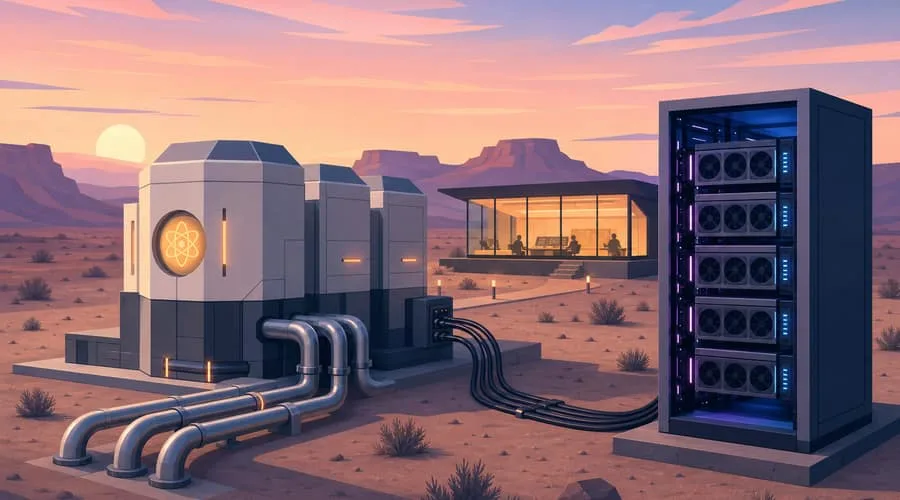
Valar Atomics, named after the godlike beings in J.R.R. Tolkien's Legendarium, activated its Ward 250 microreactor live on stage. The reactor, a 100kW thermal helium-cooled, TRISO-fueled high-temperature gas design, was operated at 37% power during the demo. A team member plugged the Nvidia DGX Spark into the reactor, and the chip briefly hosted a live website served directly from the reactor's electricity.
CEO Isaiah Taylor, who founded the company in 2023 at age 24 and has family ties to the Manhattan Project, described the moment as "a first for a startup." The company claims to be the first startup to produce nuclear power, though the Department of Energy notes that other firms such as Deployable Energy and Antares Nuclear have also achieved criticality. The distinction lies in generating electrical current rather than merely sustaining a chain reaction. Antares Nuclear's Mark-0 reached criticality on June 4 at Idaho National Lab but has not publicly demonstrated electricity generation.
What the Technical Achievement Actually Means
The Ward 250 achieved zero-power criticality on June 18, 2026, under the DOE Reactor Pilot Program, a White House initiative accelerated by four executive orders in 2025. Valar is one of nearly 10 startups in the program, which aims to bring three advanced small reactors to criticality by early July. The company is the first to demonstrate full electrical generation.
The reactor itself was airlifted to the San Rafael Energy Laboratory in rural Utah aboard a US military C-17, a first for a small reactor. The lab sits in Emery County, an area with a long history of coal and uranium mining. Valar simultaneously announced an exploratory partnership with Nvidia to investigate building a 30MW closed-loop AI data center in Utah that would use nearly zero water. The proposed facility would combine the Ward 250's helium cooling with Nvidia's direct liquid cooling, a critical selling point in drought-prone Utah where conventional data center water consumption is increasingly contentious.
A Nuclear Reactor to Power a Desktop PC
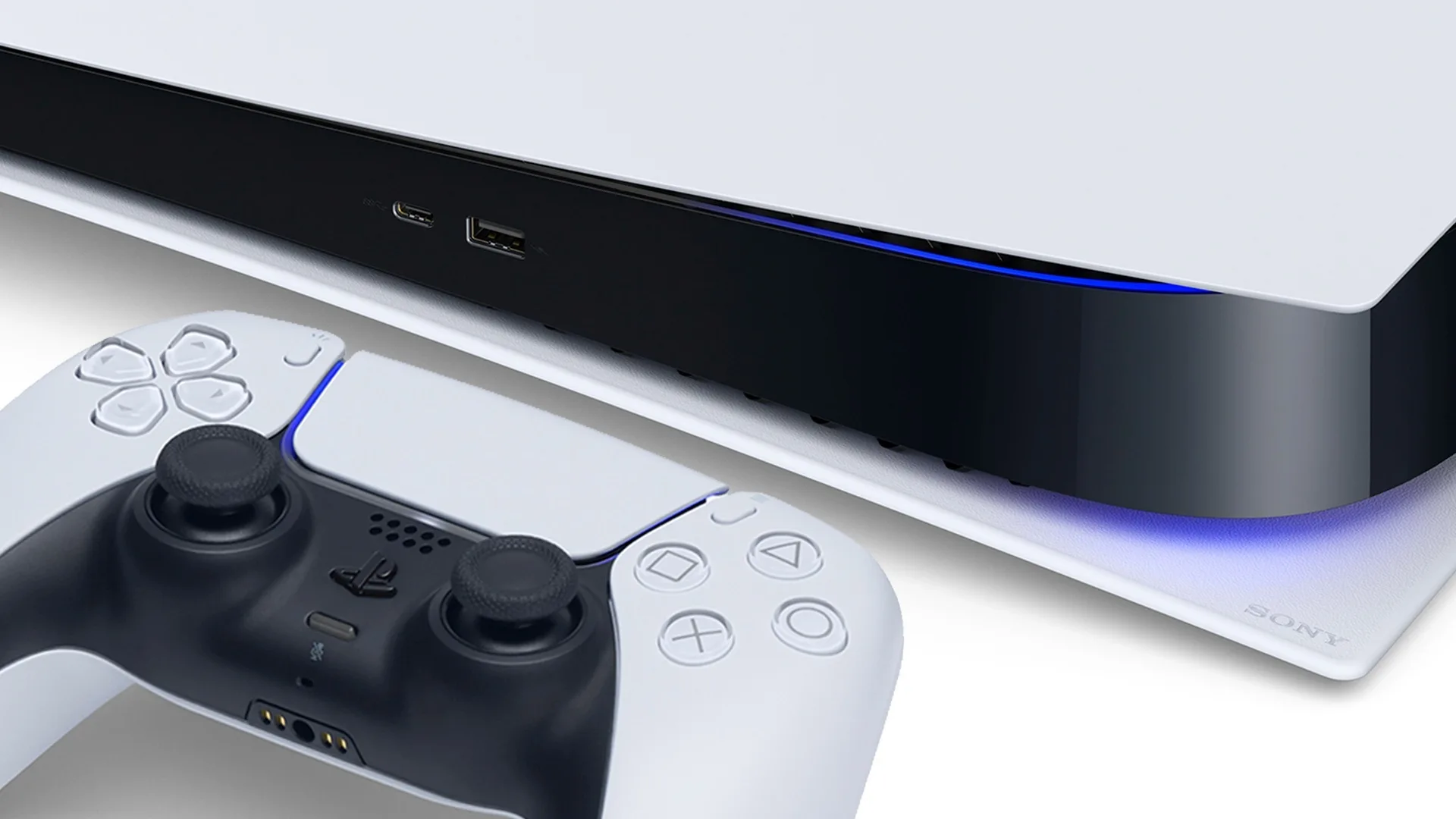
The DGX Spark is a desktop-class device, essentially a development kit for AI workloads, not a gaming PC. It retails for roughly $4,679 and offers up to 1 petaFLOP of performance using Nvidia's Grace Blackwell GB10 superchip. But it draws modest power, less than a typical gaming rig. Observers noted that the reactor produced "just a trickle of electricity" during the demo, a far cry from the megawatts required for an actual AI data center.
The live website demo was hosted on the chip powered by the reactor. If the reactor went offline, the demo site went down. That practical limitation underscores the distance between this demonstration and any commercial deployment. The company's proposed 30MW data center, if built, would be 300 times smaller than the approved Stratos hyperscaler in Box Elder County, Utah. Even that modest facility would require multiple Ward 250 reactors operating at full power, plus NRC licensing that chairman Ho Nieh says the commission aims to shorten to under 18 months.
Valar has raised $19 million in seed funding. That is a tiny fraction of the capital needed to build even a small commercial microreactor plant, let alone the multi-billion-dollar infrastructure of a hyperscale AI data center.
AI's Insatiable Energy Appetite vs. Nuclear Reality
The broader context is that AI data centers face staggering electricity and water demands. Training and inference at scale require gigawatts of reliable, around-the-clock power. Nuclear energy, with its carbon-free, dense output, has become a tantalizing solution for the industry. Yet the path from a desktop demo to a working data center is littered with regulatory hurdles, funding gaps, and scaling challenges.
For players, the implications are real. The energy bill for AI-powered game servers, handling everything from upscaling to NPC behavior to matchmaking, could eventually dwarf the cost of your home rig. A reactor to power a single desktop is absurd today, but it hints at the scale of energy that AI gaming features may demand tomorrow. If cloud gaming and AI-driven worlds become the norm, every milliwatt counts.
Water conservation is a genuine need. Helium cooling and direct liquid cooling reduce consumption dramatically, and Valar's technology could be a piece of that puzzle. But the company is years away from commercial deployment. Nearly 10 startups are racing through the DOE program, but none have yet cleared the licensing and financing hurdles needed to sell power to an AI operator.
The Real Lesson of the Utah Demo
The live demonstration was a legitimate technical achievement. It proved that a startup can design, build, and operate a small nuclear reactor that produces electricity. But it also exposed the enormous gap between the promise of "nuclear for AI" and the tangible output today. A single desktop, even one marketed as a personal AI supercomputer, is not a data center. A 30MW plan is not a construction project. The demo wasn't a solution; it was a stress test of our expectations.
So what would make this viable? The next milestone to watch isn't another desktop stunt, it's scaling. Will Valar's next demo power two desktops? A small server rack? That timeline, measured in years of licensing and billions in funding, is the one gamers and investors alike should pay attention to, not today's headline. For now, the question isn't whether nuclear can power AI. It's whether the industry can close the gap between a trickle of electricity and a torrent.