Nintendo to Discontinue Original Switch in Europe Next Year Due to EU Battery Rules
The Nintendo Switch, the best-selling console in the company’s history and the second-best-selling of all time, is about to face a quiet end in Europe, but not because of dwindling demand or a lack...

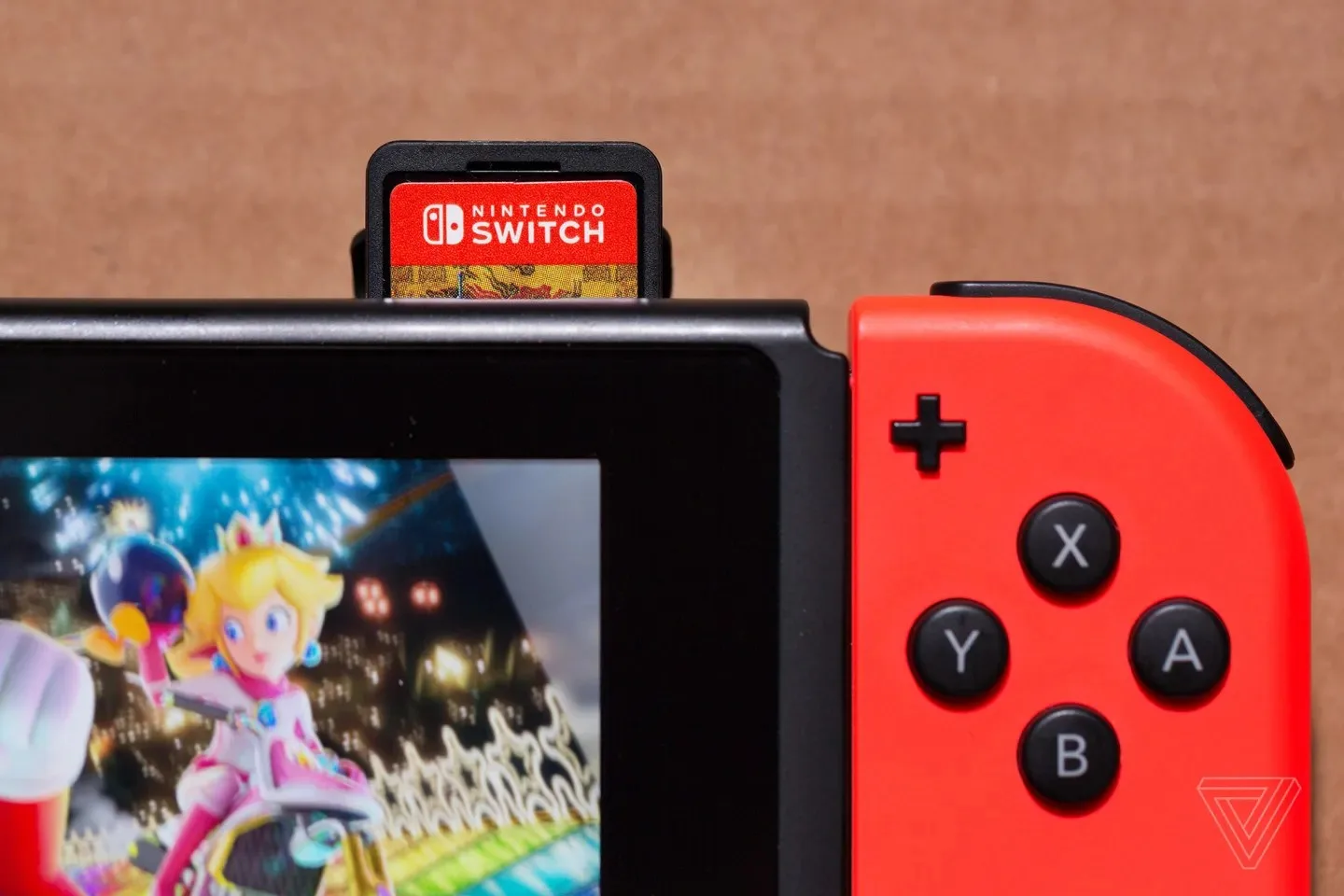
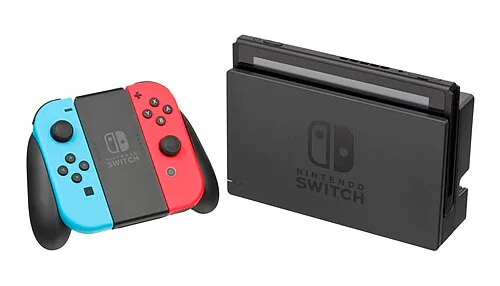
The Nintendo Switch, the best-selling console in the company’s history and the second-best-selling of all time, is about to face a quiet end in Europe, but not because of dwindling demand or a lack of games. Instead, a new European Union regulation mandating user-replaceable batteries in portable electronics will force Nintendo to pull the plug on all original Switch models (Switch, Switch Lite, and Switch OLED) from store shelves by mid-February 2027. This means 2026 is the final year European buyers can purchase a new unit. Rather than redesigning the decade-old hardware to comply, Nintendo has chosen to end sales entirely, making this as much a story about regulation reshaping hardware lifecycles as it is about a nostalgic farewell.
The Announcement: What's Ending and When
Nintendo confirmed in an official statement that it will stop selling all original Switch family hardware in Europe from mid-February 2027, covering both retail distribution and the Nintendo Store. The consoles will continue to be manufactured throughout 2026 and will remain widely available in European markets for the entire year, giving fans ample time to pick up one last unit before they vanish from shelves.
For existing owners, the news is far less dramatic. Digital services, the eShop, Nintendo Switch Online, existing game libraries, and accessories, will continue “for the foreseeable future.” Nintendo’s wording is careful: it is “stopping sales,” not “stopping production” globally. Manufacturing will continue through 2026, and the company may still produce units for other regions. This is a sales stoppage in Europe only, not a global production halt.
The precise language matters. Nintendo will no longer sell the Switch family to European retailers, and will no longer offer these products on the Nintendo Store after the February 2027 deadline. But for anyone in Europe who already owns a Switch, nothing changes. The console keeps working, online play continues, and new games will still be released.
The Driver: EU Battery Regulations Explained
The root cause of this discontinuation is a new set of EU regulations adopted in 2023, which take full effect in mid-February 2027. These rules require all portable electronic devices sold in the European Union to have user-replaceable batteries. The intent is to reduce electronic waste by making it easier to replace worn-out batteries rather than discarding entire devices.
The original Nintendo Switch, however, was designed long before these regulations were proposed. Its internal battery is not easily accessible by users. Replacing it requires tools and disassembly that the average owner would find challenging, and retrofitting the decade-old hardware to meet the new standard would be economically unviable. Nintendo could have produced revised Switch 1 models with replaceable batteries, but it chose not to. Instead, the company decided to pull the plug on the entire Switch 1 line in Europe.
It is worth noting that the EU regulation applies only to products sold after the February 2027 deadline. Any Switch units purchased before that date remain unaffected, and existing owners are not required to modify their consoles. The regulation is prospective, not retroactive.
Nintendo's Strategy: Why the Switch 1 Gets the Axe While Switch 2 Adapts
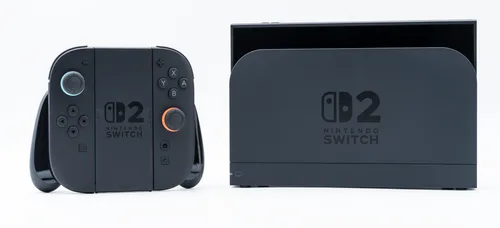
While Nintendo is ending sales of the original Switch in Europe, it is taking a very different approach with its successor. The Switch 2 will receive a revised version with a user-replaceable battery in autumn 2026, alongside updated Pro Controllers in winter 2026. Joy-Con 2 controllers will also feature user-replaceable batteries.
The revised Switch 2 model has a slightly smaller battery (5172mAh versus the original 5220mAh, about a 1% reduction) and is roughly 10 grams heavier. Nintendo states there is no difference in functionality between the current products and the revised ones, the only change is battery accessibility. Battery replacement kits for each revised product will be sold separately via the Nintendo Store in Europe.
This contrast signals Nintendo’s clear strategic priorities. The Switch 1, now in its ninth year, is seen as end-of-life. Rather than invest in a costly redesign for a limited European market, Nintendo is focusing its compliance efforts on the Switch 2, which is already the fastest-selling Nintendo console ever, 19.86 million units in its first fiscal year. The message is unambiguous: the future is Switch 2, and the original Switch’s European run is coming to a close.
Legacy and Impact: What's Next for Switch Owners?
The Nintendo Switch has sold over 155 million units worldwide, making it Nintendo’s best-selling console and the second-best-selling console of all time behind the PlayStation 2. Its hybrid design, a handheld that docks to a TV, revolutionized portable gaming and revitalized Nintendo’s fortunes after the disappointing Wii U.
Even as sales end in Europe, the Switch is still receiving notable first-party releases, with several titles planned for 2026. Existing European owners can continue to play these games, access the eShop, and use online services without interruption.
The announcement is likely to have secondary effects on the European used market. As new units dry up, demand for second-hand consoles may increase, potentially driving up prices for pre-owned Switch hardware. Some collectors may also seek to acquire their final new unit before the February 2027 cutoff. Nintendo has not commented on any plans to adjust pricing or availability of replacement parts in Europe.
Uncertainty remains for other regions. Nintendo has not announced any plans to discontinue the original Switch in the United States, Japan, or elsewhere. However, regulatory pressure may spread. The EU is often a global trendsetter in consumer electronics regulation, and other markets could follow similar paths. For now, the discontinuation is Europe-specific, but the precedent hints at a future where hardware lifecycles are increasingly shaped by environmental policy.
A Bittersweet Goodbye for a Hybrid Icon
The original Nintendo Switch’s departure from Europe marks the end of an era defined by hybrid innovation and record-breaking sales. While a new regulatory landscape is forcing hardware cycles to adapt, Nintendo’s clear prioritization of the Switch 2 ensures a smooth transition for fans. For those in Europe, 2026 is the last chance to grab a piece of gaming history before the EU’s battery laws quietly retire one of the most beloved consoles ever made. It is a quiet farewell, and one that says as much about the future of electronics as it does about the past.