New York Mayor Zohran Mamdani Launches "Talk With the People" Twitch Streams: Inside the $124.7 Billion Budget Push
The Streaming Debut – A New Era for Political Engagement At 4 pm EDT / 9 pm BST, Mamdani will go live on Twitch, YouTube, and Instagram simultaneously, a move first reported via an exclusive on...

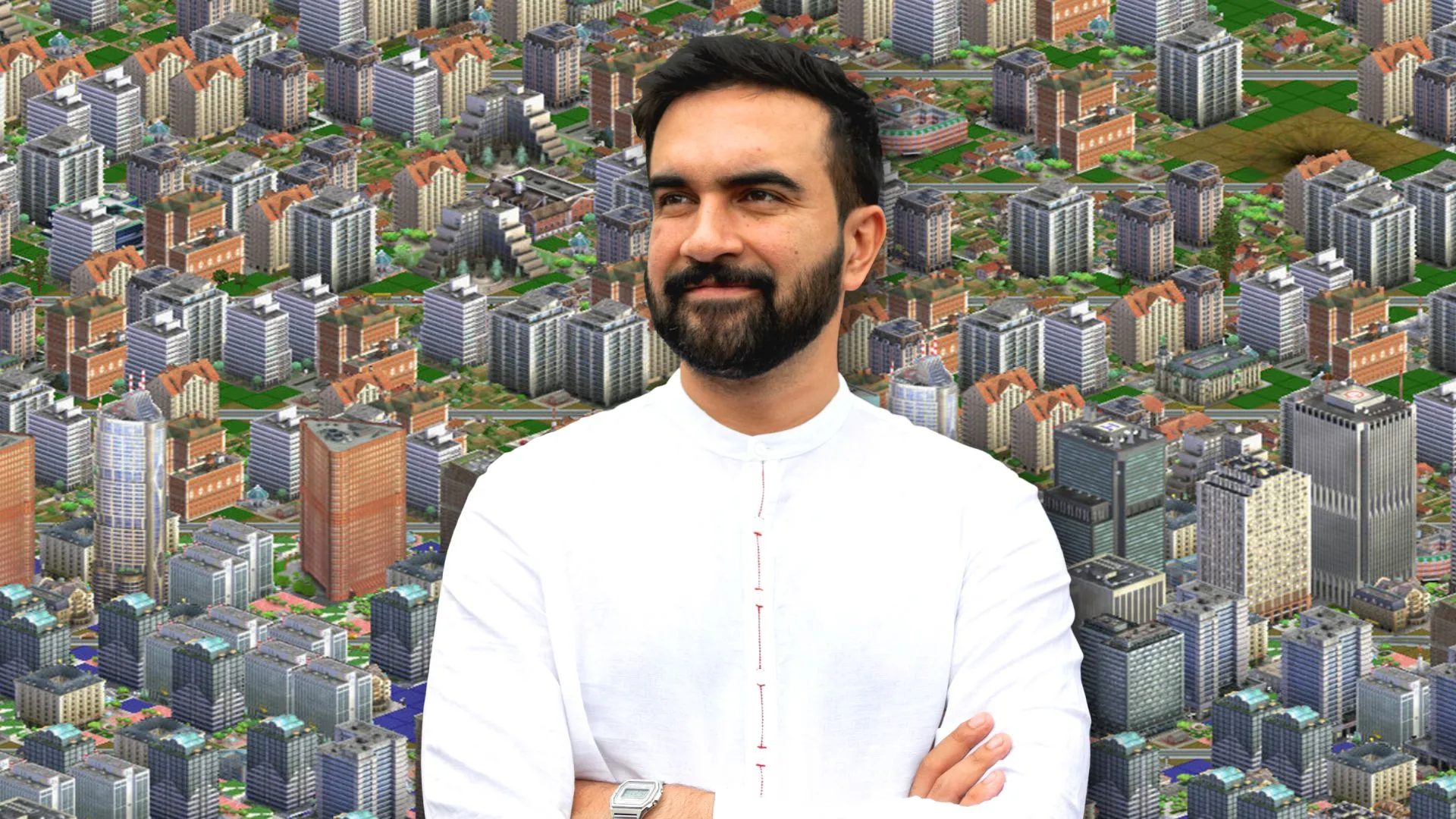
The Streaming Debut – A New Era for Political Engagement
At 4 pm EDT / 9 pm BST, Mamdani will go live on Twitch, YouTube, and Instagram simultaneously, a move first reported via an exclusive on Polygon. The "Just Chatting" category is Twitch's most-watched, hosting everything from presidential debates to ASMR—a space where authenticity often trumps polish. For a mayor, it's a deliberate signal of accessibility over production value.
The inspiration is unmistakable. La Guardia's "Talk to the People" ran from 1941 to 1945, using radio to explain wartime policies and answer listener questions. Mamdani's version updates the format for a fragmented media landscape where younger demographics are increasingly disengaged from traditional outlets. According to Pew Research, only 27% of adults under 30 say they regularly follow local news, while platforms like Twitch command over 30 million daily active users.
"This is about meeting people where they are," a spokesperson for the mayor's office told Polygon. "If we want to have an honest conversation about the city's future, we need to show up in the spaces where New Yorkers are already spending their time." The stream will be unscripted, with Mamdani taking live questions from chat—a high-risk, high-reward format for any politician, let alone one five months into a contentious first term.
Mamdani follows in the footsteps of Rep. Alexandria Ocasio-Cortez, who drew over 400,000 viewers playing "Among Us" in 2020, but no elected official has attempted a recurring governance-focused stream. The "Just Chatting" category, where he'll broadcast, is Twitch's most-watched category—a space where authenticity often trumps polish, and where one viral clip can make or break a political narrative.
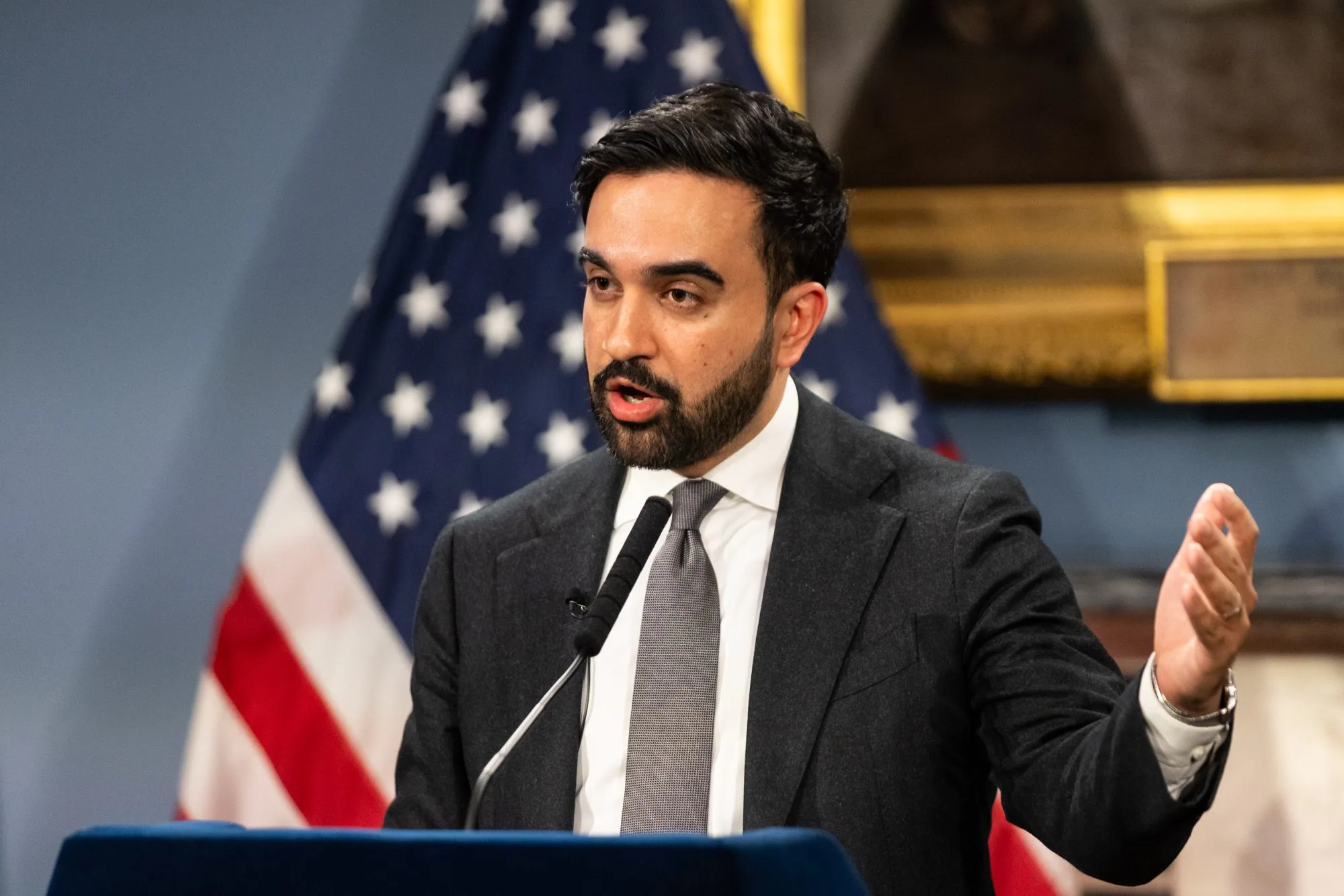
The High-Stakes Context: Budget, Opposition, and Broken Promises
The streaming launch comes just eight days after Mamdani unveiled a $124.7 billion budget on May 13, the largest in city history. To close a multibillion-dollar gap, the plan relies on three pillars: $7.6 billion in state aid from Governor Kathy Hochul, $1.77 billion in savings from reducing overtime, and $1.6 billion in near-term relief from delaying pension payments—a maneuver known as reamortization that pushes costs into the 2030s and 2040s.
The centerpiece of Mamdani's revenue strategy is a pied-à-terre tax on unoccupied second homes valued over $5 million, projected to generate $500 million annually. The city comptroller's office estimates a more conservative $340–$380 million, but the policy has already made headlines. Mamdani promoted it via a viral video targeting Citadel CEO Ken Griffin, who owns a $200 million penthouse in the city. Griffin responded by threatening to relocate jobs to Miami—a move that could erode the city's tax base further.
Critics are sharpening their knives. Andrew Rein of the Citizens' Budget Commission called pension reamortization a "gimmick" that "shifts costs to future taxpayers without solving the underlying structural imbalance." The budget must be approved by the City Council by June 30, and its long-term durability depends on steady tax revenue growth and the avoidance of a recession—neither of which is guaranteed.
Mamdani's campaign platform hinged on raising taxes on the wealthiest residents and corporations. That promise did not materialize. Governor Hochul, facing her own re-election campaign, opposed income tax hikes, leaving the mayor to pursue the pied-à-terre tax as a consolation prize. For a politician who rode a wave of progressive energy into office, the compromise has fueled accusations of broken promises.
Opposition is hardening. NYC Common Sense, a moderate group led by former mayoral candidate Jim Walden, has raised over $1 million to file lawsuits and run attack ads against Mamdani. In a particularly charged incident, Walden reposted an op-ed that characterized Mamdani as a potential terrorist sympathizer—a label Mamdani called "despicable" in a statement. The mayor, who is NYC's first Muslim leader, has faced a polarized political climate where critics say some attacks cross into Islamophobia.
Five months into his term, Mamdani is navigating a landscape where every move is scrutinized through a partisan lens. The streaming initiative, then, is not just a communication strategy—it's a survival tactic. By speaking directly to constituents, he can bypass traditional media gatekeepers and frame his own narrative. But that directness cuts both ways.
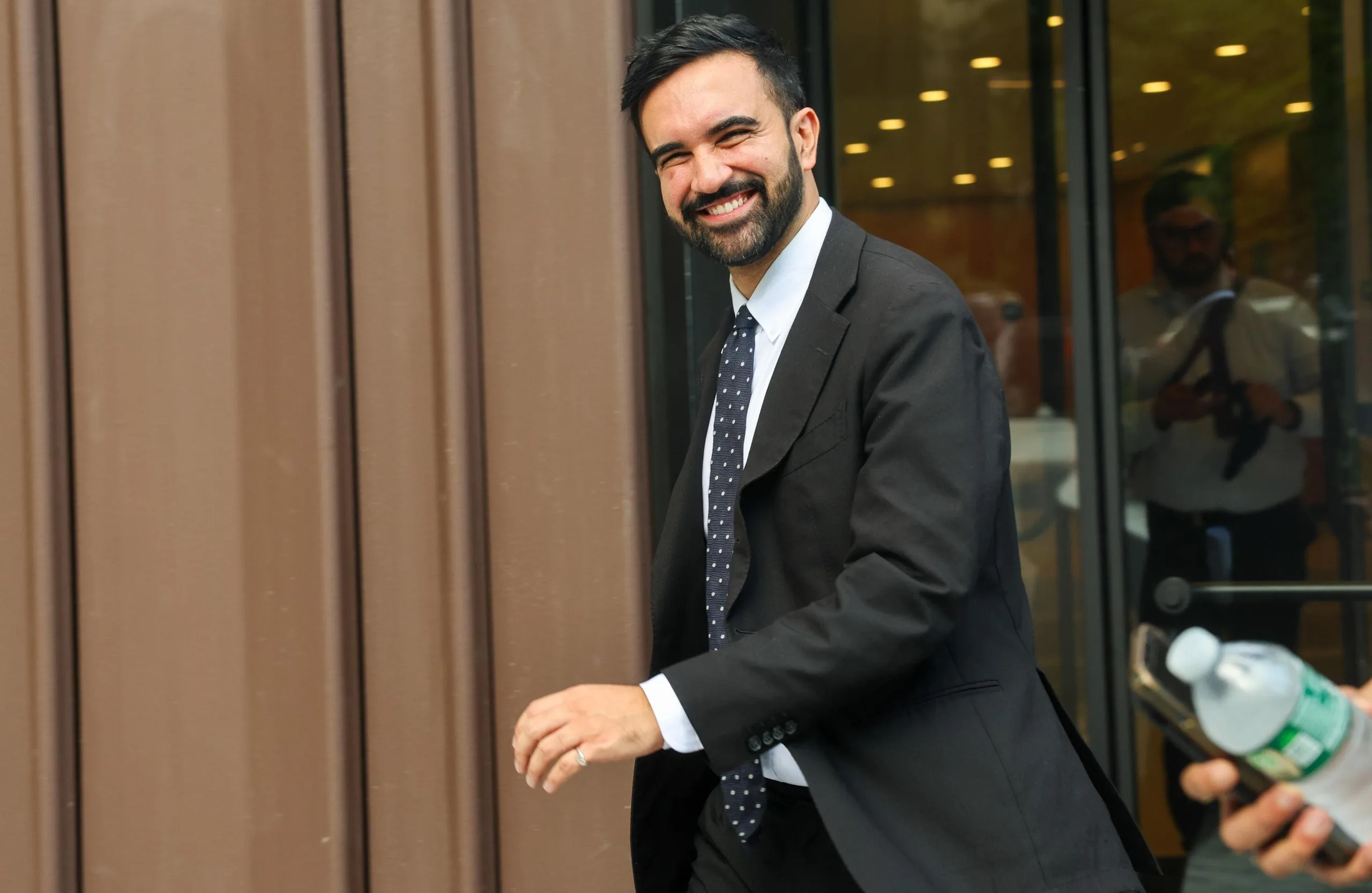
The Verdict: A Stream Worth Watching?
The "Talk With the People" stream could serve as a powerful tool for transparency. Mamdani can explain the intricacies of pension reamortization, defend the pied-à-terre tax against criticism, and build grassroots support among younger voters who might otherwise tune out municipal politics. In a city of 8.5 million, even a modest audience of a few thousand engaged viewers can translate into real political capital.
But streaming also opens him up to real-time scrutiny. Trolls, bad-faith actors, and misinformation can flood the chat. A single viral clip taken out of context could amplify the opposition's messaging. For a mayor already under fire, the risk of a stream going sideways is non-trivial.
Mamdani's Twitch debut is a bold experiment in political communication—one that blends historical inspiration with digital-native outreach. Yet it unfolds against a backdrop of fiscal strain, broken campaign promises, and heated opposition. Whether the stream becomes a genuine platform for dialogue or a stage for political theater will depend on how Mamdani navigates the tension between transparency and spin—and whether New Yorkers tune in to hear the full story. If this works, expect every mayor to go live. If it fails, expect the chat to let him know.