Spellcaster Chronicles Shuts Down After Three Months: What Quantic Dream’s MOBA Failure Means for Live-Service Games
Fifty-four players. That's all that remained of Quantic Dream's ambitious MOBA experiment three months after launch—barely enough to fill nine simultaneous 3v3 matches, and fewer concurrent players...

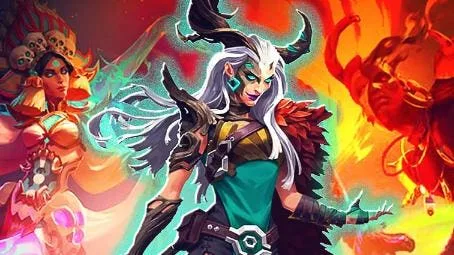
Fifty-four players. That's all that remained of Quantic Dream's ambitious MOBA experiment three months after launch—barely enough to fill nine simultaneous 3v3 matches, and fewer concurrent players than a single full lobby of Overwatch 2. How did one of gaming's most celebrated narrative studios end up here?
In February 2026, Quantic Dream—a studio synonymous with narrative-driven blockbusters like Detroit: Become Human and Heavy Rain—took an unexpected gamble by launching Spellcaster Chronicles, a free-to-play 3v3 MOBA-style game in Early Access. Just three months later, that gamble has ended in failure. With a peak of only 888 concurrent players and a steep decline to 54, the game has been shut down. This article examines the reasons behind the sudden cancellation, what it reveals about the current state of live-service PvP games, and how Quantic Dream's pivot to competitive multiplayer went so wrong.
The Numbers Behind the Shutdown
The raw data paints a stark picture. Spellcaster Chronicles launched on Steam with a peak concurrent player count of just 888—a number that quickly plummeted to around 150, and eventually to a mere 54 players. For context, a single match of League of Legends requires 10 players. Spellcaster Chronicles couldn't even fill six matches at its nadir. The game's user reviews on Steam earned a "mixed" rating from just over 800 reviews, with players citing persistent bugs and a lack of polish as primary complaints.
Despite adopting a free-to-play model with no upfront cost, the title failed to attract or retain a sustainable audience. In its official statement, Quantic Dream cited a "particularly challenging market environment" and insufficient audience for long-term viability as the reasons for the shutdown. The studio has committed to issuing refunds for all Early Access purchases upon request, and the servers will remain online until June 19, 2026, offering a brief window for remaining players to enjoy the game before it fades into obscurity.
Why Spellcaster Chronicles Failed
The failure of Spellcaster Chronicles cannot be attributed to a single factor; rather, it is the result of several compounding issues that doomed the project from its inception.
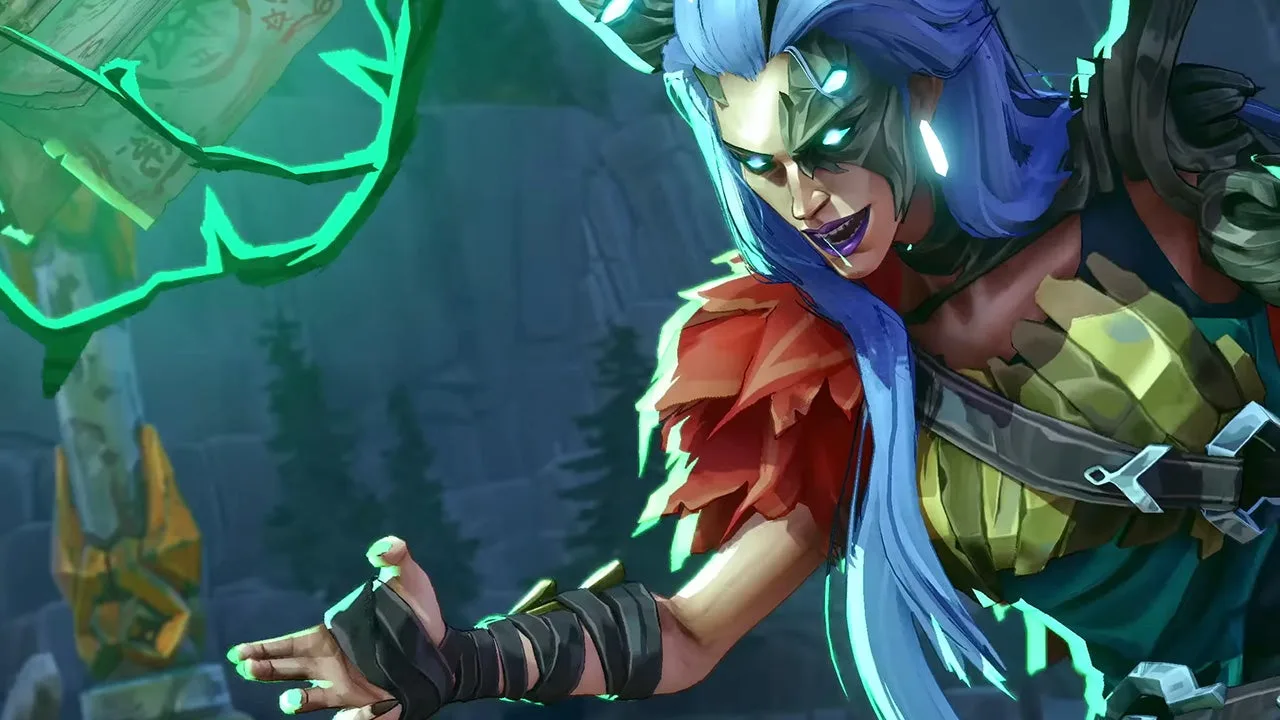
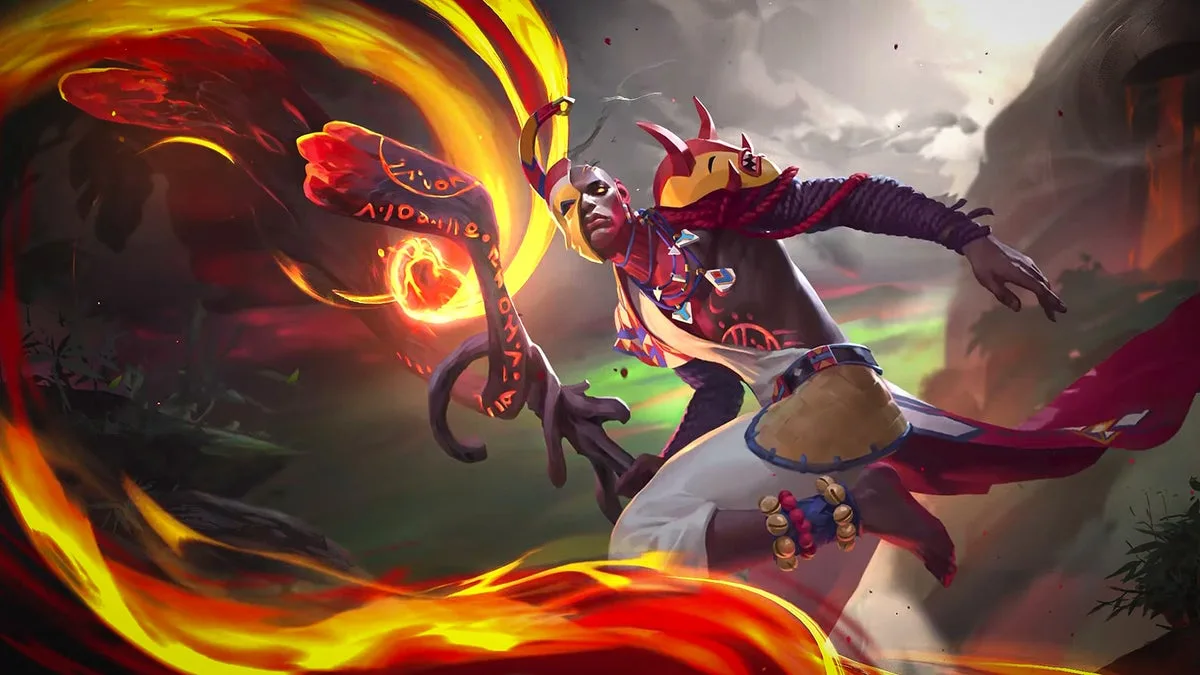
Lack of differentiation stands out as the most critical flaw. The MOBA and hero-shooter space is already crowded with established giants like League of Legends, Dota 2, Overwatch 2, and Smite. Spellcaster Chronicles failed to carve out a unique identity or compelling hook that would persuade players to invest time in yet another competitive team-based game. The title featured a generic fantasy aesthetic with spell-slinging characters, but offered little to distinguish itself from the dozens of similar games already on the market. As one Steam reviewer put it: "It feels like a mobile game trying to be a PC MOBA, but without the polish of either."
Technical issues at launch compounded the problem. The mixed reviews highlighted persistent bugs, which likely drove away early adopters who might have become evangelists for the game. In a market where first impressions are everything, a buggy launch can be fatal—especially for a title that lacks a pre-existing fanbase to weather the storm.
No built-in audience was another significant hurdle. Unlike Quantic Dream's story-driven games, which benefit from a dedicated following and critical acclaim, Spellcaster Chronicles had no narrative draw or established community. David Cage himself described the game as a "risk and a departure" from the studio's previous work, acknowledging the challenge of entering a new genre without the safety net of a familiar franchise.
The game's fate invites comparisons to the catastrophic failure of Sony's Concord, though there are key differences. Spellcaster Chronicles was free-to-play and had a much shorter development period and lower budget. Yet both titles entered a saturated market without sufficient demand or differentiation, and both were met with indifference from the gaming community. In a November 2025 preview, Polygon praised the game's approachable MOBA format but expressed uncertainty about its long-term viability. That uncertainty proved prescient—the game never managed to translate initial interest into sustained engagement.
The Broader Trend of Live-Service PvP Failures
Spellcaster Chronicles joins a growing list of live-service PvP games that launched and quickly died: Concord, Suicide Squad: Kill the Justice League, and Highguard are just a few recent examples. The common thread among these failures is striking: all entered a mature market without a strong unique selling point, relying on genre conventions rather than innovation. The "challenging market environment" cited by Quantic Dream is not merely an excuse—it reflects a real shift in player behavior. Gamers are increasingly hesitant to invest time in new PvP games when established competitors offer deeper experiences, larger communities, and proven longevity. The sunk-cost fallacy works in favor of incumbents; players who have spent hundreds of hours mastering League of Legends or Overwatch 2 are unlikely to abandon those investments for an unproven newcomer.
Free-to-play, once seen as a silver bullet for attracting players, is no longer a guarantee of success. Discoverability and retention are more difficult than ever in a market flooded with free-to-play options. Without a strong marketing campaign, a unique hook, or a built-in audience, even a polished game can fail to gain traction.
Impact on Quantic Dream and Future Projects
The shutdown of Spellcaster Chronicles will trigger an internal reorganization and likely layoffs, though the exact number of affected staff is not yet known due to ongoing French legal consultation. The studio has confirmed that its narrative-focused project Star Wars Eclipse remains in development, though no release date has been announced.
The failure of Spellcaster Chronicles raises uncomfortable questions about Quantic Dream's ability to pivot from narrative-driven single-player games to live-service multiplayer. For a studio that has built its reputation on cinematic storytelling, the foray into competitive multiplayer was always a gamble—and it has now proven to be a costly one. The financial and morale damage could delay future projects, and the studio may need to refocus on its core strengths to recover.
Spellcaster Chronicles is a cautionary tale for any studio attempting to break into the live-service PvP space without a clear differentiator or a built-in audience. Quantic Dream's gamble failed not because of a lack of effort, but because the market no longer rewards generic entries—even from established developers. The lesson for studios isn't just "avoid saturated markets"—it's that brand recognition alone cannot substitute for a compelling reason to play. As Quantic Dream reels from the cancellation and turns back to Star Wars Eclipse, the broader gaming industry must confront a new reality: the live-service gold rush is over, and the pickaxes are getting heavier. For every Fortnite or Valorant, there are dozens of games like Spellcaster Chronicles that never stood a chance.