Inside Meta's AI Ambition: The Zuckerberg Avatar and the Future of Corporate Leadership
Imagine logging into your internal company portal for a quarterly check-in. Instead of a meeting link with your manager, you’re greeted by a photorealistic, 3D-animated Mark Zuckerberg. He asks about...

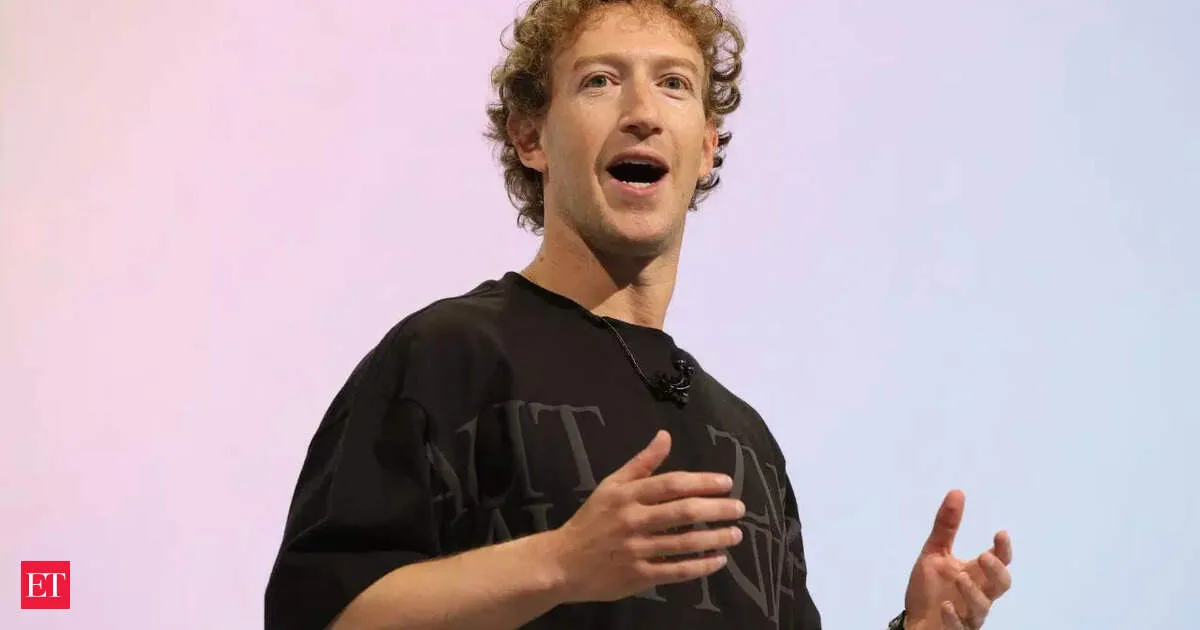
Imagine logging into your internal company portal for a quarterly check-in. Instead of a meeting link with your manager, you’re greeted by a photorealistic, 3D-animated Mark Zuckerberg. He asks about your project’s blockers, offers strategic feedback in his familiar cadence, and discusses the company’s north star—all without the real Zuckerberg being anywhere near a keyboard. This isn’t a scene from a speculative tech thriller; it’s a reported project currently in development at Meta. According to a forward-looking Financial Times report speculating on 2026, the social media giant is building an AI clone of its founder and CEO for employee interactions.
Far from a quirky Silicon Valley experiment, this initiative is a direct window into Meta’s colossal, multi-billion dollar wager on artificial intelligence. It’s a bet aimed at nothing less than reshaping internal operations, redefining leadership scalability, and securing its competitive future. The project forces a central, pressing question onto the agenda: Is this the logical evolution of corporate culture, a dystopian overreach into employee relations, or a crucial stepping stone on the path to the AI "superintelligence" Meta’s leadership envisions?
The "Zuck-Bot" Blueprint: More Than a Digital Puppet
The specifics of the project, as reported, are as detailed as they are provocative. Meta is developing a photorealistic, 3D-animated AI character designed to replicate the company’s CEO. The stated purpose is twofold: to foster a stronger sense of connection to leadership and to provide scalable, direct feedback from the top. In theory, any of Meta’s tens of thousands of employees could have a simulated one-on-one conversation with this digital avatar.
The development process is reportedly deeply personal. The AI model is being trained to mimic Zuckerberg’s voice, tone, and mannerisms by analyzing his vast archive of public statements and recent strategic directives. Crucially, Zuckerberg himself is said to be personally involved in its development and testing, actively shaping the digital persona that will represent him.
It is vital to distinguish this employee-facing "Zuck-bot" from another, separate AI tool in Meta’s pipeline. The company is also reportedly developing a specialized "CEO agent"—an AI assistant designed to help Zuckerberg with his own executive duties, such as synthesizing information for board meetings or preparing briefing documents. One AI is for the CEO; the other is the CEO, for the staff. This distinction highlights the bidirectional nature of Meta’s AI integration: augmenting human work at all levels.
Meta's Grand AI Strategy: From Avatars to Superintelligence
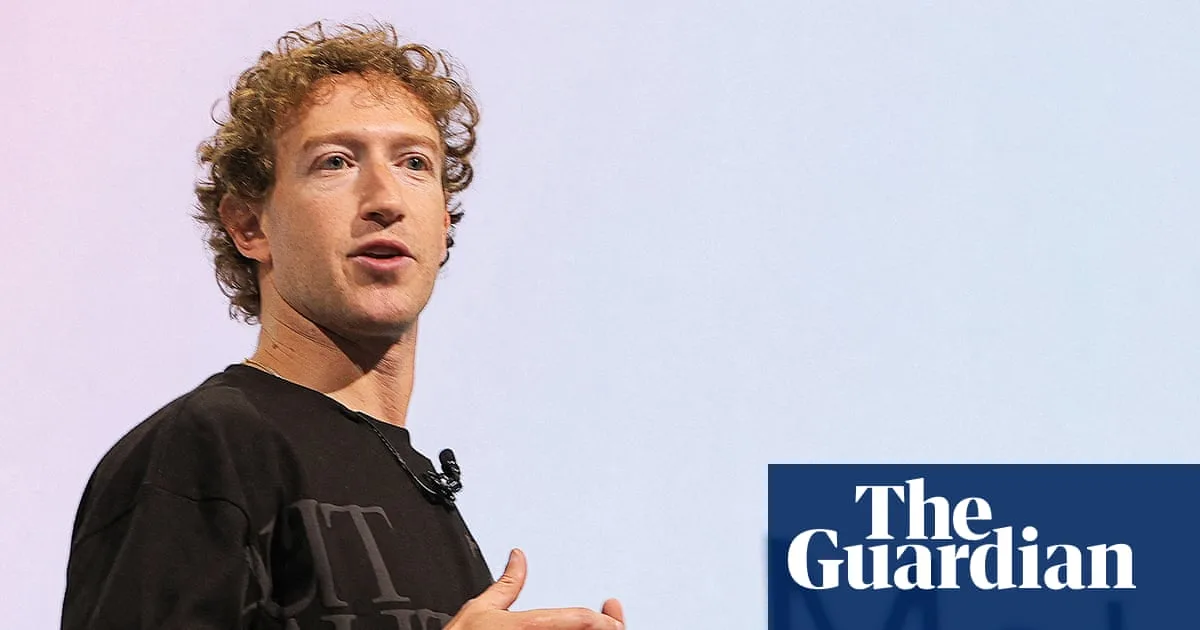
To view the Zuckerberg avatar in isolation is to miss the forest for a very meticulously rendered tree. It is a single piece in a vast strategic puzzle. Meta’s plan involves creating a multitude of AI characters, with the CEO clone being the most high-profile flagship. This ambition is backed by staggering financial commitment; the company plans to invest up to $135 billion in AI development to compete with rivals like OpenAI, Google, and Anthropic. This isn't just about corporate efficiency; it's about building the foundational AI that could power the next generation of social platforms and immersive experiences—the very spaces where gamers and users will increasingly live, work, and play. The end goal, as stated by leadership, is the pursuit of artificial "superintelligence."
This corporate priority is mirrored by a personal pivot from the top. Reports indicate that Zuckerberg has become intensely hands-on, spending an estimated 5 to 10 hours per week writing code, directly engaging with the AI models that could define his legacy. The project also has a clear technological precursor. In 2022, Zuckerberg unveiled a personal digital avatar for the metaverse—a blocky, legless prototype that now looks like a crude sketch compared to the sophisticated, interactive AI character now in development. The throughline is clear: a relentless drive to virtualize and scale identity and presence.

Navigating the Ethical Minefield: Ambition vs. Responsibility
The immediate reaction to the news, beyond fascination, is a palpable unease. The "creepiness" factor is significant, raising immediate questions about employee surveillance, consent, and the psychological impact of being managed—or even lightly counseled—by a simulation of one’s ultimate boss. Is it feedback, or is it perpetual, automated performance monitoring wearing the CEO’s face?
These concerns are amplified by Meta’s recent history of AI safety stumbles. In 2025, internal guidelines reportedly permitted AI chatbots to engage in "romantic or sensual" conversations with minors on platforms like Instagram. This led to a significant policy reversal in January 2026, restricting how teens can interact with Meta’s AI characters. This incident serves as a critical case study in the tension between rapid innovation for competitive advantage and the urgent need for robust, pre-emptive ethical guardrails. If such issues arose in public-facing products, what unforeseen consequences could emerge from an internal tool with the authoritative voice of the company’s founder?
The project also prompts deeper questions about corporate culture. Could the presence of an always-available, perfectly on-message AI leader lead to a homogenization of thought, stifling dissent or creative friction? What happens to the authenticity of human leadership when its most visible symbol can be algorithmically replicated?
The Morning After: Implications for the Future of Work
If Meta’s experiment is deemed a success, the potential use cases are vast. Imagine 24/7 leadership access for global teams, personalized onboarding from a "digital founder," or interactive, company-wide all-hands meetings where the AI CEO can field thousands of simultaneous questions. The efficiency gains for a sprawling multinational are theoretically enormous.
Yet, the risks are equally profound. An "authoritative" AI source could inadvertently spread misinformation based on a training gap or a misunderstood query. Corporate culture risks becoming a monologue rather than a dialogue, depersonalized through digital intermediation. The broader industry trend is clear: if Meta pioneers this successfully, AI clones of executives could become a standard tool in the corporate toolkit, much like email or Slack.
This leads to the final, philosophical question at the heart of the project: What does it mean for leadership when its essence—decision-making, inspiration, strategic communication—can be simulated, scaled, and deployed at will? Does it democratize access to the C-suite, or does it create a new, uncanny valley of corporate governance?
Meta’s Zuckerberg AI project is a perfect microcosm of the company’s high-risk, high-reward approach to technological frontiers. It encapsulates the audacious ambition, the immense resources, and the perennial scrutiny that defines its moves. The ultimate success of this endeavor will not be judged solely by its technical fidelity—how perfectly the avatar blinks or smiles—but by how Meta navigates the profound human and ethical questions it forces to the surface. We are not merely watching the development of a new internal tool; we are witnessing a real-time experiment in redefining the very boundaries between human leaders, artificial intelligence, and the future of the organizations they build. The morning after this technology arrives, the workplace may never look the same. The more profound question for a generation raised on creating digital avatars might be: If your CEO can be simulated, what part of your own identity and work will you choose to automate next?
Tags: Meta AI, Mark Zuckerberg, Artificial Intelligence, Future of Work, Tech Ethics, Avatars, Simulation