GTA 6's Code-in-a-Box Controversy: Why the Biggest Game Ever Demands a Reckoning on Digital Ownership
The first trailer for Grand Theft Auto VI shattered viewership records in hours, and Rockstar is about to release the most anticipated title in history. Yet instead of pure celebration, the...

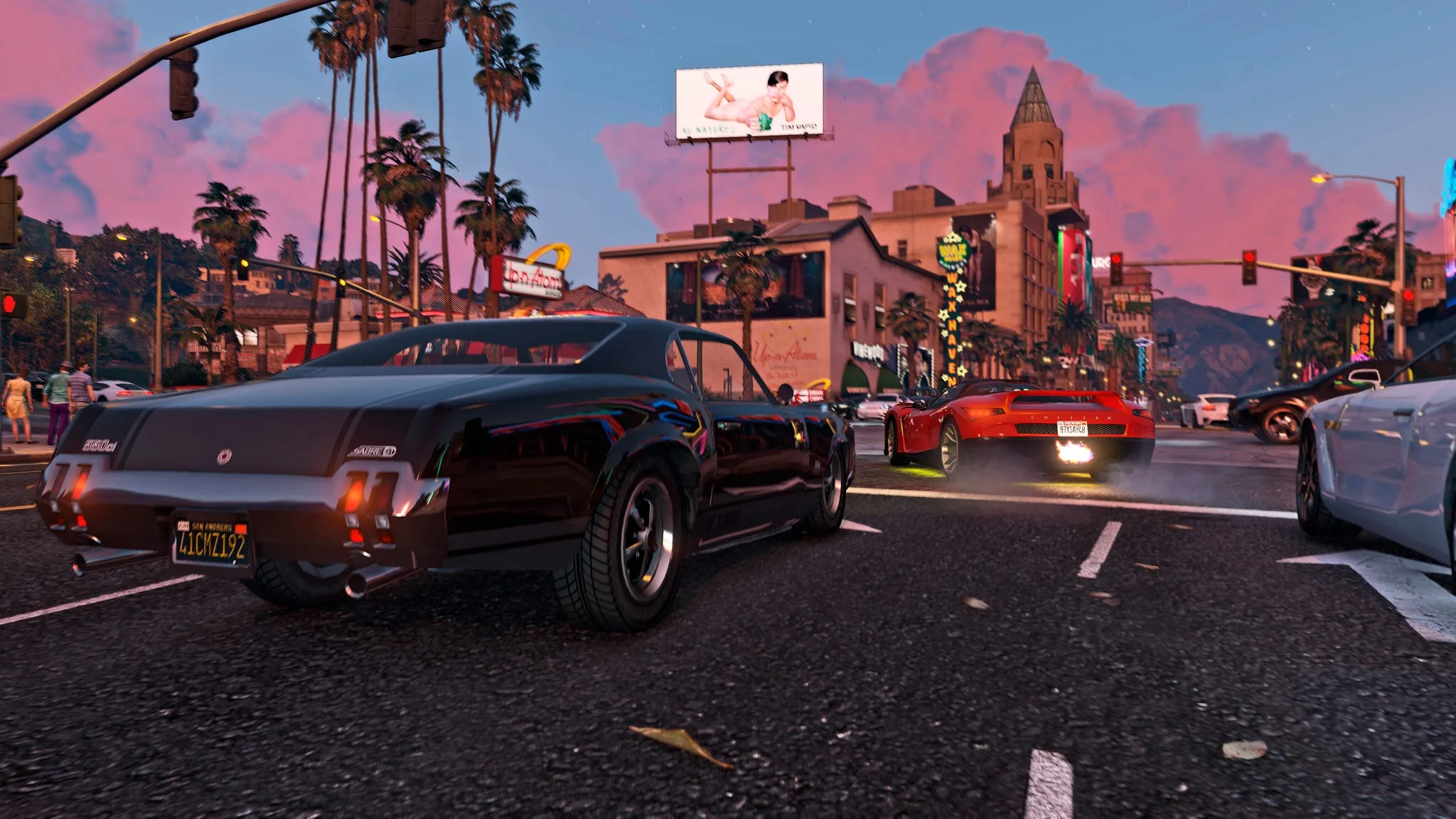
The first trailer for Grand Theft Auto VI shattered viewership records in hours, and Rockstar is about to release the most anticipated title in history. Yet instead of pure celebration, the conversation around GTA 6 has taken a sharp turn toward anxiety, because the $79.99 "physical" edition you can pre-order does not contain a disc. It holds a download code inside the box. This is not a minor inconvenience; it is the flashpoint for a decade-long battle over what players actually own when they spend their money. With regulators in California and Europe already wrestling with these exact questions, GTA 6's launch is forcing the industry, and players, to finally have the hard conversation about digital ownership, preservation, and whether we are buying games or just renting licenses.
The "Physical" Illusion, What GTA 6's Box Actually Contains
Rockstar confirmed that the physical edition of GTA 6 is a code-in-a-box arrangement. The box ships on November 12 for pre-loading, a full week before the November 19 launch date. Inside that box, there is no playable disc, only a voucher to download the game from the PlayStation or Xbox storefront. Functionally, it is identical to a digital purchase: players cannot install it offline without a network connection, resell it, lend it to a friend, or trade it at a local game store.
Two retailers have already refused to stock GTA 6 because of this policy. Video Games Plus and Loot Box Gaming both announced they will not carry the title unless a disc version is released. Their reasoning is clear: they see this as a fundamental break from the traditional physical media contract that has defined game retail for decades. VGP's stated policy prohibits selling code-in-box products precisely to preserve the value and trust associated with physical media.
Rockstar's likely motivation is pragmatic. By eliminating discs at launch, the company can prevent pre-release leaks that can arise when discs are manufactured and shipped thousands of units ahead of street date. But the effect is profound. It severs the last tangible link between purchase and ownership. Unconfirmed rumors suggest a physical disc version may arrive months after launch. A Rockstar support email hinted at "during the following months," and an unsubstantiated report from a Polish outlet claims a December 2026 disc release. Rockstar's official newswire says nothing about a disc. For now, the box consumers can hold contains nothing they can play without the internet.
The Price of Admission, $79.99, Ultimate Paywalls, and GTA+ Strings
The standard edition of GTA 6 costs $79.99 in the United States and £69.99 in the United Kingdom. That is a 33 percent jump from GTA 5's $59.99 launch price in 2013, marking the first major price increase for a flagship game in over a decade. But the sticker shock does not end there.
The $99.99 Ultimate Edition, according to early pre-order listings on the Rockstar Store, locks missions, vehicles, weapons, stores, and cosmetic items behind a paywall within what Rockstar markets as a single-player experience. Content that would have been part of the base game a generation ago is now cordoned off for an extra $20. Additionally, some pre-order pages suggest GTA 6 will bundle a GTA+ subscription trial that auto-renews at £6.99 per month, though Rockstar has not officially confirmed whether this is standard or a limited promotion. What was once a one-time purchase now risks becoming a recurring cost.
This layered pricing creates a new high-water mark for how much a single-player experience can cost. It erodes the traditional idea of "buying the game." Customers are not paying once to own everything; they are paying for a base product, then paying again for content that exists on the code, and potentially facing a monthly fee to keep access alive. The model appears designed not to serve players, but to maximize recurring revenue from the most anticipated entertainment product of the decade.
Digital Ownership Crisis, Why GTA 6 Is the Tipping Point
The code-in-box model prevents resale, lending, and offline installation. It raises genuine long-term preservation concerns. When the servers go down, and they will, eventually, what happens to a player's purchase? A download code is worthless without a network to validate it. The $79.99 box becomes a relic with no functional value.
This controversy lands in the middle of real regulatory battles. California's Protect Our Games Act, known as AB 1921, just passed the State Assembly by a vote of 43-16 and now heads to the State Senate. The bill aims to require sellers to guarantee continued functionality of digital game purchases. If enacted, it would force publishers to either keep games playable or refund customers when they shut down servers. Across the Atlantic, the EU's Stop Killing Games initiative gathered over 1.3 million signatures but ultimately failed to secure legislative action. The comparison is stark: grassroots momentum can generate noise, but turning consumer frustration into law remains an uphill fight.
GTA 6's unprecedented cultural and economic weight makes it the perfect test case. If even the biggest game in history cannot come with a disc or a guarantee of future access, the industry has permanently shifted to a license model that consumers have very little say in. Every major publisher is watching Rockstar's move. The outcome of this controversy will set the standard for the next console generation.

What This Means for Gamers, and What Players Can Do About It
The death of physical media is not just about nostalgia. It is about consumer rights, game preservation, and the ability to own something players spent $80 or more on. When a game is a code in a box, the buyer owns nothing. They hold a license that can be revoked, that cannot be resold, and that depends on the continued goodwill of a corporation to keep servers running.
Regulators like those in California are watching. Grassroots support for AB 1921 could tip the scales. The backlash against GTA 6's physical edition might be exactly the evidence lawmakers need to push for stronger protections. Gamers can vote with their wallets: pre-order carefully, support retailers that refuse to sell code-in-box products, and demand clear labeling of what "physical" actually means. If a box contains no disc, it should not be marketed as a physical edition.
The broader lesson is that GTA 6 is a symptom, not the cause. Every major publisher is assessing whether they can follow Rockstar's lead. If this model succeeds with the biggest game in history, every other publisher will adopt it without hesitation. The outcome will determine whether players retain any meaningful ownership of the games they buy.
A Watershed Moment for the Industry
There is no denying the excitement for GTA 6. The trailers are spectacular. The open world promises to be the most detailed ever created. But that excitement must coexist with a hard truth about what consumers are actually purchasing. If the biggest game in history cannot offer a disc or a guarantee of future access, then the industry has fully embraced a model where players are perpetual renters. The response to GTA 6's physical edition is the first real test of whether gamers are ready to fight for ownership, or whether they will accept whatever terms are printed on the box. The next move is theirs.