Bungie Blames Destiny 2 for Layoffs, But the Evidence Points to a Deeper Crisis
The Official Narrative: Destiny 2 Takes the Fall Bungie's public statement on June 25 left little room for nuance. “Destiny 2 fell short of expectations these past several years,” the...

The Official Narrative: Destiny 2 Takes the Fall
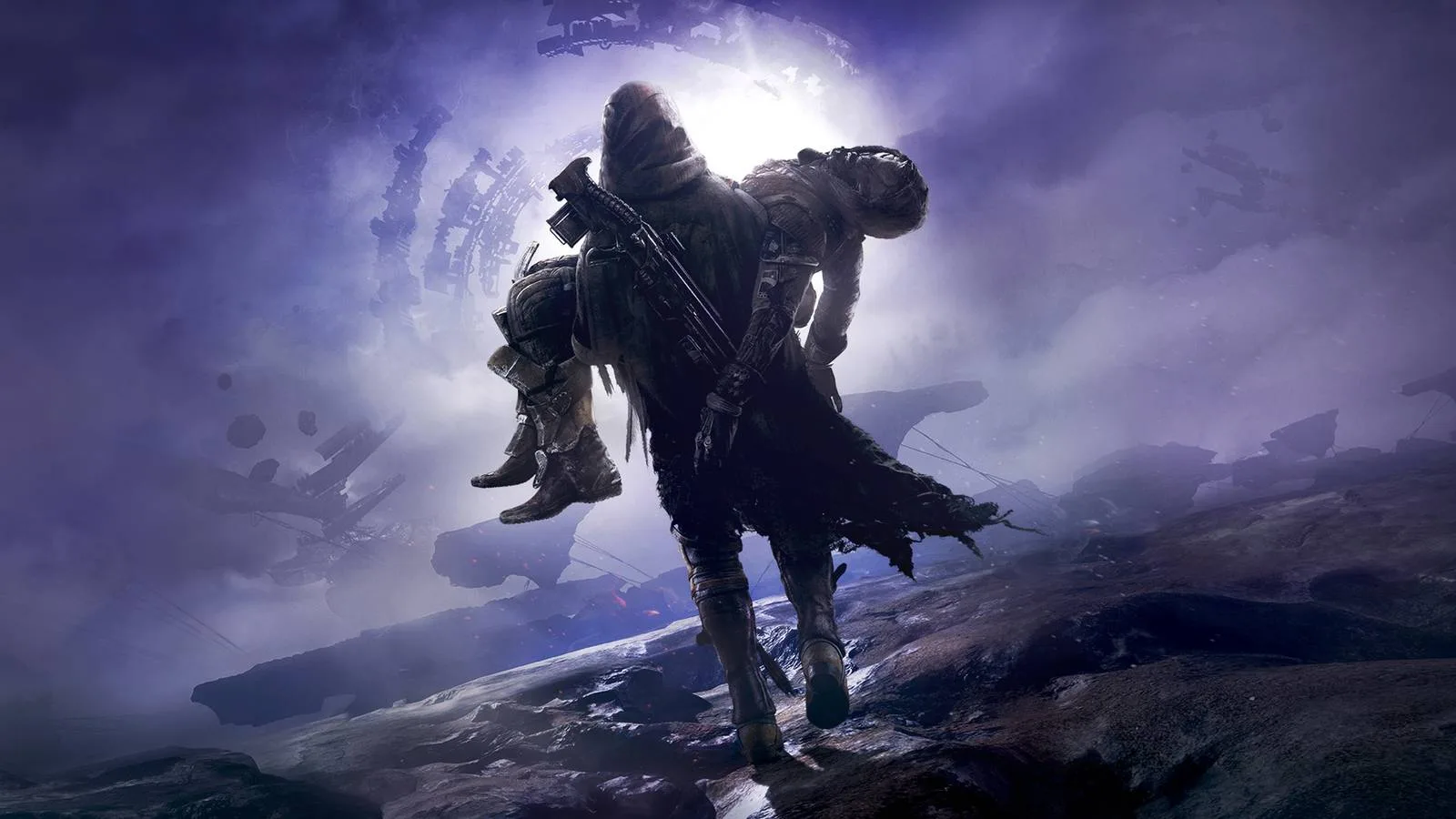
Bungie's public statement on June 25 left little room for nuance. “Destiny 2 fell short of expectations these past several years,” the company wrote, “and as a result, we are reorganizing our team to focus on Marathon and future projects.” The game received its final content update, Monument of Triumph, on June 9, 2026, with no further expansions planned, an apparent admission that the live-service behemoth had run its course.
PlayStation CEO Hermen Hulst amplified the message in an internal memo. The layoffs would impact “most of the Destiny team and some Marathon team members,” effectively framing the cuts as a direct consequence of Destiny 2's decline. This narrative also aligns with Bungie's previous layoffs: approximately 100 staff cut in October 2023 after the Lightfall expansion's quality miss, and roughly 220 more in July 2024, both blamed on Destiny 2 revenue shortfalls.
On the surface, it seems straightforward. A decade-old live-service game reached the end of its lifecycle, and the studio must pivot. But the surface is deceptive.
The Elephant in the Room: Marathon's $250 Million Struggle
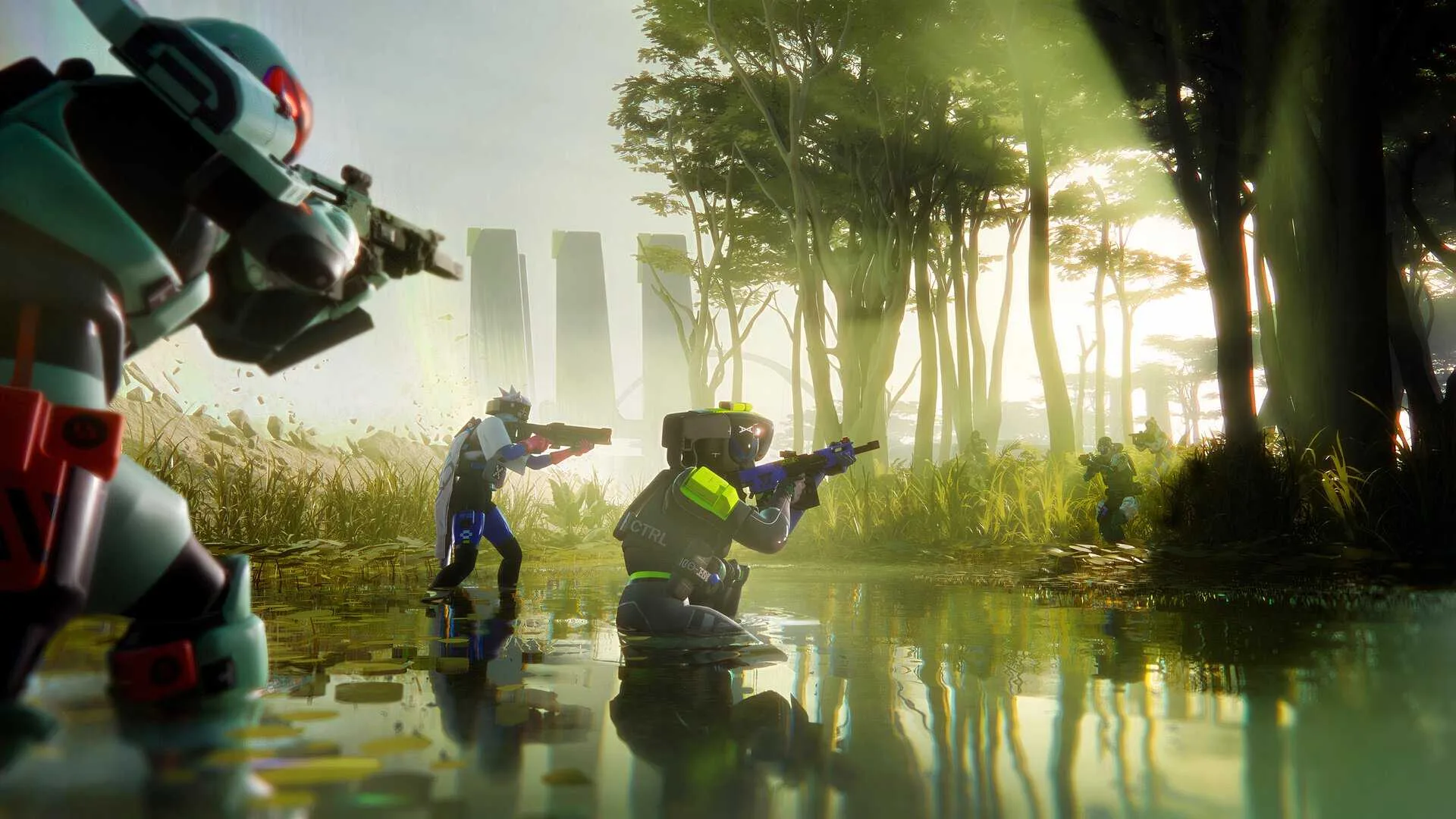
The inconvenient truth is Marathon, Bungie's PvPvE extraction shooter that launched in March 2026 to solid critical reception but underwhelming commercial performance. Steam data shows a peak of 77,358 concurrent players at launch [SteamDB], respectable for a new IP, but daily numbers have since cratered to around 10,000. That is well below the sustainable threshold for a live-service game with high ongoing development costs.
Development costs that reportedly exceeded $250 million, making Marathon one of the most expensive extraction shooters ever produced. To put that in perspective, it is on par with Destiny 2's largest expansions, a bet the studio could not afford to lose.
Yet Bungie's layoff statement made no mention of Marathon at all. The company framed the entire restructuring around Destiny 2's failure while remaining silent on the struggling successor that is now its only active project. This omission is particularly striking given that Sony recorded a $765 million impairment loss against Bungie for the 2025 financial year, a massive financial red flag that predates Destiny 2's final update and signals severe underperformance across the entire studio, not just one game.
Upcoming Marathon content, a PvE Vault Breaker mode on July 21 and Season 3 in September 2026, must now succeed with a significantly reduced team. The pressure is immense, and the risk of repeating Destiny 2's mistakes is real.
A History of Mismanagement
Such expensive failure rarely happens by accident, and former employees say it was fueled by leadership decisions that prioritized expansion over the health of Destiny 2.
Leadership Greed and Resource Misallocation
If Destiny 2 were truly the sole culprit, the layoffs would be a straightforward business decision. But former employees paint a picture of deeper dysfunction. Liana Ruppert, a former Bungie community manager, revealed that the studio was “very close to shutting its doors” before Sony's $3.6 billion acquisition in 2022 [Windows Central]. She described the deal as an “emergency acquisition” rather than a strategic buyout, a rescue mission for a studio already near collapse, not the healthy partnership Sony believed it was funding.
Other ex-Bungie developers have publicly blamed leadership “greed” for the studio's financial troubles. One developer stated that “a lot of money didn't go into Destiny,” suggesting resources were misallocated, funneled into Marathon and other pet projects while the game that kept the studio afloat was left to wither. Reports also indicate Bungie considered relaunching Destiny 2 as “Destiny Infinity” earlier in 2026 before abruptly pulling the plug. Such indecision suggests last-minute strategic shifts rather than a clear, coherent vision for the franchise.
The Unchecked Growth Cycle
The headcount tells its own story. Bungie grew to roughly 1,300 employees during the pandemic live-service boom, then contracted through three layoff rounds:
- October 2023: ~100 laid off (blamed on Lightfall quality)
- July 2024: ~220 laid off (blamed on Destiny 2 revenue shortfalls)
- June 2026: an estimated 40-55% of the remaining ~800-850 staff (blamed on Destiny 2 underperformance)
That cycle, rapid expansion followed by brutal cuts, is a structural pattern, not a one-game problem. Sony's $765 million write-down further indicates that the acquisition value has eroded significantly. These layoffs can be seen as Sony forcing Bungie to cut losses, not a purely Destiny 2-driven decision.

The Human Cost and Uncertain Future
No exact layoff number has been disclosed, but Forbes' Paul Tassi reports a target of approximately 50% of the studio [Forbes], several hundred people from a headcount of roughly 800-850. This is the third major round in three years, leaving employees who survived earlier cuts to watch colleagues lose their jobs again, with no guarantee of stability. The psychological toll of such recurring waves cannot be overstated: survivors face burnout, diminished morale, and the gnawing fear that their own role could disappear in the next cycle.
Only Marathon is in active development. Future projects are reportedly “still in early incubation.” With a gutted team, the pressure on Marathon to succeed is immense, and the loss of institutional knowledge, especially after cutting most of the Destiny team, threatens Bungie's ability to produce quality content even for its flagship title. The layoffs also affect SIE support staff, indicating Sony is streamlining its broader live-service portfolio.
Blaming Destiny 2, But the Crisis Runs Deeper
Bungie's leadership would have you believe that Destiny 2 is the sole villain in this story, a beloved live-service game that finally wore out its welcome. But the evidence suggests a far more damning indictment: a studio that overspent on a risky successor, misled Sony about its financial health, and retained executives who presided over repeated layoffs while reportedly funneling money away from the very game that kept the lights on.
Destiny 2 may have been in decline, but it is not the root cause of Bungie's crisis. It is the scapegoat for years of mismanagement, greed, and strategic blunders. As Marathon now carries the weight of the entire studio on its shoulders, one has to wonder: if it fails, who will be blamed next?