God of War Laufey: The Boldest Franchise Pivot Yet - Playing as Kratos’ Dead Wife in a Cross-Mythological Afterlife
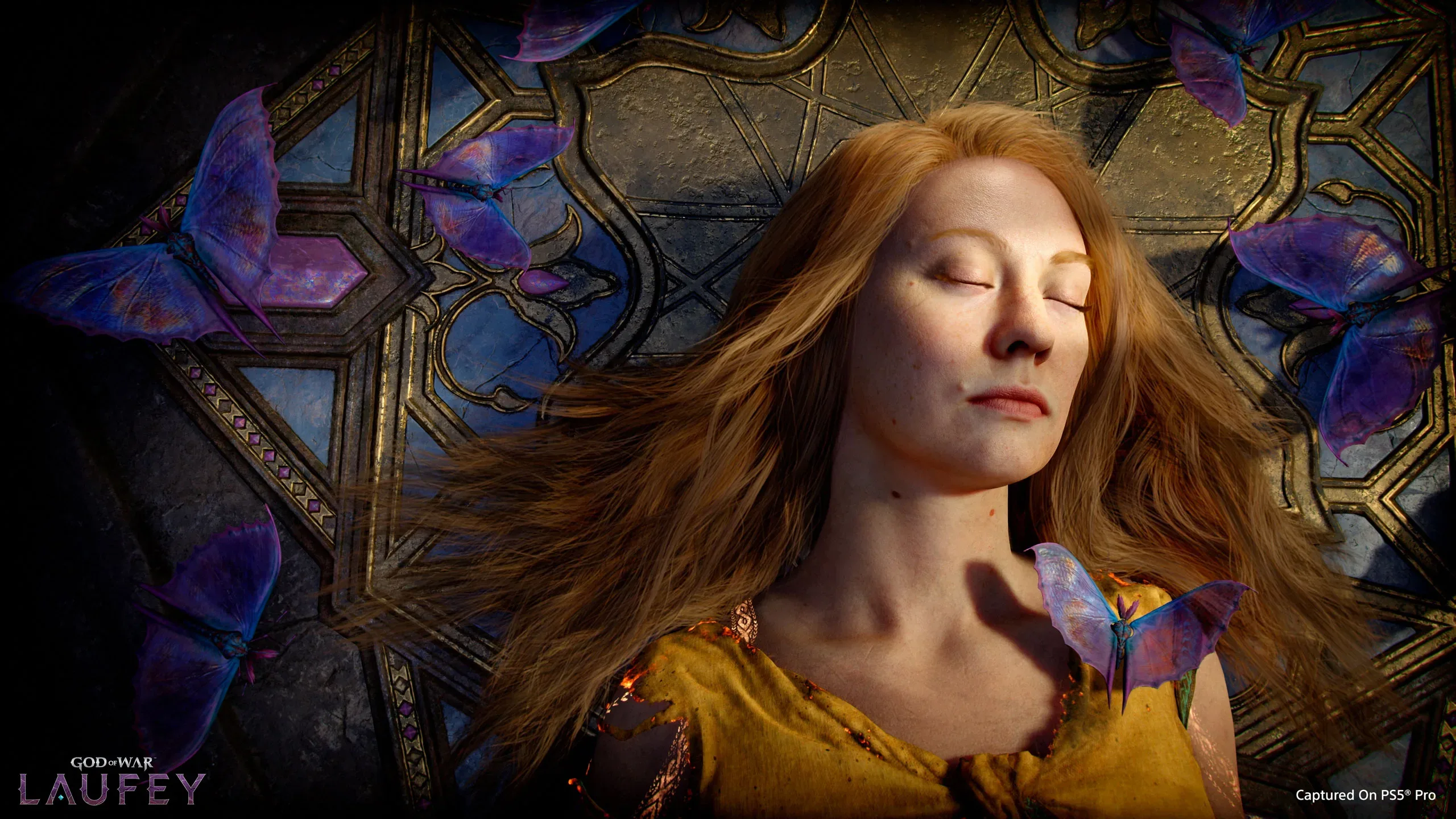
From Funeral Pyre to the Afterlife, Why ‘Not a Prequel’ Matters The game opens at the exact moment fans remember: Faye’s funeral pyre from God of War (2018). But instead of cutting away, the camera...

From Funeral Pyre to the Afterlife, Why ‘Not a Prequel’ Matters
The game opens at the exact moment fans remember: Faye’s funeral pyre from God of War (2018). But instead of cutting away, the camera follows her soul into the Everywhen. Developers have been explicit that this is not a prequel, despite early confusion in some corners of the press. The narrative moves forward from the pyre, not backward. It is a continuation of the timeline, just one set in a realm beyond the living.
The Everywhen is described in the official PlayStation Blog as “the birthplace and endpoint to which all magic returns.” This setting allows the series to break free from strictly Norse mythology and incorporate Egyptian, Mongolian, and other pantheons. More importantly, it directly addresses the unresolved thread from God of War Ragnarök, Odin’s obsession with death and the fate of gods after they die becomes a playable experience. For players who wondered why Odin spent the entire Norse saga trying to dodge prophecy, Laufey provides the answer in a visceral, interactive form.
Faye as a Playable Hero, Combat, Personality, and Deborah Ann Woll’s Return
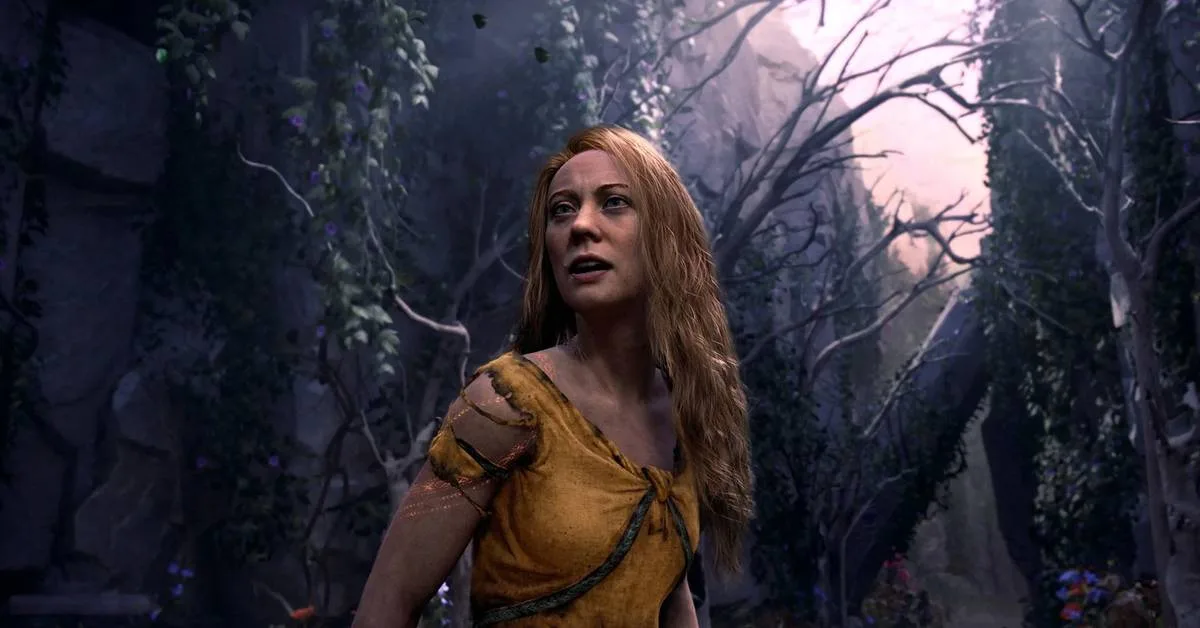
Faye is no passive memory. As Laufey the Just, she wields the “Golden Hand of the Jötnar,” an ability that lets her detach her soul for combat. In one shown sequence, she sends her spectral form through a wall to flank an enemy while her physical body distracts it, a core mechanic for both combat and puzzle-solving. The gameplay shown at the hypothetical State of Play blended the fluid, acrobatic movement of the Greek-era God of War with the character-driven storytelling of the Norse era. This is a deliberate fusion: fast-paced, arena-based fights that feel like a return to Kratos’ Spartan roots, but grounded in the intimate, emotional moments that defined his later journey.
Deborah Ann Woll reprises her role from God of War Ragnarök, giving continuity and emotional depth to a character previously seen only in flashbacks. Her performance in the 20-minute demo conveyed a warrior’s grief mixed with fierce determination, a woman who died without finishing her mission, now given a second, spectral chance.
New companions join her in the Everywhen. Phranque, voiced by Jack Quaid, is a curious cosmic cube, a fragment of the primordial void given sentience, offering dry commentary on the absurdity of divine afterlives. Rue, voiced by Perlina Lau, is a sentient thread from the Norns’ tapestry, now a ribbon-shaped guardian bound to a talking sword that becomes Faye’s weapon. These characters add mythological quirkiness while serving as guides and sounding boards in a realm where the rules of life and death no longer apply.
Expanding the Pantheon, Egyptian and Mongolian Gods Enter the Fray
The gameplay showcase revealed two formidable enemies: Sekhmet, the Egyptian war goddess, and Begtse, the Mongolian god of war. Their presence signals that the Everywhen is a convergence point for deities from cultures far beyond Greece and Scandinavia. This expansion moves the series beyond the Greek-to-Norse shift, opening the door for future entries to explore untapped pantheons while staying rooted in the core God of War identity.
For Faye, a Jötunn from Norse mythology, encountering a lion-headed goddess from Egypt or a warrior deity from the steppes makes narrative sense. The Everywhen is a melting pot of divine afterlives, and her journey becomes a universal struggle against gods who refuse to accept their own mortality. The stakes are no longer just Midgard or Asgard; they are the very fabric of divine existence.
A New Creative Vision, Ariel Lawrence Takes the Director’s Chair
God of War Laufey marks a significant behind‑the‑scenes shift. Game Director Ariel Lawrence is a 17‑year Santa Monica Studio veteran who worked on God of War: Ghost of Sparta and God of War: Ascension. She becomes the first female director of a mainline God of War title, bringing a perspective shaped by both the Greek and Norse eras of the franchise. Cory Barlog, the architect of the 2018 reboot and Ragnarök, serves as Head of Creative, ensuring tonal and narrative cohesion while giving Lawrence room to innovate on mechanics and world‑building. The choice to hand the reins to a veteran who started during the Greek‑era trilogy suggests a deliberate bridging of the series’ two identities, fluid action meets emotionally dense storytelling.
Mainline, Spin‑Off, or Something New?, What Laufey Means for the Franchise
Sony’s official marketing calls God of War Laufey “the next chapter of the legendary God of War franchise,” placing it squarely in the mainline series despite the absence of Kratos as protagonist. The PS5 exclusive status, combined with wishlisting available on the PlayStation Store, indicates a premium, full‑scale release. No release date has been given, but the 20‑minute gameplay preview suggests development is well advanced.
Laufey proves that God of War can thrive without Kratos. It opens the door for future protagonists and settings while retaining the franchise’s core themes of legacy, loss, and mythic combat. By making Faye the hero, Santa Monica Studio would answer a lingering question from Ragnarök, expand the lore into a multi‑mythological afterlife, and hand the director’s chair to a seasoned veteran with fresh eyes. This is not a spin‑off to be dismissed; it is a deliberate statement that the series will continue to evolve, even if it means leaving the Ghost of Sparta behind for a few chapters.
What Lies Beyond the Pyre
The vision of God of War Laufey reminds us that Santa Monica Studio is willing to take creative risks that most AAA developers would avoid. By putting a deceased character at the center, by introducing a completely new afterlife setting, and by handing the series to a new director, the team would signal a future that is both respectful of the past and unafraid to forge new paths. For fans who have followed Kratos from Greece to Scandinavia, and now to the Everywhen, the message is clear: God of War can evolve again, and if this hypothetical reveal becomes reality, it will do so on its own terms.