Gears of War Creator Cliff Bleszinski's E-Day Reaction: The Real Story Behind the "Criticism" Headline
The Initial Skepticism: A Designer's Eye Bleszinski's initial comment was not random negativity. It came from a place of expertise. As the lead designer on the original Gears of War and its sequels,...

The Initial Skepticism: A Designer's Eye
Bleszinski's initial comment was not random negativity. It came from a place of expertise. As the lead designer on the original Gears of War and its sequels, he spent years crafting the combat rhythm that made the series iconic. The Locust were never meant to be cannon fodder. They were tactical threats that forced players into cover, demanded precision, and created moments of tension.
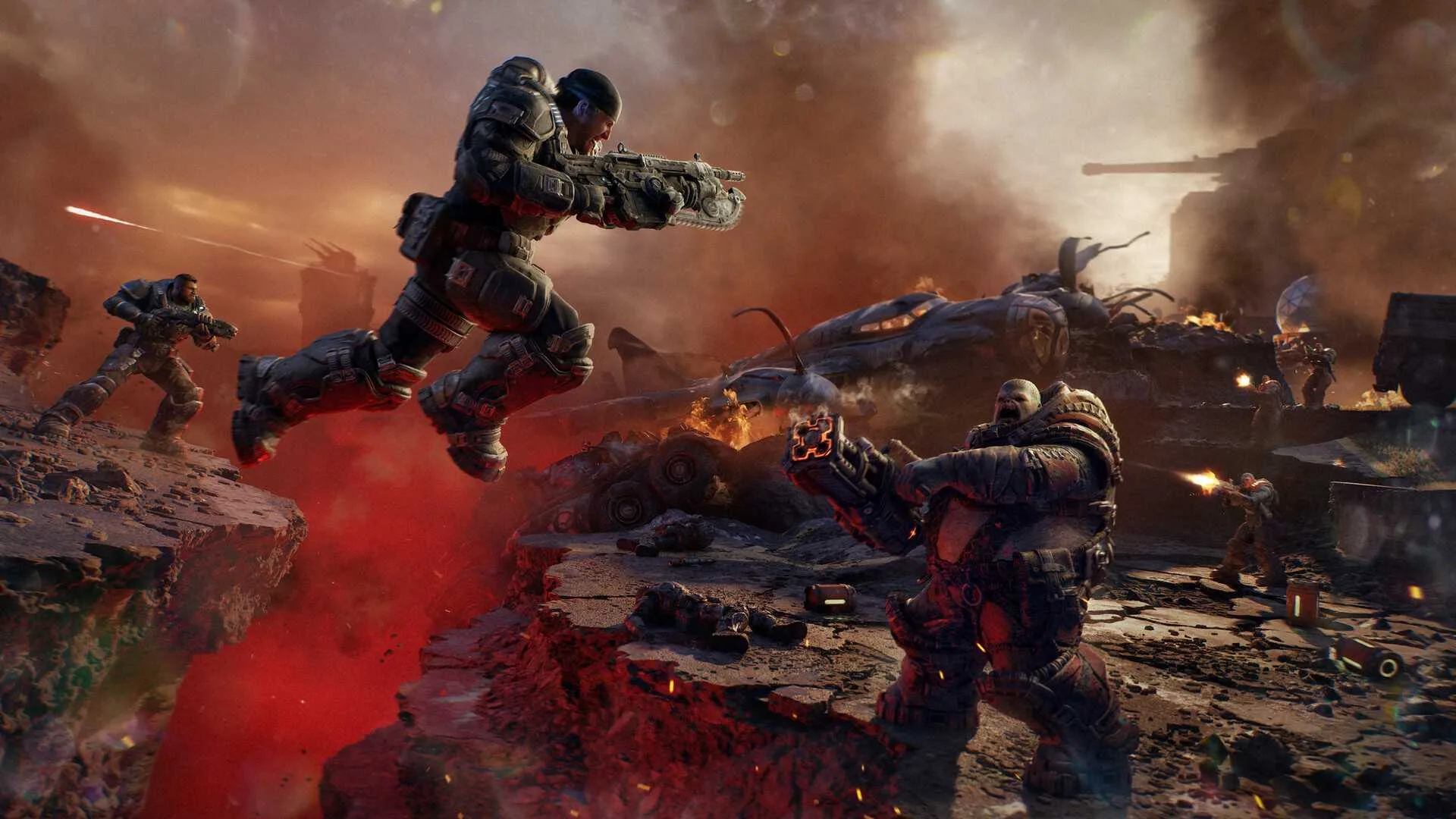
"Locust should have thick skin and armor and the game feedback loop should evolve to show that," Bleszinski elaborated in subsequent posts. This was a critique of game design philosophy, not a dismissal of the game itself. He was questioning whether early footage, which showed Locust soldiers falling quickly to the Lancer's chainsaw bayonet, reflected the same deliberate pacing that defined the original trilogy.
His skepticism carried additional weight given his history. After leaving Epic Games in 2012, Bleszinski had publicly shared his abandoned vision for a hypothetical Gears 4. In that version, the remaining Locust would have entered a crystalline cocoon sleep state, forcing players to confront a transformed enemy. That unreleased concept demonstrated his deep investment in how enemy design shapes player experience. For him, seeing Locust dispatched without visible resistance triggered a designer's instinct: something felt off.
The Full Turnaround: Watching the Direct Changed Everything
The initial criticism was only a snapshot. Hours later, after the dedicated Gears of War: E-Day Direct aired, a deep dive showcasing gameplay, story, and technical features, Bleszinski's tone shifted dramatically. He watched the full presentation and shared a series of reactions that told a very different story.
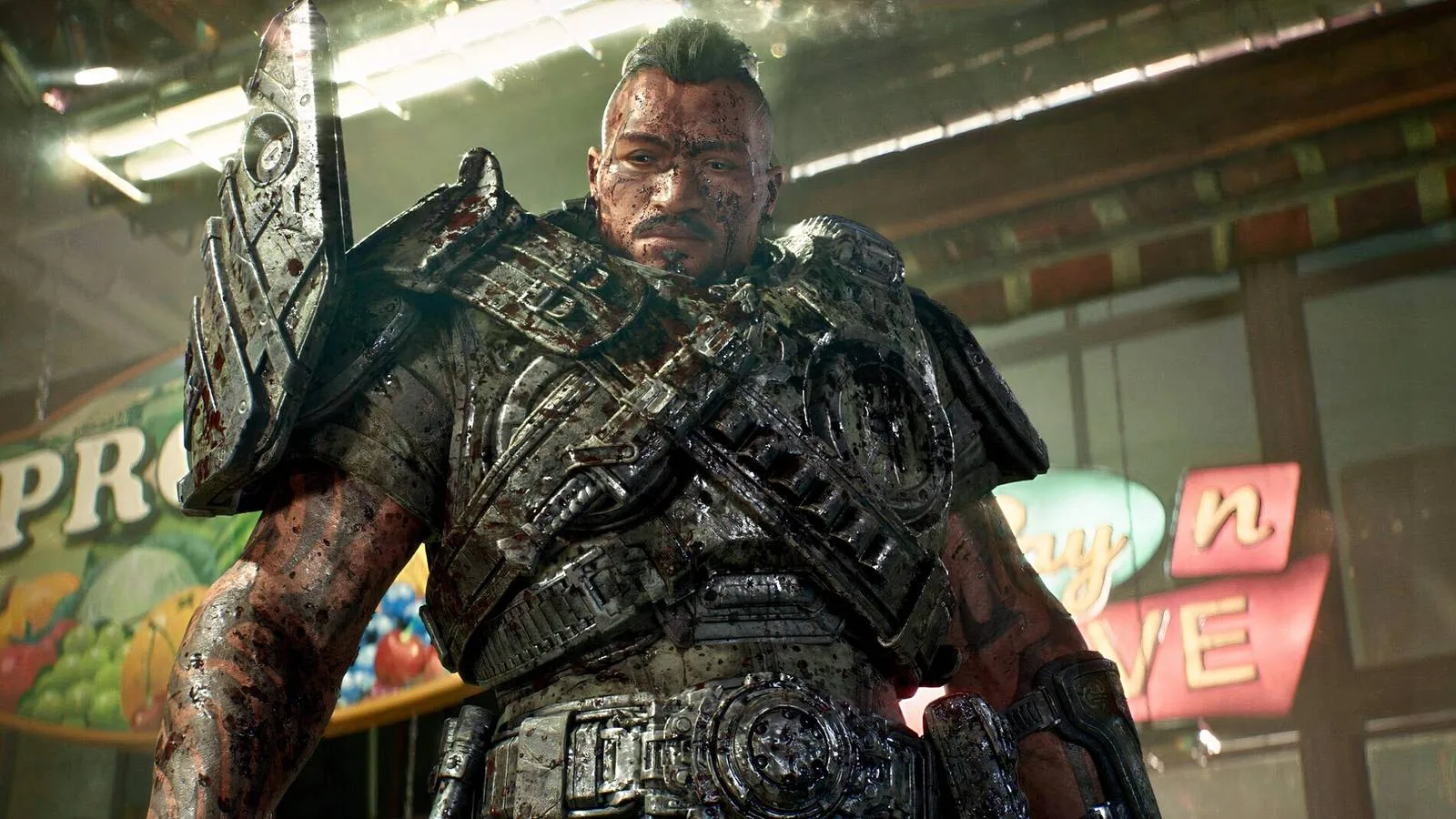
"Yes, there's that sweet destruction I was hoping for," he posted, referencing the environmental chaos that has always been a hallmark of the series. "Super low cover is a nice touch too." The low cover mechanic, which allows players to shoot from a prone position, was a specific gameplay innovation that caught his eye.
But his final verdict was unequivocal: "E-Day looks great, amazing feature set, great tech improvements, and, most importantly, looks like it has heart." That last word, heart, carried significant meaning from a creator who has repeatedly said the original trilogy succeeded not just because of chainsaws and chest-bursting violence, but because of its emotional core: the brotherhood between Marcus Fenix and Dom Santiago. For those who remember the quiet moments between firefights in the original trilogy, Dom's painful search for his wife, Marcus's haunted past, "heart" is the ingredient that separated Gears from other cover shooters, and Bleszinski sees it here.
Notably, Bleszinski had already expressed excitement about the game's concept months earlier, saying the announcement gave him "goosebumps." His initial skepticism about the combat footage was never a rejection of the entire project, it was a specific, professional observation that he was willing to revise once he saw more.
The Context of a Distant Creator
To understand why Bleszinski's eventual approval carries emotional weight, one must appreciate his relationship with the franchise he created. He left Epic Games in 2012 after Gears of War: Judgment, marking the end of his direct involvement. Since then, The Coalition has taken the series in new directions without him. Bleszinski has repeatedly stated he would be open to consulting, but has never been asked.
The result is a creator watching from the sidelines as his baby evolves. He has won a Tony Award for producing the Broadway musical Hadestown. He has written a memoir. But Gears of War remains a defining chapter of his career, and his distance from it adds poignancy to his reactions. And amid rumors of a canceled PS5 version that swirled around the announcement, Bleszinski's eventual approval quietly reinforced the sentiment that this is a game worth celebrating, not second-guessing.
When he praises E-Day, a prequel set 14 years before the original game, releasing October 6, 2026 on Xbox Series X|S and PC, he is not defending his own work. He is giving a vote of confidence to a team he has no financial or creative stake in. That makes the endorsement more genuine, not less.
Gears of War: E-Day Gameplay Reveal Trailer
Why Bleszinski's E-Day Approval Matters
The narrative that the original creator "criticized" E-Day is technically true in a narrow chronological window. But it is deeply misleading as a final verdict. Bleszinski's journey from "those Locust are dying mighty easy" to "E-Day looks great" is not a flip-flop. It is a thoughtful person seeing incomplete information, expressing a valid concern, and then updating his opinion after receiving more context.
For fans, this arc should be reassuring. The man who designed the Locust and defined the series' combat loop had an initial hesitation about how they were being portrayed, and after seeing the full game, he was won over. That is not a creator attacking his former franchise. It is a creator engaging with his legacy in real time, with the passion and discernment that made him a legend in the first place.
The real story behind the headlines is one of growth, respect, and ultimately, excitement. Gears of War: E-Day has earned the seal of approval from the person who started it all. And that is a far more interesting headline than any out-of-context quote could generate.