Super Mario Galaxy Movie Crosses $1 Billion Globally - First 2026 Film to Reach the Milestone
In a zero-gravity dash that even Bowser couldn't stop, the Super Mario Galaxy Movie has become the first film of 2026 to rocket past $1 billion at the global box office, and it did it in less time...

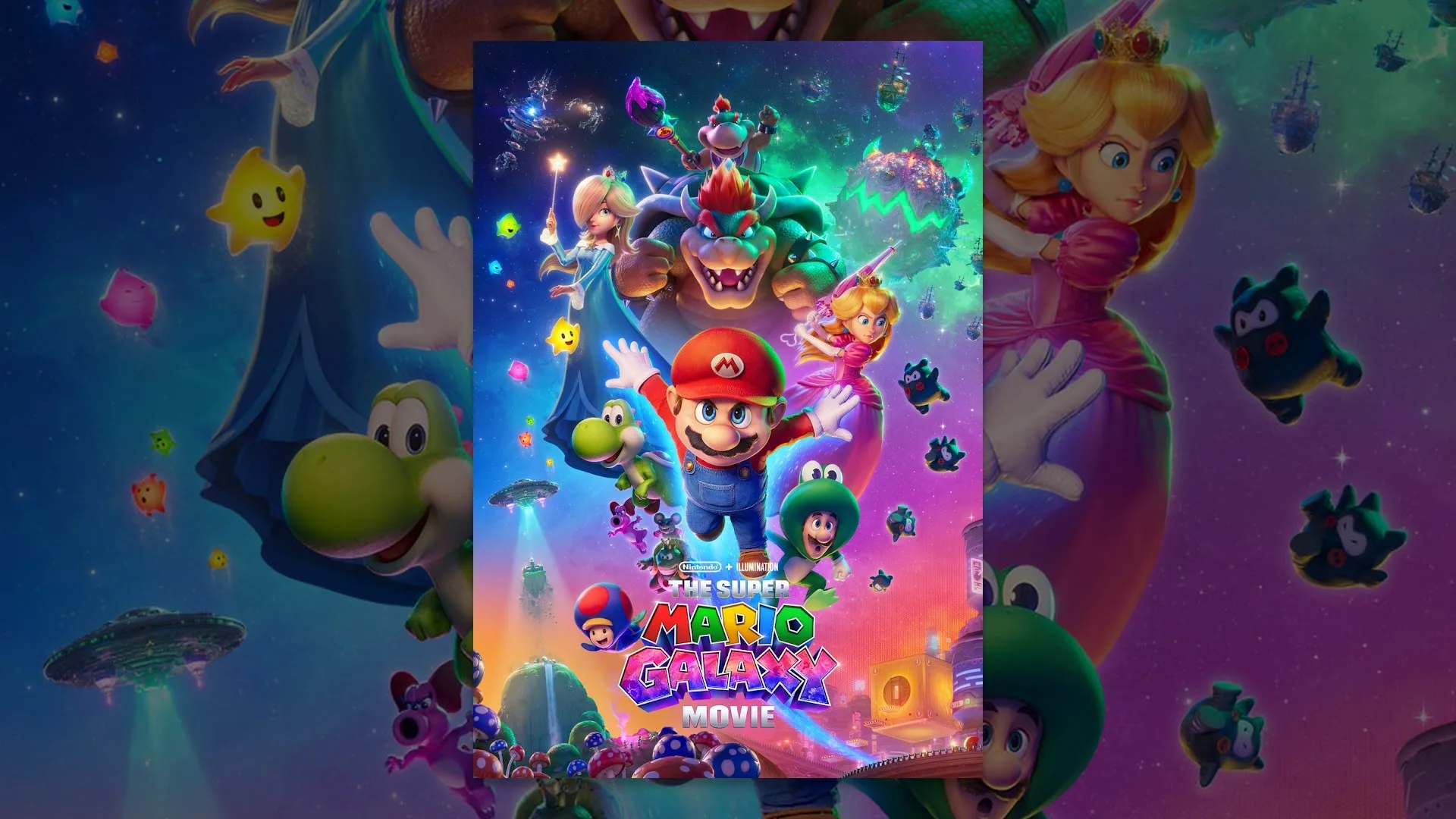
In a zero-gravity dash that even Bowser couldn't stop, the Super Mario Galaxy Movie has become the first film of 2026 to rocket past $1 billion at the global box office, and it did it in less time than it took Mario to collect 100 Power Stars. The announcement, confirmed by parent company Nintendo and distributor Universal Pictures on Tuesday, cements Mario’s latest big-screen adventure as a cultural and commercial juggernaut. With a star-studded voice cast, a vibrant space-faring premise, and cross-generational appeal that few franchises can muster, the Galaxy movie has not only outperformed expectations but also reshaped the landscape for both Nintendo’s film division and the broader animated box office.
A Billion-Dollar Start to 2026
The Super Mario Galaxy Movie launched in theaters worldwide in late December 2025, a strategic holiday release that allowed it to build momentum into the new year. By the end of its opening weekend, the film had already earned $378 million internationally, with particularly strong showings in North America and Japan. It took just 21 days to reach the $700 million mark, and by the end of its sixth week it crossed $1 billion, outpacing the original 2023 The Super Mario Bros. Movie, which hit that milestone in about 26 days.
To date, no other 2026 release has cracked the billion-dollar threshold. The next closest competitor is a live-action superhero sequel that opened in February, currently sitting at $840 million. The Galaxy movie’s success is also notable when compared to the original Mario film, which earned $1.36 billion over its entire run. The Galaxy movie is on pace to potentially surpass that total, depending on its staying power in international markets like China, where it has already earned over $180 million.
Box office analysts point to the film’s strong legs as a key factor. Its week-over-week decline averaged just 28 percent during the first month, a sign of strong word-of-mouth and repeat viewership. The movie benefited from IMAX and premium large-format screenings, where its vivid depiction of planet-hopping, gravity-defying action was a particular draw.
How the Galaxy Movie Outshone Expectations
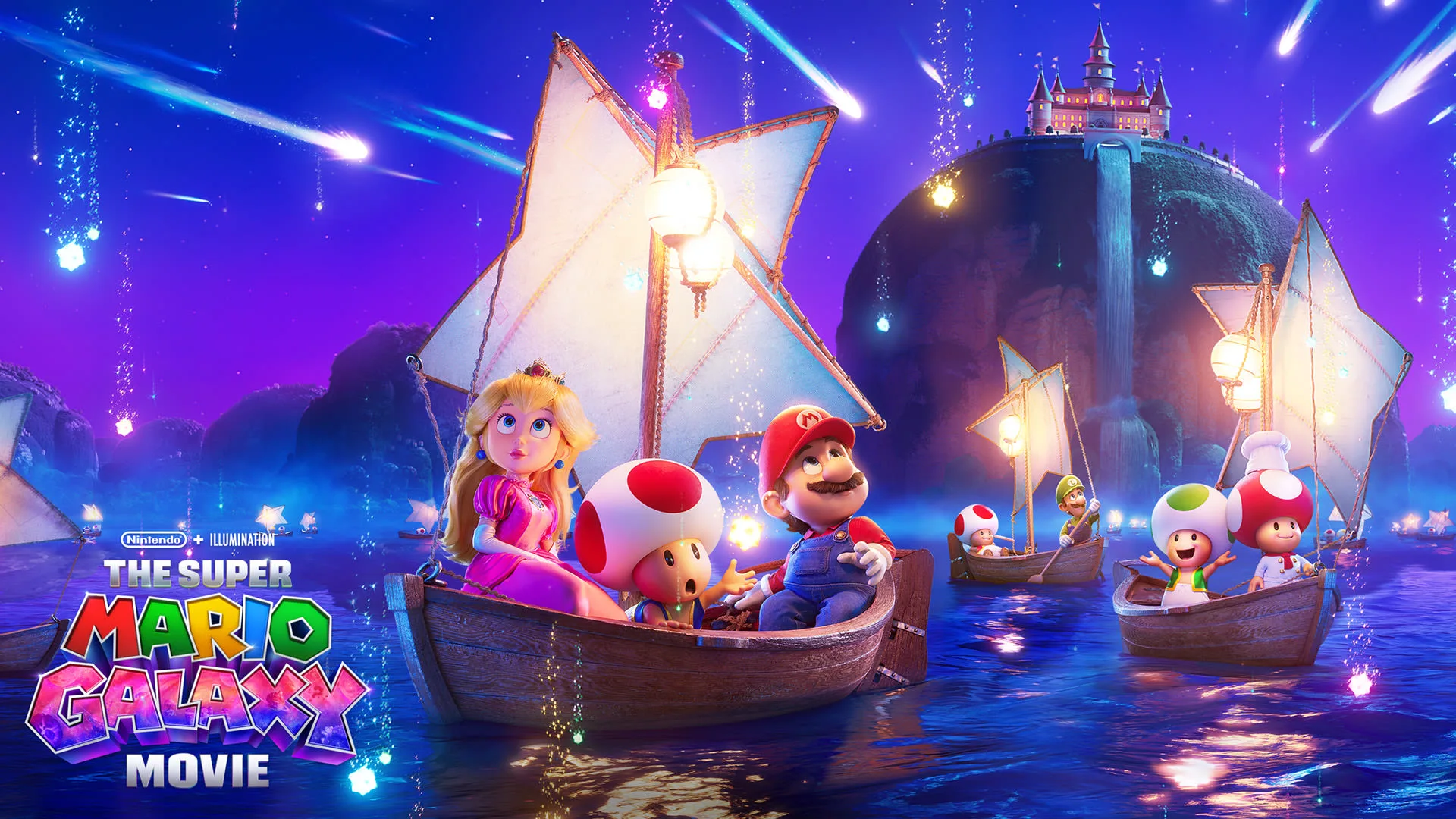
From the moment the first teaser dropped at a Nintendo Direct in early 2024, anticipation was sky-high. The original Mario movie had proven that a faithful, family-friendly adaptation of the plumber’s world could succeed, but the Galaxy movie raised the stakes by introducing a completely new setting: a psychedelic, gravity-bending universe filled with cosmic mushrooms, star-shaped planets, and a soundtrack that reimagined classic Super Mario Galaxy themes alongside new original tracks.
The marketing campaign leaned heavily on nostalgia and novelty in equal measure. Trailers highlighted the return of Chris Pratt as Mario, Jack Black as Bowser, and Anya Taylor-Joy as Princess Peach, while also introducing new characters like Rosalina (voiced by Keira Knightley) and a cameo from the Lumas. The hook of “Mario in space” proved irresistible to both longtime fans and families looking for a spectacle they could enjoy together.
Critics were largely positive. On Rotten Tomatoes, the film holds an 84 percent critics’ score and a 93 percent audience score. Reviewers praised its energetic pacing, creative visual design, and surprisingly emotional core. Social media was flooded with fan art, memes, and reaction videos, many of which highlighted the film’s standout sequence, a zero-gravity chase through a collapsing asteroid field set to a remix of the game’s “Gusty Garden Galaxy” theme. An official trailer, released on Nintendo’s YouTube channel ahead of the film’s premiere, quickly amassed over 50 million views, capturing the kind of viral enthusiasm that drove repeat viewings.
Impact on Nintendo’s Film and Multimedia Strategy
The billion-dollar result is a validation of Nintendo’s broader film ambitions. After the 2023 Mario movie proved that game adaptations could be both profitable and well-received, Nintendo announced a slate of animated projects, including a Legend of Zelda film and a Donkey Kong spin-off. The Galaxy movie’s performance gives the greenlight committee inside Nintendo and Illumination fresh confidence to expand the Mario cinematic universe into a fully interconnected franchise. Industry insiders suggest that a sequel, already rumored to explore the Super Mario Odyssey setting, is all but guaranteed. Additionally, the success may accelerate development of other Nintendo IP adaptations, such as a Metroid series or a Splatoon animated feature.
For the wider video game adaptation landscape, the Galaxy movie sets a new benchmark. In recent years, franchises like Sonic the Hedgehog, Pokémon, and The Last of Us have shown that faithful and respectful adaptations can succeed. But the Mario franchise, a series fundamentally about joyful exploration rather than plot-heavy narratives, has now proven that even a whimsical, less dialogue-driven property can carry a blockbuster film. This could encourage studios to take bolder risks with other game IPs that were previously considered too niche for the big screen.
That said, the road ahead is not without challenges. Future Mario sequels will face higher expectations from both fans and critics, and the crowded 2027 animated slate, including new Pixar and DreamWorks offerings, could dilute theatrical momentum. Nintendo will also need to ensure that its expanded cinematic universe avoids the quality pitfalls that have plagued other shared universes. But for now, the Galaxy movie has proven that a joyful, well-crafted adaptation can still dominate the global box office.
What This Means for the Animated Box Office in 2026
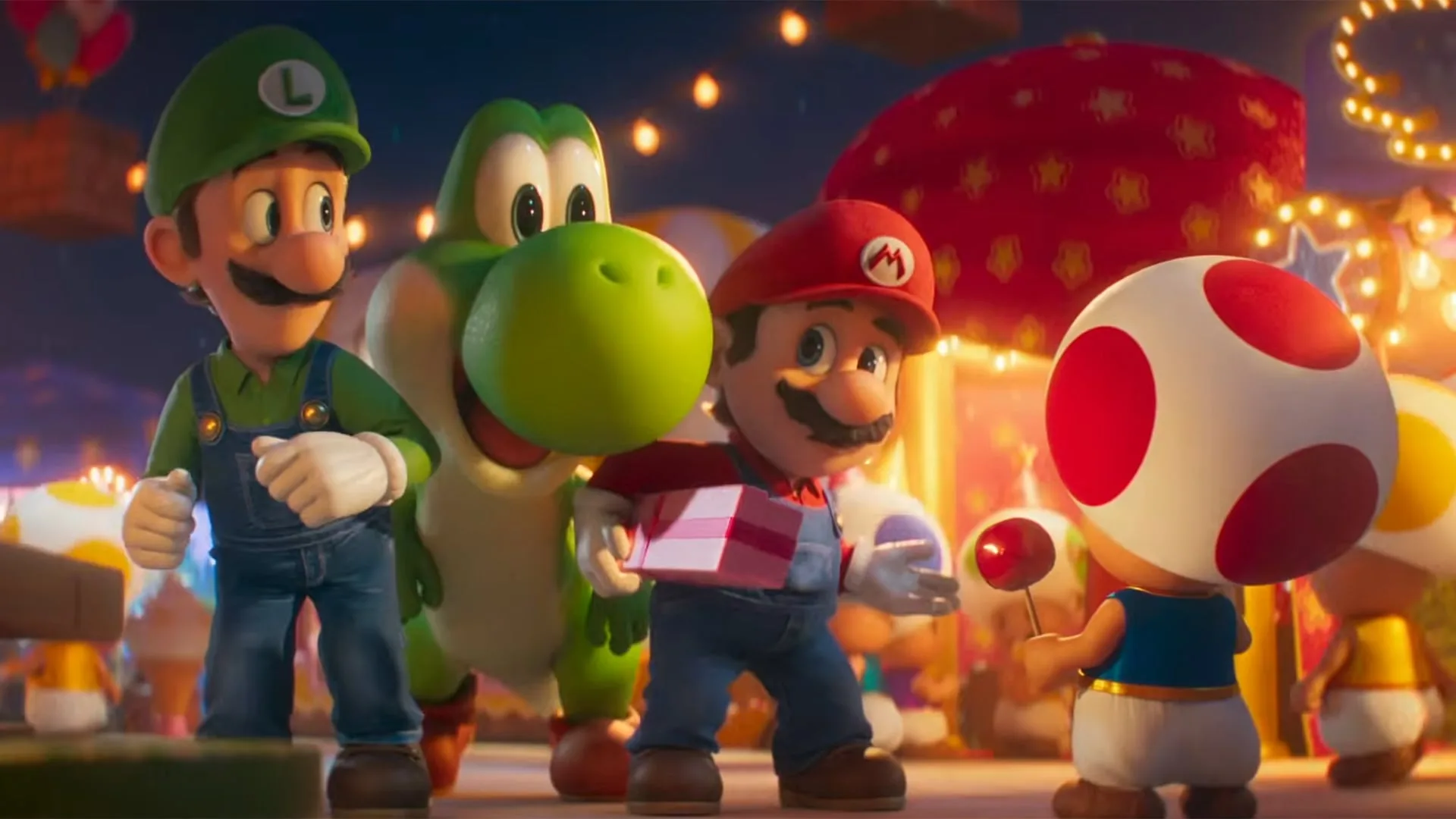
The Super Mario Galaxy Movie’s performance also provides a snapshot of the current health of theatrical animation. In an era where streaming services are aggressively courting family audiences, the Galaxy movie demonstrates that a compelling theatrical experience, especially one designed for large screens and immersive sound, can still draw massive crowds. Its box office dominance in markets like China, where local animated titles routinely underperform, further underscores the global appetite for high-quality, brand-driven animation.
The film’s visual style, which blends classic Illumination character design with sweeping cosmic backdrops, has already been cited as an influence by several upcoming animated projects. The use of licensed music, including an orchestral version of the Super Mario Galaxy theme performed by the London Philharmonic, has become a talking point, with some industry observers predicting that original scores will become a bigger differentiator for animated films in the coming years.
As the first 2026 film to cross $1 billion, the Galaxy movie sets a high bar for the rest of the year. Competing animated releases, including a new Pixar original and a DreamWorks sequel, will have to work hard to match its momentum. But perhaps the biggest lesson is one Nintendo has known all along: when you respect the source material and deliver a genuine sense of wonder, audiences will follow you anywhere, even to a galaxy far, far away.
A New Star in Nintendo’s Universe
The Super Mario Galaxy Movie’s billion-dollar milestone is more than just a number on a box office report. It is a declaration that Mario’s cinematic presence is now a permanent fixture in Hollywood’s constellation. As the first film of 2026 to hit that mark, it has set the tone for a year that promises to be filled with blockbuster ambitions. With a sequel to Super Mario Odyssey already in development, Nintendo is betting that Mario’s galactic journey is only the beginning of a cinematic universe that could rival the MCU in family entertainment. For now, the star-shaped path ahead is bright, and it’s only getting brighter.