Framework Warns Memory Prices ‘More Than Double’ as AI Chip Shortage Hits PC Market: What It Means for Consumers
Framework, the modular laptop company that has built a loyal following on the promise of repairability and transparent pricing, just dropped a stark reality check. In a recently published blog...

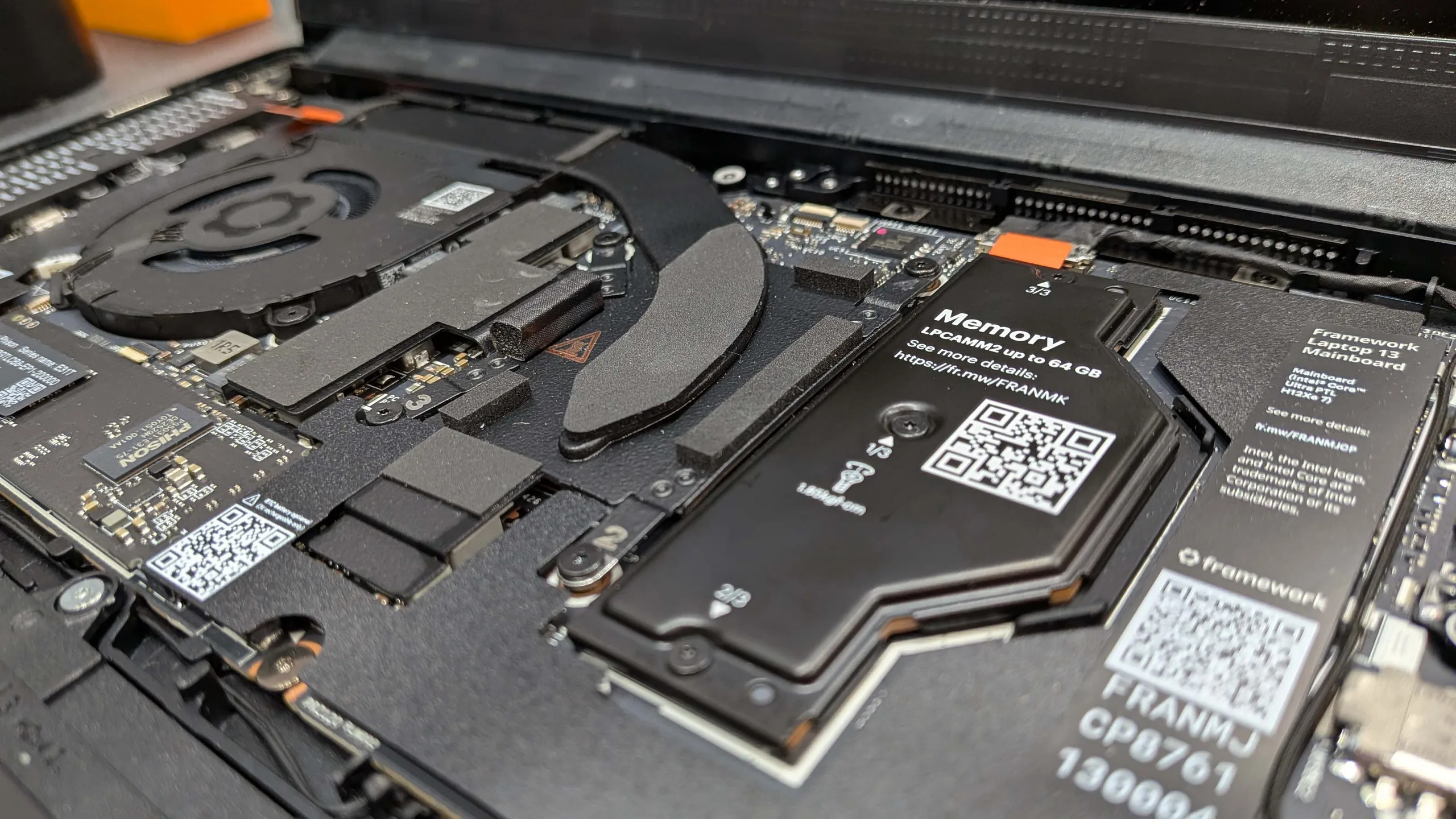
Framework, the modular laptop company that has built a loyal following on the promise of repairability and transparent pricing, just dropped a stark reality check. In a recently published blog update, the company revealed that its LPCAMM2 memory supplier has hiked prices to “more than double” the cost of its prior inventory. This is not a modest adjustment. Framework CEO Nirav Patel stated that fully absorbing the supplier increase “would put our ability to operate at real financial risk.” The result: double-digit RAM price hikes for customers, reduced memory allocations for preorders, and a warning that CPU costs are likely to rise next.
This is not a Framework-specific problem. It is a clear signal that the AI-driven global chip shortage, which has been gobbling up fabrication capacity for high-bandwidth memory used in datacenters, has now landed squarely on the consumer electronics market. Framework’s unusually transparent blog post offers a rare window into how one company is navigating the chaos, and why the entire PC industry may be in for a bumpy ride.
The Supplier Shock: When Memory Costs More Than Double
Framework uses LPCAMM2 modules for its newest Laptop 13 Pro, a compact and fast memory format that is particularly constrained right now. According to the company’s official update, the supplier’s new pricing is “more than double that of the prior inventory.” Framework had anticipated a low-to-mid double-digit increase, not a figure that pushes past 100 percent. The gap between expectation and reality is enormous.
The root cause lies upstream. The same silicon fabrication lines that produce DDR5 and LPDDR5 memory chips are increasingly being diverted to manufacture high-bandwidth memory (HBM) for AI accelerators in datacenters. Demand for HBM has exploded as tech giants race to train and deploy large language models, and this has choked supply for consumer products. The Verge has noted a “severe shortage in RAM for consumer products” (The Verge, 2025), and CNBC reported in June 2025 that the AI memory chip shortage is squeezing electronics retailers. Framework’s predicament is a microcosm of a broader market squeeze that retailers and PC makers are quietly contending with.
Framework’s Painful Response: Price Hikes, Memory Cuts, and CPU Warnings
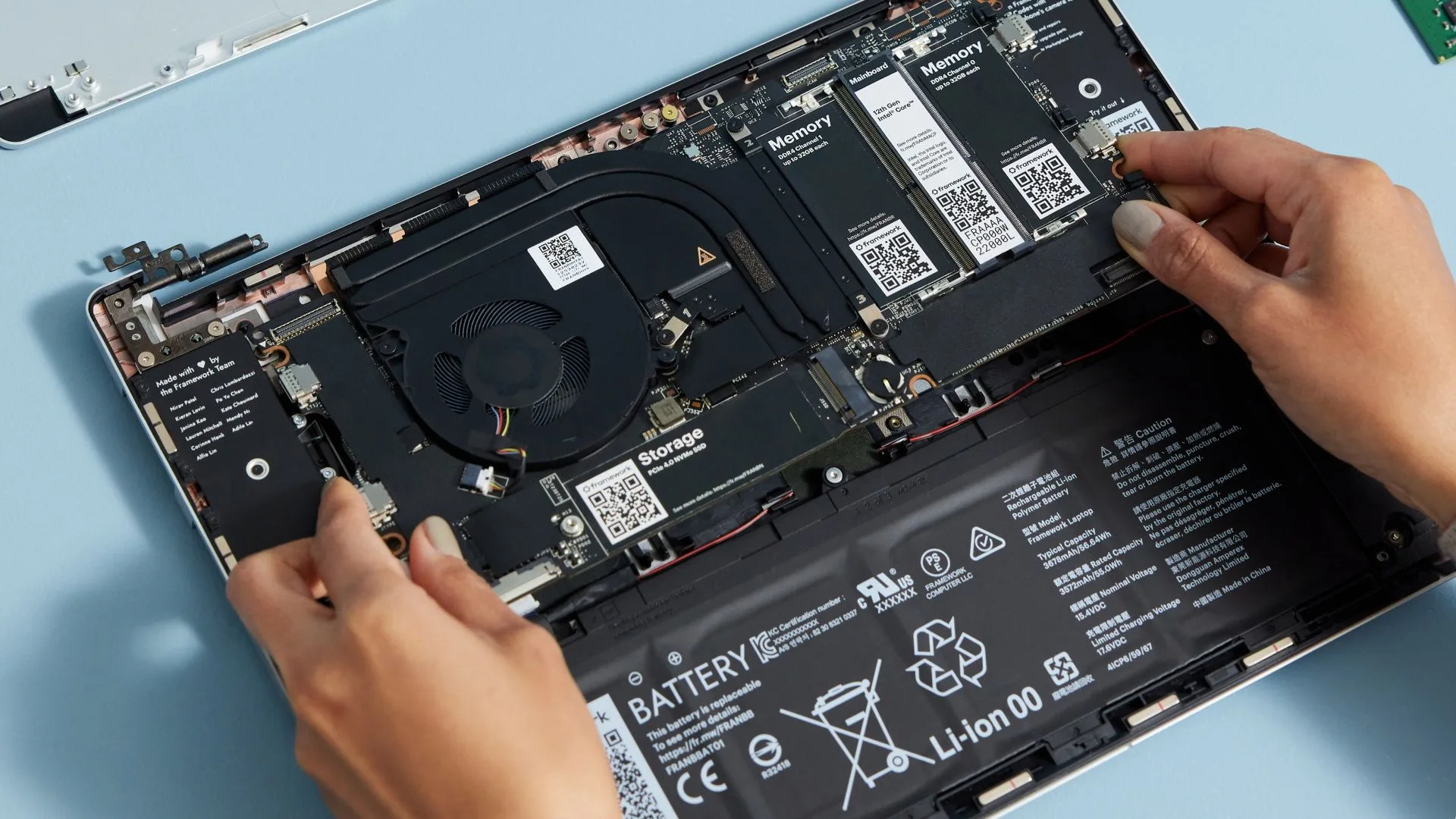
Left with no good options, Framework has taken several steps to keep the lights on while trying to soften the blow for customers.
First, it raised DDR5 memory pricing by 50% for Laptop DIY Edition orders. The company stresses that these prices still remain below open-market rates, but the increase is steep nonetheless. For fully configured Laptop 13 Pro units, the impact is stark. One high-end configuration, the fully assembled Laptop 13 Pro with 64GB RAM and a Core i7 processor, jumped from approximately $1,600 to $2,400, an $800 increase. That is not a typo; an $800 increase on a single system is the kind of shock that makes buyers pause.
Second, Framework is cutting memory allocations for later preorder batches. The company has enough 64GB LPCAMM2 modules to cover Laptop 13 Pro preorders through Batch 4 and mainboard orders through Batch 7. Customers in later batches will see their memory capacity reduced or replaced with lower-cost alternatives. This is a major shift for a company that prides itself on giving customers choice.
Third, Framework explicitly warns that CPU pricing is expected to increase soon. While the blog does not specify a percentage, the implication is clear: the component cost pressures are system-wide and not fading. This is the second major pricing adjustment Framework has made this year, underscoring how volatile the market has become.
The Rare Good News: Lower SSD Prices via Supplier Switch
Amid the grim news, there is a silver lining. Framework has switched its Gen 5 SSD supplier to ADATA, adopting the XPG MARS 970 drive. The move has allowed the company to lower storage prices while actually improving performance. For customers already reeling from RAM sticker shock, a modest discount on SSDs is a welcome, if partial, offset. To put it in perspective, the price drop on a 1TB Gen 5 SSD offsets about 10% of the RAM increase on a mid-tier build, not enough to reverse the damage, but a meaningful reduction nonetheless.
It is important to put this in context. The SSD savings do not come close to compensating for the memory price hikes on higher-end configurations. But they demonstrate that Framework is actively seeking efficiencies wherever it can, and that not every component category is suffering the same fate. Storage supply chains, for now, remain relatively healthy.
What This Means for the PC Industry: A Microcosm of the AI Chip Crunch
Framework’s transparency is unusual. Most PC manufacturers quietly adjust prices or swap components without explanation, hoping customers won’t notice. Framework, by contrast, posted a detailed blog with raw numbers and candid admissions of what it faces. This openness gives the industry a unique case study in how supply chain shocks cascade from silicon suppliers to preorder pages.
The broader market is feeling the same pressure. Retailers report declining availability of DDR5 RAM and rising prices across the board. Analysts tracking the semiconductor industry attribute much of the strain to AI datacenter demand, which shows no signs of slowing. The Verge has noted a “severe shortage in RAM for consumer products” (The Verge, 2025), and CNBC reported in June 2025 that the AI memory chip shortage is squeezing electronics retailers. Framework’s blog post puts a human face on these macro trends.
For consumers, the takeaway is sobering. The era of cheap, abundant RAM may be on hold for as long as AI continues to devour silicon. Buying decisions that were once straightforward now require a sharper eye on market timing. Framework is doing what it can: keeping prices below open market rates, finding savings where possible, and being upfront about the pain. But there is no guarantee that the next component cost surprise is far away.
A New Reality for PC Pricing
Framework’s warning is a moment of clarity for anyone watching the PC market. The AI-driven chip shortage is no longer a datacenter story. It is a consumer story, playing out in real time on preorder pages and shopping carts. When a company known for value-driven modular laptops is forced to nearly double RAM prices and cut memory allocations, it is a sign that the entire industry is under pressure.
The question now is how long this will last. Framework’s blog makes no promises of a quick return to normalcy. Instead, it paints a picture of ongoing volatility, with CPU warnings already on the horizon. Given the supplier hike and no end in sight, consumers who can afford to lock in current pricing may want to order sooner rather than later. Waiting may only lead to higher costs. The era of cheap, abundant RAM is on hold, and the AI boom is the reason.