Xbox Tests Free, Ad-Supported Cloud Gaming: A Direct Challenge to Nvidia’s GeForce Now Model
What if you could stream Xbox games on your phone or low-end PC without paying a cent for Game Pass? Microsoft is quietly testing exactly that, a free, ad-supported tier of Xbox Cloud Gaming that...

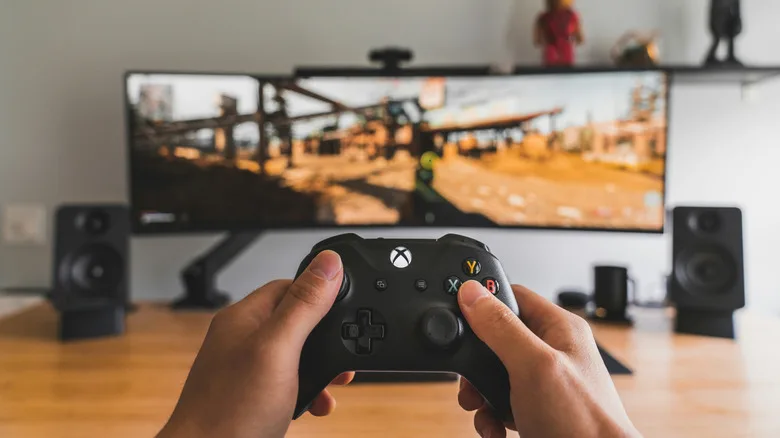
What if you could stream Xbox games on your phone or low-end PC without paying a cent for Game Pass? Microsoft is quietly testing exactly that, a free, ad-supported tier of Xbox Cloud Gaming that lets you play select games you already own, no subscription required. Available now to Xbox Insiders on a voluntary, limited-time basis, this experiment borrows a page from Nvidia's GeForce Now playbook and could reshape how millions access console-quality gaming on any screen.
How the Free Ad-Supported Xbox Cloud Gaming Test Works
The test began in July 2026 and is scheduled to run for a limited period, currently open only to members of the Xbox Insiders program who can opt in. Microsoft is clear that this is not a permanent tier but a data-gathering exercise. As the company stated, "We will learn from this test and continue to improve it."
Participants can stream select games from their existing library without any Game Pass Ultimate subscription. The catch: each session is capped at one hour. Once that hour ends, you can start a new session, but you will likely encounter an advertisement before the next stream begins. Microsoft has promised that ads "will not interrupt the flow of gameplay," suggesting they are placed as pre-roll or between sessions rather than during active play.
The service works across a wide range of devices: phones, tablets, and low-end PCs via Chrome, Edge, Firefox, and Safari browsers. This means Chromebooks, older laptops, and even some smart TVs could become gateways to Xbox games, no console required. Of course, streaming quality will depend on your internet connection, so a stable broadband or 5G connection is recommended for a smooth experience.
Nvidia's Playbook, How Xbox Mirrors the GeForce Now Free Tier
This is not a completely novel idea in the cloud gaming space. Nvidia's GeForce Now has offered a free tier for years, with one-hour session limits and either ads or waiting queues. Both services allow users to stream games they already own on respective storefronts, Steam and Epic Games Store for GeForce Now, Xbox and Microsoft Store for this new test. Neither offers a full catalog of games; only participating titles are available.
The key difference lies in how each service handles the free experience. GeForce Now free tier often imposes waiting queues during peak times, sometimes lasting several minutes. Xbox is testing ad insertion instead, which could be more user-friendly if the ads remain brief and non-intrusive. This move positions Xbox to compete directly for the audience that cannot or will not pay $20 per month for Game Pass Ultimate but still wants AAA streaming on low-end hardware.
By adopting a GeForce Now-style model, Microsoft acknowledges that not every potential cloud gaming user is ready to commit to a subscription. The ad-supported approach lowers the barrier to entry while still generating revenue and, ideally, funneling users toward paid tiers.
The Bigger Picture, Why Microsoft Is Pivoting to Ad-Supported Cloud Gaming
This test did not appear out of nowhere. It builds on earlier unannounced experiments reported by users in October 2025, and follows Microsoft's broader restructuring of Game Pass tiers and the graduation of Cloud Gaming from beta. Microsoft's cloud strategy is clearly shifting from subscription-only to a broader access model. Lowering the barrier to entry means more potential gamers interacting with the Xbox ecosystem. Ad revenue provides an alternative income stream, and after the free hour ends, a user may choose to subscribe to keep playing without ads or session limits. This makes the ad-supported tier a potential upsell funnel for Game Pass Ultimate.
The move also expands Xbox's reach into markets where Game Pass is too expensive or not available, and to users on devices like Chromebooks, tablets, and low-end PCs that were previously locked out of high-end gaming. If this test proves successful, Microsoft could tap into an entirely new audience: the billions of people who own a screen and an internet connection but not a console.
What This Means for Gamers, Opportunities and Caveats
For players, the potential upsides are significant. You can access your owned Xbox games on the go without carrying a console, test games before committing to a purchase, or play on a secondary device while your TV is in use. All of this comes at no cost beyond watching an advertisement before your session.
But there are clear limitations. Only "select supported games" from a user's library are available to stream in this test, not the full catalog. Publishers must opt in, so some titles may be missing. The one-hour session cap means you cannot play long RPG sessions without restarting and watching another ad. And while Microsoft promises ads will not interrupt gameplay, the exact length and frequency of advertisements remain unspecified.
There is also a risk for Microsoft itself. If the free tier proves too generous, it could cannibalize Game Pass Ultimate subscriptions. Alternatively, it could serve as an effective gateway drug, converting free users into paying subscribers when they hit the session limit and want to continue playing. The company will need to carefully balance the free experience to avoid undermining its premium offering while still making the product attractive.
Clear communication from Microsoft is essential. Players will want to know exactly where ads appear, which games are supported, and whether save progress carries over seamlessly between free and paid tiers. The test should provide answers to these questions.
The Road Ahead, Will This Become a Permanent Free Tier?
Microsoft has not committed to making the free ad-supported tier permanent. This remains an experiment designed to gather data on user behavior, ad tolerance, and publisher participation. Success will depend on several factors: whether ad revenue covers the streaming costs, how many users adopt the free tier, whether major publishers keep their games in the program, and how well the service performs on low-end devices.
If the numbers look good, a formal free tier announcement could come as early as 2027, analysts suggest. It might include tiered options, for example, an ad-supported tier with longer sessions or a completely free tier with the current one-hour limit. An ad-free version would remain behind the Game Pass paywall.
The industry impact could be significant. If Microsoft successfully makes ad-supported cloud gaming mainstream, it may pressure Sony and other cloud providers to offer similar free-to-stream models. The console wars are no longer just about hardware; they are about access. Microsoft is betting that ads are the price players are willing to pay for that access.
The Trade-Off That Could Change Cloud Gaming
Microsoft's experiment with free, ad-supported cloud gaming is a calculated gamble, one that borrows from Nvidia's proven free tier model while adding its own twist of non-intrusive ads. If successful, it could open Xbox Cloud Gaming to millions of new users who previously saw Game Pass as the only entry point. For now, the test remains a limited Insider preview, but the signal is clear: Microsoft is ready to make cloud gaming accessible to everyone, ads and all. The console wars of the future will not be fought in living rooms, they will be fought on every screen with an internet connection, and ads may well be the new price of admission.
Tags: Xbox, Xbox Cloud Gaming, ad-supported gaming, Game Pass, Microsoft, cloud streaming, GeForce Now, free gaming