Every Game Shutting Down in July 2026: The Full Shutdown Calendar and What It Reveals About Gaming's Preservation Crisis
Introduction Six online games will become unplayable in July 2026 when their servers go dark. Several more will lose online features, have in-game purchases disabled, or be delisted from storefronts,...

Introduction
Six online games will become unplayable in July 2026 when their servers go dark. Several more will lose online features, have in-game purchases disabled, or be delisted from storefronts, and for players who paid for them, the only option is to watch their libraries shrink. This article serves as both a practical shutdown calendar for affected players and an exploration of why game preservation matters more than ever. This month's closures span a VR RPG that raised $12 million but could not survive an industry downturn, an MMORPG that lasted just months in early access, and Madden's annual retirement ritual. July 2026 is not just a list of shutdown dates. It is a clear snapshot of the live-service gamble, the fragility of digital ownership, and the growing fight to stop games from being killed forever.

The July 2026 Shutdown Calendar, Games That Die This Month
Six games will become completely unplayable due to full server shutdowns in July. These titles rely entirely on always-online connectivity, so when the servers go, the games go with them.
- League of Angels, Heaven's Fury (July 7), The free-to-play browser RPG will cease to exist entirely.
- Skyworld: Kingdom Brawl (July 11), A VR real-time strategy game that requires online play; no offline mode exists.
- Legend of Heaven's Destiny (July 12), Another online-only RPG disappears.
- A Township Tale (July 20), The VR sandbox RPG, once a flagship Quest title, will be pulled from the store and shut down.
- Eonica Chess Battle (by July 23 at the latest), The publisher gave a 90-day window for this chess game's shutdown; once servers are cut, the game is unplayable.
- Ancible Online (July 26), A short-lived MMORPG that launched into early access only a few months ago.
Beyond these total losses, several more games will suffer significant feature removals. Madden NFL 23 loses online services on July 13, though offline modes (such as franchise and exhibition) remain playable. DiRT Rally 2.0 will lose Racenet and Clubs support on July 8, but other online modes continue. New World: Aeternum removes in-game purchases on July 20 as a precursor to its full server closure in January 2027. Book of Travels loses its online service on July 31, effectively ending cooperative play.
Additionally, a handful of titles will be delisted from storefronts this month. Last Hope Bunker and SOS OPS! leave GOG on July 1. Yon Paradox leaves Steam and Viveport on July 6. Gold Hunter leaves Steam at the end of July. These games remain playable if already purchased, but they will no longer be available for sale.
Case Studies, The Three Most Telling Shutdowns
A Township Tale (July 20)
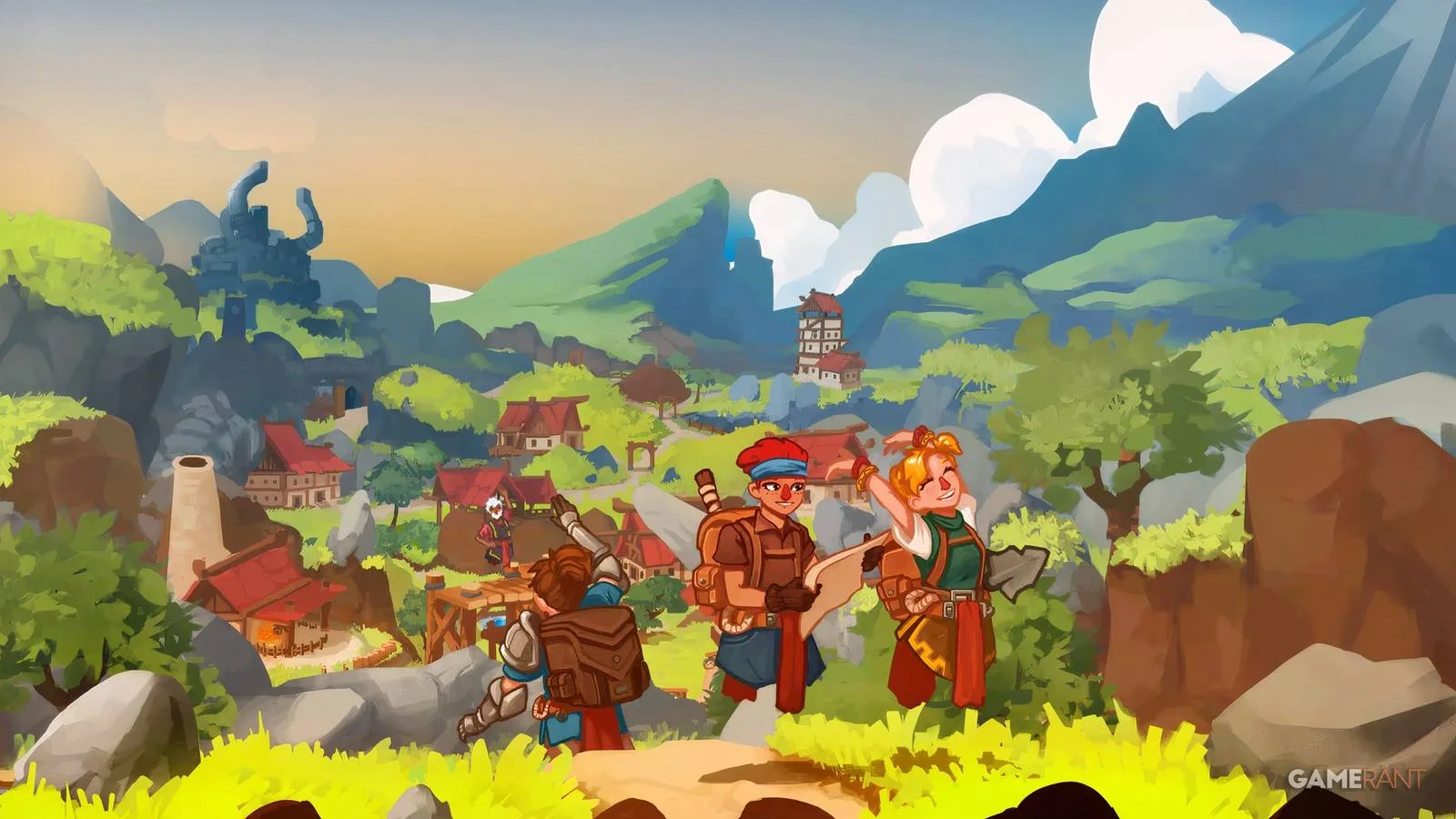
Perhaps the most painful closure in July is A Township Tale, a VR sandbox RPG that once seemed like a poster child for the platform's potential. The game raised over $12 million in investment after its successful launch on the Quest platform, and it cultivated a dedicated community of players who built towns, forged weapons, and explored together. Yet on July 20, those servers go silent.
Alta, the studio behind the game, announced the closure via Discord. Co-founder Joel van de Vorstenbosch cited the state of the VR industry as the primary reason. The company had already canceled its follow-up title, Reave, in May 2026. This case shows that even well-funded, critically praised VR games cannot survive when the platform itself faces headwinds. For players who invested hundreds of dollars in VR hardware and dozens of hours in A Township Tale, the shutdown is a stark lesson in the impermanence of digital worlds.
Ancible Online (July 26)
Ancible Online epitomizes the live-service gamble in its purest form. This MMORPG launched into early access only a few months ago with a promise of persistent world and community-driven gameplay. By late June 2026, developer announcements confirmed that the servers would shut down on July 26. The game simply could not retain enough players to cover server costs.
This closure sends a direct message to players who invest time and money into early access titles. The promise of ongoing development is not a guarantee. When the player count drops, the servers drop with it. Ancible Online lasted mere months, a sharp contrast to the years of content updates that live-service games often promise but rarely deliver.
Madden NFL 23 (July 13)
EA's annual sports cycle continues its predictable pattern. Madden NFL 23 will lose online services on July 13, just as Madden 24 and Madden 25 have before it. Offline modes survive, but online features such as Ultimate Team, online head-to-head, and cooperative play vanish. Players who bought the game at full price for its online modes effectively lose a large portion of the experience, a player who spent $200 on Ultimate Team packs in Madden 23 will see that investment evaporate on July 13.
The annualization of sports games makes these shutdowns routine. EA, 2K, and WWE games follow a schedule: server shutdowns for older entries roughly two to three years after release, pushing players toward the newest version. This is not an accident. It is a business model that treats digital ownership as a rental with a fixed lease. The pattern is wasteful, but it persists because there has been no legal consequence for making purchased products unplayable.
The Preservation Fight, Regulatory Progress and Rare Success Stories
July 2026 arrives amid unprecedented momentum for game preservation. The Stop Killing Games movement, launched in 2024 after Ubisoft permanently killed The Crew by shutting its servers, has grown into a global advocacy force. In June 2026, the European Citizens' Initiative gathered 1.29 million signatures, a number that forced the European Commission to respond. While the Commission declined to propose binding legislation, it did agree to pursue a voluntary code of conduct for the game industry.
Meanwhile, in the United States, California's 'Protect Our Games' bill passed the state Assembly in June 2026 and is now headed to the state Senate. If enacted, the bill would require publishers to provide advance notice of server shutdowns and to implement a mechanism that allows continued access to purchased games even after official servers go dark. This is the kind of legislation that could change the calculus for publishers who currently see old games as liabilities.
One notable bright spot in this month's shutdown news is LET IT DIE, the free-to-play action game that will shut down on August 31, 2026. Unlike most closures, the developer is