Epic’s Cross-Game Skin Dreams: What Unreal Engine 6’s Fortnite Portability Really Means
You have spent hundreds of dollars on Fortnite skins. You have bought battle passes, bundled cosmetics, and limited-time collaborations. Now imagine wearing your favorite outfit, the one you paid...

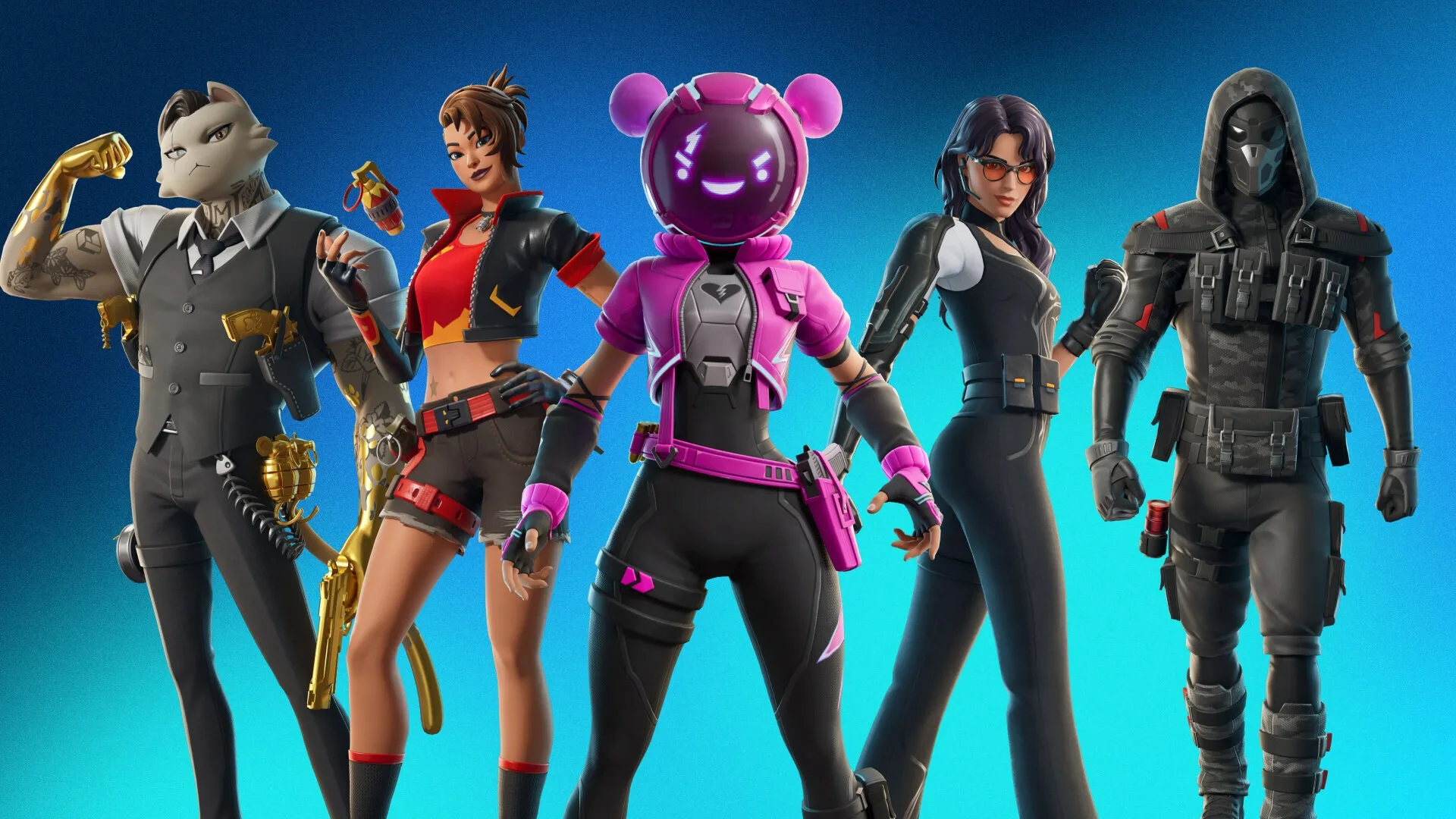
You have spent hundreds of dollars on Fortnite skins. You have bought battle passes, bundled cosmetics, and limited-time collaborations. Now imagine wearing your favorite outfit, the one you paid real money for, in an entirely different game, with different mechanics, on a different map. Epic Games just unveiled Unreal Engine 6, promising exactly that: a “shared economy for smart assets” where your digital wardrobe travels with you across titles. It sounds like the future. But Epic is making this promise from a position of weakness, fresh off mass layoffs, a stalled Disney metaverse, and a growing developer backlash over generative AI. The timing raises hard questions.
What UE6’s Cross-Game Skins Actually Do
Fortnite cosmetics will serve as Epic’s “first real proof point of portability” for cross-game asset sharing. In practical terms, players will be able to use their existing Fortnite skins in other games built on Unreal Engine 6. Developers will also be able to create new skins that function inside Fortnite, effectively opening a two-way street between Epic’s flagship title and a future ecosystem of UE6-powered games.
The system goes beyond a simple cosmetic transfer. Epic describes these as “smart assets”, digital items that carry logic and data, allowing them to adapt to different game mechanics. A skin’s animation set might change based on the title it enters. Its physics might adjust. The asset itself remains consistent, but its behavior is context-aware.
Technically, this is made possible by Unreal Engine 6’s new unified architecture. UE6 merges Unreal Engine 5 and the Unreal Editor for Fortnite (UEFN) into a single engine. It shifts from C++ to Verse as the core scripting language and will eventually deprecate the Blueprints and Actors systems. Open-standard formats like glTF and USD become first-class citizens, intended to make asset portability plug-and-play.

The Grand Vision, An Open Gaming Ecosystem
Epic CEO Tim Sweeney framed UE6 as the antithesis of walled gardens. “We want a system with no overlords,” he said during the State of Unreal keynote at Unreal Fest 2026. “We don’t want to be the next one, rather we want to be a partner for all companies in the industry.” But Sweeney’s “no overlords” vision depends on developers willingly joining a system that still feels like it centers Epic’s own interests.
The cross-game skin initiative builds directly on Epic’s long-running legal battles against Apple and Google over app store monopolies. Sweeney’s rhetoric positions UE6 as a structural alternative: an opt-in shared economy where player spending carries value between games. If it works, it could reduce player churn and unlock new revenue models for developers who join the ecosystem.
Epic has already demonstrated the economic mechanics on a smaller scale. Since 2023, the company has paid out over $1 billion to UEFN creators. The hope is that UE6’s shared economy can scale that payout model across the whole industry, a network of games where a skin bought in one title still feels valuable in another.
But adoption is the linchpin. Developers must opt in, learn Verse, abandon familiar tools like Blueprints, and trust Epic with a slice of their monetization. That is a tall order for an engine that will not be stable until the end of the decade.
Imagine a skin with a rigid cape in Fortnite bending correctly in a racing game’s cockpit. Epic says the asset adapts, but no one has stress-tested that across twenty different games. The technical challenge is real, and the proof will take years.
The Cracks Beneath the Hype, Why This Announcement Comes at a Crisis Moment
Fortnite still commands 75 million monthly active users. That figure is massive by any standard, but it represents a decline from earlier peaks. In March 2026, Epic laid off more than 1,000 workers, directly citing a drop-off in Fortnite engagement. The layoffs were a blunt reminder that Epic’s flagship title, the very foundation of its cross-game skin ambitions, is facing headwinds.
Meanwhile, Epic’s much-hyped Disney “persistent universe” remains unlaunched more than two years after its announcement. That project was supposed to be a key pillar of the company’s metaverse strategy, a permanent Disney-themed space inside Fortnite. It has not materialized, and Epic has offered few updates. The gap between vision and execution is widening.
Developer backlash over generative AI is another crack. Epic announced that UE6 would integrate Claude and Gemini via an MCP plugin for AI asset generation. The reaction was swift. Poncle, the developer of hit indie game Vampire Survivors, said it would “review” its Fortnite collaboration partnership because of Epic’s embrace of generative AI. Given that Vampire Survivors was one of the most prominent indie crossovers in Fortnite’s history, Poncle’s public review could signal broader unease among developer partners.
Epic has also promised over 30 new gaming collaborations coming to Fortnite in 2026, including Sonic Racing: CrossWorlds as a gift-with-purchase on the Epic Games Store. These are short-term engagement plays, not long-term ecosystem building. They keep players logging in, but they do not address the structural challenges that UE6 is meant to solve.
The timeline only deepens the uncertainty. UE6 Early Access is targeted for the end of 2027, with a full release 12 to 18 months later, meaning late 2028 to 2029. There is no planned UE5.9, so developers are being asked to jump directly from the current 5.x branch to version 6, a migration that carries its own risks. By the time the ecosystem is stable, the competitive landscape could shift dramatically. New engines, alternative monetization models, and changing player expectations may leave Epic’s vision looking dated before it fully arrives.
Adoption Hurdles, Why Developers Might Hesitate
Even if Epic delivers the technical foundation, developer trust remains fragile. Verse is a new language that requires retraining existing teams. Indie and mid-size studios, already stretched thin, may be reluctant to invest in a platform that is still in flux and centered on a company that has laid off thousands of employees. The “shared economy” sounds appealing, but it also means giving Epic a structural role in monetization, a relationship that some studios will view with suspicion.
Player fatigue is another factor. Gamers have heard metaverse promises before, from Facebook’s rebrand to countless blockchain “interoperability” pitches that never materialized. Epic’s cross-game skin initiative is far more concrete than most, but asking players to wait until 2028 for the full experience tests even the most loyal fanbase. Early adopters may see limited portability within Fortnite’s own ecosystem before UE6 launches, but a true multi-title shared economy is years away.
A Leap of Faith in a Shifting Industry
Epic’s cross-game skin plan is audacious and genuinely exciting. If it works, it could break down the industry’s most stubborn walled gardens and reward player loyalty across titles. The idea that a skin bought for one game can be worn in another is a powerful consumer proposition, and one that aligns with the broader push toward open standards and interoperability.
But the timing speaks volumes. UE6 is being sold as a savior at a moment when Epic is bleeding talent, facing AI backlash, and watching its flagship title lose momentum. The real test will not come until 2028 at the earliest, and by then, the gaming landscape could look very different. For now, Epic is asking the industry to bet on a shared economy that is still years from delivery, and past promises have yet to fully materialize. The vision is compelling. The execution remains a leap of faith.