Tim Cook Admits Apple Price Hikes Are 'Unavoidable' - How the AI Memory Shortage Is Driving the RAMpocalypse
If the world's most valuable company, with its legendary supply chain leverage and record profits, cannot escape the memory shortage, what hope does anyone else have? In a frank acknowledgment during...

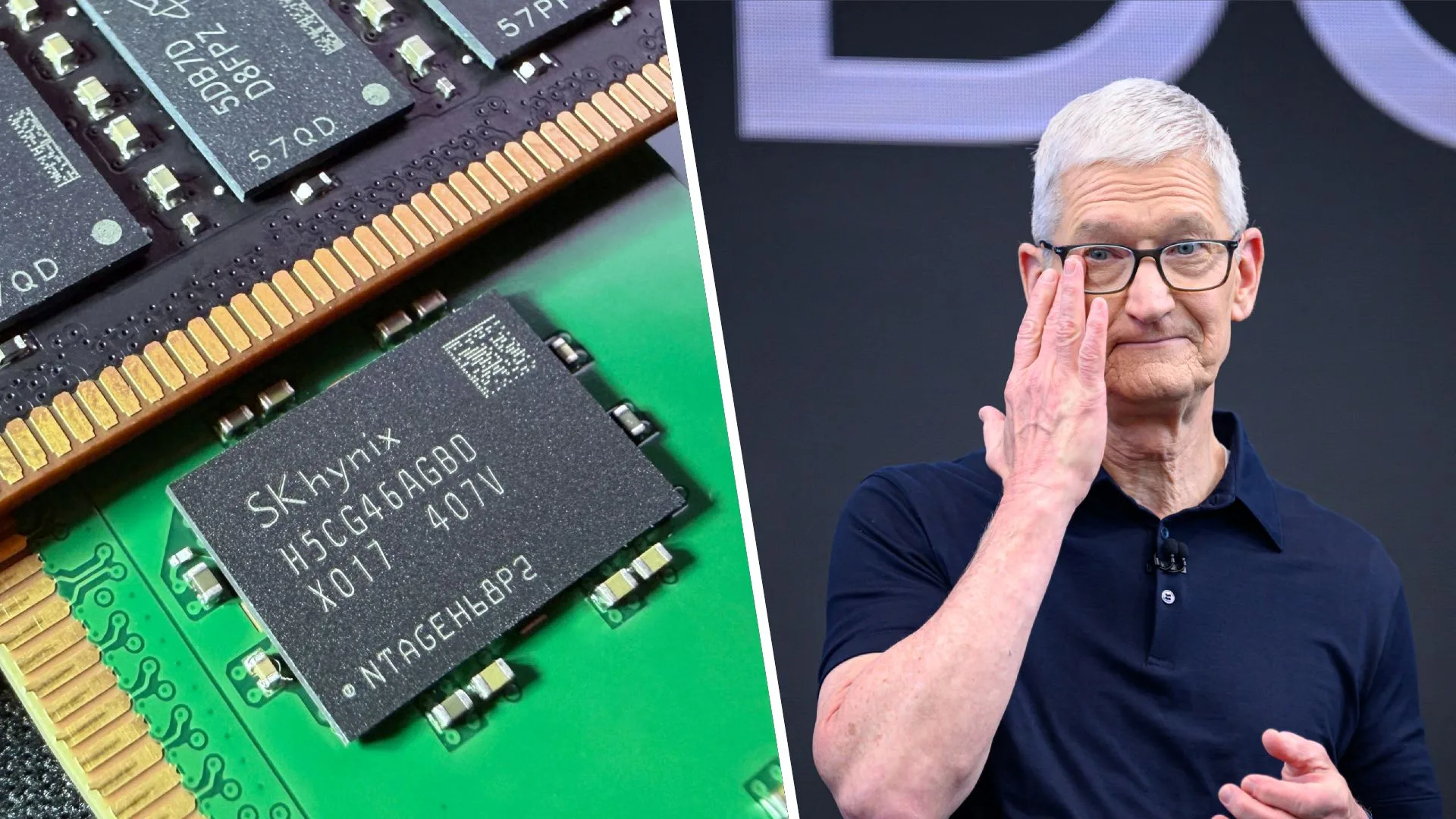
If the world's most valuable company, with its legendary supply chain leverage and record profits, cannot escape the memory shortage, what hope does anyone else have? In a frank acknowledgment during an interview with The Wall Street Journal, Apple CEO Tim Cook confirmed that price increases across iPhones, iPads, and Macs are "unavoidable" due to surging memory chip costs. He called the global shortage a "hundred-year flood" that he has never seen in over 40 years in the industry. The irony is sharp: the very AI boom Apple is trying to ride with Apple Intelligence is now raising the cost of its own hardware. For gamers and tech consumers already reeling from PS5 price hikes and skyrocketing PC RAM costs, Cook's warning is a clear signal that the RAMpocalypse is here to stay.
"A Hundred-Year Flood": Tim Cook's Unprecedented Warning
In an exclusive interview with The Wall Street Journal, Cook told reporters that Apple can no longer absorb rising memory and storage chip costs. Price increases are now "unavoidable" across the entire product lineup. He described the shortage as a "hundred-year flood," noting he has never encountered such a severe supply imbalance in his four-decade career.
The warning carries added weight because this comes as Cook prepares to exit. He is set to step down as Apple CEO in September 2026 after 15 years at the helm, making the memory shock one of his final major strategic statements. Even Apple's massive procurement leverage has been exhausted. The company previously weathered component shortages better than most competitors thanks to its scale and inventory management, but that buffer is now gone. The message is clear: if Apple is raising prices, the entire industry is in trouble.

The AI Boom Is Eating Memory, How HBM Demand Starves Consumer Devices
The primary driver of this crisis is the insatiable appetite of AI data centers for High-Bandwidth Memory (HBM). HBM is a specialized type of memory used in AI training and inference servers, and its demand has exploded. HBM wafer allocation has surged from just 2% of total memory production to an expected 20% by the end of 2026.
This shift matters because HBM consumes over three times the wafer capacity per gigabyte compared to standard DDR or LPDDR memory. As memory manufacturers like Samsung, SK Hynix, and Micron prioritize HBM production, the supply of conventional DRAM and NAND flash used in consumer devices has been starved. The result: memory chip costs have roughly quadrupled over the past year. Components that cost Apple around $50 in the iPhone 17 Pro could cost approximately $200 in the iPhone 18 Pro, according to industry analysts at TechInsights.
Morgan Stanley has called this shortage "structural," not a cyclical squeeze. They warn of long-term "chip inflation" driven by the massive purchasing power of AI hyperscalers like Microsoft, Google, Amazon, and Meta. This is not a temporary spike that will fix itself when a new fab comes online. It is a fundamental realignment of the memory market.
Apple's Pain, From $50 to $200 Components, $1,299 iPhones on the Horizon
The impact on Apple's products is stark. The iPhone 18 Pro could launch at a staggering $1,299, up from $1,099 for the iPhone 17 Pro. Analysts at TechInsights estimate that Apple needs a price increase of roughly $270 on the iPhone 18 Pro just to maintain its existing profit margins. That is a massive leap, and it suggests the days of the $1,000 flagship iPhone are numbered.
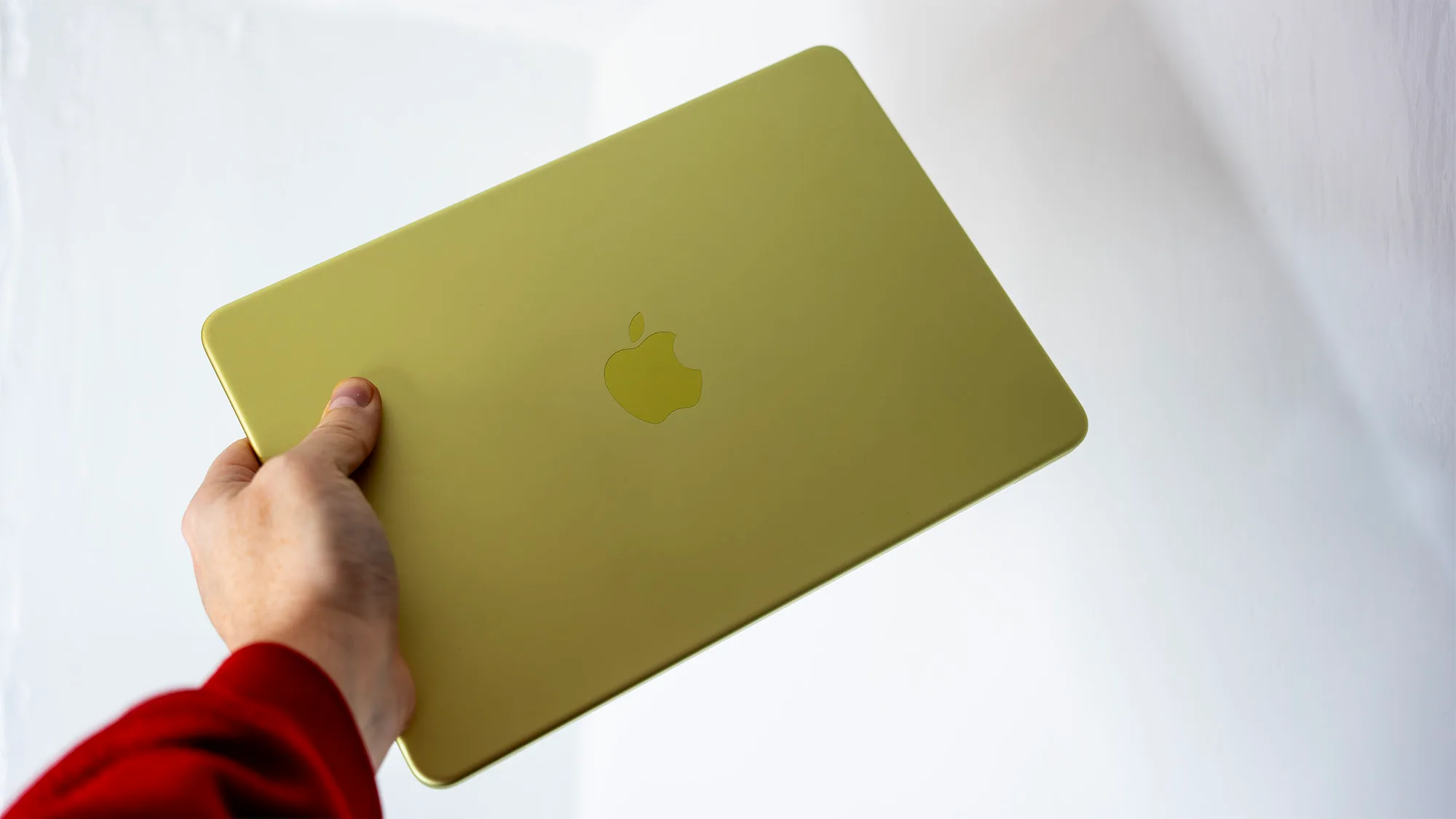
The pain is not limited to iPhones. Apple has already raised the Mac Mini from $599 to $799 and discontinued the Mac Studio 512GB model entirely. RAM prices have more than doubled since October 2025, squeezing iPads and Macs across all configurations. Even the most affordable Apple products are feeling the heat.
Cook ruled out Apple building its own memory fabrication plants. "We can't do everything," he said. "We know what we're good at." This decision contrasts sharply with Apple's success in designing its own chips (Apple Silicon), and it highlights the limits of even the world's most valuable company. Apple will remain dependent on Samsung, SK Hynix, and Micron for memory components, giving it little room to control costs.
The Ripple Effect, PS5, PC RAM, and Global Tech Inflation
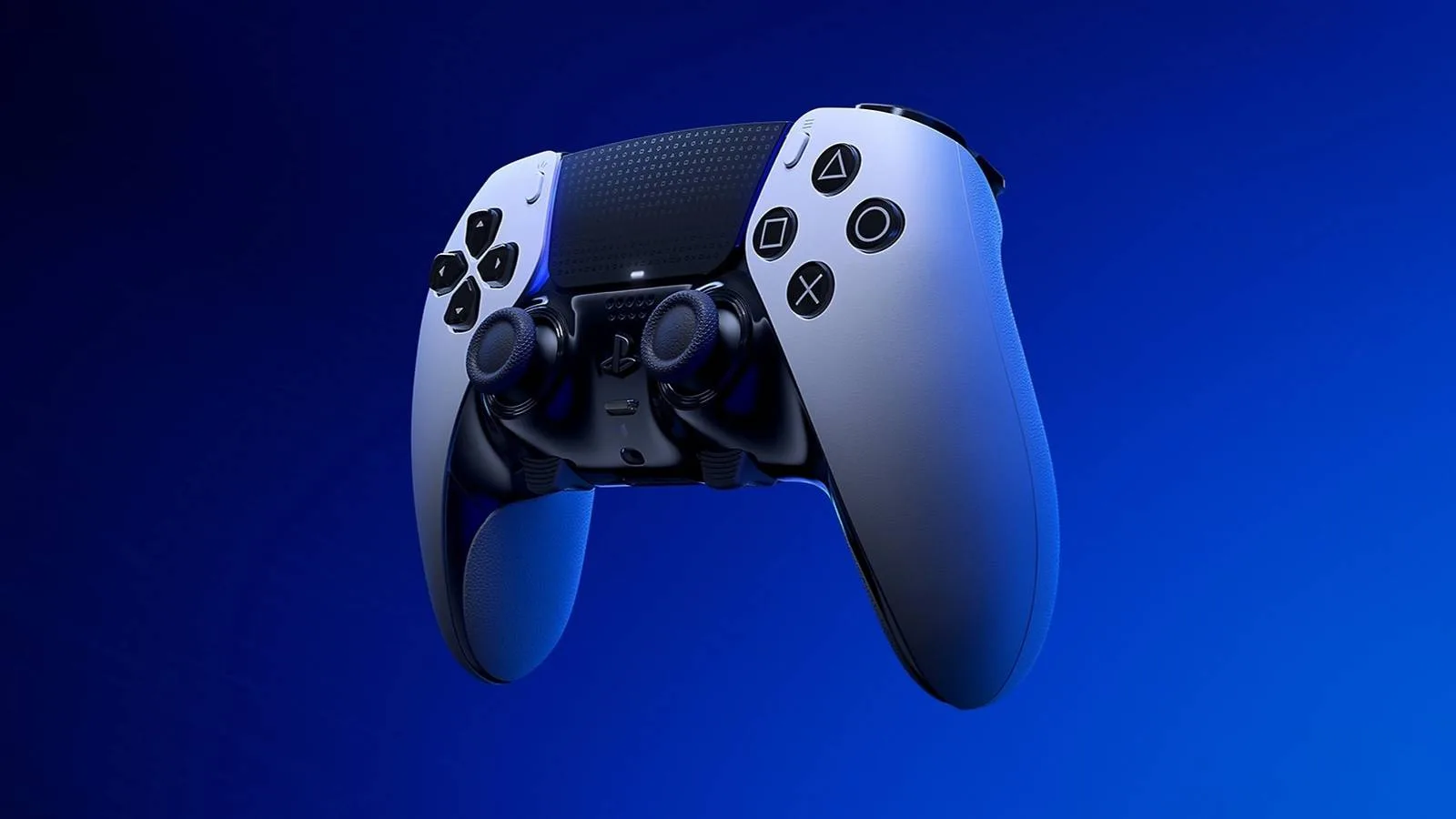
Apple's price hikes are just the most visible symptom of a much larger problem. Sony raised PlayStation 5 prices by $100 in the United States and £90 in the United Kingdom in April 2026 due to the same memory cost pressures. That directly impacts gamers who were already facing a tough economic environment.
PC RAM costs have doubled since October 2025. Building a gaming PC or upgrading memory has become significantly more expensive. The global average selling price for smartphones is expected to rise roughly 20% in 2026 to an all-time high, according to market analysts at Omdia. That affects Android devices as well as Apple products.
This is not a temporary spike. Analysts predict the supply-demand imbalance could persist for years as AI infrastructure investment continues to grow. Every time a new AI model is trained, it consumes vast amounts of HBM. That HBM is wafer capacity that does not go into consumer memory. The result is a persistent upward pressure on memory prices that will affect everything from budget laptops to high-end gaming rigs.
To be clear, not every analyst agrees this is permanent. Some point to new fabrication plants coming online in 2026, 2027 that could ease supply. But for the immediate future, through 2026 and likely into 2027, the pressure shows no signs of abating.
The RAMpocalypse Is Just Beginning
Tim Cook's blunt admission that even Apple cannot dodge the memory shortage is confirmation that the AI boom has fundamentally altered the economics of consumer electronics. The "hundred-year flood" of memory demand is not a cyclical dip but a structural shift. Gamers, smartphone buyers, and PC enthusiasts alike will be paying the price for years.
As Cook prepares to exit the stage in September 2026, his final major warning serves as both a legacy marker and a sobering reality check. The era of cheap memory is over. The RAMpocalypse is just beginning, and no one, not even the world's most valuable company, is immune.