Cyberpunk 2077 Hits 40 Million Copies Sold - A Redemption Story for the Ages
There was a moment, in late 2020, when Cyberpunk 2077 looked less like a video game and more like a corporate funeral pyre. Sony had pulled it from the PlayStation Store. Lawsuits were piling up....

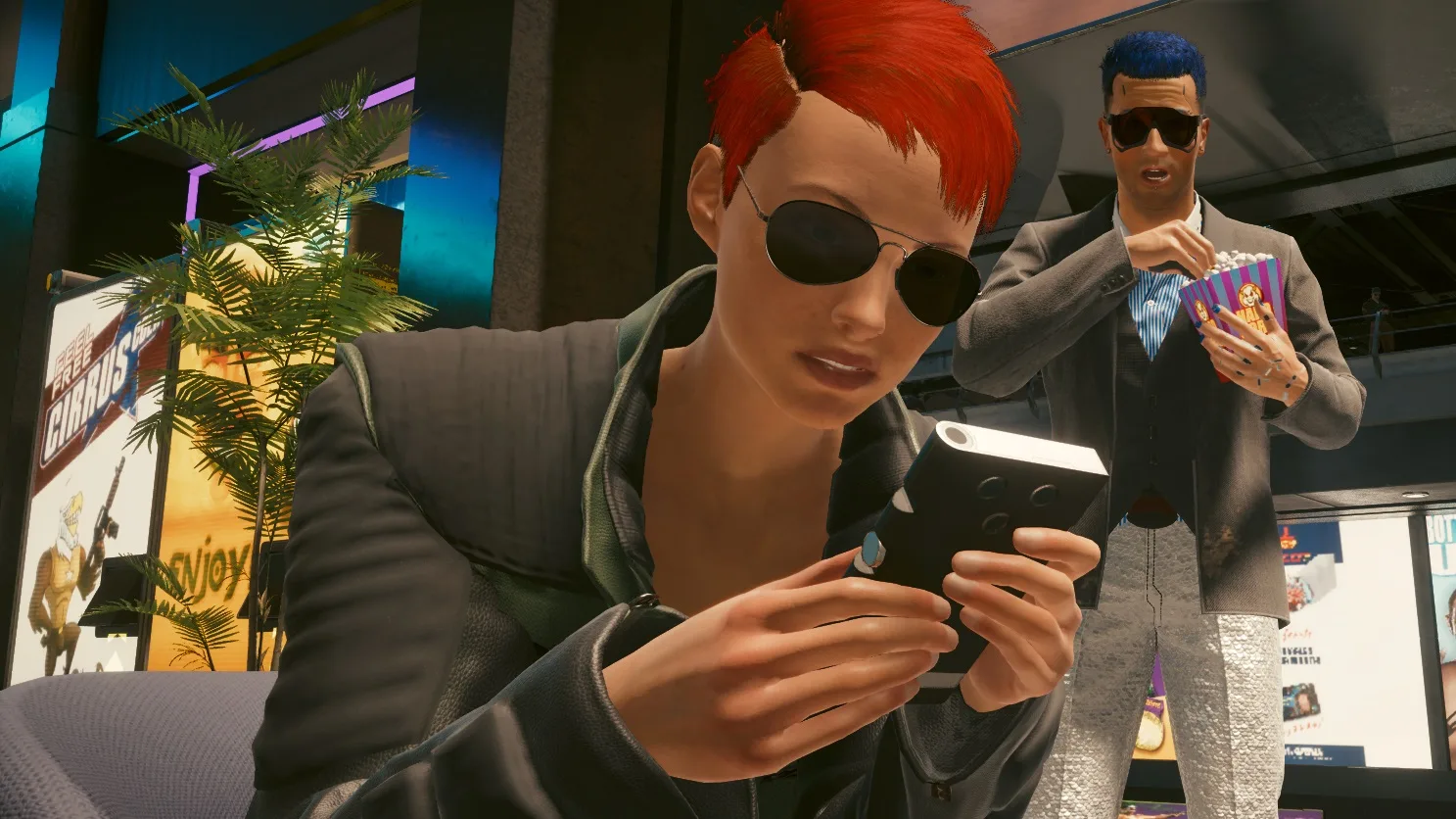
There was a moment, in late 2020, when Cyberpunk 2077 looked less like a video game and more like a corporate funeral pyre. Sony had pulled it from the PlayStation Store. Lawsuits were piling up. Investor confidence had evaporated. The game that sold 13 million copies in ten days had become a punchline, a cautionary tale about hype outstripping reality. And then something unexpected happened. CD Projekt Red did not walk away. Instead, the studio spent over $100 million fixing its broken creation, released a critically acclaimed expansion, and watched as a Netflix anime reignited the world's love for Night City.
Today, Cyberpunk 2077 has sold more than 40 million copies worldwide. It sits comfortably among the top 20 best-selling games of all time. This is no longer a story about a catastrophic launch. It is a story about an unprecedented turnaround, one that turned a cautionary tale into a masterclass in post-launch rehabilitation.
The Fall, How the Hype Collapsed
To understand the scale of the redemption, you have to revisit the scale of the disaster. Cyberpunk 2077's launch in December 2020 was a blockbuster by any measure. Years of marketing, a star-studded trailer featuring Keanu Reeves, and a genre-defining promise of a sprawling open-world RPG had generated feverish anticipation. The game moved 13 million copies in its first ten days, a staggering achievement.
But the cracks appeared almost immediately. On last-generation consoles, the PlayStation 4 and Xbox One, the game was borderline unplayable. Bugs, crashes, and performance issues turned CD Projekt Red's masterpiece into a slideshow. Players accused the studio of misleading consumers by withholding footage of the console versions. The backlash was swift and brutal. Sony removed Cyberpunk 2077 from the PlayStation Store, an unprecedented move for a major AAA title. CDPR offered refunds. The company's stock price cratered, and multiple class-action lawsuits were filed. Meanwhile, PC players fared significantly better; though not flawless, the PC version met many of the technical expectations set during development, creating a lasting split in how different audiences experienced the game.
For a time, the game seemed beyond saving. The narrative was set: Cyberpunk 2077 was a dead brand, a monument to overpromising and underdelivering.
The $100 Million Fix, Patches, 2.0, and Phantom Liberty
CD Projekt Red did not accept that narrative. Over the next several years, the studio invested more than $100 million in post-launch development. Dozens of patches smoothed out the technical problems, but the real turning point came with the 2.0 update in September 2023. This was not a simple bug fix. It was a ground-up overhaul of core systems, perks, cyberware, AI, police behavior, and vehicle combat were all reworked. The update earned widespread critical praise and transformed the game's reputation on platforms like Steam, where it now holds a "Very Positive" user rating.
Then came Phantom Liberty, a spy-thriller expansion starring Idris Elba that told a taut, mature story set in a new district of Night City. The expansion was a critical darling, and its quality demonstrated that CDPR had not only fixed Cyberpunk 2077 but had elevated it to the level of excellence originally promised. The expansion also introduced the Ultimate Edition, which bundled the base game and Phantom Liberty together, a key driver of the 40 million sales figure (standalone copies of Phantom Liberty are excluded from the count).
Yet even as technical faults faded, a question remained: could anyone care about Night City again? The answer came from an unexpected direction.
The Cultural Revival, Edgerunners and Word of Mouth
While the patches fixed the game, it was a Netflix anime that revived the franchise's cultural relevance. Cyberpunk: Edgerunners, released in 2022, told a standalone story of desperate mercenaries in Night City. It was a critical and audience hit, winning multiple awards and introducing the world to CDPR's universe through a medium that required no technical fixes. The anime drove a massive surge in game sales, and it created a virtuous cycle: players who bought the game after watching Edgerunners discovered a solid experience, which in turn generated positive word of mouth.
The synergy between game and anime has been carefully maintained. Merchandise, cross-promotion, and a renewed sense of cool around the Cyberpunk IP have kept the franchise in the spotlight. And with Edgerunners 2 arriving in fall 2026, that momentum is set to continue. The anime has effectively become a second pillar of the franchise, introducing characters and stories that complement the game without requiring players to own it.
But the cultural revival wasn't driven solely by a streaming series. The modding community played a crucial role, especially on PC. Tools like the "Crowd NPC Density" mod and various optimization tweaks helped players tailor Night City to their hardware and preferences, extending the game's life long after official patches stopped. Meanwhile, content creators on Twitch and YouTube seized on the 2.0 update and Phantom Liberty to revisit the game, streaming playthroughs that showed off the overhauled systems to millions of viewers. Those videos, combined with positive post-patch reviews, steadily rebuilt trust that the disastrous launch had shattered.
The Momentum, 40 Million and Counting
And then the numbers started doing something no one expected, going up, not down. Forty million copies sold is not just an impressive figure; it is a specific marker of just how far the game has come. As of July 3, 2026, the game had added 5 million sales since November 2025, an extraordinary clip for a title now in its sixth year. According to CD Projekt Red's own data, Cyberpunk 2077 now accounts for 72% of the company's total revenue, making it the primary financial engine behind everything CDPR does, including the development of The Witcher 4 and Cyberpunk 2.
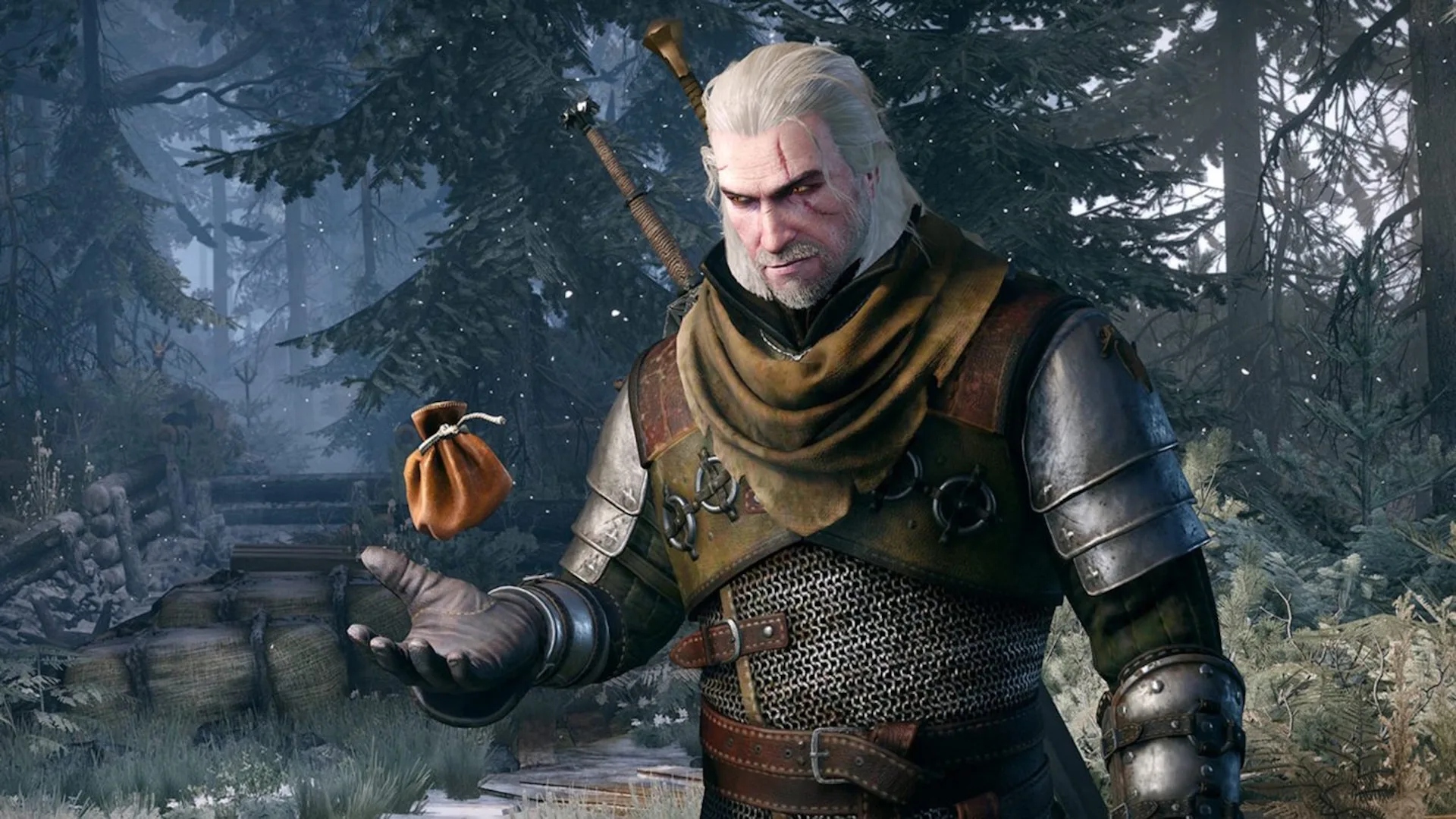
Perhaps most tellingly, Cyberpunk 2077 outsold The Witcher 3 in the same post-launch window. The Witcher 3 sold roughly 30 million copies in its first six years; Cyberpunk 2077 sold 40 million. The Witcher 3 overall stands at 65 million copies, but that head start was built over a decade of consistent sales, including multiple re-releases and the Netflix show's impact. Cyberpunk 2077's trajectory, given its disastrous debut, is arguably more impressive.
Player retention statistics tell a similar story. Months after the 2.0 update, concurrent player counts on Steam remained well above pre-patch levels, a rarity for a single-player title. Streaming viewership for the game on Twitch spiked during the Phantom Liberty launch week and stayed elevated for months, driven by both the expansion's quality and the lingering cultural cachet of Edgerunners. In many ways, the game's second life has outperformed its first.
The Road Ahead, Edgerunners, Cyberpunk 2, and Legacy
CD Projekt Red is betting that this momentum is sustainable. Edgerunners 2 arrives this fall, and the studio is already deep in pre-production on the next full entry in the franchise, codenamed Project Orion, with 163 developers assigned to it. That sequel is not expected before 2030, which means the current game will continue to sell for years to come.
The bigger challenge lies ahead. CDPR is now balancing two massive projects simultaneously: The Witcher 4 (with 513 developers) and Cyberpunk 2. Co-CEO Michał Nowakowski has acknowledged that some fans may never forgive the launch, but the sales numbers suggest the broader market has moved on. The 40 million milestone is not just a sales figure, it is a vindication of a long-term strategy. CD Projekt Red owned their mistakes, invested heavily in making things right, and let time and quality do the talking.
The real test will be whether they can replicate that rehabilitation model for Cyberpunk 2, or learn enough to avoid needing one in the first place. The real question isn't whether Night City can rise again, it's whether CD Projekt Red can keep it standing this time.