How Final Fantasy 7 Rebirth Redeemed Its Most Hated Character, Cait Sith
For nearly 30 years, Cait Sith has been the black sheep of Final Fantasy VII’s legendary party, a grating, robotic cat who delivered terrible gameplay, annoying jokes, and an unforgivable betrayal....

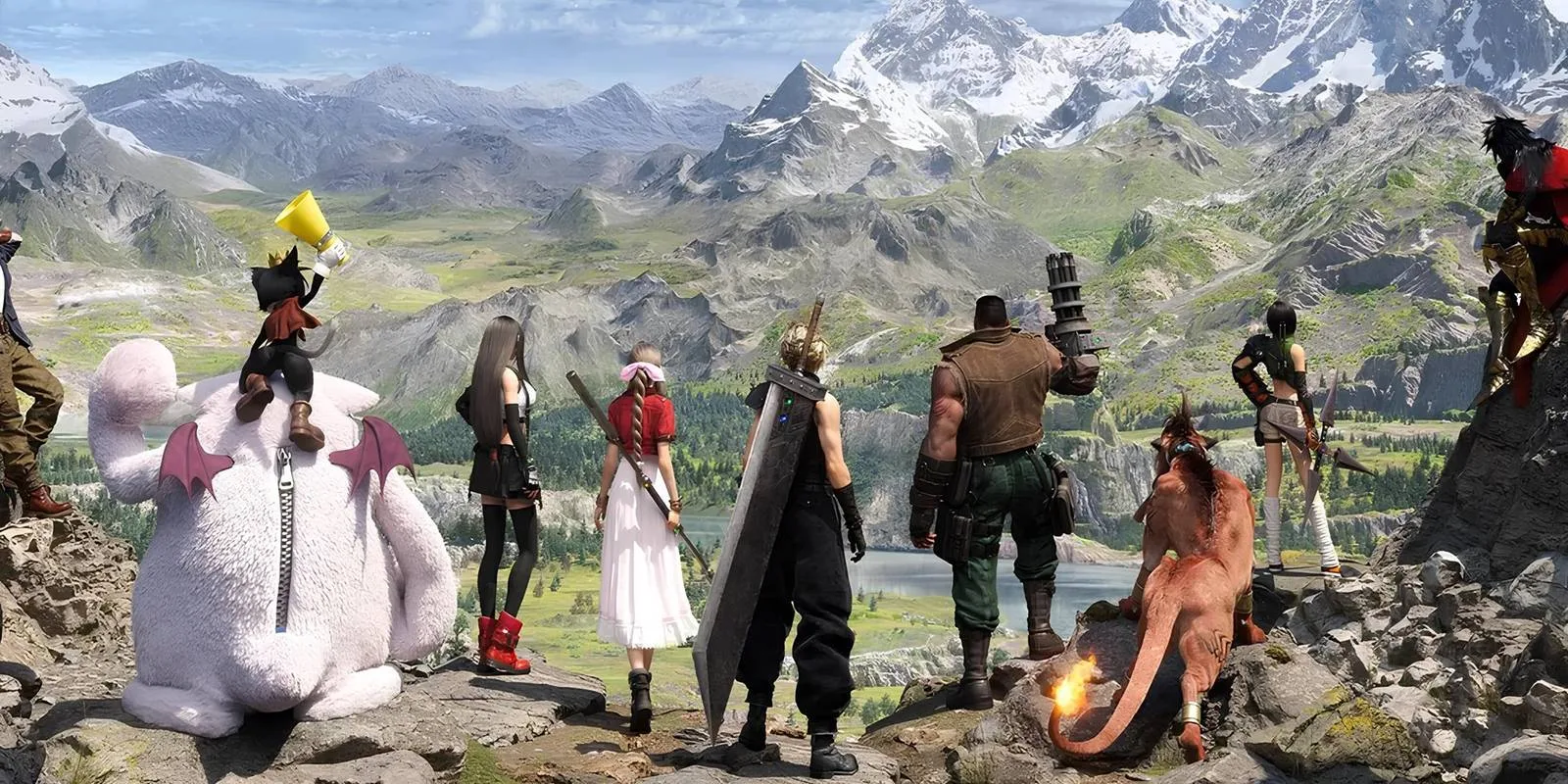
For nearly 30 years, Cait Sith has been the black sheep of Final Fantasy VII’s legendary party, a grating, robotic cat who delivered terrible gameplay, annoying jokes, and an unforgivable betrayal. Many fans groaned whenever he joined the team. But Final Fantasy VII Rebirth did not just include him; it completely overhauled his combat, deepened his backstory, and reframed his treachery as a conflicted act of misguided loyalty. This is the story of how Square Enix is turning one of the most divisive characters in FF7 into a surprisingly compelling part of the new trilogy.
Why Cait Sith Was the Worst, A 25-Year Reputation
To understand why Cait Sith’s redemption in Rebirth is so remarkable, you first have to appreciate the depth of his unpopularity. In the original 1997 game, he was introduced as a fortune-telling robotic cat with a grating Scottish accent, a mascot character in a party of stoic mercenaries, gun-toting eco-terrorists, and deeply human heroes. From the moment he appeared, many players felt a disconnect. But it was not just his personality that earned him disdain.
Three core reasons cemented Cait Sith’s status as one of the most frequently criticized party members in Final Fantasy VII’s beloved cast. First, his annoying mascot humor and exaggerated Scottish-actor shtick often fell flat against the game’s serious environmental and existential themes. Second, his Limit Breaks were famously self-harming, the slot-machine mechanic could wipe your own party with negative effects, making him a liability in boss fights rather than an asset. Third, and most damning, he betrays the party by stealing the Keystone, the key to the Temple of the Ancients, and handing it over to Shinra.
While other party members like Cloud, Tifa, Barret, Aerith, Red XIII, Yuffie, Vincent, and Cid all had their own devoted fan bases, Cait Sith was often viewed as the party’s biggest liability. The original game did attempt a redemption, Cait Sith’s sacrifice inside the Temple of the Ancients had genuine pathos, but the immediate replacement with an identical copy undercut the emotional impact. For decades, that sour taste lingered. It seemed like Cait Sith was destined to remain one of the franchise’s most reviled playable characters.
Gameplay Overhaul, From Liability to Strategic Asset
Final Fantasy VII Rebirth’s first decisive move was to completely rework Cait Sith’s combat. Gone is the self-destructive slot machine of the original. In its place, Cait Sith now fights alongside a giant moogle companion, transforming him into a versatile fighter capable of physical, magical, and support roles.
His megaphone-based abilities allow him to buff allies, debuff enemies, and deal respectable damage. New synergy moves, such as a team-up attack with Tifa, replace the old randomness with reliable strategic options. The slot-machine mechanic is not entirely erased; it has been redesigned into a fun RNG ability called “Roll o’ the Dice,” which applies beneficial effects like Regen when the die lands on five. Unlike the original, it no longer punishes the party. This change alone makes Cait Sith a welcome addition to any party composition.
The addition of the moogle companion also gives Cait Sith a physical presence and weight he lacked before. He can tank hits, draw aggro, and even ride the moogle for powerful charged attacks. Players who previously benched him the moment he joined now find themselves rotating him into their lineup for his unique utility. The character who was once a liability has become a genuine tactical asset.
Reframing the Betrayal, Reeve Tuesti’s Moral Conflict
The more transformative change, however, comes in the story. Cait Sith is secretly controlled by Shinra executive Reeve Tuesti, the head of the Department of Urban Development, a decent man working for a corrupt corporation. Rebirth gives this internal conflict far more screen time and emotional weight than the original ever did.
In the classic version, Cait Sith’s theft of the Keystone at the Temple of the Ancients feels like a simple act of corporate espionage. In Rebirth, the scene is reframed. Cait Sith admits to the party that he took the Keystone because he believed it was safer for Shinra to get lost in the mysterious temple than for Cloud’s group to risk their lives. This turns the act from pure villainy into a misguided attempt to protect the very people he has come to care about. It does not excuse the betrayal, but it recontextualizes it as the desperate choice of a conflicted puppet whose strings are pulled by both Reeve’s conscience and Shinra’s demands.
Reeve’s eventual defection from Shinra, fully explored later in Dirge of Cerberus, where he leads the World Regenesis Organization, is seeded carefully throughout Rebirth. Small moments of doubt, quiet exchanges with other characters, and his visible discomfort with Shinra’s methods all build toward a genuine moral awakening. Cait Sith is no longer a one-note traitor; he is a symbol of Reeve’s struggle to do good within an evil system.
The Bigger and Better Philosophy, Square Enix’s Remake Approach
Square Enix’s explicit goal for the entire Remake project has been to make everything about Final Fantasy VII “bigger and better than you remember it”, including divisive characters like Cait Sith. This philosophy is evident in every aspect of his Rebirth presence.
He joins the party as a mandatory member in Chapter 9 (“The Planet Stirs”), and briefly leads the team in Chapter 11 (“The Long Shadow of Shinra”). This screen time is far more substantial than in the original, where he often felt like a tag-along. Rebirth integrates him into the main story more seamlessly, giving him meaningful dialogue and interactions with other party members. Notably, he is the only party member who lacks an affection system with Cloud, underscoring his unique outsider status, a detail that reinforces his narrative role as an observer caught between two worlds.
The redemption arc does not end with Rebirth. Director Naoki Hamaguchi has confirmed that Cait Sith will return as a fully playable party member in the next entry (unofficially known as Part 3, or the final installment). The character will receive even more outfit options and character focus, proving that Square Enix is committed to making this formerly reviled character a staple of the new trilogy.
From Afterthought to Essential: The Cait Sith Redemption
Cait Sith’s redemption in Rebirth is a masterclass in fixing a character that many had written off. By overhauling his gameplay, deepening his connection to Reeve Tuesti, and reframing his betrayal as a conflicted choice, Square Enix did not just make him tolerable, they made him a worthwhile part of the narrative. The lesson is clear: no character is truly irredeemable when given the time, care, and creative attention they were denied in 1997. For fans who spent 25 years rolling their eyes every time the robotic cat appeared, many are now finding themselves re-evaluating Cait Sith more positively than ever before.